What Liability Coverage Pays For
Liability pays for the other person's damage and injuries when you're at fault. It never pays for yours.
It covers the other driver, not you
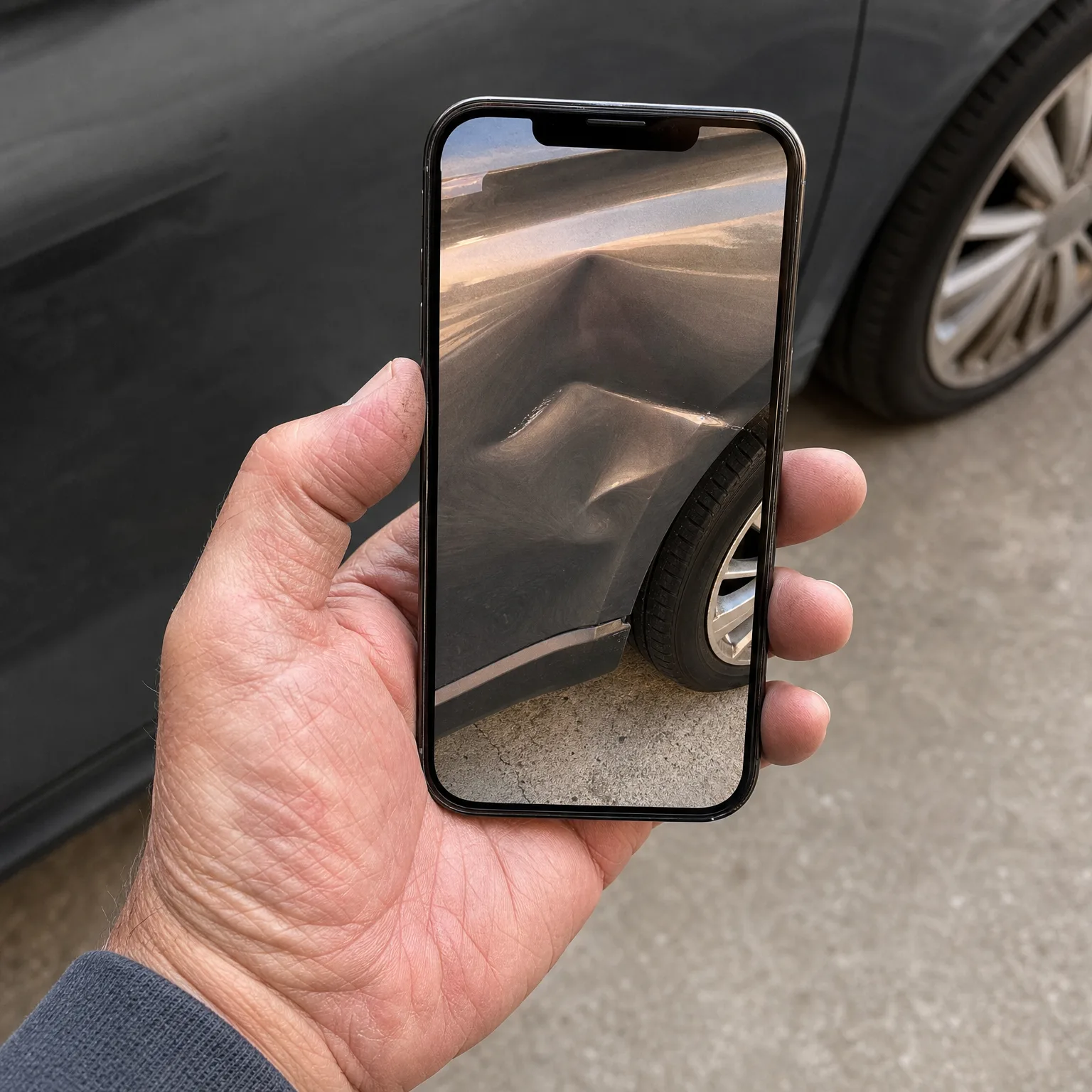
Liability coverage pays for the other driver's medical bills and the damage to their car when you cause an accident. It also covers damage to things like fences, mailboxes, or buildings if you hit them. What it does not pay for is your own car's repairs or your own medical bills. For that you need separate coverage, usually collision and medical payments or personal injury protection.
Most states require some amount of liability coverage before you can register a car or renew your license plates. Beyond that minimum, how much you carry is your choice, and it shapes how much protection you have if a claim against you is larger than your policy.
The limit you chose decides how much gets paid
Your policy has a limit, sometimes split between per-person and per-accident amounts for injuries, plus a separate amount for property damage. If the cost of the accident is higher than your limit, you are personally responsible for the rest. This matters more as you get older if you're driving less and considering lowering your coverage to cut the cost of your premium.
A minor fender bender rarely comes close to testing your limit. A serious injury claim can exceed it easily, especially with rising medical costs. Check your declarations page to see what your current limits actually are, since many drivers carry a policy for years without looking at the number again.
If you're on a fixed income, a judgment beyond your policy limit is the real risk to think about, not the premium. Raising your liability limit usually costs less than people expect relative to the protection it adds.

What people assume it covers, and don't
A common mistake is assuming liability coverage will pay to fix your own car after an at-fault accident. It won't. That's what collision coverage is for, and it's a separate line on your policy with its own premium and deductible.
Another mistake is assuming liability covers you if someone else was driving your car with your permission and caused an accident. In most cases it does, because the coverage follows the car, but confirm this with your own insurer since the details can vary by policy.
If you're an older driver and considering dropping collision coverage on an older car to save money, understand that liability coverage will still only pay for the other driver's damage, not yours. You'd be paying out of pocket for your own repairs either way.
Questions people ask about this
Does liability coverage pay for my car if someone else hits me?
No, if another driver is at fault, their liability coverage is what pays for your car. Your own liability coverage only responds when you are the one at fault. If the other driver has no insurance or not enough, that's a separate situation, and it depends on whether you carry uninsured motorist coverage yourself.
What happens if the accident costs more than my liability limit?
You are personally responsible for the amount above your policy limit. The other driver, or their insurer, can pursue you directly for the difference. This is one reason some drivers choose higher limits than their state requires, particularly if they have savings or assets a court judgment could reach.
Do I need liability coverage if I rarely drive anymore?
Most states require it to keep a car registered and licensed, regardless of how often you drive. If you've stopped driving entirely, ask your state's motor vehicle agency what happens to your registration and whether coverage is still required while the car is parked.
Will my liability coverage go up if I get older?
It depends on your insurer and your driving record, not your age by itself. Some insurers review rates differently as drivers age, often tied to things like vision tests or license renewal requirements set by the state. Ask your insurer directly what triggers a review of your rate.
Can I be sued personally if liability coverage doesn't cover the full cost?
Yes, the other party can file a claim against you for the remaining amount. This is separate from what your insurer pays. An umbrella policy is one way some drivers add protection beyond their auto liability limit, and it's worth asking your agent whether that makes sense for your situation.
If you want to see what higher liability limits would actually cost you, it helps to compare a few quotes side by side.
Pull out your current policy's declarations page and find your liability limits, both for injury and property damage. Call your insurer or agent and ask what it would cost to raise those limits, and whether your state's minimum is lower than what you currently carry. If you've thought about dropping collision or comprehensive coverage to save money, ask specifically how that would change what gets paid if you cause an accident. Write down the answers so you can compare them against quotes from other insurers. This is also a good time to ask whether anything in your driving history or your car's value should change what limits make sense for you now.