Liability Limits for Seniors in Oklahoma
Liability limits are the highest amount your insurance will pay for injuries or property damage you cause someone else in an accident.
What liability limits pay for
Covers
- Injuries to other people If you cause a crash, this pays the other driver or passengers' medical bills up to your limit.
- Damage to their vehicle This covers repair or replacement of the other person's car when you're at fault.
- Damage to other property If you hit a fence, a mailbox, or a building, this pays to fix it.
- Legal costs if you're sued If the other driver sues over the accident, this covers your defense up to your limit.
- Lost income you caused someone If the person you hit can't work because of injuries, this can cover some of that lost income.
Doesn't cover
- Your own injuries Liability only pays for the other person. Your own medical costs come from a different coverage on your policy.
- Damage to your own car Repairs to your vehicle are handled by collision coverage, not liability.
- A hit and run against you If someone else hits you and flees, your liability coverage doesn't apply since you didn't cause it.
- Costs above your limit If the damage you cause is worth more than your limit, you're responsible for the difference unless you carry extra coverage for that.
- Mechanical breakdowns Liability has nothing to do with your car failing on its own. That's a separate matter entirely.
Yes, this is worth carrying at a solid level, even if you drive less than you used to
Driving less doesn't mean the risk per trip has gone down. A single serious accident can still cost far more than most people have sitting in savings, and that risk doesn't shrink just because the odometer moves slower.
Think about what you actually have to protect. If you own a home, have retirement savings, or have other assets, a judgment against you in a lawsuit can reach those assets if your liability limit isn't enough to cover the claim. The point of this coverage isn't just the car, it's everything else you've built.
Where you drive matters too. A rural route with light traffic carries different risk than a daily commute through a crowded city, but even a quiet road has its moments, a deer, a patch of ice, a momentary lapse in attention. Low limits can look fine for years and then fail you in the one accident that counts.
This is also one of the cheaper lines on your policy to raise. Moving from a low limit to a higher one usually costs less than people expect relative to the protection it adds, which makes it one of the easier places to shore up your coverage without a major shift in your budget.
What happens when you actually use it
Liability coverage doesn't have a deductible the way collision or comprehensive does. There's no out of pocket cost on your end before it pays the other party, since the whole point is protecting you from paying them directly.
After an accident where you're at fault, the other driver or their insurer files a claim against your policy. Your insurer investigates, determines fault, and if you're responsible, pays the other party's medical bills or repair costs up to your limit.
Have your policy information ready at the scene, along with photos if you're able to take them, and the other driver's information. The claims process moves faster when both sides can document what happened clearly.
If the claim is larger than your limit, you're personally on the hook for the rest. That's the moment people wish they'd carried a higher limit, and it's also why some drivers add extra protection above their standard policy limits.
Liability limits vs. umbrella coverage
Liability limits
This is the base protection built into your auto policy. It pays for injuries or damage you cause, up to whatever limit you've chosen. Every driver carries some version of this as part of their policy.
Umbrella coverage
This is a separate policy that sits on top of your auto and home liability limits. It kicks in once those limits are used up, covering the excess on large claims or lawsuits.
If you have significant savings, a home, or other assets to protect, pairing higher liability limits with an umbrella policy gives you a much wider safety margin than raising auto limits alone.
Real situations
You're pulling out of a parking lot after church and you clip another car, denting its door.
This pays for the damage to the other car, since you were at fault and it's covered under your liability limit.
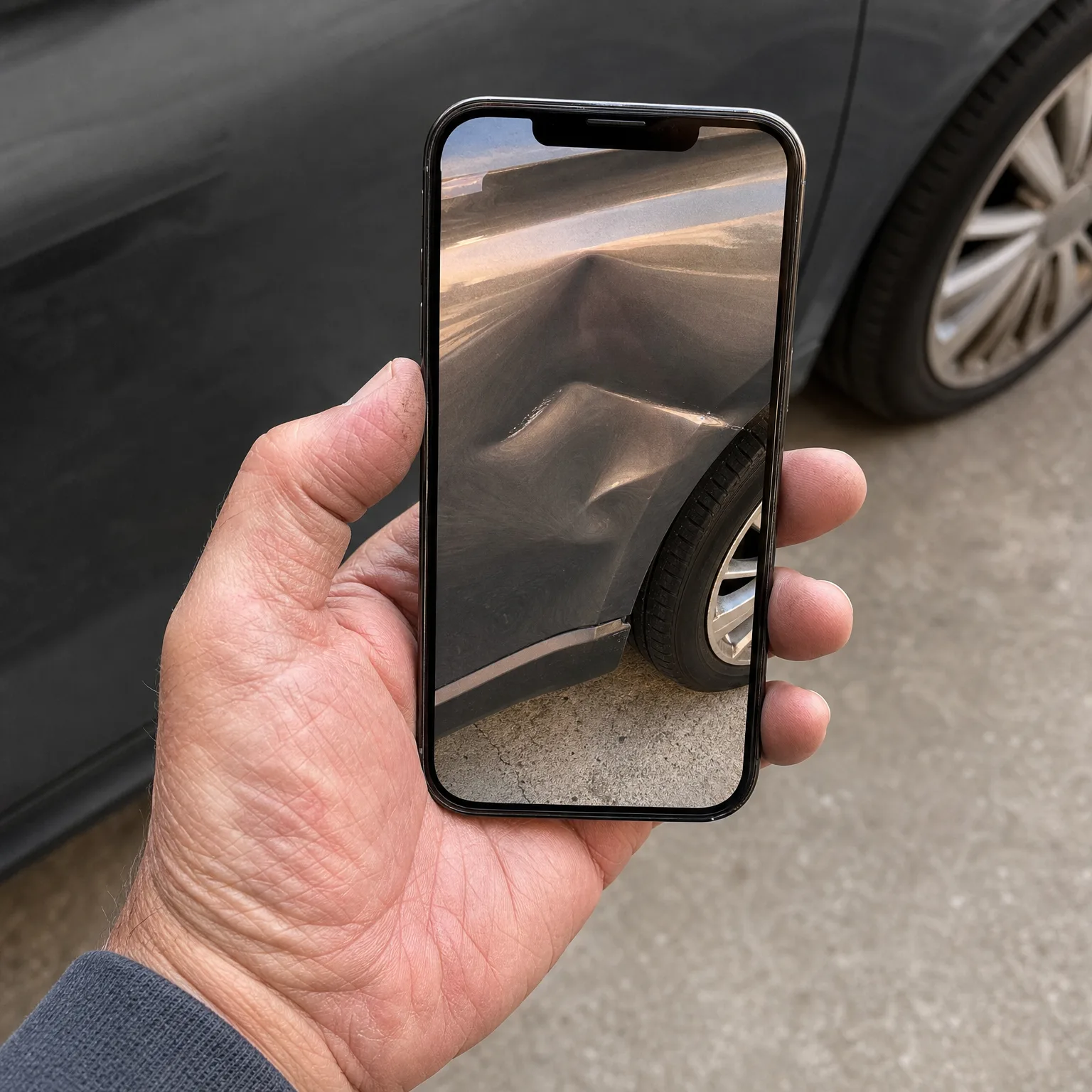
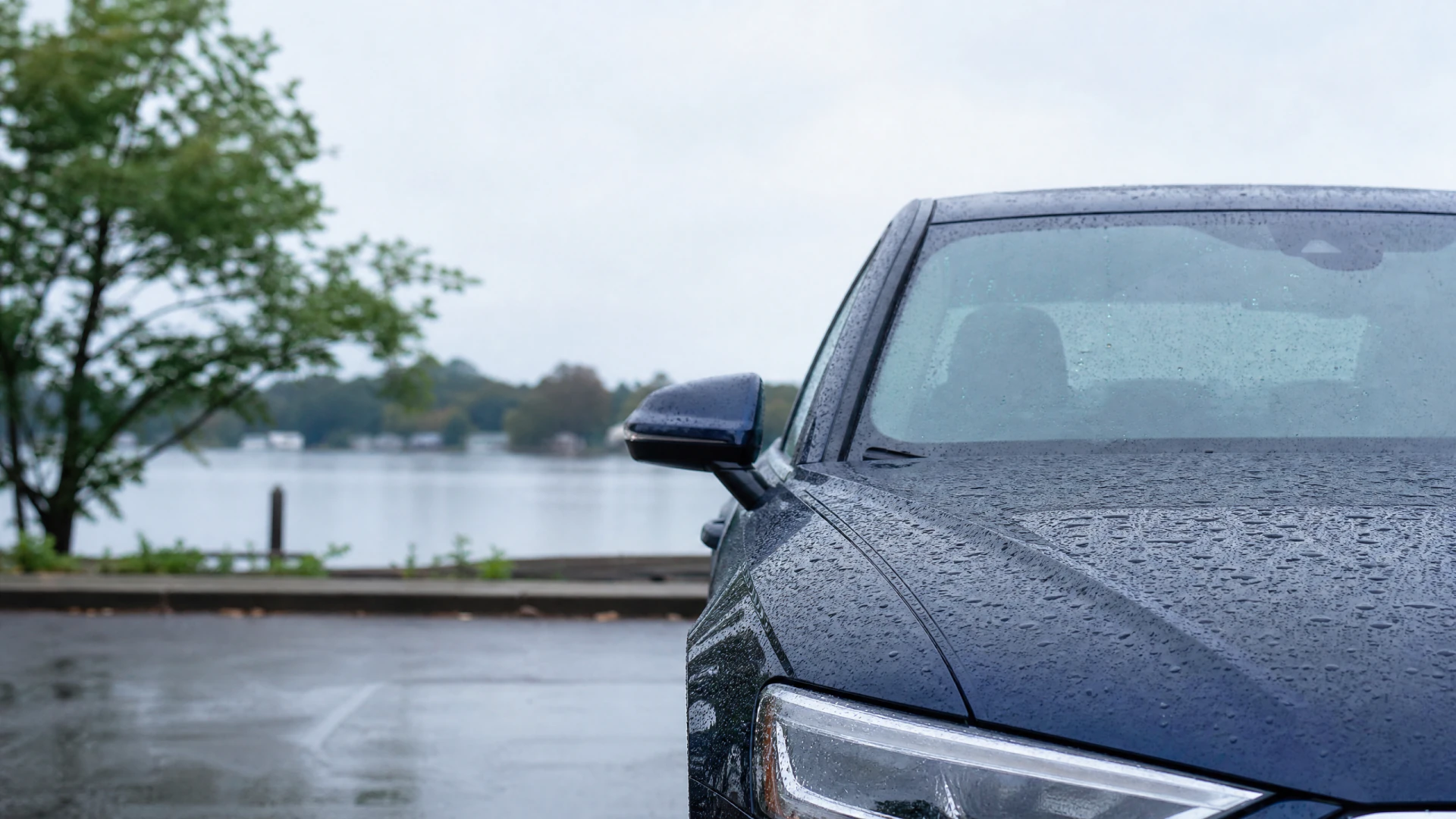
A hailstorm hits while your car is parked outside the grocery store and dents the hood.
This doesn't pay, since liability only covers damage you cause to others. Comprehensive coverage handles hail damage to your own car.
You swerve to avoid a deer at dusk on a county road and hit a road sign.
This pays for the damage to the sign or property, since you caused it, even though the deer started the chain of events.
Once you know what level of liability protection fits your situation, compare quotes at that limit to see what it actually costs.
Questions people ask about this
How much liability coverage do I actually need?
It depends mainly on what you have to protect, like savings, a home, or other assets, since a judgment against you can reach those if your limit falls short. A common approach is to carry enough to cover your net worth, or to add umbrella coverage once your assets grow beyond your auto limits. Check your policy to see your current limit and compare it against what you'd lose in a worst case claim.
Does liability insurance follow the car or the driver?
It generally follows the car first, then the driver, meaning if you lend your car to someone, your liability coverage usually applies if they cause an accident while driving it. This can vary depending on your policy's specific language, so it's worth checking your own policy for how it handles permitted drivers. If you regularly lend your car to someone outside your household, mention it to your insurer.
Can my liability limits be dropped if I stop driving often?
Insurers don't automatically lower your limits based on how often you drive, since the limit is about the size of a claim, not the frequency of trips. You can choose to lower your limit yourself, but doing so trades a small savings for less protection in the event of an accident. Think about what you're protecting before reducing a limit just because you drive less.
What happens if someone sues me for more than my liability limit?
If a judgment exceeds your limit, you're personally responsible for paying the difference, which can mean using savings or other assets. This is the exact gap that umbrella coverage is designed to close, since it extends protection beyond your auto policy's limit. If this risk concerns you, ask about adding a layer of extra coverage rather than just raising your auto limit alone.
Do I need different liability limits if I only drive a short distance to town?
Driving less doesn't reduce the size of a potential claim, so limited driving by itself isn't a reason to lower your limits. The risk in any single accident is about who you hit and what's damaged, not how many miles you log in a year. If your driving has dropped significantly, it may be worth asking about other discounts, but your liability limit should still match what you need to protect.