Property Damage Liability for Seniors
Property damage liability pays to repair or replace someone else's car, fence, mailbox or building when you're found at fault for an accident.
What it pays for
Covers
- Another driver's car If you cause a crash, it pays to repair or replace the other vehicle.
- Fences and structures If you run into a fence, garage, mailbox or storefront, it covers the repair.
- Other people's property in the car If the other driver had something of value damaged in the crash, like equipment or cargo, it can be included in the claim.
- Legal costs if you're sued If the person you hit sues over the damage, this coverage pays for your defense and any judgment up to your limit.
- Damage from a car you lent If someone else was driving your car with your permission and caused damage, your policy responds the same way.
Doesn't cover
- Your own car Damage to your own vehicle is covered by collision coverage, not this one.
- Your own injuries Your medical costs are handled by health insurance, medical payments coverage or personal injury protection, depending on your state.
- The other driver's injuries Those costs fall under your bodily injury liability coverage, a separate line on your policy.
- Damage above your limit If the damage costs more than your coverage limit, you're personally on the hook for the rest.
- Damage you didn't cause If the other driver is at fault, their property damage liability is the one that pays, not yours.
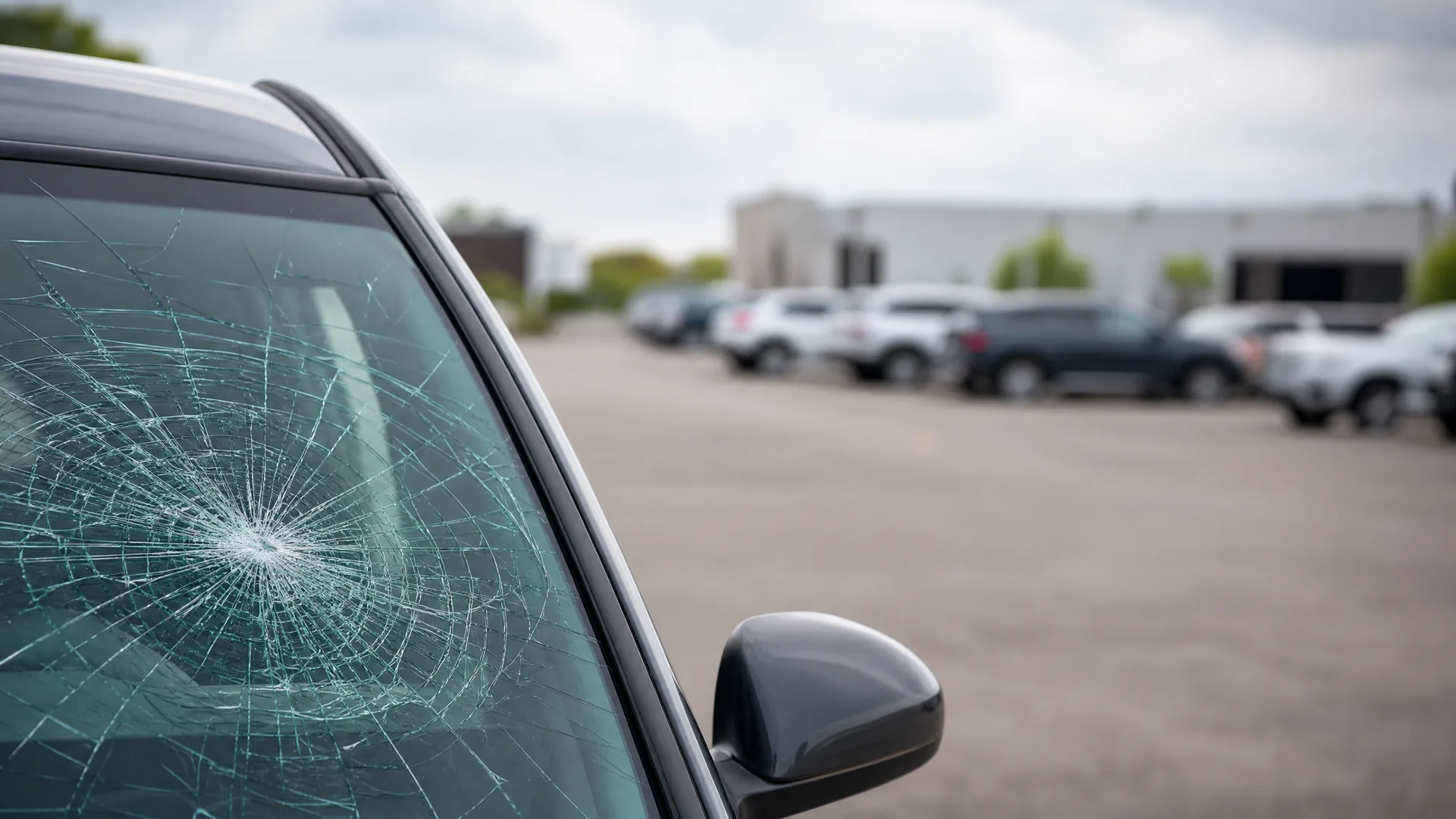
Yes, keep it, and keep the limit high enough to matter
This isn't a coverage you drop as you get older. It protects what you own, not the car you're driving. If you ever cause an accident, the other person's vehicle or property is what this pays for, and that bill has nothing to do with how old your own car is.
What matters more at this age is whether your limit is still set low. Many older policies were set up decades ago, when a low limit was common and cars cost less to repair. Today's vehicles are expensive to fix, with sensors and cameras built into bumpers and fenders, so a modest limit can fall short after a single accident involving a newer car.
Think about what you have to protect. If you own a home, savings or retirement accounts, a judgment against you for damage beyond your limit can reach those assets. A higher limit costs little compared to what it protects, and it's one of the few places on the policy where raising coverage rarely requires raising the premium by much.
How much you drive matters too. If you've cut back on driving, especially at night or in heavy traffic, your actual risk of causing an accident may be lower than it once was. That can be a reason to review your limit and your overall policy, but it's not a reason to drop this coverage altogether.
How a claim actually works
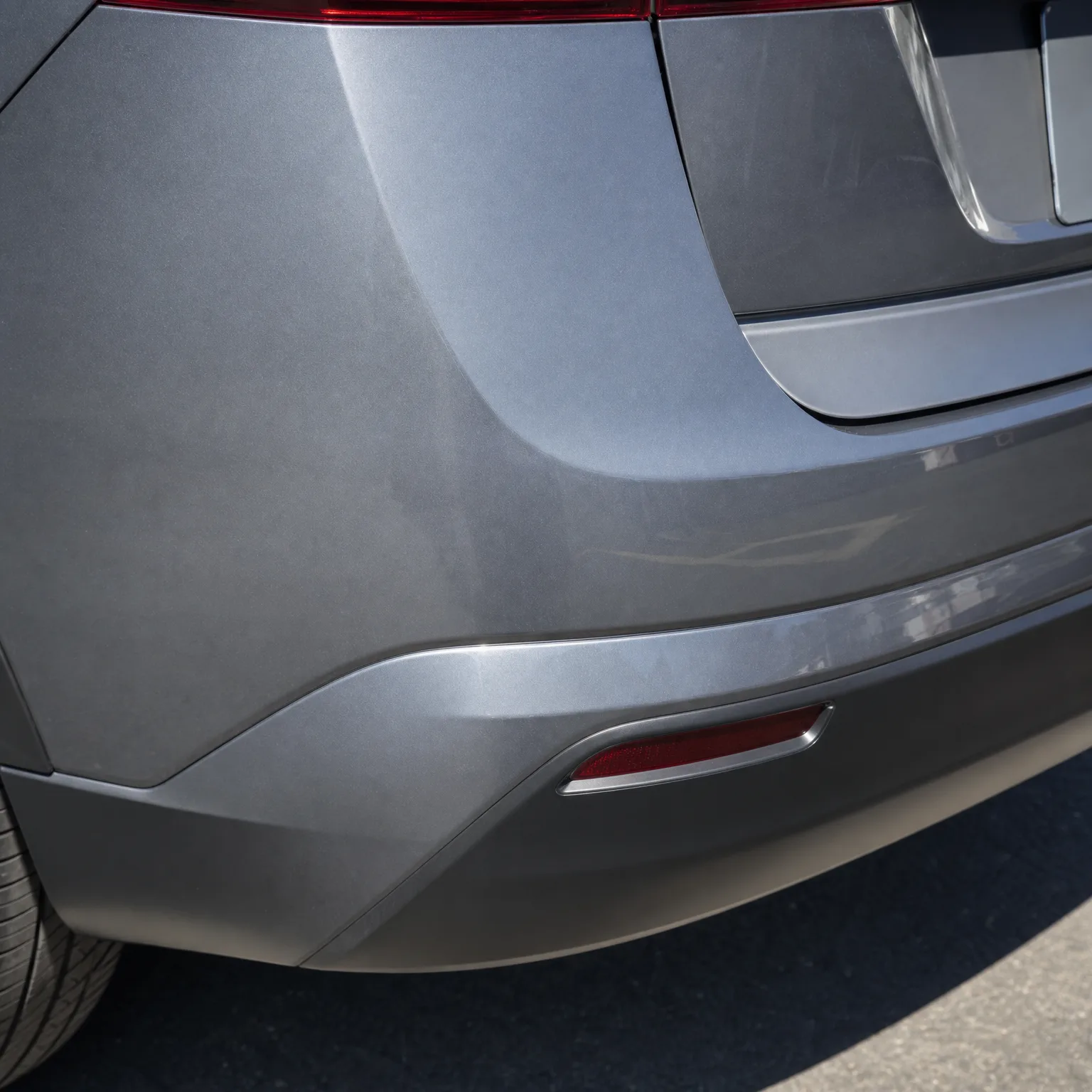
This coverage doesn't have a deductible for you to pay, since it's paying for someone else's damage, not yours. The person you hit, or their insurer, files a claim against your policy, and your insurer investigates to confirm you were at fault.
Once fault is settled, your insurer pays to repair or replace the damaged property, up to your coverage limit. If the damage is a vehicle, the payment usually goes to the repair shop or to the other driver's insurer directly. If it's a fence, building or other structure, the owner or their insurer is paid instead.
Have your policy number, the other person's contact and insurance information, and any photos from the scene ready when you report the claim. A police report helps too, especially if fault is unclear or the other party disputes it.
If the damage costs more than your limit, you're responsible for the difference personally. That's the main reason to make sure your limit reflects what a modern repair actually costs, not what it cost when you first bought the policy.
Property damage liability vs. collision coverage
Property damage liability
This pays for damage you cause to someone else's car or property. It only applies when you're at fault, and it never pays to fix your own vehicle.
Collision coverage
This pays to repair or replace your own car after an accident, regardless of who caused it. It comes with a deductible you choose, and it only makes sense if your car is worth enough to justify carrying it.
If your car is older and worth little, you might drop collision, but property damage liability stays on your policy either way, since it protects what you could owe others.
Real situations
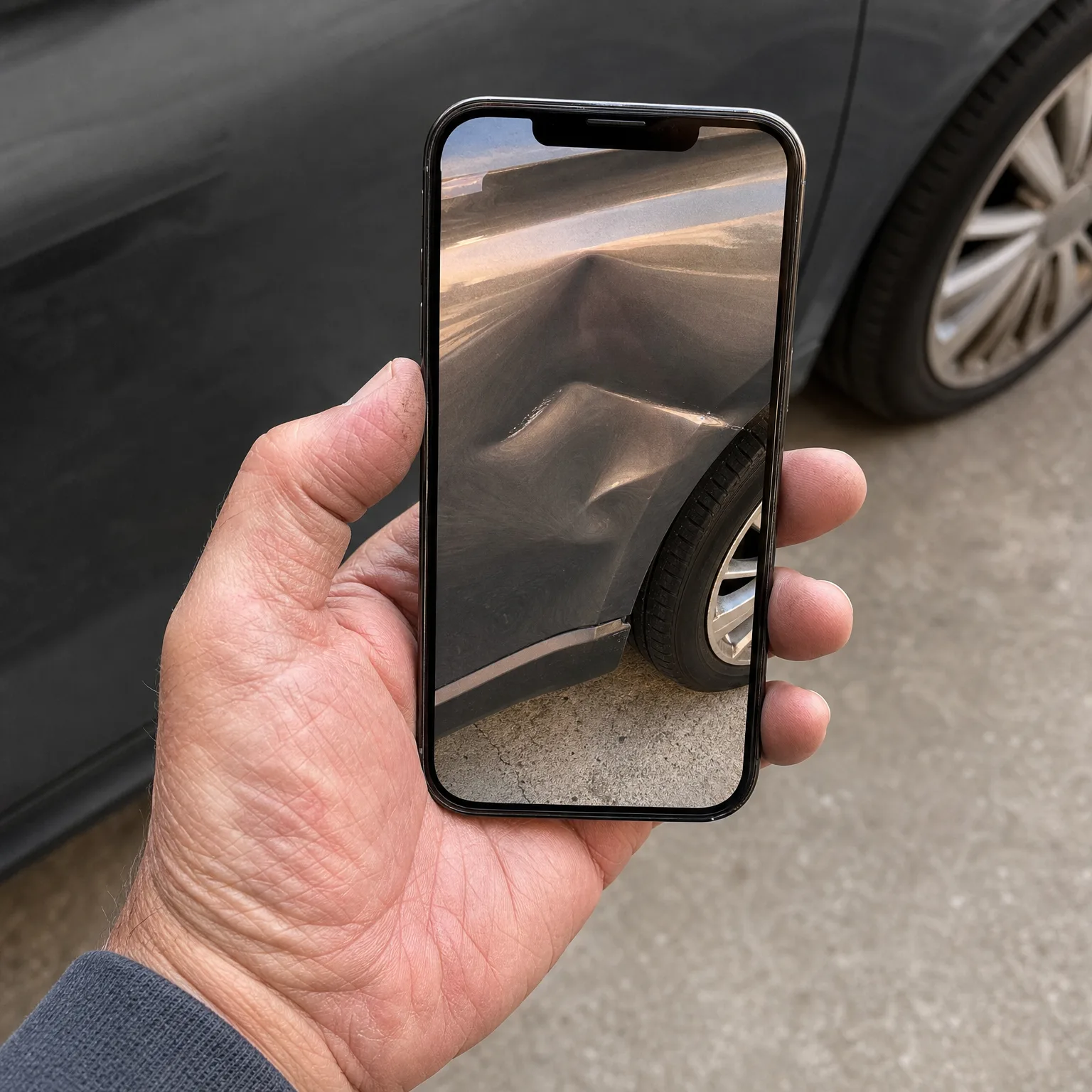
You're pulling out of a parking space at the pharmacy and clip a sedan parked next to you, denting its door.
This coverage pays to repair the other car's door since you caused the damage.
A hailstorm hits while your car is parked at church and dents the hood and roof.
This coverage doesn't pay here, since nobody caused the damage and your own car is what's damaged; comprehensive coverage would apply instead.
You swerve to avoid a deer at dusk on a county road and end up in a neighbor's fence.
This coverage pays to repair the fence, since you're responsible for the damage even though the deer started it.
Once you've decided what limit makes sense for what you have to protect, you can compare quotes with that number already in mind.
Questions people ask about this
How much property damage liability coverage do I need?
Enough to cover what you could lose if you're sued, which usually means looking at your savings, home equity and other assets rather than just the cost of an average car. A low limit might save a little now but leave everything else exposed if a judgment goes above it. It's worth reviewing this figure every few years rather than leaving it at whatever was set when the policy started.
Does property damage liability cover a rental car I was driving?
Usually yes, if you were at fault while driving a rental car and caused damage to another vehicle or property, your own property damage liability applies the same way it would in your own car. Check your policy for any exclusions around rental use, since some policies handle this differently. The rental company's own damage waiver is a separate question that covers the rental car itself, not the other party's property.
Can I be sued for more than my property damage liability limit?
Yes, if the damage costs more than your limit, the other person can pursue you personally for the difference. This is why many people choose a limit well above the minimum, along with an umbrella policy if they have significant assets to protect. Checking your limit against what a serious accident could realistically cost is worth doing periodically.
Does property damage liability affect my insurance rates after a claim?
It can, since an at-fault accident that triggers this coverage is usually recorded as a chargeable claim and may raise your premium at renewal. How much it rises varies by insurer and by your claims history, so it's worth asking your agent directly. Some insurers offer accident forgiveness for long-time policyholders, which can soften the effect.
Do I still need property damage liability if I rarely drive anymore?
Yes, because the requirement to carry it, where required, isn't based on how often you drive, and the risk it covers applies any time you're on the road at all, even briefly. If you've cut back significantly, it may be worth discussing a lower-mileage policy with your insurer, which can reduce your premium without dropping this coverage. Whether this coverage is required at all varies by state, so check your own policy.