Liability Limits for Seniors in Minnesota
Liability limits are the dollar caps on what your insurance will pay if you cause an accident that hurts someone else or damages their property.
What liability coverage pays for
Covers
- Injuries to other people Medical bills, lost income, and related costs for someone you hurt in an accident you caused.
- Damage to other vehicles Repair or replacement costs for the other car, truck, or motorcycle involved.
- Damage to property If you hit a fence, a mailbox, a building, or someone's garage, this is what pays for it.
- Your legal defense If the other driver sues you over the accident, this coverage pays for a lawyer and court costs.
- Settlements up to your limit If a claim settles, the payout comes from this coverage as long as it stays under what you chose.
Doesn't cover
- Your own injuries Liability only pays for the other person. Your own medical costs come from health insurance or a separate auto coverage.
- Damage to your own car Repairs to your vehicle come from collision or comprehensive coverage, not liability.
- Costs above your limit If the damage or injury costs more than your limit, you're personally responsible for the rest unless you have extra coverage.
- An uninsured driver who hits you That's handled by uninsured motorist coverage, a separate line on your policy.
- Intentional damage Liability is for accidents. If you caused harm on purpose, it isn't covered.
Most drivers this age should carry more than the state minimum, not less
The minimum limits that satisfy the law were set with an old, inexpensive car in mind, not what it actually costs to total a modern vehicle or cover a serious injury. If you own a home, have savings, or still have income, a lawsuit can reach those assets if your liability limit runs out first. Higher limits are one of the cheaper ways to protect what you've built over a lifetime.
How much you drive matters less here than people think. Even someone who only runs errands a few times a week faces the same risk per mile as anyone else, and the cost of a bad accident doesn't go down because you drive less often. What matters more is what you have to lose if a claim goes against you.
If your car is older and nearly worthless, you might be tempted to cut corners on your policy overall, but liability isn't the place to do it. Liability protects your assets, not your car, so the value of the vehicle you drive has almost nothing to do with how much liability coverage makes sense for you.
If you've stopped driving long distances or rarely leave your town, that can lower your overall risk a bit, but it doesn't change what a single bad accident could cost you. The decision comes down to what you'd have left if you had to pay a judgment yourself.
What happens when you actually use it
Liability coverage doesn't have a deductible the way collision or comprehensive does. There's no out-of-pocket cost to you before it pays, since the money goes to the other person, not to you.
After an accident, your insurer investigates who was at fault and how much the damage or injury is worth. If you're found responsible, they negotiate with the other driver or their insurer and pay the claim directly, up to your limit.
Have your policy information ready at the scene, along with photos and the other driver's information. Your insurer will want a written account of what happened, and a police report helps settle disputes about fault.
If a claim is likely to exceed your limit, your insurer will tell you, since that affects whether you need your own legal advice. This is rare, but it's the exact situation higher limits are meant to prevent.
Liability versus collision coverage
Liability coverage
Pays for harm you cause to other people and their property. It doesn't pay for anything that happens to your own car.
Collision coverage
Pays to repair or replace your own car after an accident, regardless of who caused it. It has its own separate deductible and only makes sense if your car is worth enough to justify it.
If your car is older and worth little, collision may not be worth keeping, but liability limits should stay high regardless of what your car is worth.
Real situations
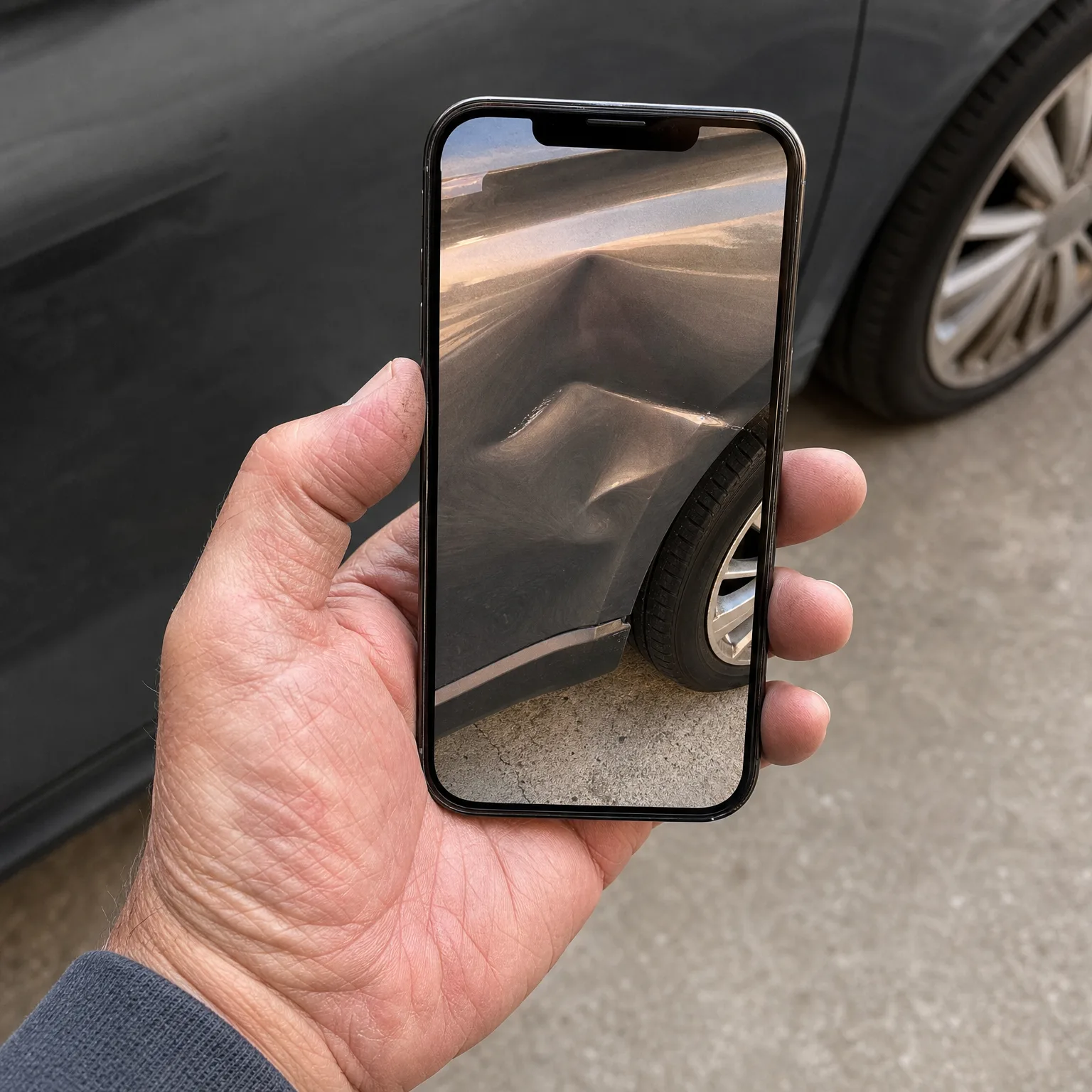
You're pulling out of a church parking lot and clip another car, denting its door.
Liability pays for the other car's repair since you caused the damage.
A hailstorm hits while your car is parked in your driveway overnight.
Liability doesn't pay here, since no other person or property was involved. Comprehensive coverage handles this.
A deer runs into the road at dusk and you hit it, damaging the front of your car.
Liability doesn't pay for this either, since there's no other driver involved. Comprehensive coverage is what applies.
Once you know what limit you're comfortable with, compare quotes at that same limit so you're judging price against price, not coverage against coverage.
Questions people ask about this
How do I know what liability limit I already have?
Check your insurance card or your policy declarations page, where the limits are listed as numbers separated by slashes. If you can't find it, call your agent or insurer and ask them to read it to you. It's worth confirming this directly rather than assuming, since many people carry whatever limit they were given years ago.
Does raising my liability limit affect my premium much?
It usually raises your premium by a modest amount compared to the jump in protection you get. Ask your agent to quote a few different limits side by side so you can see the actual difference for your situation. The jump from a low limit to a moderate one is often smaller than people expect.
Can someone sue me for more than my liability limit covers?
Yes, if a judgment exceeds your limit, you're personally responsible for the difference. This is the main reason people choose higher limits as they accumulate savings or own a home. An umbrella policy is another way to add protection beyond your auto liability limit.
Should I drop liability coverage if I rarely drive anymore?
No, liability coverage is generally required to legally drive or register a vehicle, regardless of how often you use it. Whether it's required at all depends on your state, so check your own policy or ask your insurer. If you've stopped driving entirely, the better question is whether to keep the car insured and registered at all.
Does my liability coverage follow me if I drive someone else's car?
In most cases your liability coverage extends to you when you drive another person's car with their permission, but this can depend on the details of your policy. Their insurance is usually considered primary, with yours acting as backup. Check your policy or ask your insurer to be sure how this works for you specifically.