Split Limit Liability Coverage
Split limit liability coverage pays for injuries and property damage you cause to others, broken into three separate dollar limits instead of one combined number.
What split limit liability pays for
Covers
- Injuries to one person This is the most your insurer pays for one injured person in an accident you caused.
- Injuries to everyone in the accident This is the total available for all injured people combined, even if several people were hurt.
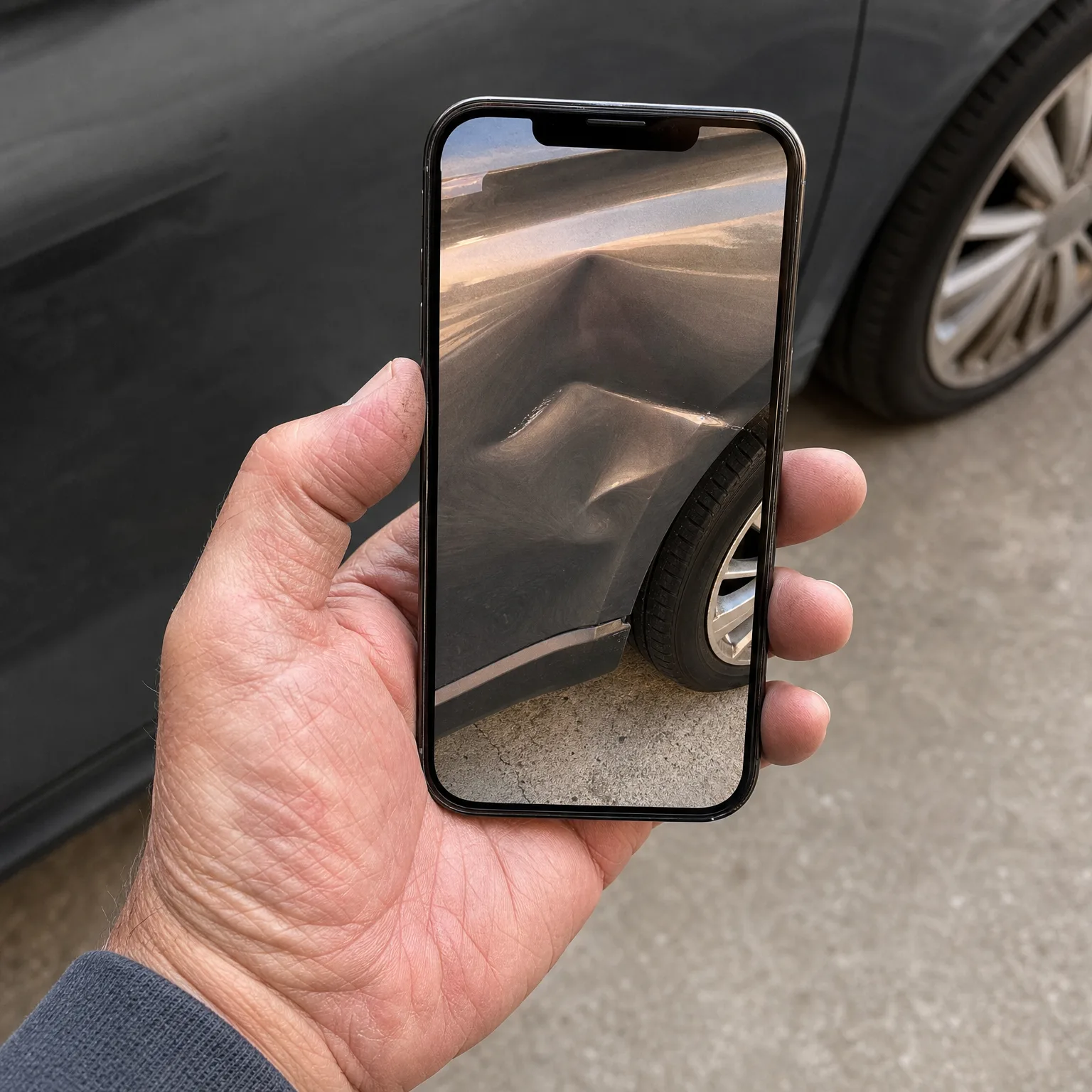
- Damage to other property This pays to repair or replace the other car, a fence, a mailbox, or anything else you damaged.
- Your legal defense If the other driver sues, your insurer typically provides and pays for a lawyer as part of this coverage.
- Medical bills for the other driver and passengers Their emergency room visit, surgery, or physical therapy gets paid from the injury limits, not your own health insurance.
Doesn't cover
- Your own car Liability only pays for the other person's vehicle. Your own repairs come from collision coverage if you carry it.
- Your own injuries This coverage pays other people, not you. Your medical bills after an accident you caused come from your health insurance or personal injury protection if you have it.
- A hit and run with no other driver found With no at fault driver identified, there's no one's liability coverage to pay the claim. Uninsured motorist coverage is what responds here.
- Damage from weather, animals, or theft Liability only applies when you're legally at fault for hurting someone or damaging their property. Comprehensive coverage handles those other events.
- A passenger in your own car Depending on the situation, this can fall under your injury liability limits or under medical payments coverage, so it's worth knowing which applies.
Yes, you need this, and the real question is how high to set the limits
Almost everyone keeps this coverage because it's required nearly everywhere a car is registered and driven. The real decision at this stage of life isn't whether to carry it, it's whether your limits still match what you have to lose.
Think about what you own now, not what you owned when you first bought this policy. A paid off house, retirement savings, and decades of accumulated assets are all exposed if you cause a serious accident and your liability limits run out. Low limits made more sense when you had less to protect.
How much you drive matters too. Someone who still commutes or takes long highway trips has more exposure than someone who drives to the grocery store and back a few times a week. Less time on the road lowers your odds of causing a serious accident, but it doesn't eliminate them, and a bad accident only has to happen once.
If your assets have grown over the years, raising these limits is usually one of the more affordable changes you can make to a policy. It's worth asking what higher limits would cost compared to what you'd be personally on the hook for if a judgment exceeded your old ones.
How a liability claim actually plays out
There's no deductible on your side for liability coverage, because this isn't paying for your own damage. The limits simply cap what your insurer will pay out on your behalf.
After an accident where you're at fault, the other driver or their insurer files a claim against your policy. Your insurer investigates, determines fault, and if you're responsible, pays the other party's medical bills and property damage up to your limits. If a lawsuit follows, your insurer typically assigns and pays for your legal defense as part of this same coverage.
What it won't do is pay you back for anything. Your own car repairs and your own medical bills are handled through other parts of your policy, if you have them, not through liability.
Have your policy number, the other driver's information, and a clear account of what happened ready when you report a claim. If the damage or injuries are serious, it also helps to know your actual limits ahead of time, since that shapes what happens if the claim gets close to them.
Split limit liability versus combined single limit liability
Split limit liability
This divides your liability coverage into three separate caps: one for each injured person, one total for all injuries combined, and one for property damage. If one category runs out, money from another category can't be used to cover it.
Combined single limit liability
This replaces the three separate numbers with one large total that can be used across injuries and property damage in whatever combination a claim requires. It offers more flexibility when one person is badly hurt or one car is very expensive.
If you want simplicity and more flexibility in a serious accident, combined single limit is worth asking about. If you want to understand exactly what you're buying and keep costs predictable, split limits are easier to read.
Real situations
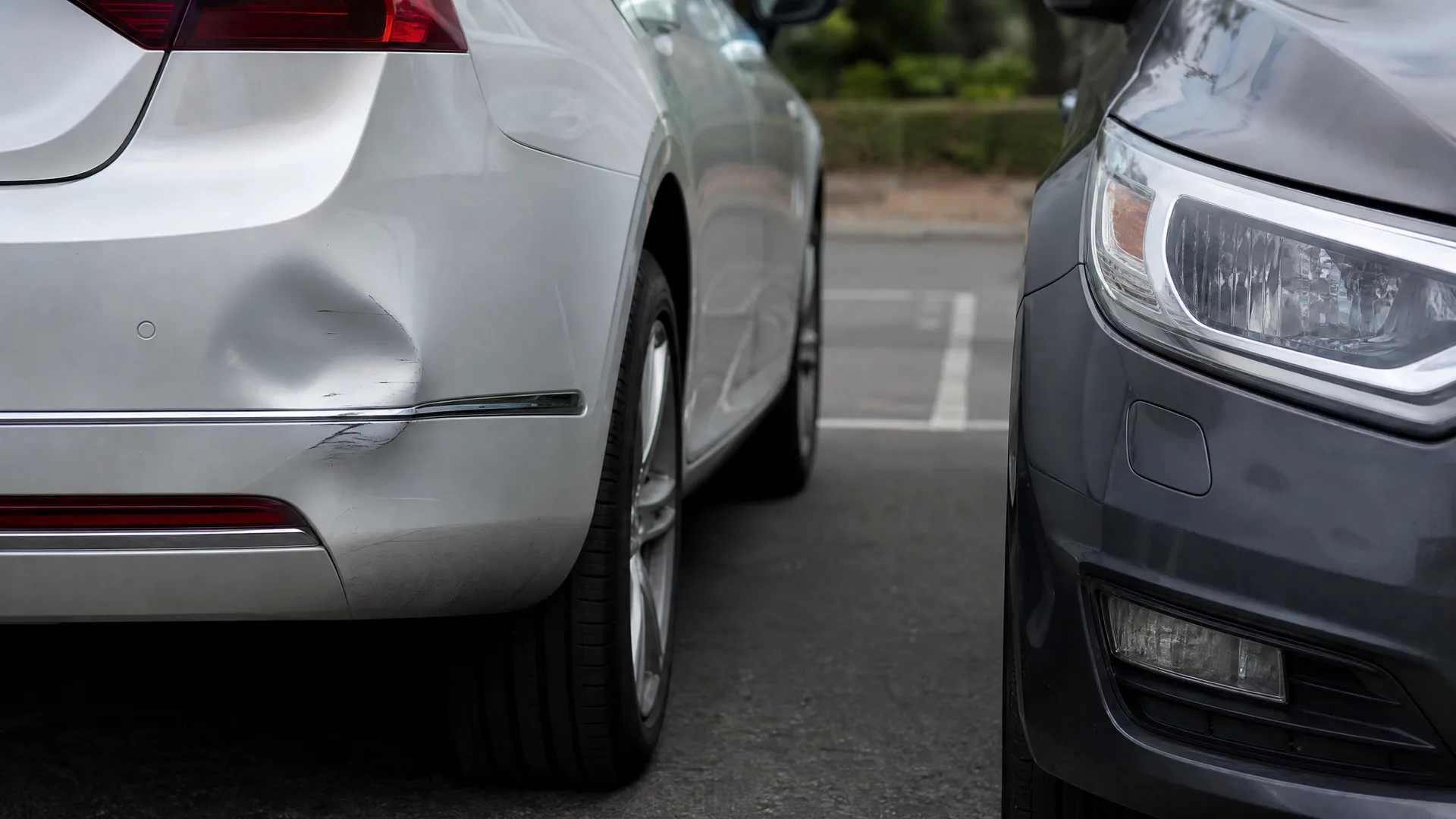
You're pulling out of a parking lot at a shopping center and don't see a car coming, causing a crash that injures the other driver.
Pays, since you're at fault and their injuries and car damage fall under your injury and property limits.
A hailstorm damages your car while it's parked outside during a church service.
Doesn't pay, since no one is at fault here. This is a comprehensive coverage claim instead.
You swerve to avoid a deer on a county road at dusk and strike another vehicle, injuring the driver.
Pays, since you caused the accident and their injuries fall under your liability limits.
Once you know whether your liability limits still match what you have to protect, you're ready to compare quotes with that number already decided.
Questions people ask about this
What happens if my liability limits aren't enough to cover the accident?
You can be held personally responsible for the remaining amount. This is why many people raise their limits as their savings and assets grow, since the gap between your coverage and your net worth is what's actually at risk.
Does split limit liability cover a rental car I was driving?
Often yes, since liability coverage usually follows you as the driver rather than the specific car, but this depends on your policy and the rental agreement. Check your declarations page or ask your insurer directly before you rely on it.
Can I be sued for more than my liability limits?
Yes, a lawsuit isn't capped by your policy limits. If a judgment exceeds what your insurer pays, you're responsible for the difference out of your own assets, which is part of why limit size matters as you accumulate savings.
Do I still need liability coverage if I rarely drive anymore?
Yes, as long as the car is registered and could be driven, you need it. Reduced driving lowers your risk but doesn't remove the requirement or the exposure from the one accident that does happen.
How do I know what my current liability limits are?
Check your policy's declarations page, where the three numbers are listed in order for per person injury, total injury, and property damage. If you can't find it or don't understand it, your insurer or agent can walk through it with you.