Liability Coverage Limits for Seniors
Liability coverage limits are the most your policy will pay for injuries or damage you cause to someone else, and anything above that comes out of your own pocket.
What liability limits actually set the ceiling on
Covers
- Injuries to other people If you cause a wreck and hurt someone, this is the most your insurer will pay toward their medical bills, lost income, or a settlement.
- Damage to their property This covers the other driver's car, a fence, a mailbox, or anything else you hit, up to the limit you chose.
- Your legal defense If you're sued over the accident, your insurer typically pays for a lawyer and court costs, usually on top of your stated limits.
- Multiple people in one accident Many policies split the limit between a per-person cap and a total per-accident cap, so one badly hurt passenger can use up more of it.
- Accidents where you're found at fault Liability only pays when you're the one responsible, which is why it's often paired with other coverage for your own car.
Doesn't cover
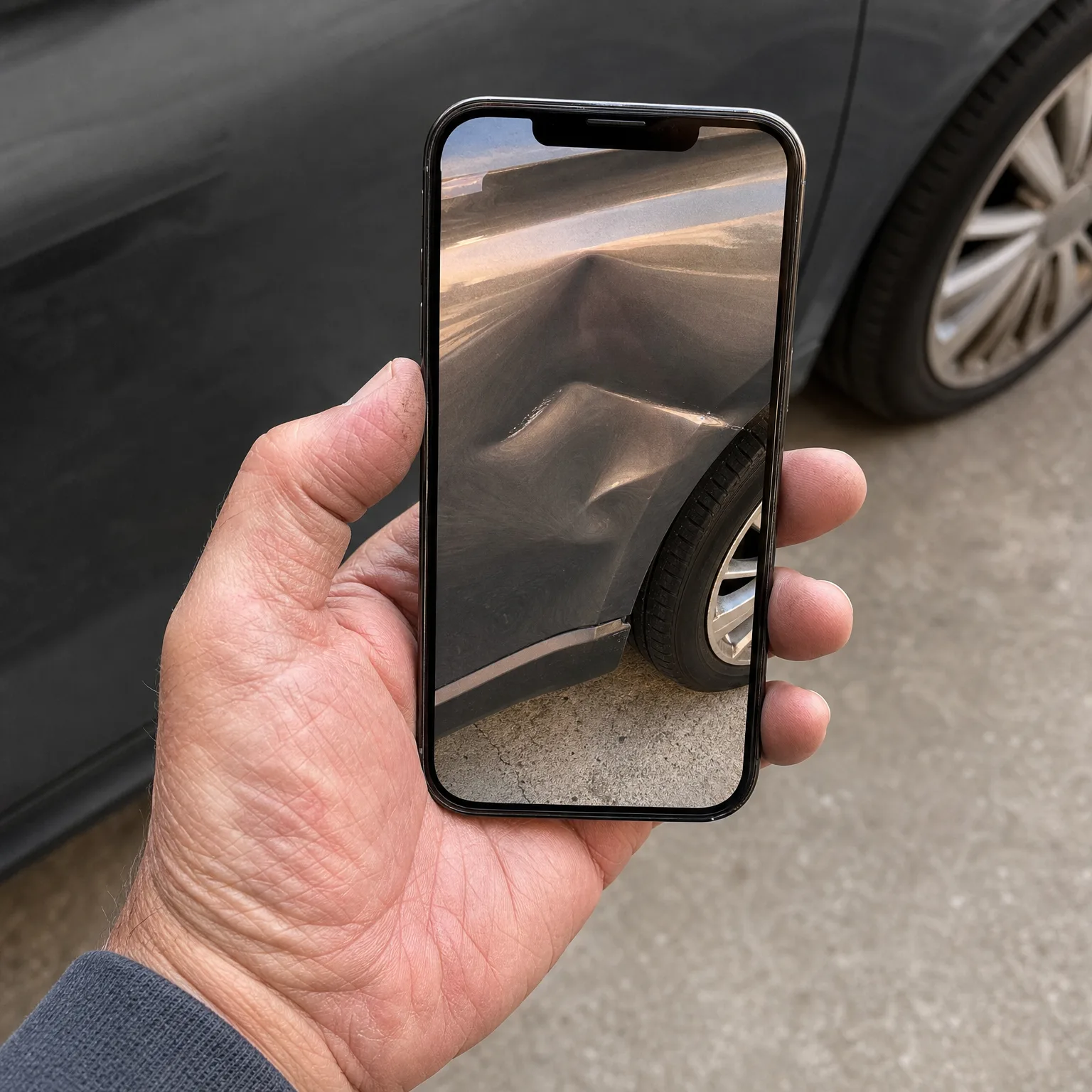
- Your own car's repairs Liability never pays to fix your vehicle; that's what collision coverage is for.
- Your own medical bills Your injuries are handled through medical payments coverage, personal injury protection, or your health insurance, depending on what you carry.
- A hit from an uninsured driver If someone else hits you and has no insurance, that's covered separately by uninsured motorist coverage, not by your liability limits.
- Weather, theft, or animal strikes Those are comprehensive claims, since no other driver is at fault for a hailstorm or a deer running into the road.
- Damage above your chosen limit Once a claim exceeds your limit, you're personally responsible for the rest, which is the whole reason the limit matters.
Yes, this is worth keeping, and worth setting higher than the minimum if you can
Liability isn't optional in the way comprehensive or collision can become once a car is old. It protects what you own, not the car. If you have savings, a house, or any other assets, a serious accident could put all of it at risk if your limit is too low to cover the claim.
This matters more, not less, as you get older. Many drivers in their sixties and beyond have built up more savings and home equity over the years than they had when they first bought a policy, yet they're still carrying limits chosen decades ago. The amount worth protecting has grown even if the limit on the policy hasn't.
How much you drive still factors in, but it argues for keeping solid limits rather than dropping them. Fewer miles means fewer chances of causing an accident, which is good, but it doesn't reduce what a single bad accident could cost you if it happens. One at-fault accident involving a serious injury can outstrip a low limit easily, regardless of how rarely you're on the road.
Where the car sits or how much it's worth doesn't really change this calculation, since liability isn't about your car at all. A paid-off car with little value might make you consider dropping comprehensive or collision, but it says nothing about whether your liability limit is enough to protect your savings.

How a liability claim actually plays out
There's no deductible on liability coverage, since you're not filing a claim for your own damage. The deductible concept only applies to coverage on your own vehicle, like collision or comprehensive.
When you're at fault, the other driver or their insurer files a claim against your policy. Your insurer investigates, determines fault, and if you're responsible, pays the other party's medical bills or repair costs up to your limit. You may be asked for your account of what happened and any information you have about the scene.
If the claim is large enough that a lawsuit is possible, your insurer typically assigns a lawyer to defend you, since defense costs are usually separate from your payout limit. You generally don't pay anything out of pocket during this process unless the claim exceeds your limit.
Have your policy details on hand after any accident, along with photos, a written account of what happened, and contact information for anyone involved. The clearer your record, the smoother the claim moves.
Liability limits versus underinsured motorist coverage
Liability coverage limits
This is what pays out when you cause an accident and someone else is hurt or their property is damaged. It protects your assets from a lawsuit or claim against you.
Underinsured motorist coverage
This protects you when someone else causes an accident but doesn't carry enough insurance to cover your injuries. It pays out of your own policy instead of theirs.
If you have real savings or property to protect, lean toward solid liability limits; if you're more worried about being hurt by an underinsured driver, make sure that separate coverage is in place too, since one doesn't substitute for the other.
Real situations
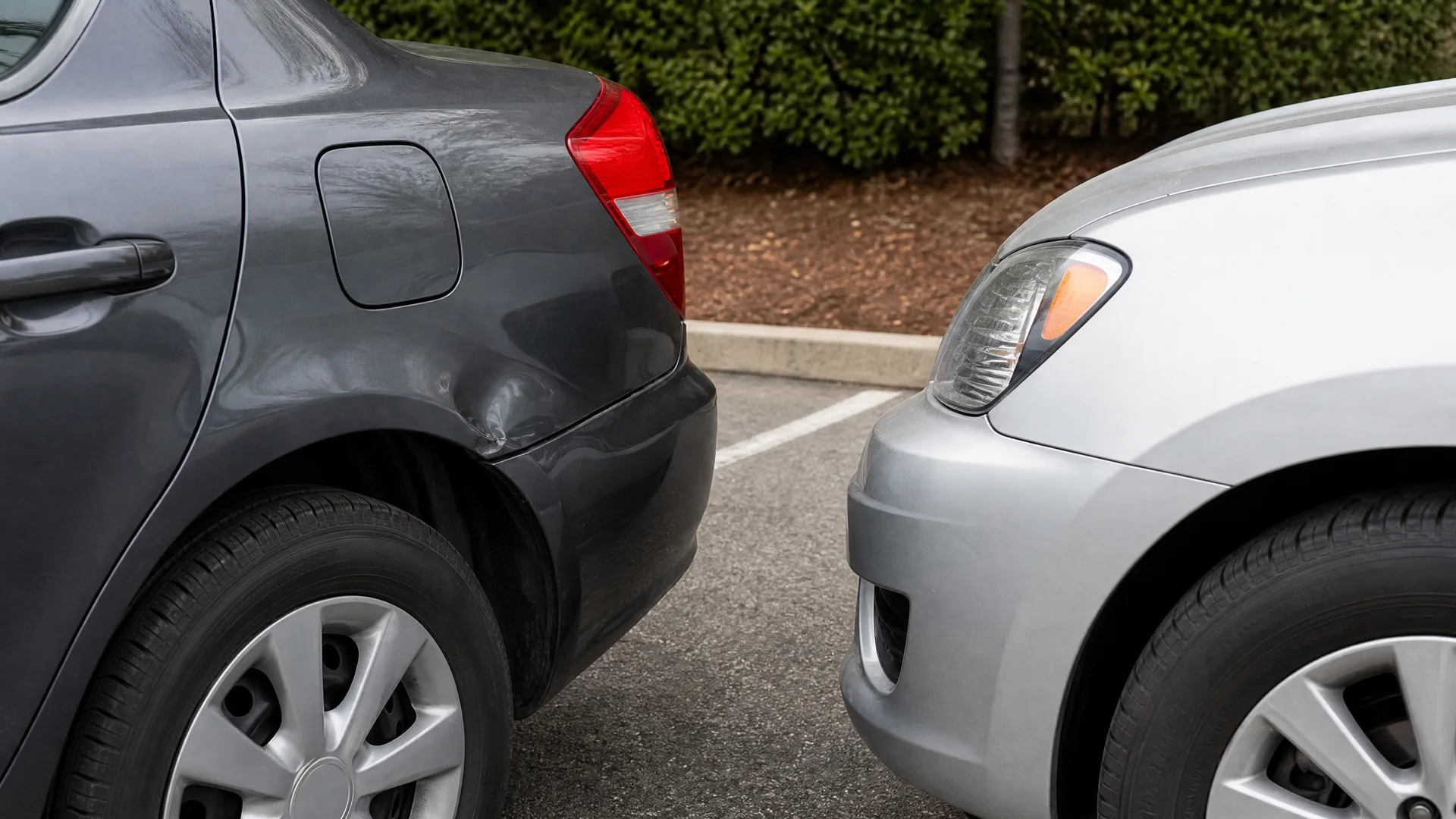
You back out of a parking space at the pharmacy and clip another car, denting its door.
This pays, since you're at fault and it's covering the other driver's repair costs.
A hailstorm hits while your car is parked at church and leaves dozens of small dents across the hood and roof.
This doesn't pay, since no one is at fault here; that's a comprehensive claim instead.
You're driving home at dusk on a county road and a distracted driver runs a stop sign, hitting your car and injuring you.
This doesn't pay for your injuries since you weren't at fault; the other driver's liability coverage, or your own uninsured motorist coverage if they lack enough, applies instead.
Once you know what limit you actually need, compare quotes at that limit instead of whatever number is already sitting on your policy.
Questions people ask about this
How much liability coverage do I actually need at my age?
Enough to cover what you'd lose if you were sued, which means looking at your savings, home equity, and other assets rather than your age itself. A good starting point is a limit that roughly matches or exceeds your net worth. Check your policy to see what you currently carry and compare it against what you actually have to protect.
Can I be sued for more than my liability limit covers?
Yes, if a judgment against you exceeds your limit, you're personally responsible for the difference. This is why many people with significant savings or property choose higher limits than the minimum. An umbrella policy is another option some people add once their regular limits feel too thin.
Does my liability coverage follow me if I drive someone else's car?
Often yes, but it depends on your policy and the situation, so this is worth checking directly rather than assuming. Permission to drive the car and whose policy is considered primary can both matter. Call your insurer or read your policy's language on this before you assume you're covered.
Will my liability limits change automatically as I get older?
No, your limits stay exactly where you or your insurer set them until someone actively changes them. Many older drivers are still sitting on limits chosen when they first got licensed or bought their first house. It's worth reviewing this every so often rather than assuming it adjusts on its own.
Should I drop liability coverage if I rarely drive anymore?
No, liability coverage is typically required to legally operate or even register a vehicle, and this requirement varies by state, so check your own state's rules. Even infrequent drivers can cause a serious accident, and the risk per mile doesn't really go down. If you're driving much less, it may make more sense to adjust coverage on the vehicle itself rather than your liability limits.