Liability Limits When You Rarely Drive
Liability limits are the most you're covered for when you cause an accident that hurts someone else or damages their property, and how much you drive doesn't change that math as much as people think.
What liability coverage pays for
Covers
- Injuries to other people If you're at fault in a crash, it pays for the other driver's or pedestrian's medical care up to your limit.
- Damage to their vehicle It covers repairs or replacement of the other car or property you hit, again up to your limit.
- Legal defense If you're sued over the accident, this coverage pays for your defense, usually in addition to your stated limit.
- Lost wages for the other party If the person you hit can't work because of injuries, their lost income is typically part of the bodily injury payout.
- Funeral and related costs In a fatal accident where you're at fault, liability coverage can pay toward funeral expenses as part of the claim.
Doesn't cover
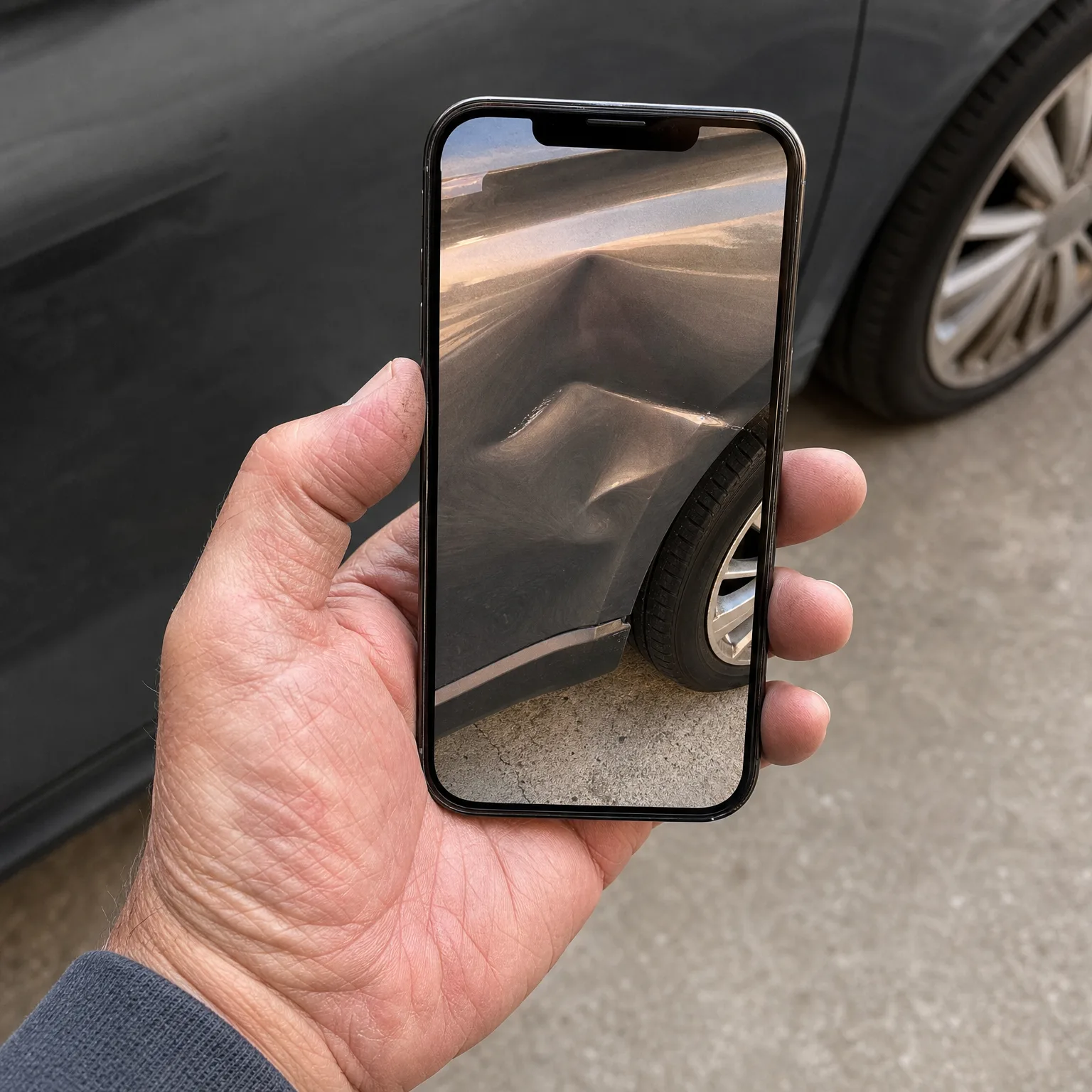
- Your own car's damage Liability never pays to fix your car. That's what collision coverage is for, and it's a separate line on your policy.
- Your own injuries Your medical bills after a crash you caused come from medical payments coverage or health insurance, not liability.
- A parked, unoccupied car getting hit If someone else hits your parked car, their liability coverage pays you. Yours doesn't come into play.
- Theft or vandalism Those losses fall under comprehensive coverage, which is priced and chosen separately from liability.
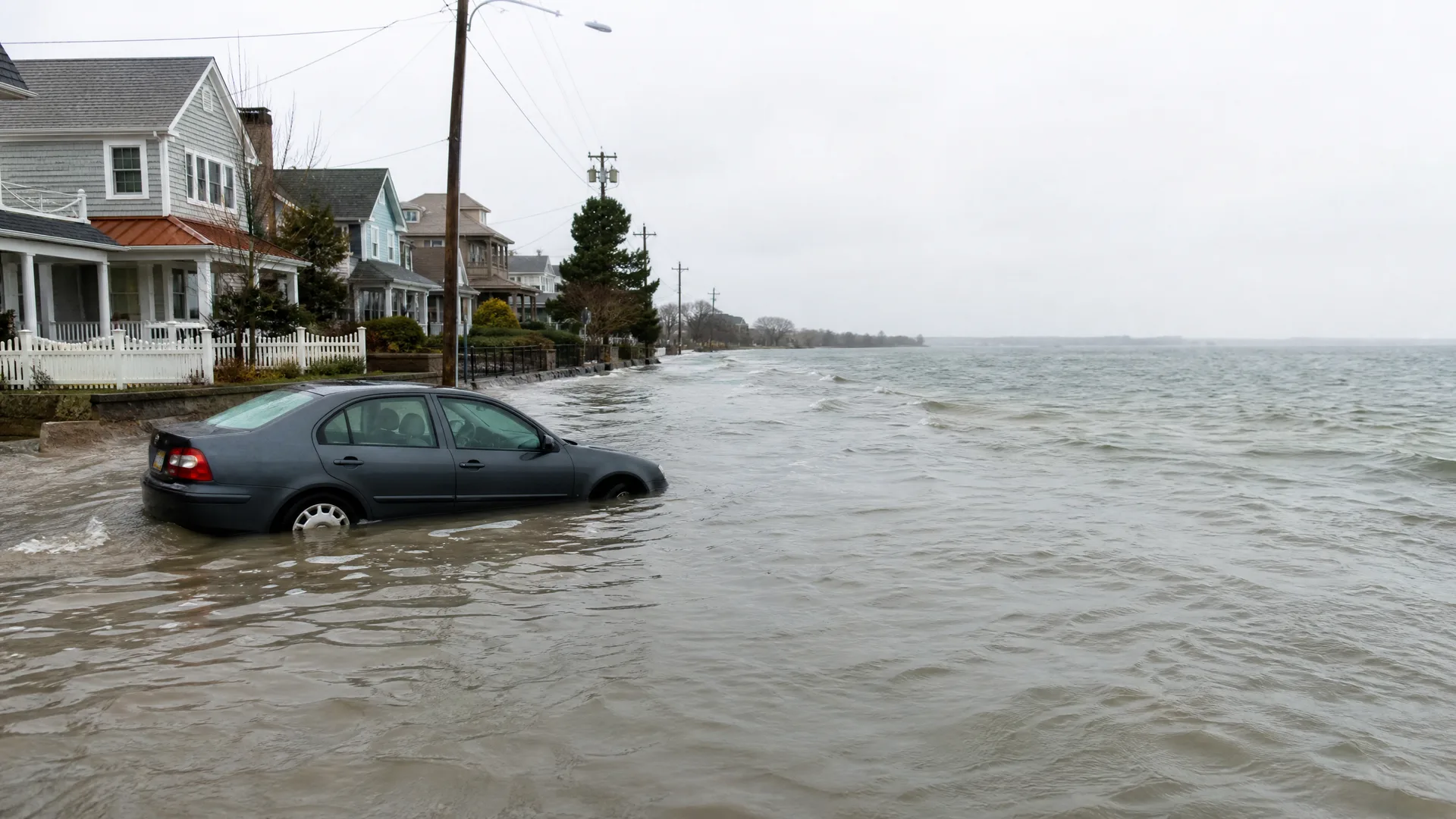
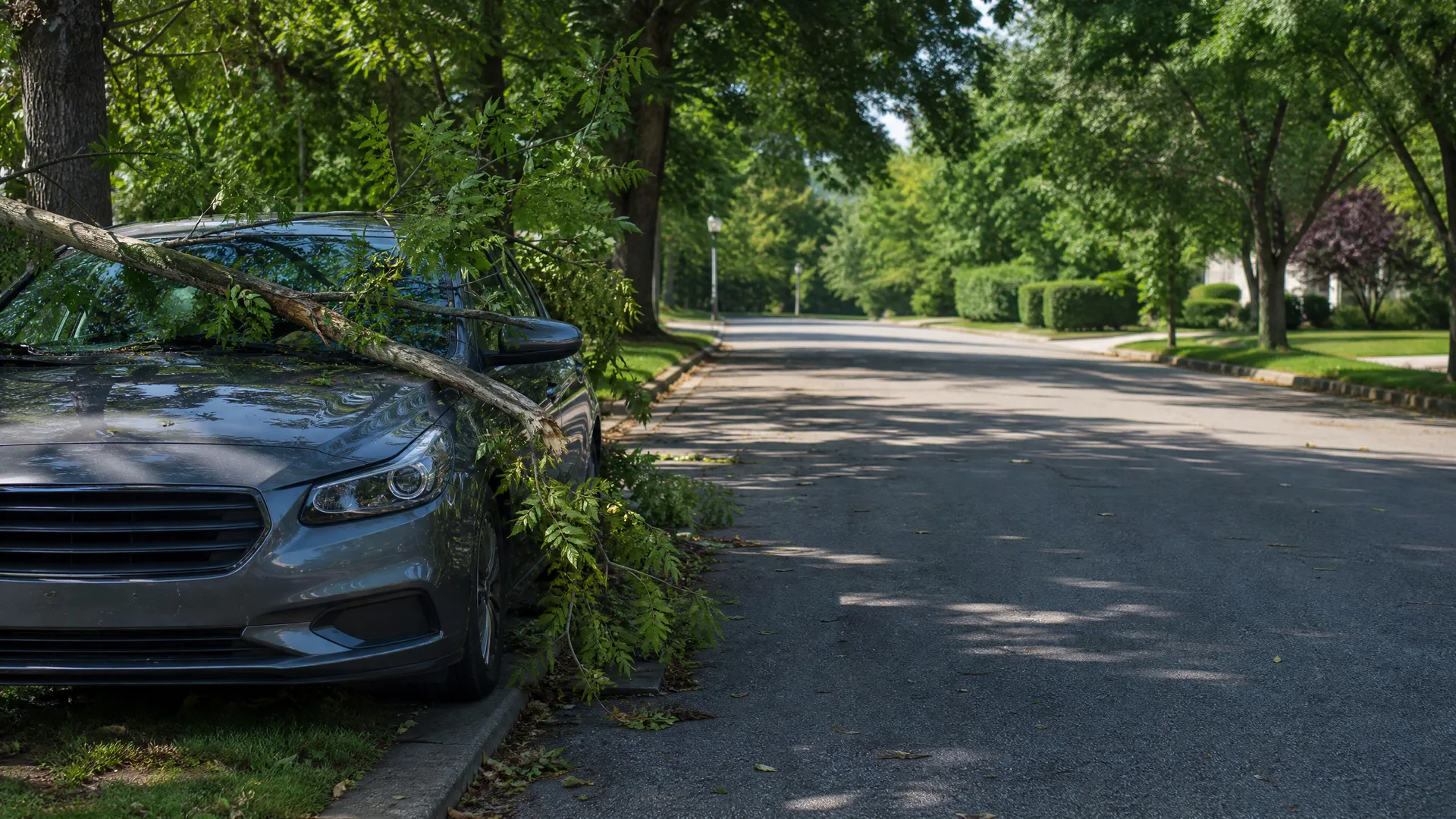
- Weather damage like hail or a fallen branch That's also comprehensive territory. Liability only responds when you're legally at fault for hurting someone else or their property.
Driving less doesn't mean you need less liability coverage
It's tempting to think that fewer miles means less risk, so lower limits should be fine. But liability isn't about how often you're on the road. It's about what happens the one time something goes wrong, and a serious injury claim can cost the same whether you caused it on your daily commute or on a once-a-month trip to the pharmacy.
What matters more is what you have to protect. If you own a home, have savings, or still have income or a pension that could be garnished, higher limits protect those assets from a lawsuit that goes beyond your coverage. Someone with little in the way of savings has less exposure, but most people in their sixties, seventies, and eighties have built up more than they realize over a lifetime.
Low mileage can genuinely lower your premium, and that's worth asking about. But that's a separate conversation from how much liability coverage you carry. Many drivers quietly let their limits stay at a state minimum set decades ago, not realizing it no longer matches what they'd lose in a serious claim today.
If you've gone from two cars to one, or you now drive mostly in daylight on familiar roads, it's a good time to look at the whole policy. But the answer for most older drivers who drive less is to keep solid limits, not to cut them.
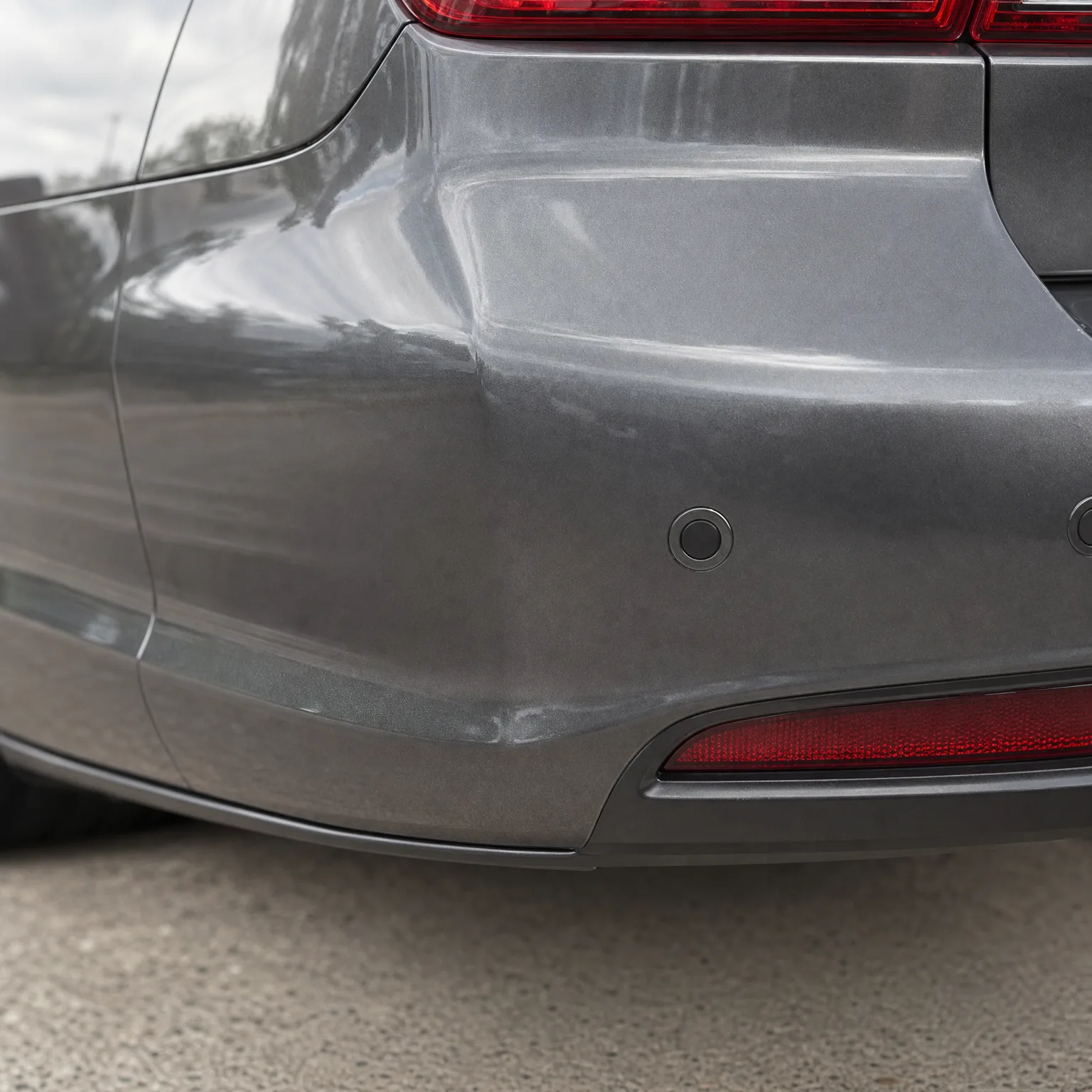
How a liability claim actually plays out
Liability coverage doesn't have a deductible that comes out of your pocket. The limit is simply the ceiling on what your insurer will pay for the other person's injuries or property damage from a crash you caused.
After an accident, you report it to your insurer, who investigates to determine fault. If you're found responsible, the insurer deals directly with the other driver or their insurance company to negotiate and pay their claim, up to your limit.
If the damages go beyond what your limit covers, you can be personally responsible for the rest. That's the scenario higher limits are meant to prevent, and it's worth having documentation ready, like your policy details and any accident report, in case a claim moves toward a larger settlement or lawsuit.
The payment goes to the other party, not to you. If your own car needs repair or your own injuries need treatment, those come from different parts of your policy, assuming you carry them.
Liability limits versus umbrella coverage
Liability Limits
This is the coverage built into your auto policy that pays for injuries or damage you cause to others, up to the limit you choose. It's required in some form almost everywhere, though exact rules vary by state.
Umbrella Policy
An umbrella policy sits on top of your auto liability limit and kicks in once that limit is used up, covering a much larger loss. It usually requires you to carry a minimum liability limit on your auto policy first.
If you have significant savings, a home, or other assets to protect, pairing strong auto liability limits with an umbrella policy makes more sense than raising auto limits alone.
Real situations
You're pulling out of a parking lot after a doctor's appointment and misjudge the distance, clipping another car's door.
Liability pays for the other car's door repair, since you were at fault for the damage.
A hailstorm hits while your car is parked at church and dents the hood and roof.
Liability doesn't pay here, since no other person or vehicle was involved, this would fall under comprehensive coverage.
A deer runs into the road at dusk on a county highway and you can't avoid it, damaging your front bumper.
Liability doesn't apply since you didn't cause harm to another person or their property, this is typically a comprehensive claim.
Now that you know what your liability limits should actually reflect, you can compare quotes with the right limit already in mind.
Questions people ask about this
How much liability insurance do I really need at my age?
It depends more on what you own than on your age. Add up your savings, home equity, and any ongoing income, and aim for limits that could reasonably cover a judgment against those assets. A local agent or financial advisor can help you put a number to it.
Can I lower my liability limits if I barely drive anymore?
You can, but it's usually not a good idea just because you drive less. Mileage affects how likely you are to be in an accident, not how much a single serious accident could cost you. Lowering limits saves a little but increases what you'd personally owe if a bad claim happens.
Does liability insurance cover a family member driving my car?
Generally yes, if you gave them permission to drive it, your liability coverage extends to them. Check your policy for any listed-driver requirements or exclusions, since these can vary by insurer and state.
What happens if a claim against me is more than my liability limit?
You become personally responsible for the difference, which can mean a lawsuit against your savings, home, or future income. This is exactly the gap an umbrella policy or higher liability limit is meant to close.
Do I still need liability coverage if my car is paid off?
Yes, liability coverage has nothing to do with whether you still owe money on the car. It protects you from what you'd owe someone else, not from damage to your own paid-off vehicle.