Liability Limits for Seniors With Retirement Savings
Liability limits are the highest amount your insurer will pay if you injure someone or damage their property while driving, and anything above that comes out of your own pocket.
What liability coverage pays for
Covers
- Injuries to other people If you cause a crash, it pays for the other driver's or pedestrian's medical care up to your limit.
- Lost income from the other person If their injuries keep them from working, this can cover that lost income as part of the claim.
- Damage to their car or property It pays to repair or replace what you hit, whether that's another vehicle, a fence, or a parked trailer.
- Legal defense if you're sued If the other party sues over the accident, your insurer typically provides a lawyer and covers the defense costs.
- A settlement or judgment against you If a court decides you owe money, liability coverage pays it up to your limit, so your own savings aren't the first thing touched.
Doesn't cover
- Your own car's damage Liability doesn't pay to fix or replace your vehicle. Collision coverage handles that.
- Your own medical bills Your injuries are paid through medical payments coverage, personal injury protection, or your health insurance, not liability.
- A hit and run driver If nobody is found at fault, there's no liability claim to make. Uninsured motorist coverage is what responds instead.
- Damage from weather or animals Hail, flooding, or hitting a deer are comprehensive claims, not liability, since no other driver is involved.
- Costs above your limit If the damage or injury costs more than your limit, you're personally responsible for the rest unless you carry an umbrella policy.

For most people this age, it's worth carrying more than the minimum
The minimum amount required where you live was set with an old, modest car in mind, not with your house, your retirement account, or the decades you've spent building savings. Once you have real assets, a bad accident can reach past a low limit and into what you've saved, and that risk doesn't go away as you get older. If anything, it matters more, because you have more sitting there to lose and less working income ahead to rebuild it.
What your car is worth matters less here than what you own overall. Someone driving a paid off sedan with a modest house and a modest retirement account has a different exposure than someone with a larger portfolio, a second property, or significant savings. The limit should track your net worth, not your car's value, since this coverage protects what you have, not what you drive.
How much you drive also plays a role, but it cuts both ways. Driving less lowers your odds of causing a serious accident, but it doesn't eliminate them, and one bad afternoon is all it takes. Where the car sits, whether on a quiet rural road or in dense city traffic, shifts that risk somewhat, but it rarely changes the math enough to justify carrying only the minimum once you have savings worth protecting.
If you've carried the same limit for twenty or thirty years without raising it, it's worth checking it against what you own today rather than what you owned when you first bought the policy.
How a liability claim actually plays out
There's no deductible on the liability side. Your limit is simply the ceiling on what the insurer will pay, and anything below that ceiling is paid in full, anything above it falls to you unless you have an umbrella policy sitting on top.
After an accident where you're at fault, the other person or their insurer files a claim against your policy. Your insurer investigates, often talking to both drivers and any witnesses, and determines how much is owed for medical bills, lost income, and property damage. If a lawsuit follows, your insurer typically assigns a lawyer to defend you as part of the coverage, at no extra cost beyond your policy.
Have your policy declarations page handy so you know your exact limits, along with photos from the scene, the other driver's information, and a police report if one was filed. The faster your insurer has these, the faster they can settle the claim instead of it dragging into a lawsuit.
The payment goes to the other party, not to you, and it doesn't touch your own car or your own injuries at all. Those are handled, if at all, by other parts of your policy.

Liability limits compared to an umbrella policy
Liability Limits
This is the coverage built into your auto policy, and it only pays up to the limit you chose when you set up the policy. It responds automatically the moment you're found at fault in a crash.
Umbrella Policy
An umbrella policy sits on top of your auto liability limit and takes over once that limit is used up, often covering other areas of your life as well, like your home. It usually requires your auto liability to already be set at a certain level before an insurer will sell you one.
If you have real savings or own property outright, pairing a solid liability limit with an umbrella policy protects more of what you've built than raising your auto limit alone ever could.
Real situations
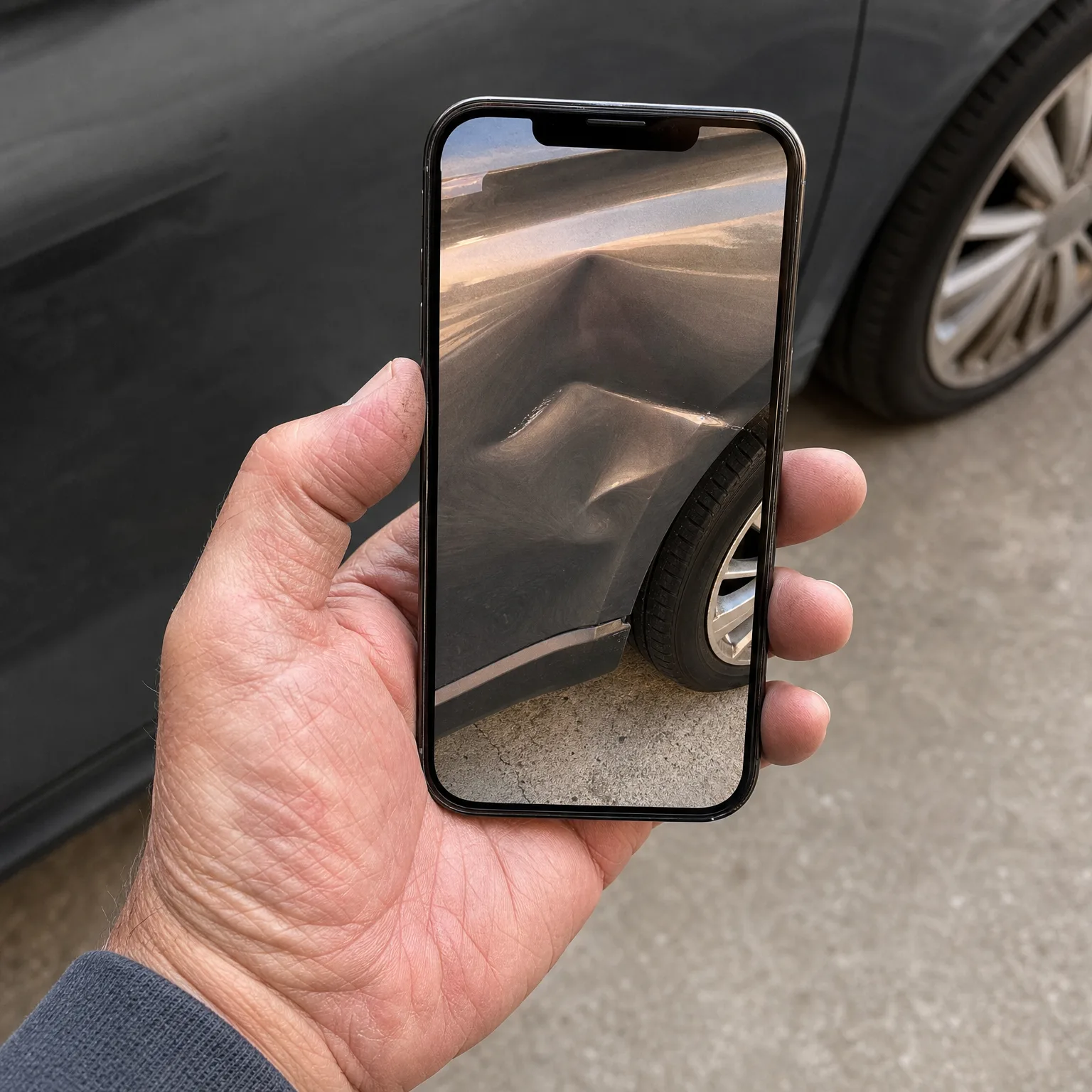
You're pulling out of a grocery store parking lot and misjudge the distance, clipping another car's door and denting it badly.
This pays, since you're at fault and it's damage to someone else's property.
A deer runs into the road at dusk on a county highway and you can't stop in time, damaging the front of your own car.
This doesn't pay, since there's no other driver involved and it's a comprehensive claim instead.
While merging on the highway, you sideswipe another car and the driver later says their neck and back still hurt weeks afterward.
This pays for their medical treatment and any income they lose while recovering, up to your limit.
Once you know what limit fits what you actually have to protect, you can compare quotes at that limit instead of guessing.
Questions people ask about this
How much liability insurance do I actually need?
It depends mostly on what you own, not on your car's value or your age. A common approach is to match your limit to your net worth, including savings and any property, since that's what's exposed if a judgment exceeds your coverage. Checking your coverage against your current assets, rather than what you owned when you first bought the policy, is the most reliable way to decide.
Does liability insurance go down as you get older?
No, your limit stays whatever you set it at regardless of your age, and it won't adjust on its own. Some insurers do factor age and driving history into your premium, but that's a separate question from what limit you've chosen. It's worth reviewing the limit itself periodically rather than assuming it's still right.
Can I be sued for more than my liability limit covers?
Yes, a court judgment can exceed your limit, and you're personally responsible for the difference. This is the exact gap an umbrella policy is designed to close. Without one, your savings, and in some cases future income, can be pursued to satisfy the remaining amount.
Do I still need high liability limits if I don't drive much anymore?
Driving less lowers your odds of an accident but doesn't remove the risk of a serious one. A single at fault accident can still produce injuries or damage that reach well past a low limit, regardless of how often you're on the road. Your limit should reflect what you have to protect, not how many miles you drive.
What happens to my liability coverage if I stop driving and store the car?
Liability coverage generally only applies while the car is being driven, so storing it doesn't extend liability protection, though your policy may shift to a reduced form that still covers things like fire or theft. It varies by state and by insurer whether you can suspend liability specifically while keeping other coverage active. Check with your policy directly before assuming you're still covered for anything beyond storage risks.