Liability Limits for Seniors in Wyoming
Liability limits are the highest amount your insurance will pay for injuries or property damage you cause someone else, and anything above that comes out of your own pocket.
What liability limits pay for
Covers
- Injuries to other people If you cause a wreck, this pays for the other driver's or passenger's medical care up to your limit.
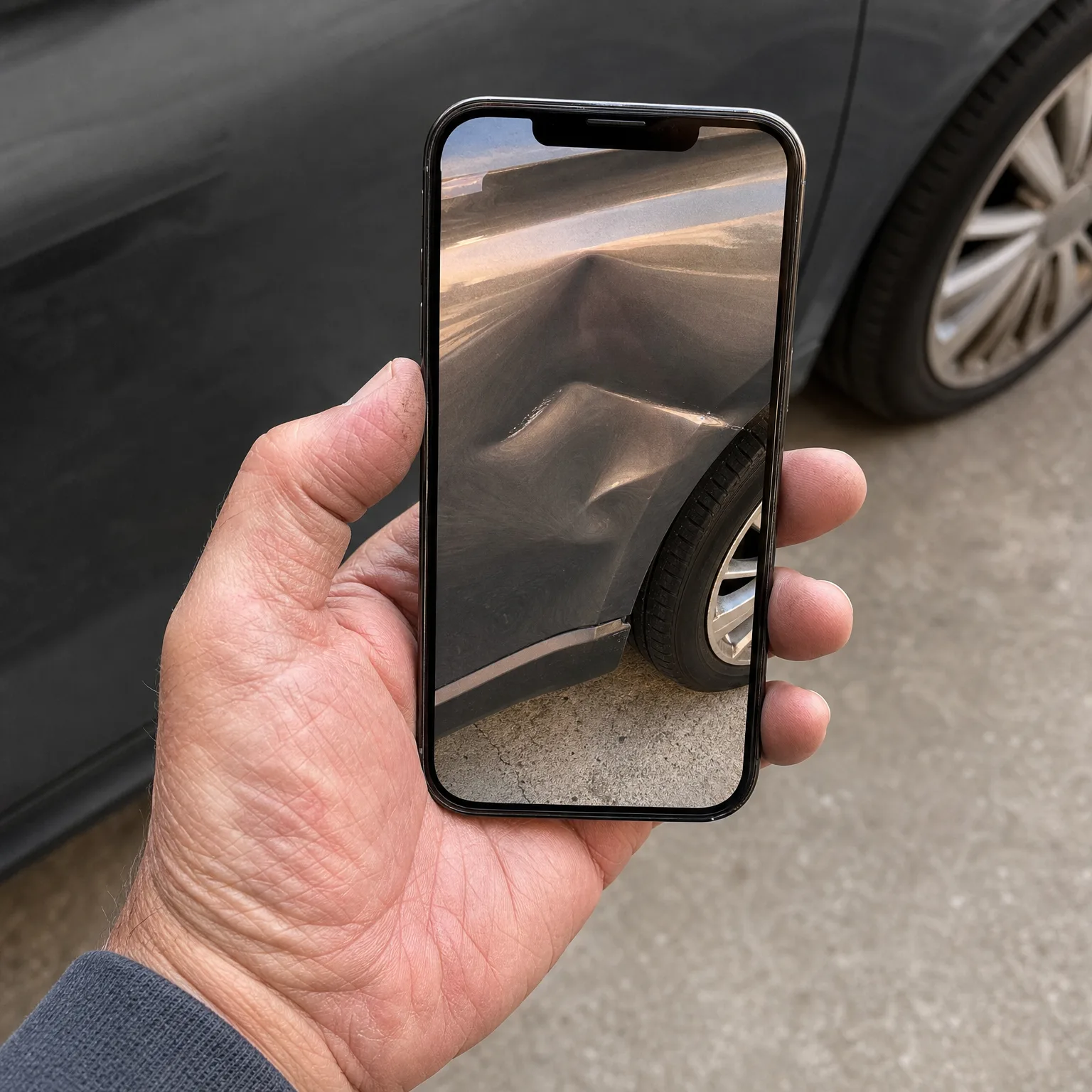
- Damage to their vehicle or property This covers repairs to the other car, or to a fence, mailbox or building you hit, up to your limit.
- Lost income from the other side If the person you hit can't work while recovering, your liability coverage can pay for that lost income.
- Your legal defense If you're sued over the accident, this pays for a lawyer to defend you, usually separate from the payout limit.
- Court judgments against you If a court orders you to pay the other driver, this coverage pays that judgment up to your limit.
Doesn't cover
- Your own injuries Liability coverage only pays for the other person, so your own medical bills come from health insurance or a separate coverage on your policy.
- Damage to your own car Repairing or replacing your own vehicle is handled by collision coverage, not liability.
- A hit and run or uninsured driver If the other driver has no insurance or flees, your liability coverage doesn't help you, that's what uninsured motorist coverage is for.
- Costs above your limit If the damage or injuries cost more than your limit, you're personally responsible for the rest unless you carry extra protection.
- Damage from weather or animals A hailstorm or a deer strike isn't something you caused to someone else, so comprehensive coverage handles those, not liability.
Keep this coverage, and consider raising it rather than cutting it
This is one of the few coverages that almost never makes sense to drop, no matter your age or how much the car is worth. It protects your savings and your home, not the car itself, and those don't shrink just because you're older.
What matters more at this stage is whether your limit is high enough. If you've built up savings over the decades, a retirement account, or home equity, you have more to lose in a lawsuit than someone just starting out, and a low limit from years ago may no longer match that.
How much you drive still matters some, since less time on the road means less exposure. But one accident is all it takes, and the limit you picked decades ago was based on what made sense then, not on what you have now.
If your policy still shows the same limit you chose when you first got the car, it's worth checking it against what you'd actually stand to lose today.
How a liability claim actually plays out
There's no deductible on your side for liability coverage, since it pays the other person, not you. Your insurer investigates the accident, decides how much fault you carry, and pays the other driver or their insurer up to your limit.
If the claim is likely to cost more than your limit, your insurer will usually still defend you, but you could be personally responsible for the amount above that limit. This is the scenario where a limit that's too low becomes a real problem instead of a paperwork detail.
Have your policy details, the other driver's information and any police report ready when you call. The process moves faster when your insurer isn't waiting on you to track down the other side's insurance information.
Liability limits versus underinsured motorist coverage
Liability limits
This pays for damage or injuries you cause to someone else. It never pays for your own injuries or your own vehicle, no matter who was at fault.
Underinsured motorist coverage
This pays you when someone else hits you and their liability limit isn't enough to cover your injuries. It fills the gap the other driver's policy leaves behind.
If you want to be protected both when you cause an accident and when someone else does, you need both coverages, since neither one does the other's job.
Real situations
You're pulling out of a church parking lot and clip another car, denting their door and injuring the driver's shoulder.
This pays for the other driver's car repair and medical care, since you're at fault, up to your limit.
A hailstorm rolls through while your car is parked at the grocery store and dents the hood and roof.
This doesn't pay, since no other person was involved, that's a comprehensive claim instead.
A deer runs into the road at dusk on a county highway and you can't avoid hitting it, damaging your front bumper.
This doesn't pay here either, since there's no other driver or property involved, comprehensive coverage handles animal strikes.
Once you've settled on the limit that actually matches what you have to protect, compare quotes at that limit so you're pricing the coverage you decided you need.
Questions people ask about this
How do I know if my liability limit is too low?
Your limit is likely too low if it hasn't changed in many years while your savings or assets have grown. Compare the limit on your policy to what you'd actually lose in a lawsuit today, including retirement savings and home equity. If there's a wide gap, it's worth raising the limit.
Does liability insurance follow the driver or the car?
It generally follows the car first, then may extend to you as a driver in other situations, but this can vary by state and by the specific policy. Check your own policy documents or ask your insurer directly how your coverage is structured. Don't assume it works the same way everywhere.
Can I be sued for more than my liability limit covers?
Yes, if a judgment exceeds your limit, you can be personally responsible for the difference. This is why some people carry extra liability protection above their standard policy limit. It's worth discussing with your insurer if your assets have grown over the years.
Should I lower my liability limit if I rarely drive anymore?
Driving less reduces how often you're on the road, but it doesn't reduce what you'd owe if an accident happens. One accident, even a rare one, can still cost as much as it would for someone driving every day. Most people in this situation are better off keeping their limit steady and looking at other ways to manage cost.
What happens to my liability coverage if I let someone else drive my car?
In most cases your liability coverage follows the car, so it would apply if you lent it to a family member or friend with permission. This can vary depending on your policy and who's driving, so check with your insurer before lending the car regularly. It matters more if the person borrowing it doesn't have their own insurance.