Liability Limits for Seniors in Virginia
Liability limits are the top dollar amount your policy will pay when you're at fault for someone else's injuries or property damage, and anything above that comes out of your own pocket.
What liability limits actually pay for
Covers
- Injuries to other people If you cause a crash, this pays the other driver's or passenger's medical bills up to your limit.
- Damage to their vehicle It covers repair or replacement of the other car, again only up to whatever limit you chose.
- Damage to property If you hit a fence, a mailbox, or a storefront, this pays to fix it.
- Your legal defense If the other party sues you over the accident, your insurer pays for a lawyer to defend you.
- Lost wages for the other driver If their injuries keep them out of work, that cost comes out of this same pool of money.
Doesn't cover
- Your own injuries Liability doesn't touch your medical bills, that's handled by other coverage on your policy or your health insurance.
- Your own car's damage Repairs to your vehicle come from collision coverage, not from liability.
- A hit and run driver If nobody is identified as at fault on the other side, liability doesn't apply, you'd look to uninsured motorist coverage instead.
- Costs above your limit If the damage you cause is worth more than your limit, you are personally responsible for the rest.
- Your own passengers in some cases Depending on how your policy is set up, injuries to people riding with you may fall under a different part of the policy.
You still need this, and probably more of it than you think
Dropping or shrinking this coverage doesn't make sense at any age, including yours. What changes as you get older isn't whether you need it, it's how much cushion you want between an accident and your own savings.
Think about what you have to protect. If you own a house, have retirement savings, or hold other assets, a low limit leaves all of that exposed if you're found at fault for a serious crash. The insurance company only pays up to your limit, and a lawsuit can come after everything else you own for the difference.
How much you drive matters too. A driver who's cut back to short trips to the store and church has fewer miles of exposure than someone who's still driving a lot, but even a short trip can end in a serious crash. Fewer miles lowers the odds, it doesn't remove the risk.
If your car is older and not worth much, that affects your collision and comprehensive coverage decisions, but it has nothing to do with liability. Liability is about what you might owe someone else, not what your car is worth.
What happens when you're the one who caused it
There's no deductible on liability coverage, that's a feature of coverage that protects your own car, not coverage that protects others. When you're at fault, your insurer investigates the claim, determines how much is owed, and pays the other party directly up to your limit.
A claim usually starts with a police report and statements from both drivers. Your insurer will want your account of what happened, and may inspect the other vehicle or review medical records if someone was hurt. This can take a while if injuries or large repair costs are involved.
Have your policy information, the other driver's information, and any photos from the scene ready when you report the claim. If you're sued over the accident, forward anything you receive to your insurer right away so your legal defense isn't delayed.
If the claim ends up being worth more than your limit, you'll hear from your insurer about that, and you may want your own attorney at that point since your interests and theirs can start to diverge.
Liability limits versus uninsured motorist coverage
Liability Limits
This pays for damage and injuries you cause to someone else. It only applies when you're found at fault for the accident.
Uninsured Motorist Coverage
This protects you when the other driver is at fault but has no insurance, or not enough to cover what you lost. It pays your medical bills and sometimes your vehicle damage instead of theirs.
If you worry more about being sued over an accident you caused, focus on liability, if you worry more about being hit by someone with no coverage, make sure uninsured motorist coverage is part of your policy too.
Real situations
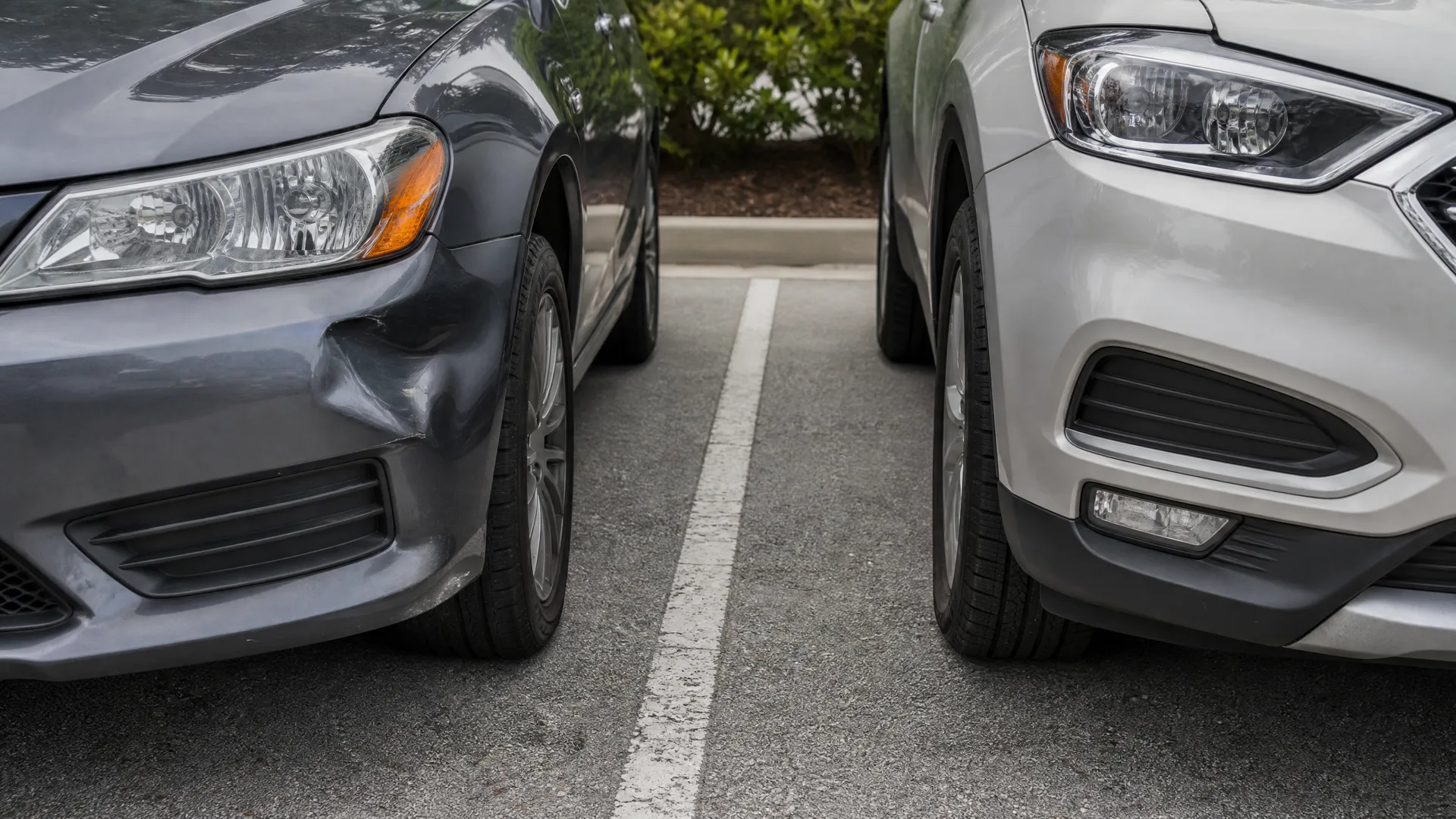
You're pulling out of a parking lot after a doctor's appointment and don't see a car coming, causing a crash that damages their bumper and door.
Liability pays for the other car's damage since you were at fault, up to your limit.
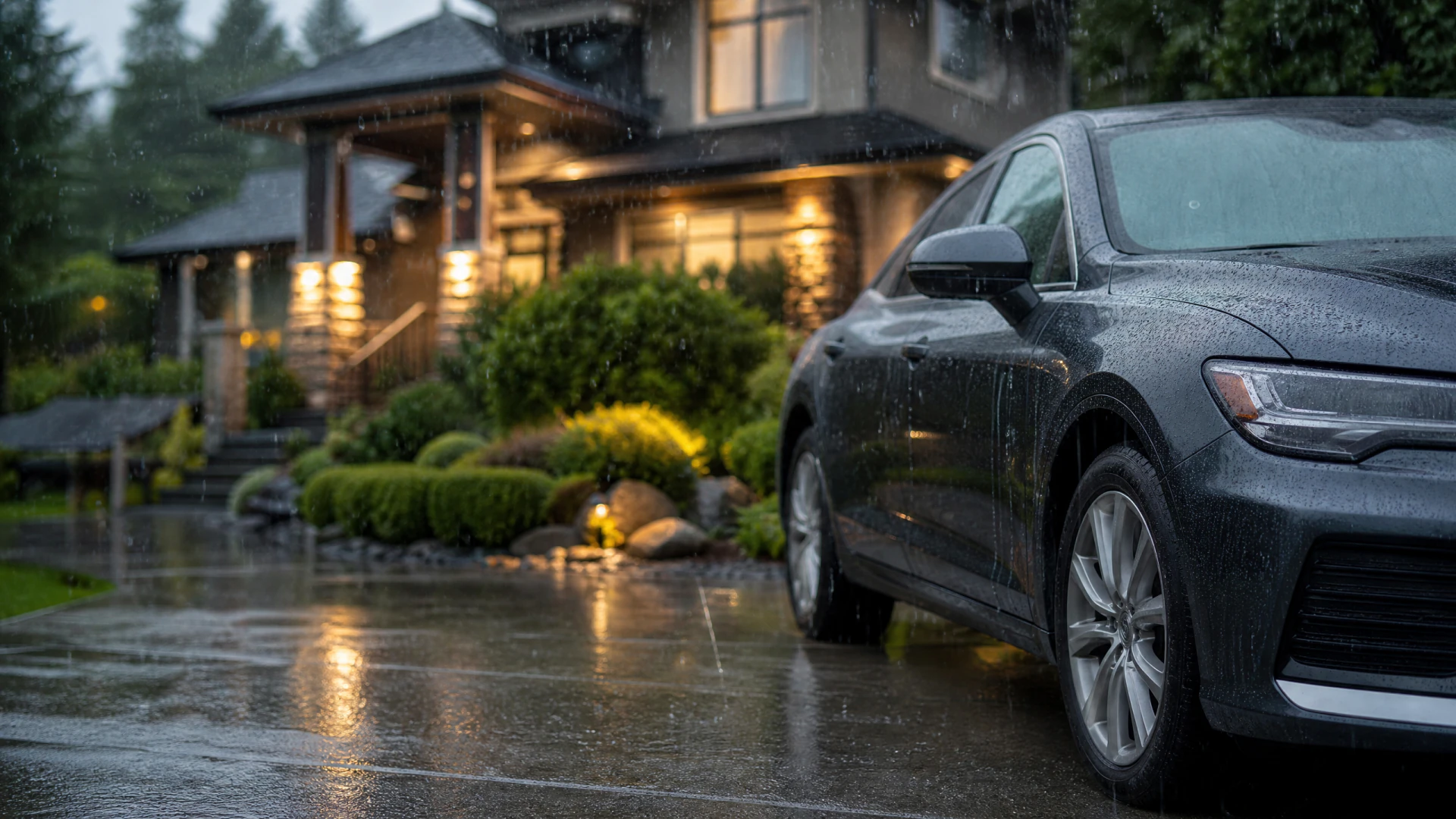
A hailstorm hits while your car is parked at church and dents the hood and roof.
Liability doesn't pay here, this is weather damage to your own car, which falls under comprehensive coverage.
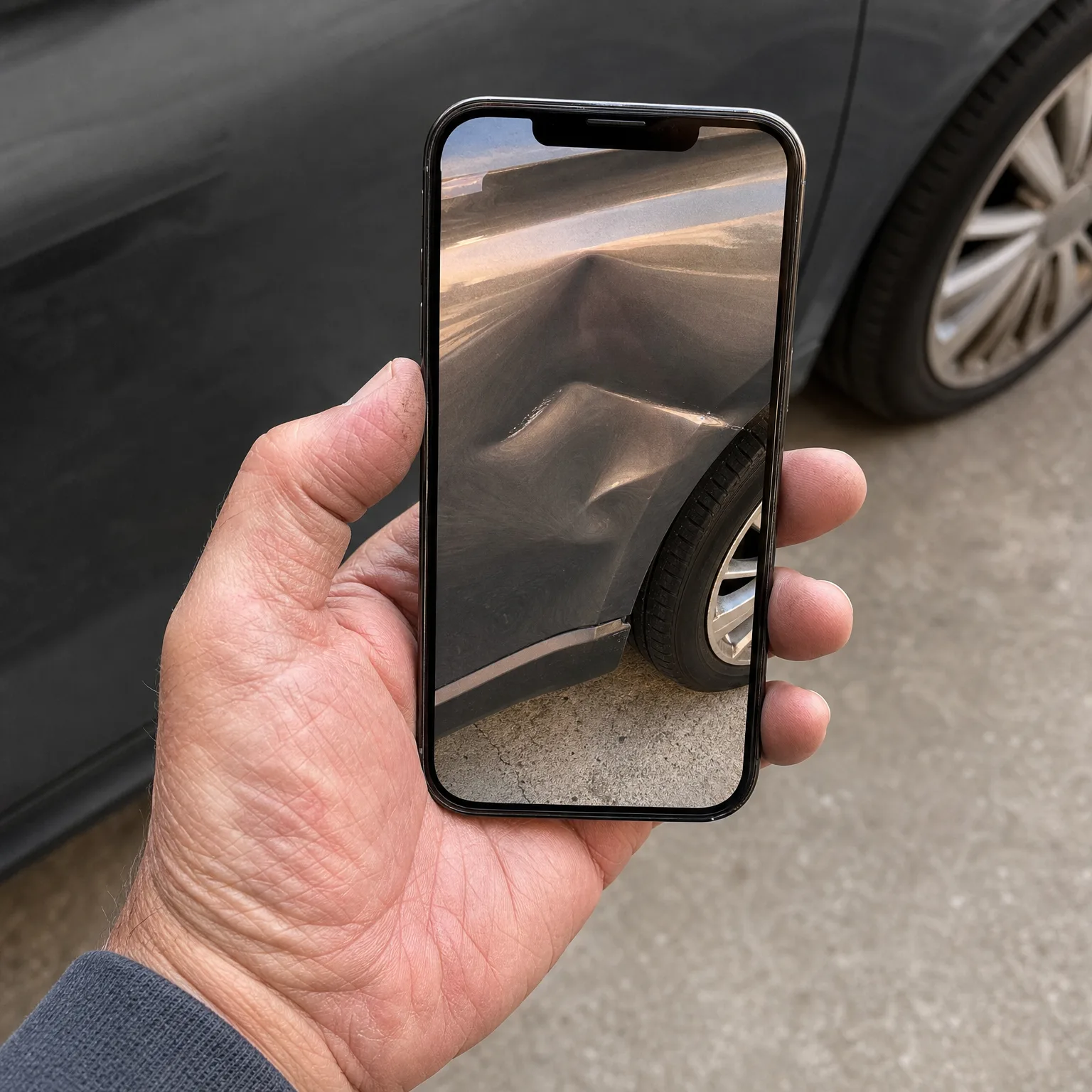
A deer runs into the road at dusk on a county road and you can't avoid it, damaging the front of your car.
Liability doesn't apply since there's no other driver involved, this is a comprehensive claim instead.
Once you've decided what limit makes sense for what you have to protect, you can compare quotes with that number already in mind.
Questions people ask about this
How do I know what liability limit I currently have?
Check your policy declarations page, it lists your limits in a few numbers separated by slashes. If you can't find the paperwork, call your agent or insurer and ask them to read it to you over the phone.
Can my children be sued if I cause an accident?
Generally no, liability follows the driver and the policy, not family members who weren't in the car. If your child was driving your car with permission, the policy would typically respond the same way it would for you.
Does my liability coverage follow me if I drive someone else's car?
Often yes, in most cases your own liability coverage extends to you driving a car you don't own, as long as you have permission. This varies by policy, so it's worth confirming with your insurer before you borrow a car regularly.
Will my rates go up if I raise my liability limit?
Usually a little, but increasing this limit tends to cost less than people expect relative to the protection it adds. It's worth asking for a quote at a higher limit before deciding it's not worth it.
What happens to my liability coverage if I stop driving but still own the car?
If the car is still registered and insured, your liability coverage normally stays in place whether or not you're the one driving it. If you plan to stop driving for good, talk to your insurer about whether to keep the policy active or change its type.