Liability Limits for Seniors in Utah
Liability limits are the amount your policy will pay for injuries or property damage you cause someone else while driving, and nothing beyond that amount comes from your insurer.
What liability limits pay for
Covers
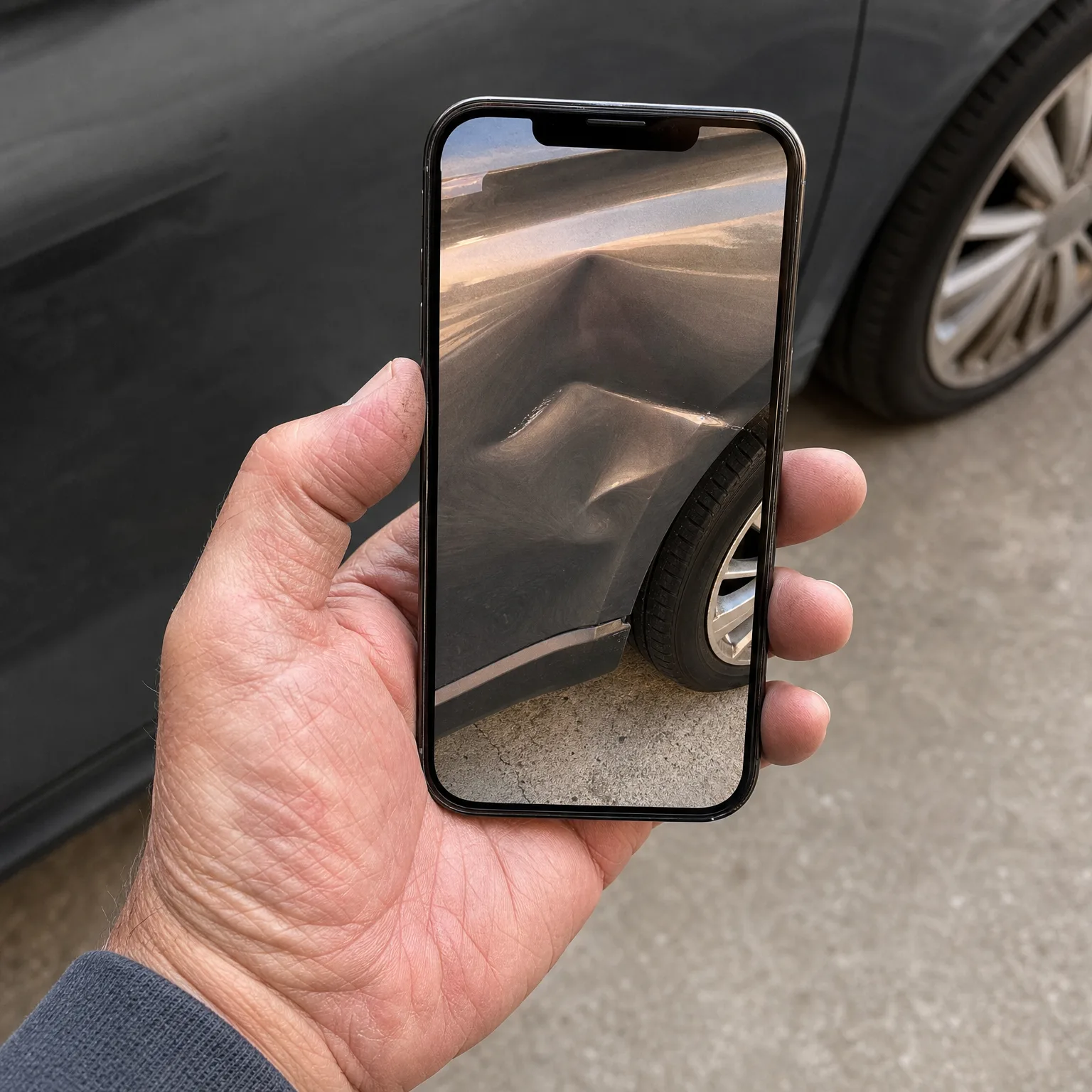
- Injuries to other people Medical bills, lost income and related costs for anyone hurt in a crash you caused.
- Damage to their vehicle Repair or replacement costs for the other driver's car or property.
- Damage to other property If you hit a fence, a mailbox or a storefront, this pays for what you damaged.
- Your legal defense If the other driver sues you over the crash, this covers attorney costs up to your limit.
- Costs that stack up across people Your policy has a per-person limit and a separate total limit for everyone hurt in the same crash.
Doesn't cover
- Your own injuries Liability only pays for the other person; your own medical costs come from a different part of your policy, if you carry it.
- Damage to your own car Collision coverage pays for that, and liability doesn't touch your vehicle at all.
- A crash someone else caused That driver's liability coverage is supposed to pay you, not your own liability limits.
- Costs above your limit If the damage or injuries cost more than your limit, you're personally on the hook for the rest unless you have something like an umbrella policy.
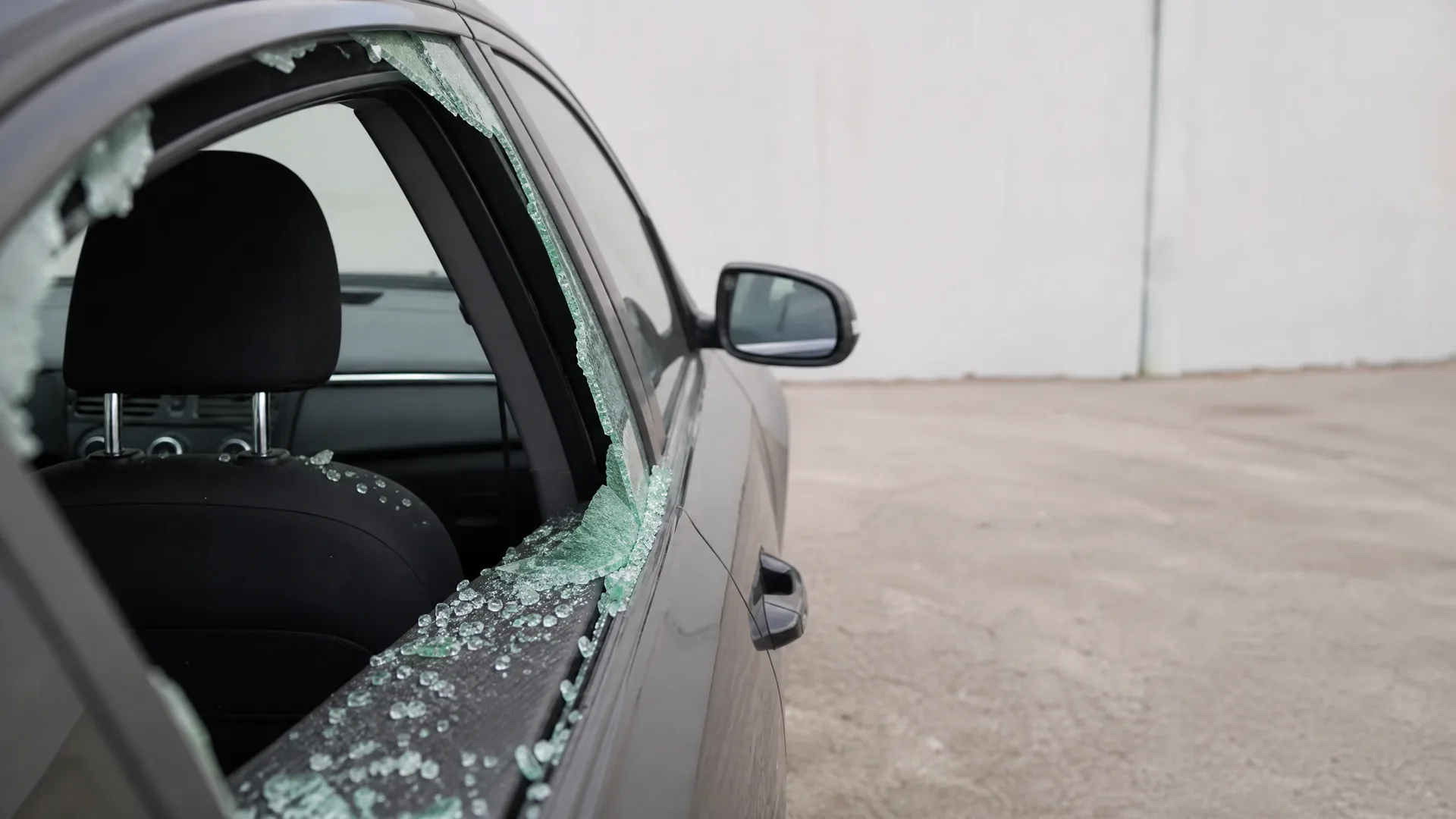
- Weather or theft damage Those come under comprehensive coverage, not liability, since no other driver is involved.
Worth carrying, but the amount matters more than whether you have it
Liability coverage itself isn't optional in any practical sense, since it's what protects what you've saved. The real decision at this age is how high to set the limit, not whether to carry it at all.
Think about what you actually have to lose. If you own a home, have retirement savings, or hold other assets, a low limit leaves all of that exposed if you cause a serious crash. A judgment can reach past your policy and into your savings.
How much you still drive matters too. Someone who drives daily on highways or in city traffic carries more real exposure than someone who takes the car out occasionally for errands. Less driving lowers the odds of a serious crash, but it doesn't erase them.
If your assets are modest and your driving is light, a mid-range limit may be plenty. If you have real savings to protect, raising your limit costs little compared to what it shields.
How a liability claim actually plays out
Liability coverage has no deductible on your end, since it's not paying to fix your own car or treat your own injuries. The payment goes to the other person or their insurer, not to you.
After a crash, your insurer investigates who was at fault. If you're found responsible, they negotiate with the other driver or their insurer and pay out of your liability limit for the injuries and damage you caused.
The payment stops once it reaches your limit. If the claim costs more than that, you're responsible for the difference, and the other party can pursue you directly for it.
Have your policy details on hand after any crash, along with photos, the other driver's information and a police report if one was filed. That speeds up the claim and keeps the facts straight if there's any dispute over fault.
Liability limits vs. uninsured motorist coverage
Liability limits
This pays the other driver when you're the one at fault. It protects your assets and covers their injuries and damage, not yours.
Uninsured motorist coverage
This pays you when the other driver is at fault and doesn't carry enough insurance, or any at all. It covers your injuries and sometimes your car, depending on how it's set up.
If you want to protect your savings, raise your liability limit; if you want to protect yourself from a driver with no insurance, add or raise uninsured motorist coverage.
Real situations
You're pulling out of a church parking lot and clip another car, denting its door.
Liability pays for the other car's repair since you were at fault.
A hailstorm damages your parked car while you're inside visiting a friend.
Liability doesn't pay here, since no other driver is involved; comprehensive coverage would.
A deer runs into the road at dusk and you swerve into a ditch, with no other car involved.
Liability doesn't pay for your own damage, since there's no other party to compensate.
Once you know what limit fits what you have to protect, compare quotes to see what raising or adjusting it would actually cost.
Questions people ask about this
How much liability insurance do I actually need?
It depends mainly on what you have to lose, not on any fixed rule. If you own a home or have meaningful savings, a higher limit protects more of that from a lawsuit after a serious crash. Check what your current limit is and weigh it against your actual assets.
Does liability insurance cover a rental car?
Often yes, since your policy's liability coverage typically extends to a car you're renting for personal use, but you should confirm this before you drive off the lot. Policies vary in how they handle rentals. Call your insurer or check your policy documents directly.
Can I be sued for more than my liability limit?
Yes, if the damage or injuries from a crash exceed your limit, the other party can pursue you personally for the rest. This is the main reason people raise their limits as they accumulate savings or own a home. An umbrella policy is one way some people add extra protection beyond their auto limit.
Does my liability insurance follow me if I drive someone else's car?
Generally yes, liability coverage usually follows the driver in most situations, but whose policy pays first can depend on the circumstances. It's worth checking your policy's language on this directly. If you regularly drive a car you don't own, mention that to your insurer.
Will my liability rates go up if I'm in an accident that wasn't my fault?
Usually not for liability specifically, since that coverage only pays when you're at fault. Rate changes after a not-at-fault accident depend on your insurer's own rules, and it varies by state whether they can factor it in at all. Ask your insurer directly how they handle not-at-fault claims.