Liability Limits for Seniors in Texas
Liability limits are the highest amount your insurance will pay for injuries or property damage you cause someone else in an accident.
What liability limits pay for
Covers
- Injuries to others If you cause a wreck, this pays for the other driver's or passenger's medical care up to your limit.
- Their lost income If someone you hit can't work while recovering, this can cover that lost income as part of the claim.
- Damage to their vehicle Repairs or replacement for the other car come out of your property damage limit.
- Damage to property If you hit a fence, a mailbox, or a storefront, this pays to fix what you damaged.
- Your legal defense If you're sued over the accident, your insurer provides a lawyer and covers the legal costs, usually separate from your limit.
Doesn't cover
- Your own injuries Your medical bills come from personal injury protection, medical payments coverage, or your health insurance instead.
- Your own car Damage to your vehicle is covered by collision coverage, not liability.
- A hit and run driver When the other driver can't be identified or has no insurance, uninsured motorist coverage is what responds.
- Intentional damage If you caused the damage on purpose, liability coverage doesn't apply and the claim can be denied entirely.
- Costs above your limit If the damage or injuries cost more than your limit, you're personally on the hook for the rest unless you have something like umbrella coverage.
Raising your liability limits is usually worth it, dropping below the state minimum never is
At this age you likely have a paid off house, retirement accounts, and savings you've spent decades building. Liability claims go after exactly that kind of money when the amount owed is more than your policy pays. The low minimum limits that come standard on most policies were never meant to protect what you actually have.
How much you drive matters less than what you're protecting. Someone who only drives to church and the grocery store still faces the same risk per mile as anyone else, and a serious injury claim doesn't care how many miles were on the odometer that day. What matters is whether a single bad afternoon could reach into money you need for retirement.
Where the car sits matters too. A car that spends most of its time in a garage in a quiet town still has to get onto highways sometimes, and that's where the serious claims tend to happen. There's no version of staying home that makes raising your limits a bad idea, since the cost difference between low and higher limits is usually small compared to what's at stake.
The one place to think it through is if your only asset is the car itself and a modest income with little savings behind it. In that case there's less for a lawsuit to reach, and the math changes. For most people in their sixties, seventies, or eighties who have something built up, higher limits are one of the cheaper ways to protect it.
What happens when you use it
There's no deductible on liability coverage. Your insurer pays the claim up to your limit, and you don't pay anything out of pocket toward the other person's damages.
After an accident, you report it to your insurer, who investigates to determine fault. If you're found responsible, they negotiate with the other driver or their insurer and pay out the claim directly, handling the back and forth so you don't have to.
If the other person's damages or medical costs are higher than your limit, the payment stops there and the rest becomes your personal responsibility. That's often when people get sued personally, which is why your limit matters more than it might seem from the premium difference.
Have your policy number, the other driver's information, and a description of what happened ready when you report a claim. Photos from the scene help, and so does writing down what you remember while it's fresh, since claims can take a while to settle.
Liability limits compared to umbrella coverage
Liability limits
This is the amount your car insurance itself pays for injuries or damage you cause. It only applies to accidents involving your vehicle.
Umbrella coverage
This sits on top of your car and home insurance and adds protection once those policies are maxed out. It also covers some situations car insurance doesn't touch at all, like a lawsuit unrelated to driving.
If you have real savings or property to protect, raising your liability limits first and adding umbrella coverage after makes more sense than relying on one or the other alone.
Real situations
You're pulling out of a parking lot after church and you clip another car, injuring the driver and totaling their vehicle.
Your liability coverage pays for their injuries and their car, up to your limit.
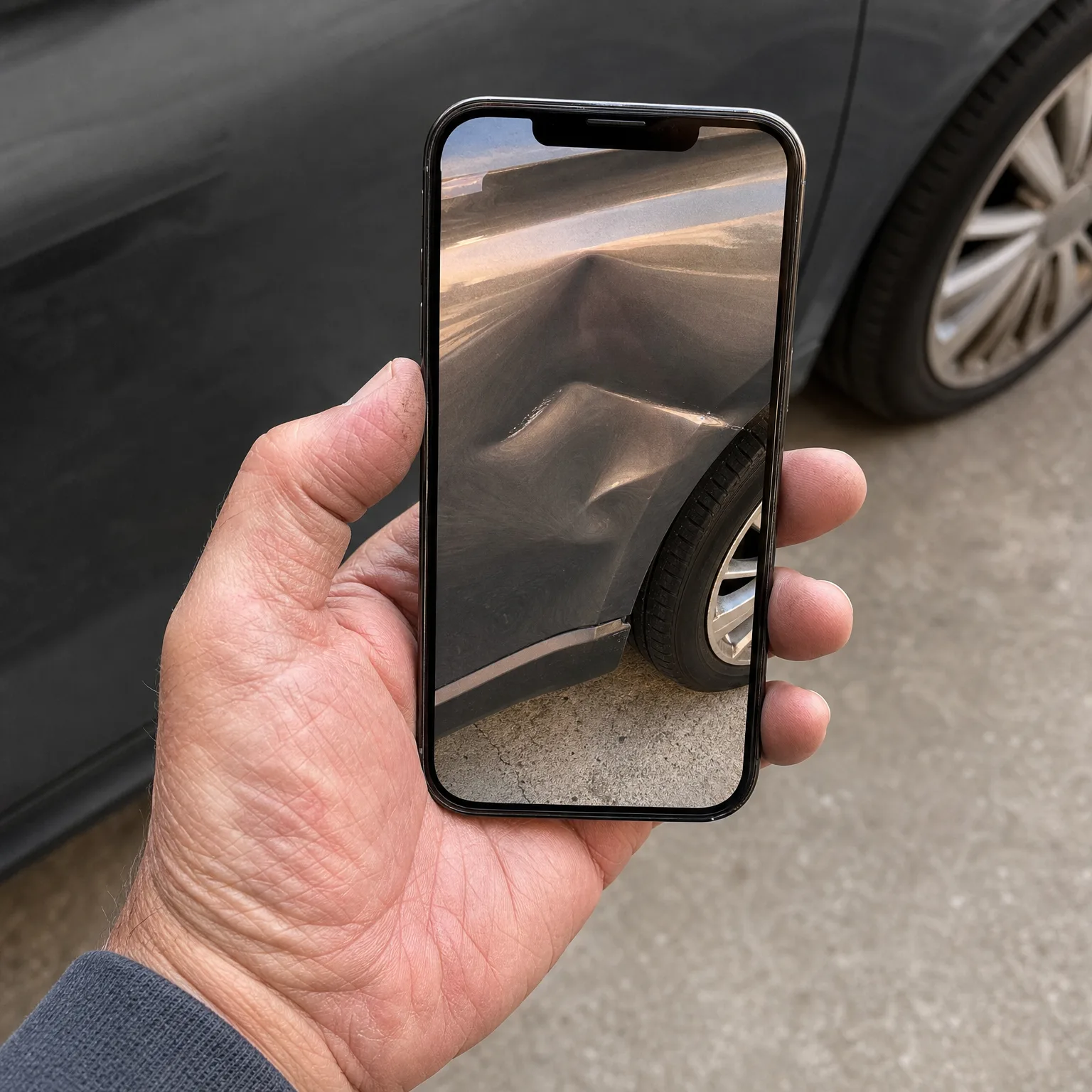
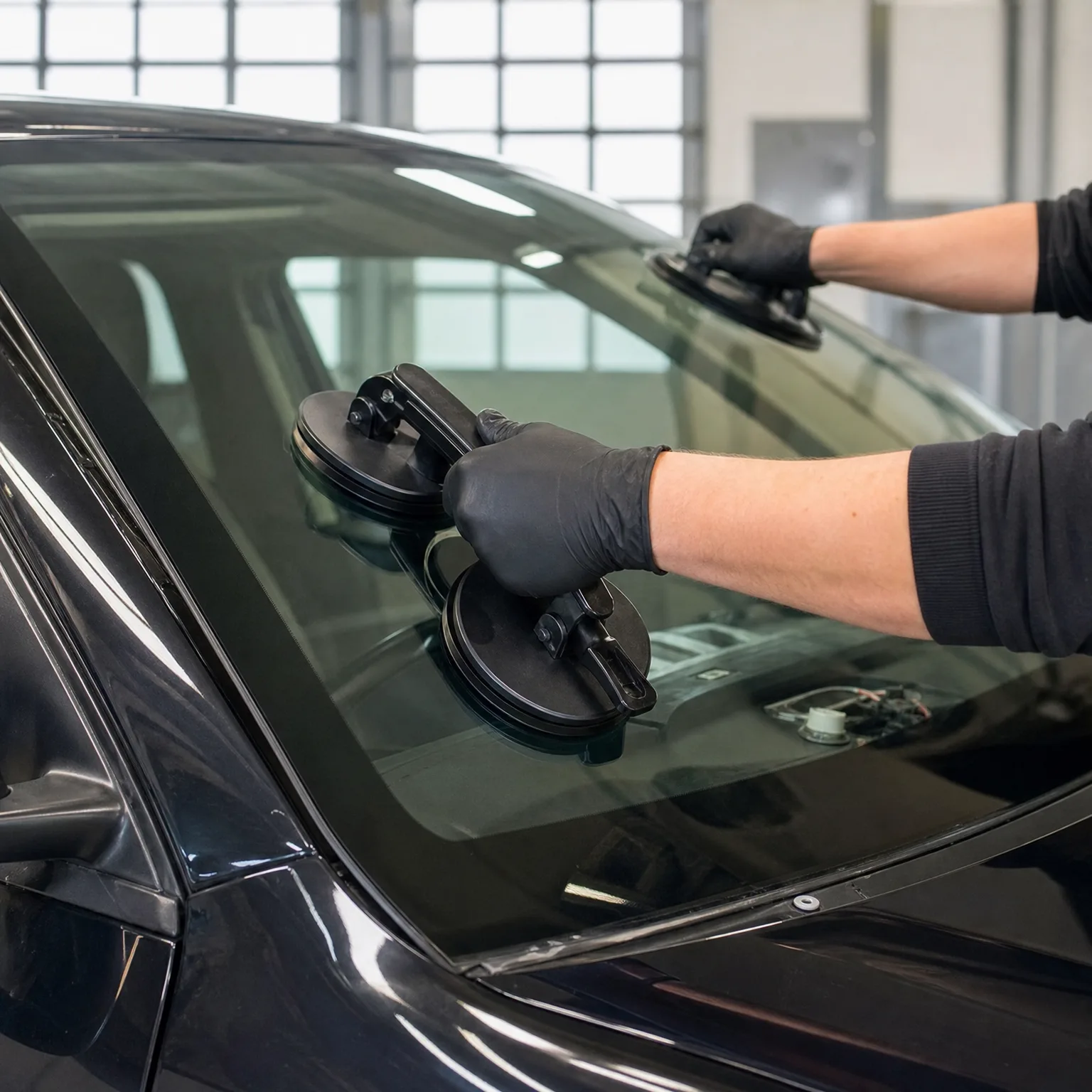
A hailstorm hits while your car is parked at home and dents the hood and cracks the windshield.
Liability doesn't pay here, since nobody else was harmed; comprehensive coverage handles storm damage to your own car.
A deer runs into the road at dusk and you swerve, hitting a mailbox and a fence before stopping.
Liability pays for the mailbox and fence, since that's property damage you caused to someone else.
Once you know what limit makes sense for what you have to protect, you can compare quotes at that limit and see what it actually costs.
Questions people ask about this
How high should I set my liability limits?
High enough to cover what you'd actually lose in a lawsuit, which for most people means well above the state minimum. Look at your savings, retirement accounts, and any other assets a judgment could reach. If that number is substantial, matching your limits to it, or adding umbrella coverage, is worth the small added cost.
Does my liability coverage follow me if I drive someone else's car?
Generally yes, your liability coverage follows you as the driver in most situations, though the owner's policy may be asked to pay first. This varies by state and by the specific policy, so it's worth checking your own policy's language before assuming anything.
What happens if I'm sued for more than my policy limit?
You become personally responsible for the amount above your limit, and a court judgment can reach savings, future income, or other assets. This is exactly why many people choose limits above the minimum or add umbrella coverage once they have something worth protecting.
Can my insurer drop me after a liability claim?
It's possible, especially after a claim where you were found at fault for a serious accident. Rules around this vary by state and by insurer, so check your policy and ask your agent directly about how claims affect renewal.
Do I still need high liability limits if I rarely drive anymore?
Yes, because the risk per trip doesn't go down just because you take fewer trips. A serious accident is still possible on any drive, so the amount you need to protect your savings stays the same regardless of mileage.