Liability Limits for Seniors in Tennessee
Liability limits are the dollar ceiling your policy will pay if you're found at fault for hurting someone or damaging their property, and the rest comes out of your own pocket.
What liability limits apply to
Covers
- Injuries to other people If you cause a crash, this pays for the other driver's or passenger's medical care up to your limit.
- Damage to their vehicle It covers repairs or the value of the other car when you're the one responsible for the wreck.
- Damage to property A fence, a mailbox, a storefront you back into, this is what pays for someone else's property, not yours.
- Lost income claims If the person you hurt can't work for a while, a claim against your liability limit can include that loss.
- Legal defense if you're sued If the other party sues over the crash, your insurer typically provides a lawyer and covers the defense out of this coverage.
Doesn't cover
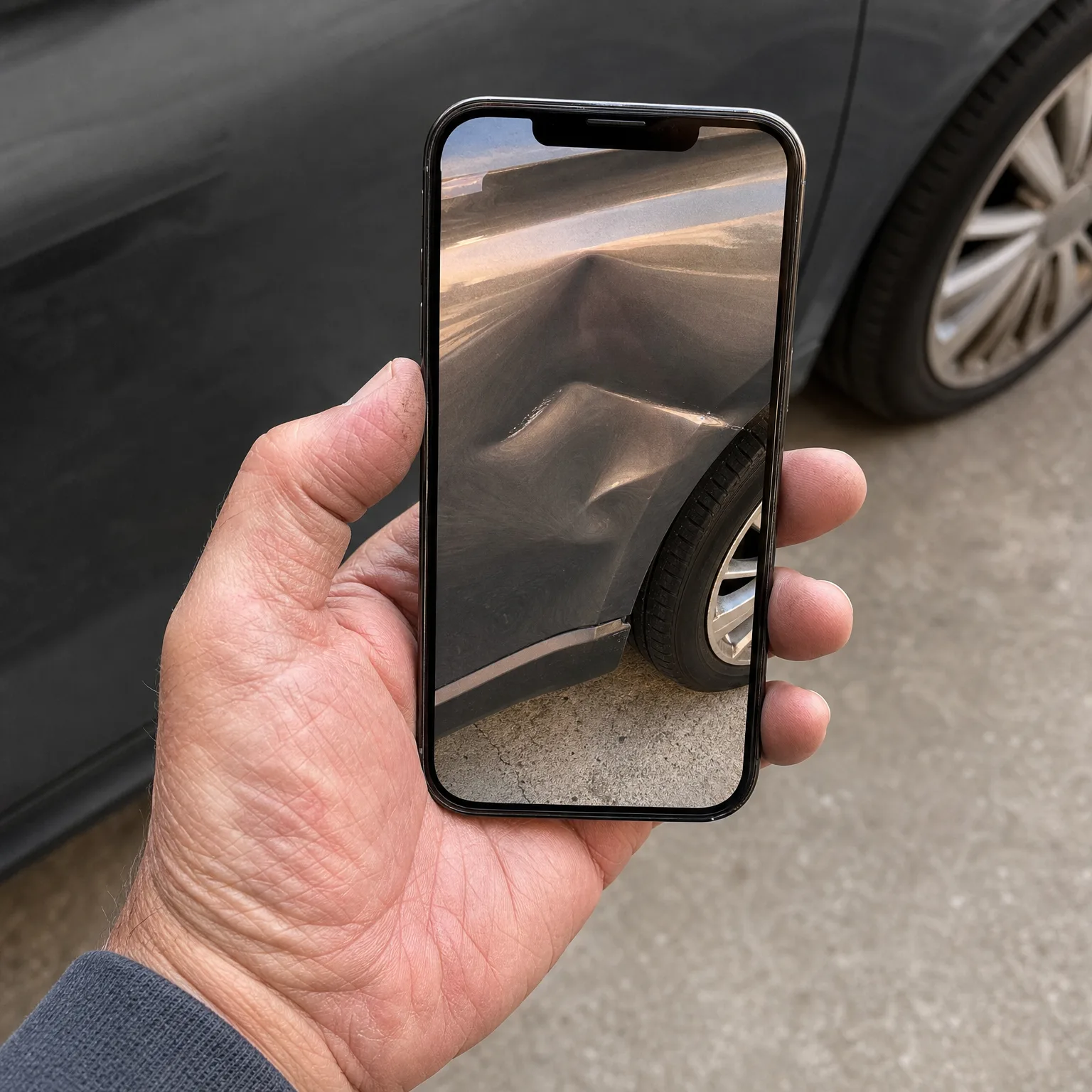
- Your own car Liability doesn't touch your vehicle at all, that's what collision coverage is for.
- Your own injuries Your medical costs come from personal injury protection, medical payments coverage, or your health insurance, not liability.
- A hit and run driver When the other driver can't be found or has no insurance, uninsured motorist coverage is what responds, not your liability limit.
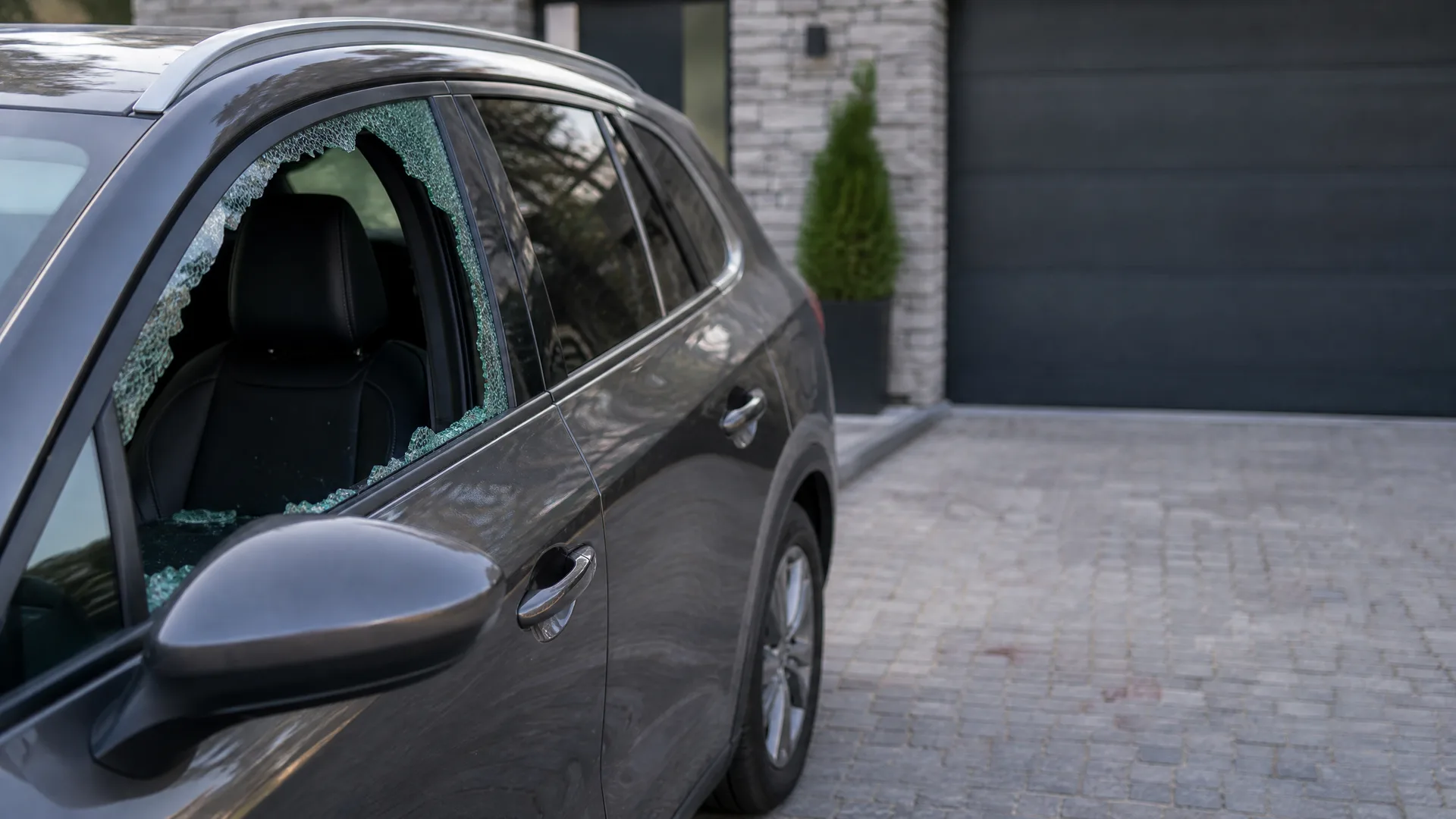
- Weather or animal damage Hail, flooding, or hitting a deer are comprehensive claims since no one is legally at fault.
- Fixing your car after you're at fault Liability pays the other person, your own repairs go through your collision coverage if you have it.
Yes, and the amount matters more as you get older
Dropping liability coverage isn't really an option, every driver needs some amount of it. The real decision for someone your age is whether the limit you've had for twenty years still fits your life now. A lot of older drivers are carrying the same number they picked decades ago, back when their income, their assets, and their risk tolerance looked different.
What decides the right limit isn't your car, it's what you have to lose. If you've paid off your house, built retirement savings, or own property outright, you have more for a lawsuit to reach if a crash is serious and the other side's costs go past your limit. Low limits made sense when you were young and had little to protect. That calculation changes once you've spent a lifetime building something.
How much you drive now also matters, but in a less obvious way than people assume. Driving less does lower your odds of being in a crash. It doesn't lower what a bad crash costs if it happens. One at-fault accident on a highway on-ramp can cost as much whether you drive every day or once a week to church.
If you're still working with an agent you trust, this is the one conversation worth having again even if nothing else about your policy changes. Raising a liability limit is usually a small adjustment. Discovering it was too low happens only after a crash, when it's too late to fix.
How a liability claim actually plays out
There's no deductible on the liability side, that only applies to coverage on your own vehicle. When you're at fault, the other person files a claim against your policy, and your insurer investigates, assigns value to the damage or injury, and pays up to your limit directly to them or their insurer.
If the claim is small, this moves quickly and you may barely be involved beyond the initial report. If it's serious, an injury claim or a lawsuit, expect to give a recorded statement, provide your version of events, and stay reachable while it's reviewed. Having the other driver's information, photos from the scene, and a copy of the police report ready speeds this up considerably.
If the total cost of the claim goes above your limit, you are personally responsible for the difference. That's the entire reason the limit amount matters so much, it's the line between what your policy absorbs and what comes out of your own assets.
Your insurer handles the negotiation and any legal defense, so you aren't expected to deal with the other side directly. Your job is mostly to report quickly, answer honestly, and keep records of anything connected to the incident.

Liability limits compared to uninsured motorist coverage
Liability Limits
This pays the other person when you're the one at fault. It protects your assets, not your car or your body.
Uninsured Motorist Coverage
This protects you when the other driver is at fault but has no insurance or not enough. It can cover your injuries and, depending on how it's written, your vehicle.
If you're worried about being sued, raise your liability limit; if you're worried about being hit by someone with no insurance, that's a separate coverage worth checking you have.
Real situations
You're pulling out of a church parking lot after a Sunday service and misjudge the distance, clipping another car's door as it passes.
This pays, since you're at fault for the damage to the other vehicle.
A hailstorm rolls through while your car sits in your driveway overnight and leaves dents across the hood and roof.
This doesn't pay, no one is at fault here, that's a comprehensive claim instead.
A deer runs into the road at dusk on a county highway and you can't avoid it, damaging the front of your car.
This doesn't pay, hitting an animal is also a comprehensive claim, not a liability matter.
Once you know what limit fits your situation now, compare quotes with that number in mind rather than the one you've carried for years.
Questions people ask about this
How do I know what my current liability limit is?
Check your declarations page, the summary sheet that comes with your policy each renewal period. It lists your limits by category, usually as a set of figures separated by slashes. If you can't find it or don't understand what you're looking at, your agent or insurer can walk through it with you over the phone.
Does my liability coverage follow me if I drive someone else's car?
Generally yes, liability coverage typically follows the driver, so if you borrow a car with the owner's permission, your own liability coverage can still apply. This varies by state and by the specific policies involved, so it's worth confirming with your insurer before you assume it applies in your situation.
Can I be sued for more than my liability limit covers?
Yes, if a claim or lawsuit exceeds your limit, you're personally responsible for the rest. This is the main reason people increase their limits as they accumulate savings, a home, or other assets worth protecting, since those become reachable in a serious lawsuit.
Do I still need liability coverage if I rarely drive anymore?
Yes, every state requires some form of liability coverage for any registered, driven vehicle, and how often you drive doesn't change what a crash costs if one happens. If you're driving significantly less, ask your insurer about adjustments to other parts of your policy instead.
What happens to my liability coverage if I let my license lapse but keep the car registered?
This varies by state and by insurer, so check your specific policy. In general, a registered vehicle usually still needs some insurance in place even if it's not being regularly driven, and letting coverage lapse can affect your rates later even if you're not currently driving.