Liability Limits for Seniors in South Dakota
Liability limits are the amount your policy will pay when you cause an accident and someone else is hurt or their property is damaged.
What liability limits actually pay for
Covers
- Injuries to other people If a crash you caused hurts someone else, this pays their medical bills and related costs up to your limit.
- Lost income for the other driver If the person you hit can't work while recovering, this coverage can pay for that lost income.
- Damage to their car or property This pays to repair or replace the other vehicle, a fence, a mailbox, or whatever else you hit.
- Legal defense if you're sued If the other driver sues over the accident, this pays for a lawyer and covers the judgment up to your limit.
- Payouts that follow you, not just the car The limit applies to you as a driver, so it follows you whether you're in your own car or driving someone else's with permission.
Doesn't cover
- Your own car's damage Liability only pays for the other person's losses. Your own vehicle needs collision coverage to be repaired after a crash you caused.
- Your own injuries Medical payments coverage or your health insurance handles your own treatment, not liability.
- A hit and run with no other driver found With no at fault driver identified, there's nothing for liability to pay against. Uninsured motorist coverage is what applies there.
- Weather or theft damage Hail, a cracked windshield, or a stolen car are handled by comprehensive coverage, not liability.
- Costs above your limit If the damage or injuries cost more than your limit, you're personally responsible for the rest unless you carry extra protection above it.
Keep this coverage, and don't shortchange the limit
This isn't a coverage to drop. It protects what you own and what you've saved, and most lenders and states expect you to carry some amount of it. The real question for someone your age isn't whether to have it, it's whether your limit is high enough.
Think about what you'd actually lose in a bad accident. A serious injury claim against you can run well past a low limit, and if that happens the rest comes out of your own pocket, including savings, retirement accounts, and sometimes future income. The older you are and the more you've put aside, the more there is to protect.
How much you drive matters too. Someone who still commutes or drives long distances regularly has more exposure than someone who takes the car out a few times a week for errands and church. More time on the road means more chances for a serious accident, and that argues for a higher limit even if the premium is a little more.
Where the car sits overnight and how it's insured alongside your home or other property also plays in. If you own your home outright or have significant savings, a low limit leaves nearly everything exposed if a judgment goes against you. Raising the limit is often one of the cheaper ways to close that gap.
What happens when you actually use it
Liability coverage doesn't have a deductible on your end, because it's not paying for your damage. The insurer pays the other person or their insurer directly, up to your limit, once fault is established.
After an accident, your insurer investigates to determine who was at fault and how much the claim is worth. This can involve police reports, estimates for vehicle damage, and medical records if anyone was hurt. The process can take a while if injuries are involved, since medical costs and recovery time aren't always clear right away.
If the claim is within your limit, your insurer pays it and the matter is closed. If it goes over your limit, you can be personally pursued for the difference, which is the exact situation a higher limit is meant to prevent.
Have your policy information, the other driver's information, and any police report ready when you file. If you're sued, your insurer typically assigns a lawyer to represent you, but that lawyer is working within the limits of your policy.
Liability limits compared to umbrella coverage
Liability limits (auto policy)
This is the base protection built into your car insurance policy. It pays for injuries and damage you cause in an accident, up to whatever limit you've chosen.
Umbrella coverage
This is a separate policy that sits on top of your auto and home liability limits. It kicks in once those limits are used up, covering the rest of a large claim.
If you own your home, have meaningful savings, or still drive often, raising your auto liability limit and pairing it with an umbrella policy gives you much wider protection than either one alone.
Real situations
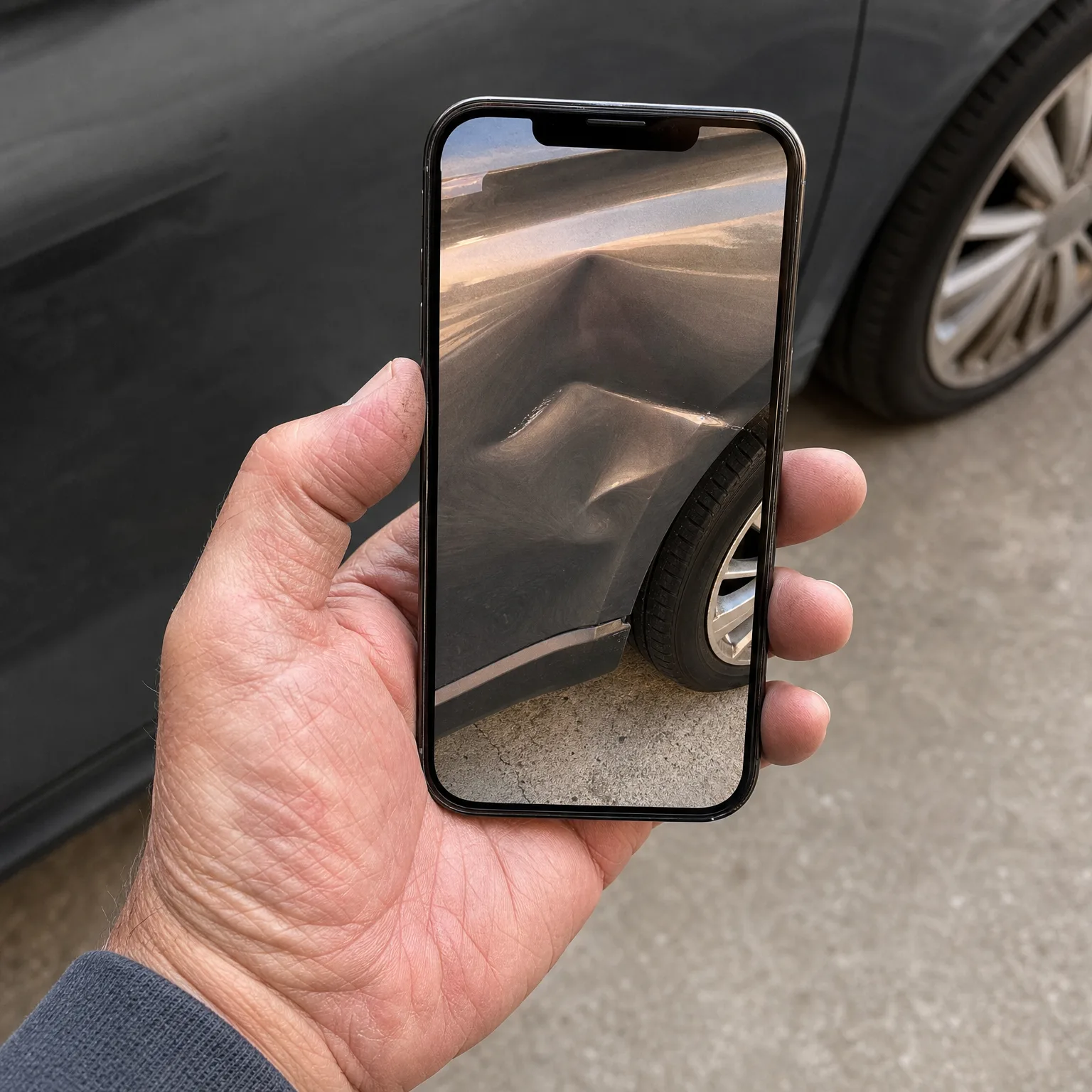
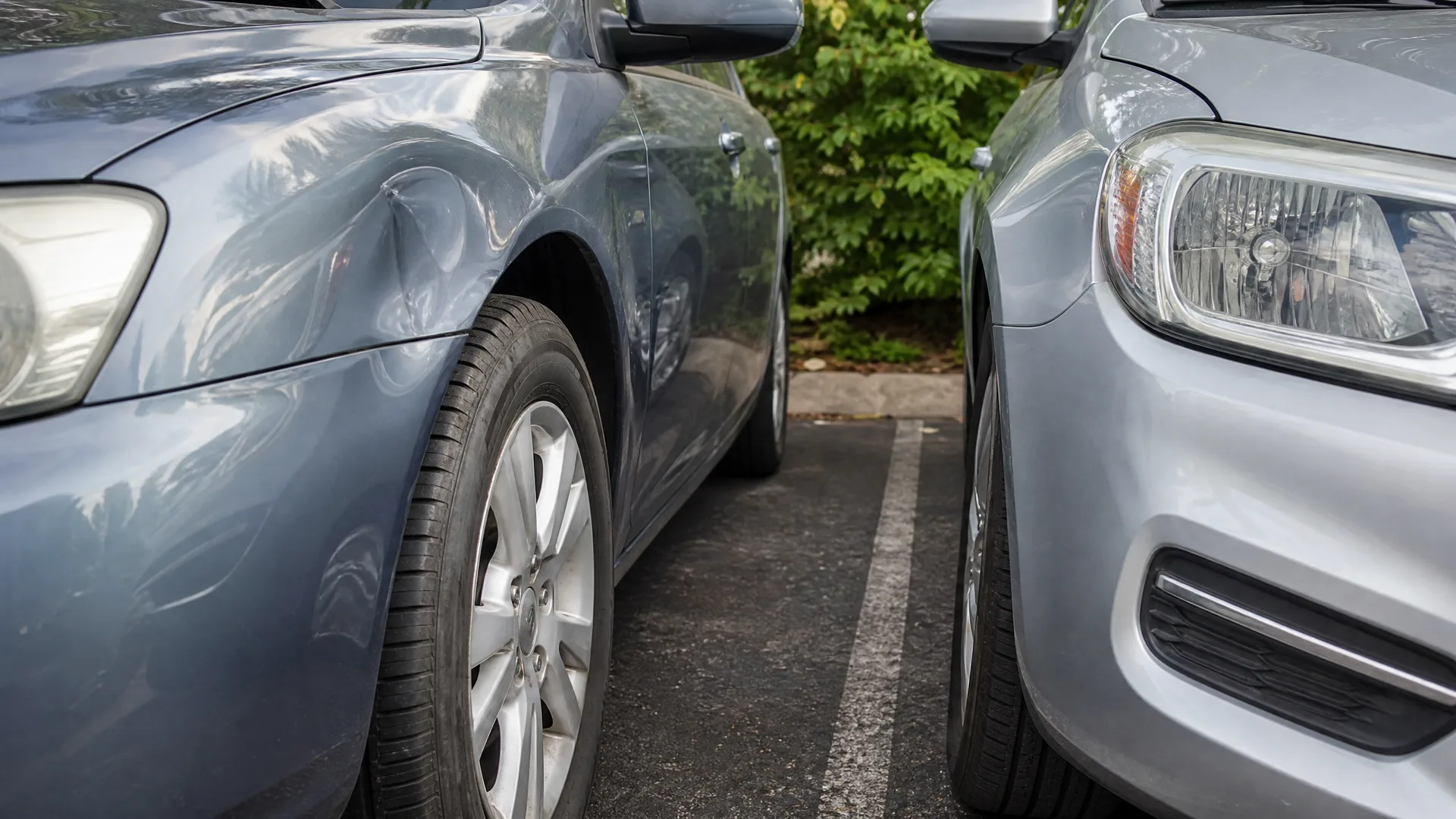
You're pulling out of a grocery store parking lot and misjudge the distance, clipping another car's door and leaving a dent.
This pays for the other car's repair since you were at fault, up to your limit.
A hailstorm hits while your car is parked at church and leaves dents across the hood and roof.
This doesn't pay, since there's no other driver involved. Comprehensive coverage handles weather damage.
A deer runs into the road at dusk on a county highway and you can't avoid hitting it, damaging the front of your car.
This doesn't pay here either, since there's no other person's injury or property involved. Comprehensive coverage applies to animal collisions.
Once you've decided what limit makes sense for what you own and how much you drive, compare quotes at that limit so you're pricing the same protection across insurers.
Questions people ask about this
How much liability coverage do I actually need at my age?
It depends mostly on what you have to protect, not your age directly. Add up your savings, home equity, and other assets, since that's what a judgment above your limit could reach. If that total is substantial, a higher limit or an umbrella policy is worth pricing out.
Does my liability limit change if I stop driving as much?
Not automatically, but it's worth mentioning to your insurer. Some policies offer lower rates for reduced mileage, though the limit itself stays whatever you've chosen unless you change it.
Can I be dropped from coverage for being an older driver?
Rules on this vary by state and by insurer, so check your own policy or ask your agent directly. Some insurers do review driving history and may ask for updated information as you age, but a birthday alone isn't usually a trigger.
What happens to my liability coverage if I let my adult child drive my car?
In most cases your policy's liability limit follows the car, so it would apply if your child is driving with your permission. Check your policy for any listed driver requirements or exclusions, since these details vary.
Should I raise my liability limit instead of buying umbrella coverage?
Raising your auto limit is a reasonable first step and is often simpler to arrange. But umbrella coverage usually offers more protection for the cost once you're above a certain limit, so it's worth comparing both rather than choosing only one.