Liability Limits for Seniors in South Carolina
Liability limits are the amount your insurance will pay for injuries or property damage you cause someone else while driving, and nothing more.
What liability limits pay for
Covers
- Injuries to other people If you cause a wreck, this pays for the other driver or passengers' medical care up to your limit.
- Damage to another car It pays to repair or replace the other vehicle when you're at fault, again up to your limit.
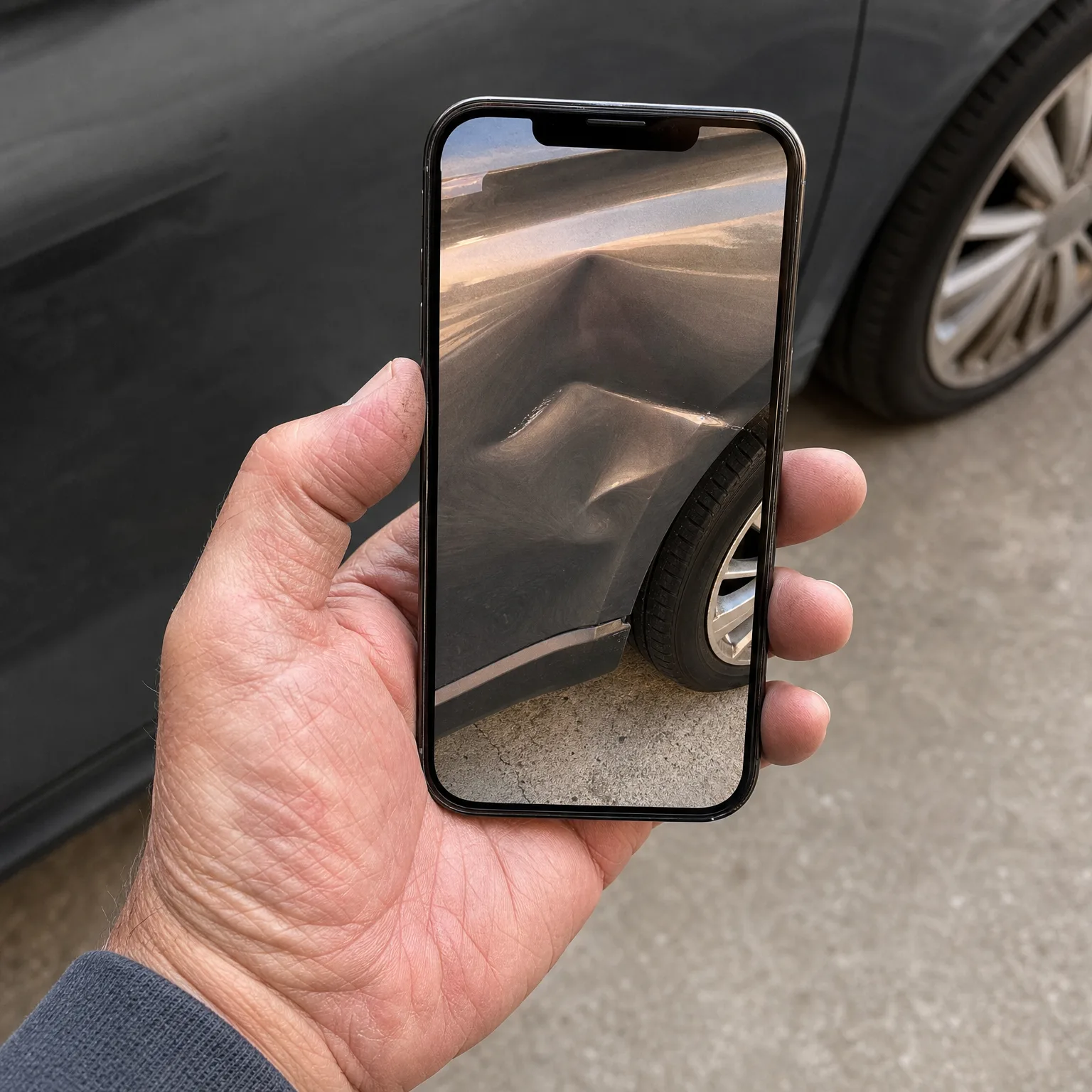
- Damage to property If you hit a fence, a mailbox, or someone's garage, this is the part of your policy that pays for it.
- Legal defense if you're sued If the other driver sues over the accident, your insurer typically provides and pays for a lawyer.
- Costs above a single per-person cap Many policies split the limit between a cap per person hurt and a higher cap for the whole accident, so a crash with several injured people draws from the larger pool.
Doesn't cover
- Your own injuries Liability only covers other people. Your own medical costs come from medical payments coverage or your health insurance.
- Damage to your own car That's collision coverage. Liability won't pay a cent toward fixing or replacing your vehicle.
- A hit and run driver hits you When someone else is at fault and uninsured, that's handled by uninsured motorist coverage, not your liability limits.
- Weather or animal damage Hail, flooding, or hitting a deer falls under comprehensive coverage since no one is legally liable.
- A passenger in your own car If someone riding with you is hurt and you're at fault, this coverage pays their claim, but it won't pay anything toward your own injuries.
Higher limits are almost always worth it at this age
The coverage itself isn't optional in a meaningful sense, since some amount of it is required almost everywhere, and in states where it isn't required outright it's still the foundation of a usable policy. The real decision for someone your age isn't whether to carry it, it's how high to set it.
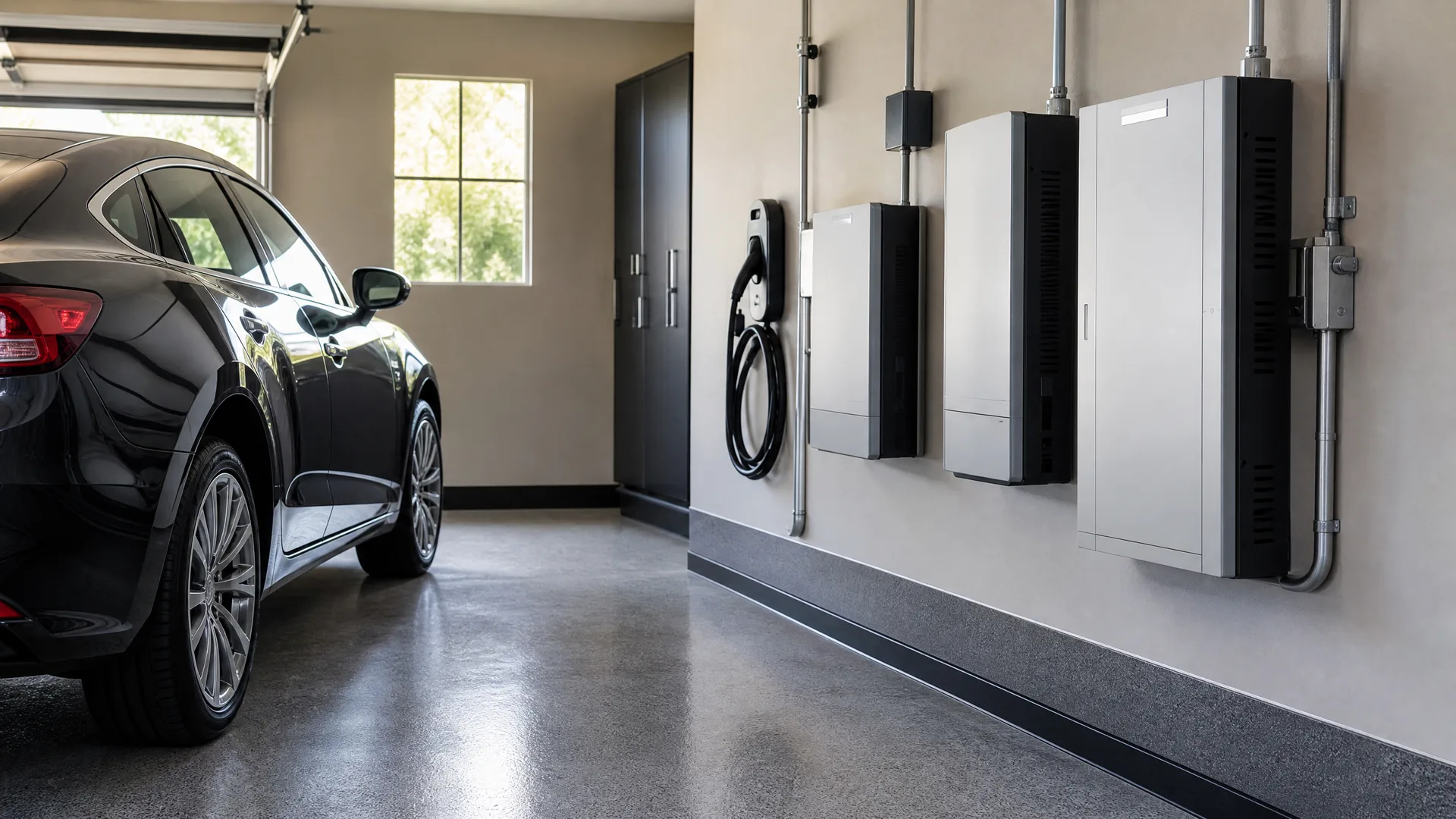
Think about what you have to protect. If you own a paid-off home, hold savings, or have retirement accounts, a low limit leaves all of that exposed if a bad accident outpaces your coverage and someone comes after the rest. Higher limits cost little compared to what they protect.
How much you drive matters too. Someone who's cut back to short trips to church, the pharmacy, and a weekly visit to grandkids faces less exposure than someone still commuting daily or driving long distances to see family. Less time on the road lowers your odds of a serious at-fault accident, but it doesn't erase them.
Where the car sits and who else drives it count as well. A car parked on a quiet street and driven mostly by you is a different risk than one a grandchild borrows on weekends. If other people drive your car regularly, your liability limits are protecting them too, not just you.
What happens when you actually use it
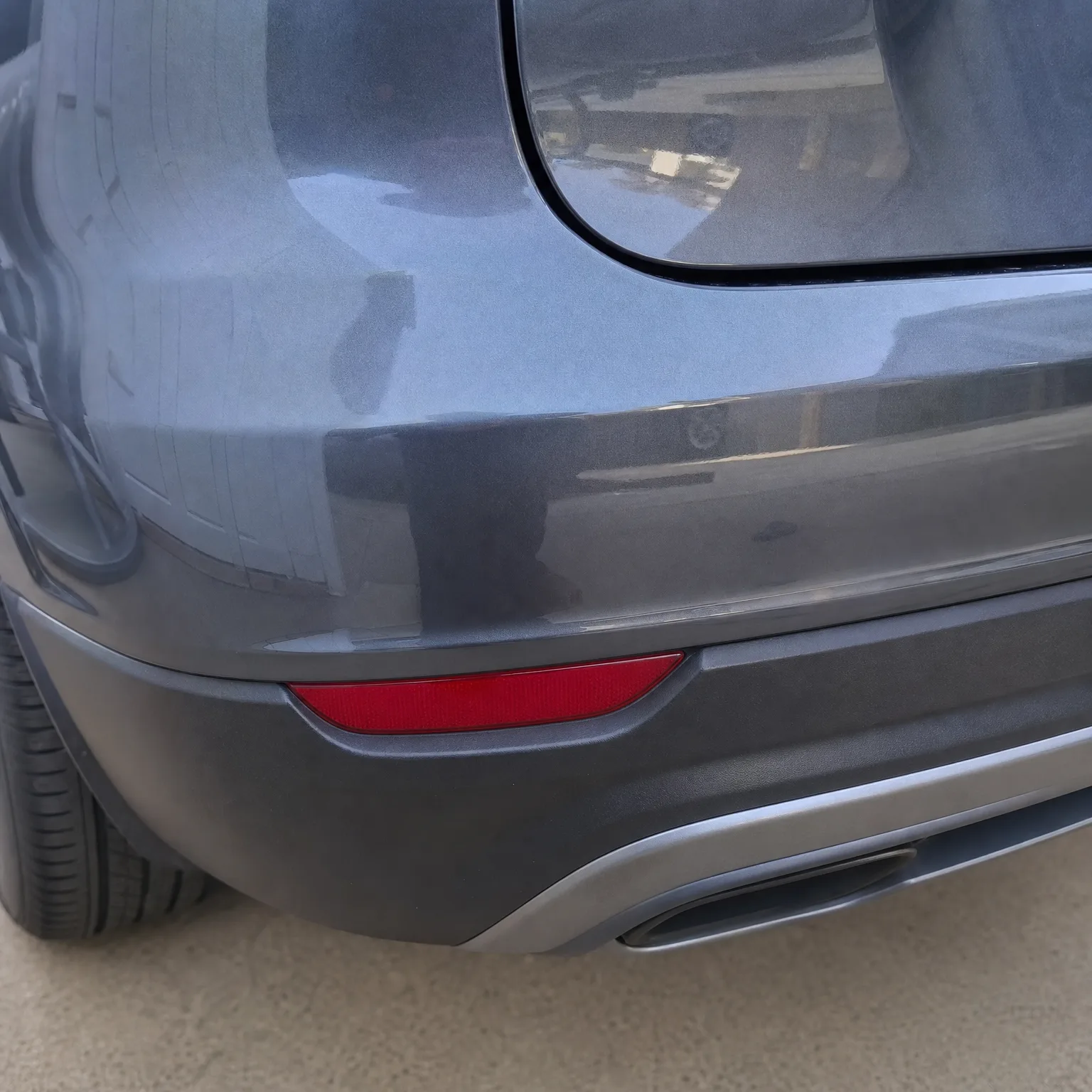
Liability coverage doesn't involve your own deductible, since it's paying someone else's claim, not fixing your own car. Once you report the accident, your insurer investigates who was at fault and, if it's you, starts handling the other person's claim directly.
The payout covers the other driver's repair costs or medical bills up to your limit, and your insurer's adjuster usually negotiates that directly with the other party or their insurer. If the damage or injury costs more than your limit allows, you're personally responsible for the difference, which is the whole reason limits matter.
Have your policy number, the other driver's information, and any police report ready when you file. The clearer the record of what happened, the faster your insurer can settle the claim and close out your exposure.
Liability limits versus uninsured motorist coverage
Liability Limits
This pays for damage or injuries you cause to someone else. It protects your assets and your future income, not your own car or body.
Uninsured Motorist Coverage
This protects you when someone else causes the accident but doesn't have enough insurance, or any at all, to pay for your injuries or damage. It steps in where their liability coverage should have been.
If you want to protect what you own, focus on liability limits, but if you're worried about being hurt by someone who can't pay, uninsured motorist coverage is the one doing that job.
Real situations
You're backing out of a parking spot at the grocery store and clip another car, denting its door.
Liability pays for the other car's repair since you were at fault.
A hailstorm hits while your car is parked at church and dents the hood and cracks the windshield.
Liability doesn't pay here, since no one caused the damage. That's comprehensive coverage.
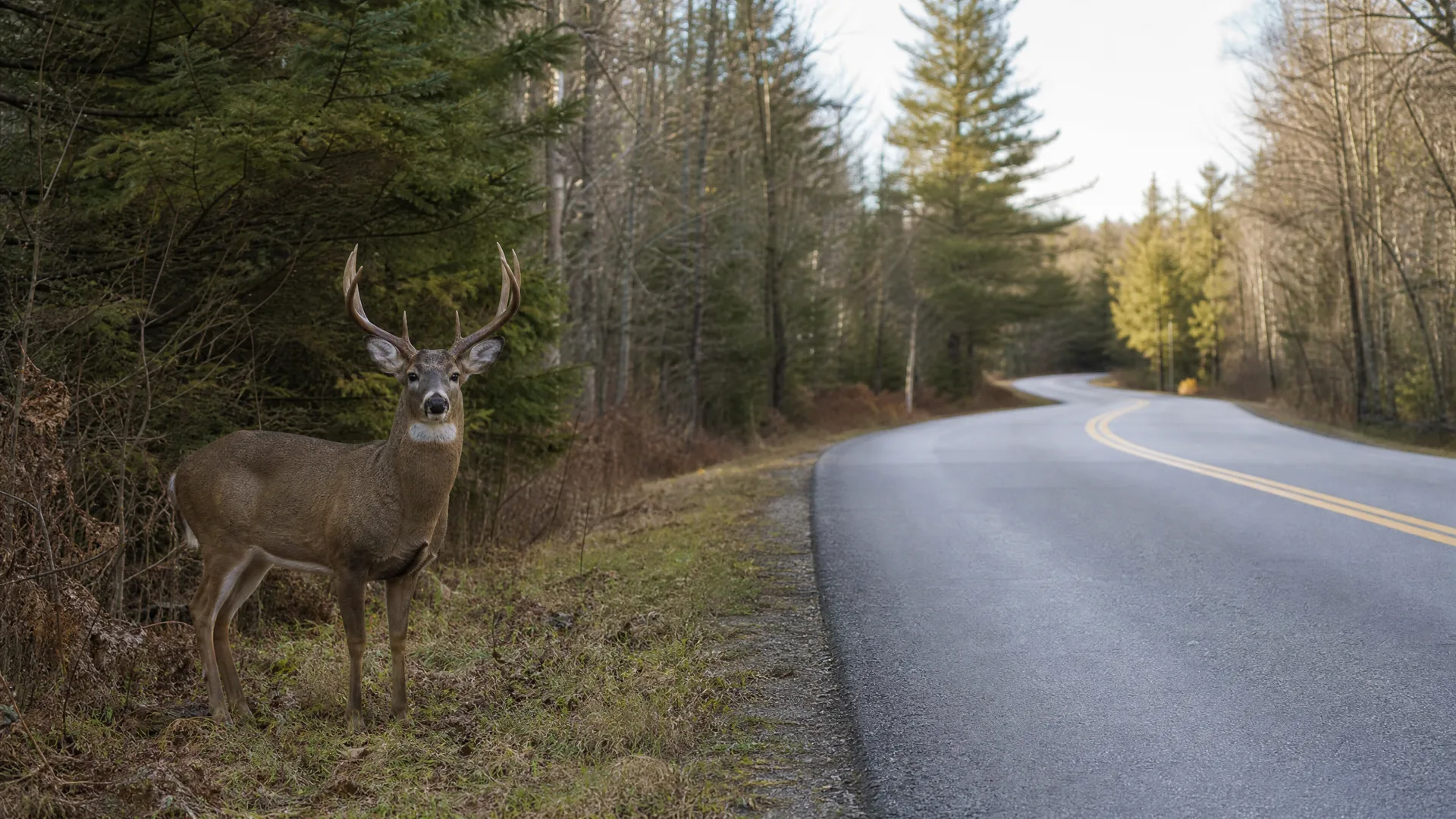
A deer runs into the road at dusk on a county highway and you can't avoid it, damaging your bumper and headlight.
Liability doesn't apply since there's no other party at fault. Comprehensive covers animal collisions.
Once you know what limits you want to carry, compare quotes to see what different insurers charge for that same protection.
Questions people ask about this
How much liability insurance do I actually need?
It depends on what you have to protect, not a fixed number. Add up your savings, home equity, and other assets, since that's roughly what a lawsuit could put at risk beyond a low limit. Many people choose limits well above the minimum once they see the gap.
Can I be sued for more than my liability limit covers?
Yes, if a judgment exceeds your limit, you're personally responsible for the rest. This is the main reason people with meaningful assets choose higher limits. An umbrella policy is another option some people add for extra protection above their auto limits.
Does liability insurance cover a family member driving my car?
Usually yes, as long as they have your permission and aren't excluded on your policy. Your liability coverage generally follows the car, not just you as the named driver. Check your policy if a grandchild or other relative drives it often.
What happens if I drop liability coverage entirely?
In places where it's required, driving without it can mean fines, license suspension, or other penalties if you're caught. Even where it isn't required, going without it means you'd pay out of pocket for any damage or injury you cause. Check your state's rules and your own comfort with that risk.
Should I lower my liability limits once I'm retired and driving less?
Driving less lowers your odds of an accident, but it doesn't lower what a single bad one could cost you. Most people this age keep their limits steady or raise them, since their assets haven't shrunk even if their mileage has. It's worth reviewing with your policy in hand rather than guessing.