Liability Limits for Seniors in Rhode Island
Liability limits are the dollar ceilings on what your insurance pays when you cause an accident that injures someone else or damages their property.
What liability limits actually pay for
Covers
- Injuries to other people If you're at fault in a crash, this pays the other driver's or pedestrian's medical bills up to your limit.
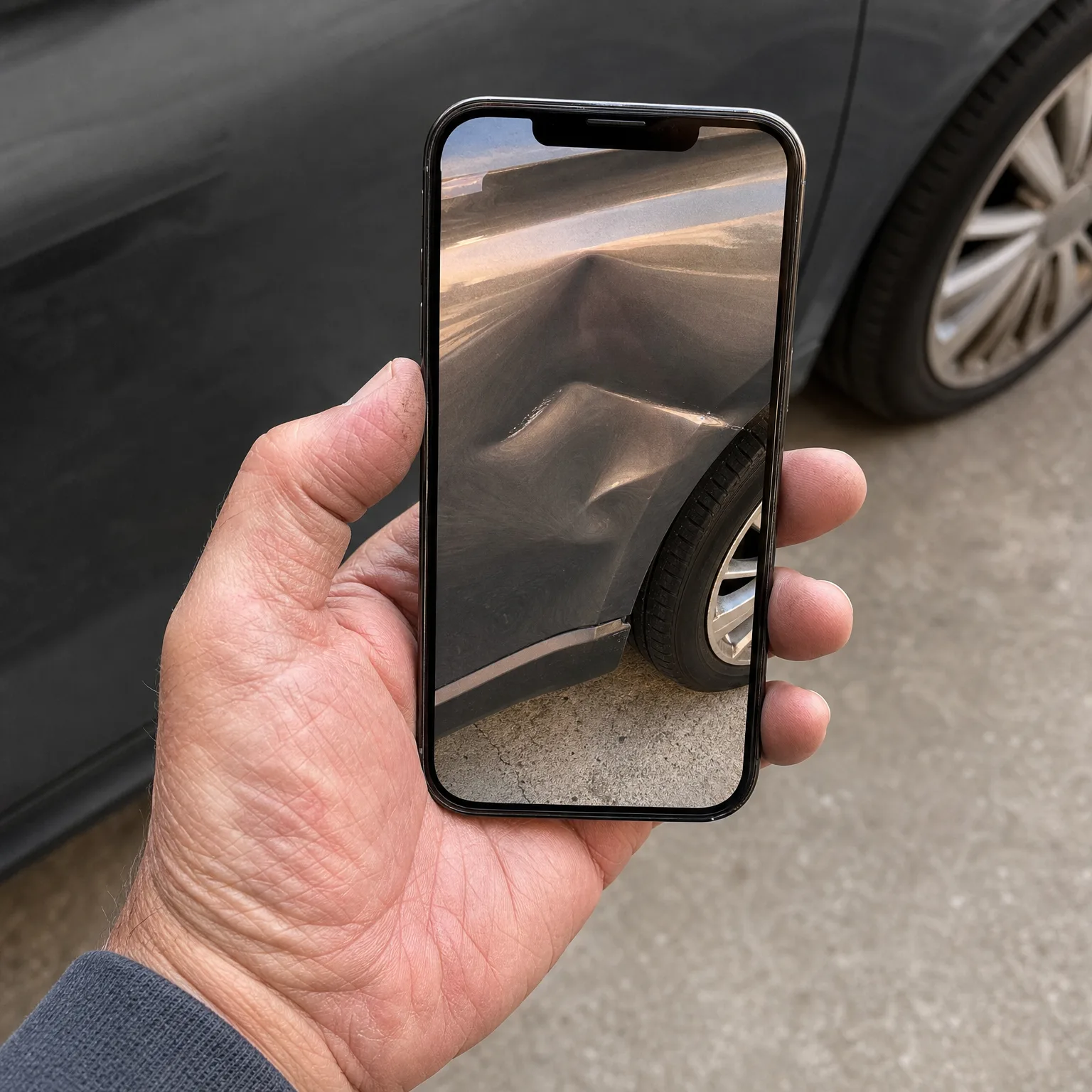
- Damage to their vehicle or property It covers repairs to the other car, or to a fence, mailbox, or building you hit, up to your property damage limit.
- Your legal defense If you're sued over the accident, your insurer typically provides and pays for a lawyer, usually on top of your limits.
- Lost wages the other person claims If their injury kept them from working, a claim against your liability coverage can include that loss.
- Settlements negotiated on your behalf Your insurer handles negotiations with the other party or their insurer, so you aren't doing that yourself.
Doesn't cover
- Your own car's damage Liability doesn't touch your vehicle at all. Collision coverage handles that, if you carry it.
- Your own injuries Your medical costs after a crash you caused come from medical payments coverage, personal injury protection, or your health insurance, not liability.
- A hit and run with no other driver found With no at-fault driver to pursue, liability has nothing to respond to. Uninsured motorist coverage is what applies there.
- Damage from weather, animals, or theft Those are comprehensive claims. Liability only applies when you're legally responsible for harming someone else.
- Costs above your limit If a judgment or settlement exceeds what your limit pays, you can be personally responsible for the rest unless you carry an umbrella policy.
For most older drivers, it's worth carrying higher limits than the minimum
The reason comes down to what you have to lose, not what you drive. A newer car and a clean driving record don't protect your savings or a paid-off house if you cause a serious accident. Low liability limits were set decades ago with much smaller claims in mind, and a single bad crash involving another person's injuries can easily exceed them.
If you have real savings, a retirement account, or you own your home outright, raising your limits costs little compared to what's at risk if you're sued for more than a minimum policy would pay. The gap between a minimum limit and a comfortable one often isn't large, especially set against decades of driving ahead.
How much you drive still matters. Someone who's mostly off the road, running local errands and visiting family nearby, carries less daily risk than someone commuting or driving long distances regularly. But less driving doesn't mean no risk, and a single serious crash doesn't care how many miles you log in a year.
If your only vehicle is older and worth little, you may already be skipping collision coverage on it. That decision doesn't extend to liability. Liability protects what you have in the bank and in your name, not what the car itself is worth.

What happens when you use it
There's no deductible on liability coverage, since it isn't paying to fix anything of yours. After a crash where you're at fault, you report it to your insurer, who investigates and deals directly with the injured party or their insurer. You generally aren't negotiating the payout yourself.
The payment goes to the other person or their insurer, covering their medical bills, vehicle repairs, or other losses, up to your limit. If the claim is for more than your limit covers, you may be asked to pay the difference personally, which is the core reason people raise their limits in the first place.
Have your policy details ready, along with the other driver's information, any photos from the scene, and a police report if one was filed. If you're sued over the accident, notify your insurer right away so they can provide a defense under your policy.
Liability limits compared to an umbrella policy
Liability limits
These are the caps built into your auto policy itself. They apply only to accidents involving your vehicle, and only up to the dollar amount you've chosen.
Umbrella policy
This is a separate policy that sits on top of your auto liability limits and kicks in once those limits are used up. It can also cover situations beyond driving, like a guest injured on your property.
If you have significant savings or assets to protect, raising your auto liability limits first and then adding an umbrella policy gives you broader protection than raising auto limits alone.
Real situations
You're pulling out of a parking lot after church and clip another car, denting its door.
Liability pays for the other car's repair, since you were at fault for the damage.
A hailstorm hits while your car is parked in your driveway overnight.
Liability doesn't apply here, since no one else was harmed. Comprehensive coverage handles weather damage to your own car.
A deer runs into the road at dusk and you hit it, damaging your front bumper.
Liability doesn't pay for this since there's no other person involved. Comprehensive coverage is what applies to animal collisions.

Once you've decided whether to raise or keep your liability limits, compare quotes at that level so you're looking at real, comparable prices.
Questions people ask about this
How much liability insurance do I actually need at my age?
It depends on what you'd have to lose in a lawsuit, not your age itself. Look at your savings, home equity, and other assets, since those are what's exposed if a claim goes beyond your limits. A financial advisor or your insurer can help you think through the right number for your situation.
Does my liability coverage drop if I stop driving as much?
Not automatically, though some insurers offer lower rates for low mileage, which you'd need to ask about directly. Your limits stay the same regardless of how often you drive. Reducing mileage lowers your odds of a claim, but doesn't change what you're covered for if one happens.
Can my children be covered under my liability limits if they drive my car?
Usually yes, if they're driving with your permission and aren't regularly excluded from your policy. Check your policy for any listed exclusions or restrictions on other drivers. If an adult child drives your car often, let your insurer know so there are no surprises during a claim.
What happens if I cause an accident and don't have enough liability coverage?
You can be personally responsible for the remaining cost beyond what your policy pays. This could mean a judgment against your savings, home, or other assets. It's the main reason many people choose to carry more than the minimum, especially once they have assets worth protecting.
Should I drop liability coverage entirely if I rarely drive anymore?
No, liability coverage is typically required to legally drive at all, and dropping it isn't usually an option while you still own and drive a car. If you've stopped driving completely, you'd look at removing the vehicle from your policy entirely rather than just dropping liability. Check with your insurer about what's required in your situation.