Liability Limits for Seniors in Pennsylvania
Liability limits are the dollar amounts your policy will pay on your behalf when you cause an accident that injures someone or damages their property.
What liability limits actually set
Covers
- Injuries to other people If a crash you caused hurts someone else, this is the pool of money your insurer draws from to pay their medical bills and related losses.
- Damage to their vehicle or property This covers the cost of repairing or replacing the other car, a fence, a mailbox, anything you damage that belongs to someone else.
- Your legal defense If the other driver sues you over the accident, your insurer typically provides and pays for a lawyer, usually on top of your limits rather than out of them.
- A per-person cap and a per-accident cap Most policies set one limit for a single injured person and a higher overall limit for everyone hurt in the same accident, so a crash with multiple injured people can use up the total faster.
- Settlements and judgments up to the limit Once a claim is valued, your insurer pays up to whatever number you chose, and anything above that number becomes your personal responsibility.
Doesn't cover
- Your own injuries Liability only pays other people, so your own medical costs come from health insurance or coverage you add specifically for yourself.
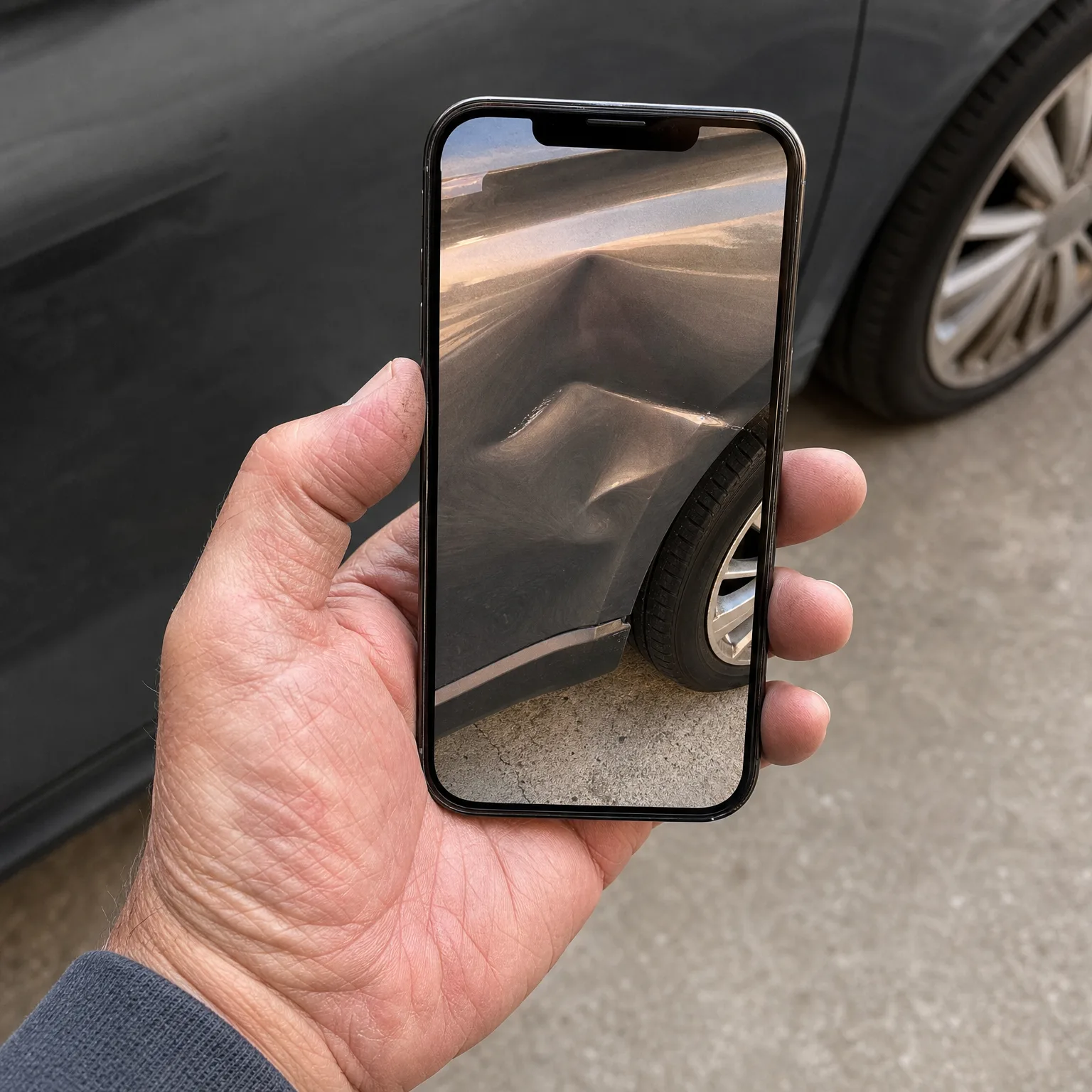
- Damage to your own car Repairing or replacing your vehicle after a crash you caused falls under collision coverage, not liability.
- A hit and run or an uninsured driver If someone else causes the crash and has no insurance or flees, that's handled by a different coverage built for that situation, and liability doesn't apply.
- Weather, animals or theft A cracked windshield from a storm or a deer strike is a comprehensive claim, since no other driver is at fault for liability to respond to.
- A passenger in your own car in some situations Depending on what other coverage is on the policy, a passenger you injure may be paid through liability, but it isn't automatic and is worth checking on your own policy.
Yes, keep this one and consider setting it higher than the minimum
This is the coverage that protects what you've saved, not just the car. If you own a home, have retirement accounts, or have money set aside, a serious accident you cause can expose all of it once your liability limit runs out, since you remain personally on the hook for the rest.
The value or age of your own car has nothing to do with this decision. You might drive a car that's fully paid off and worth very little, but the other driver's car, and their injuries, have nothing to do with what your car is worth. This is about what you could owe someone else, not what you own.
How much you drive and where the car sits matters less here than you'd think. Even someone who only drives to church and the grocery store twice a week faces the same risk on each trip, since liability isn't priced by how often you're unlucky. One bad intersection is enough.
If most of what you have is Social Security and a modest savings account with little else to protect, you still want a reasonable limit, because legal judgments don't stop at what you can easily pay. Raising this limit is usually one of the cheaper upgrades on a policy, so it's worth asking what a higher number actually costs before assuming it's out of reach.
What happens when you actually use it
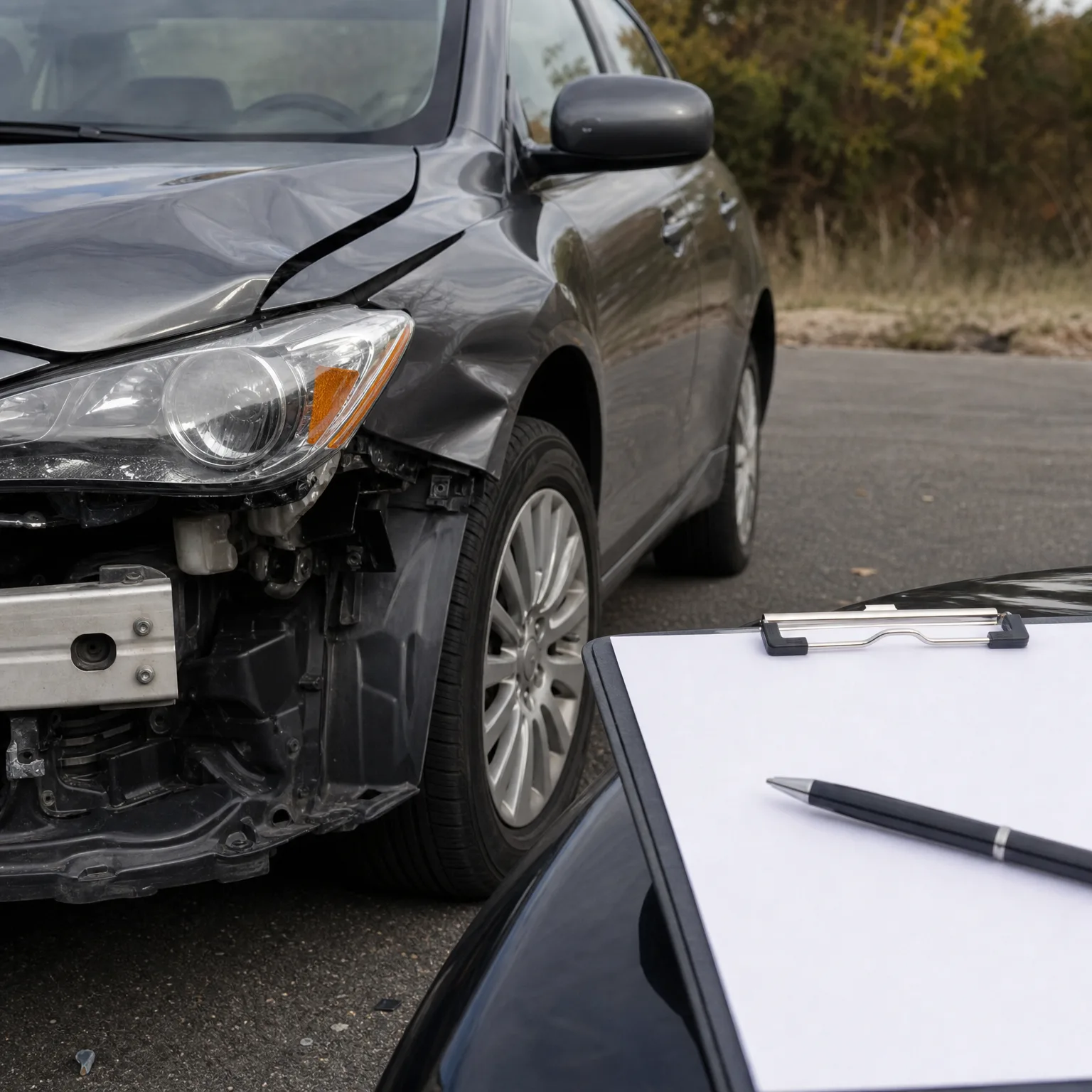
There's no deductible on your side for liability, since this coverage pays the other person, not you. You file a claim, your insurer investigates who was at fault, and if you're found responsible, they begin negotiating with the injured party or their insurer directly.
Have your policy information, a description of what happened, and any police report ready, along with contact information for the other driver and any witnesses. Your insurer will usually want a recorded statement from you fairly early in the process.
The payment goes to the other party, not to you, and it only covers what's within your limits. If the claim is valued higher than your limit allows, your insurer pays up to that number and stops, and you can be pursued personally for the difference.
Your insurer typically handles the back and forth, including any negotiation or lawsuit, so your main job is to answer their questions honestly and promptly and let them manage the claim.
Liability limits compared to uninsured motorist coverage
Liability Limits
This pays other people when you're the one at fault in an accident. It protects your savings and assets from a lawsuit or a large claim against you.
Uninsured Motorist Coverage
This pays you when someone else causes the accident and doesn't have insurance to cover it, or doesn't have enough. It steps in for your injuries and sometimes your car when the other driver can't pay.
If you're deciding where to spend more, think of liability as protecting what you own and uninsured motorist coverage as protecting you, and most drivers this age benefit from solid limits on both.
Real situations
You're pulling out of a parking lot at the pharmacy and misjudge a gap, clipping another car's rear door.
This pays for the other car's damage and any injury the driver reports, since you caused the accident.
A hailstorm rolls through while your car sits parked outside church during a Sunday service.
This doesn't pay, since no other driver is at fault here and the damage comes from weather, not a collision you caused.
A deer runs into the road at dusk on a county highway and you can't avoid it.
This doesn't pay, since hitting an animal isn't a liability situation and falls under a different part of the policy instead.
Once you've decided what your liability limit should be, compare quotes with that number in mind so you're pricing the same protection across every policy.
Questions people ask about this
What liability limit should I actually choose?
There's no single right number, but it should reflect what you'd stand to lose if someone sued you personally. Look at your total savings, any home equity, and other assets, since those are what's exposed above your limit. Many people choose higher limits than the minimum once they see how little it costs to raise them.
Does liability coverage follow me if I drive someone else's car?
Often yes, liability can extend to you driving a borrowed car with the owner's permission, but this depends on the specific policy and the relationship between the drivers. Check your own policy's language on permissive use before assuming you're covered. The owner's policy is usually primary, with yours as backup.
Can my liability limit go up after I'm sued?
No, your limit is fixed at whatever you chose before the accident happened, and you can't raise it retroactively once a claim exists. This is exactly why reviewing your limit now, rather than after something happens, matters so much. Once a claim is filed, the number on your policy at that moment is what applies.
Do I need an umbrella policy on top of my liability limits?
It depends on how much you have to protect, since an umbrella policy adds another layer above your regular liability limit. People with meaningful savings, home equity, or other assets often add one for extra protection at a relatively low cost. Ask your insurer what amount of underlying liability coverage is required to qualify for one.
Does my age affect my liability insurance cost or requirements?
Age itself doesn't change what liability coverage covers or how it works, though your rate may be affected by factors insurers consider at different ages. Whether certain coverages are required at all can vary by state, so check your own policy or state rules directly. The mechanics of the coverage stay the same no matter how old you are.