Liability Limits for Seniors in Oregon
Liability limits are the most your insurer will pay for injuries or damage you cause someone else, and you choose how high those limits go.
What liability limits actually pay for
Covers
- Injuries you cause others If you're at fault in a crash, this pays the other driver's or passenger's medical bills up to your limit.
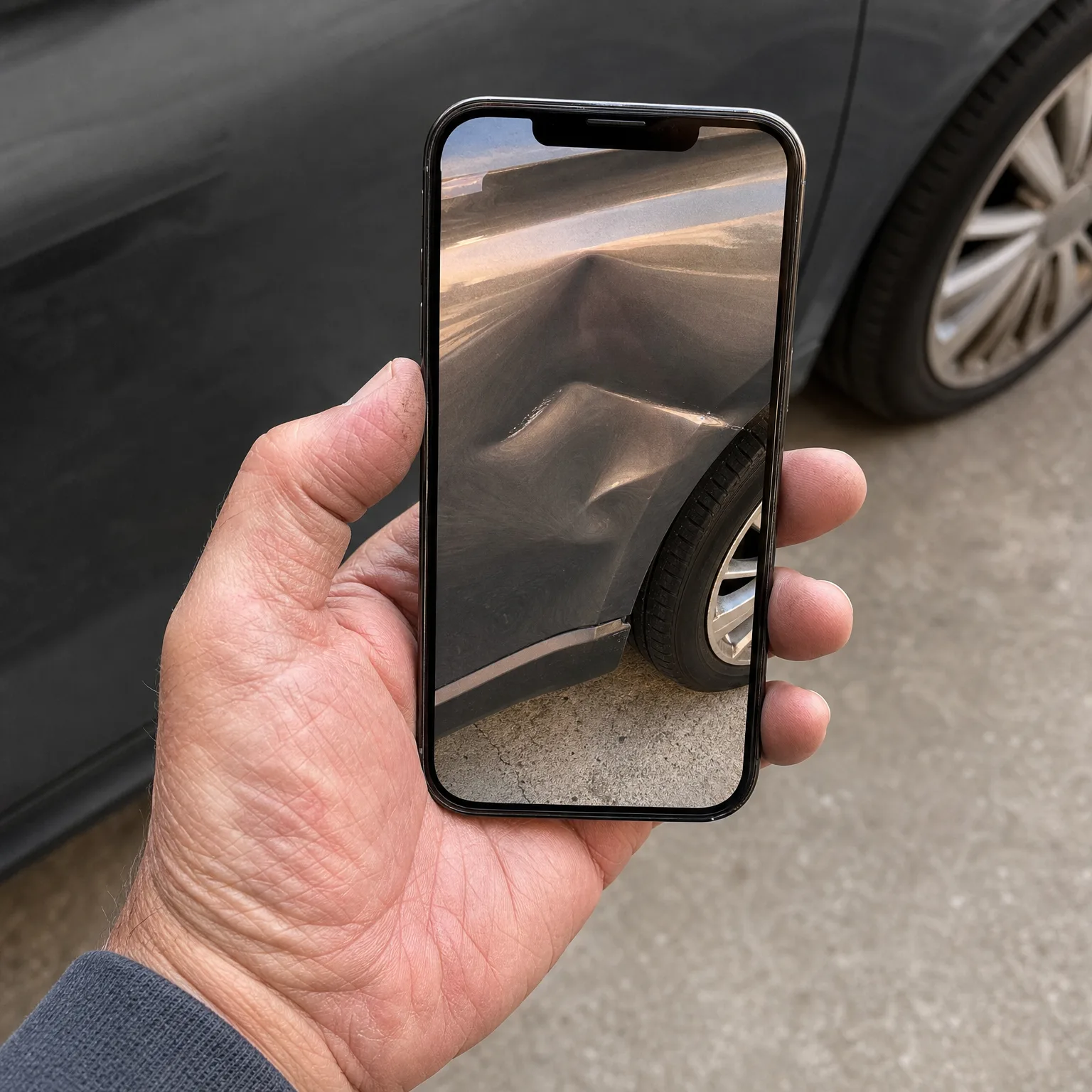
- Damage to their vehicle It covers repairs or replacement for the other car, up to the property damage portion of your limit.
- Damage to other property If you hit a fence, a mailbox or a storefront, this pays for what you damaged.
- Your legal defense If the other party sues you over the accident, your insurer provides a lawyer and covers the costs, usually on top of your limit.
- Costs beyond a single person's share Higher limits spread further when more than one person is hurt in the same accident, since the total still has to fit inside your overall limit.
Doesn't cover
- Your own injuries Liability only pays other people. Your own medical costs come from health insurance, personal injury protection or medical payments coverage.
- Damage to your own car That's what collision coverage is for. Liability never touches your own vehicle, no matter who caused the crash.
- A hit-and-run or uninsured driver If the at-fault driver has no insurance or flees, your liability coverage doesn't help you. Uninsured motorist coverage fills that gap.
- Intentional damage you cause Liability is built for accidents. Deliberate acts are generally excluded and can also cost you the policy itself.
- Costs above your limit If the damage or injuries cost more than your limit, you're personally on the hook for the rest unless you have extra coverage like an umbrella policy.
Yes, and higher limits usually make sense at this age
Minimum limits exist mostly to meet a legal requirement, not to actually protect what you own. Whether that's required at all, and what the minimum is, varies by state, so check your own policy or declarations page to see where you stand now.
What matters most is what you'd lose if you caused a serious accident. If you own your home, have retirement savings, or hold other assets, a low limit leaves all of that exposed to a lawsuit once your coverage runs out. Raising the limit is often one of the cheaper ways to protect what you've spent decades building.
How much you drive matters too. Someone who still commutes daily or takes long highway trips to see grandchildren faces more exposure than someone who drives a few miles a week to the store. But even infrequent drivers can cause a serious accident on any given day, so low mileage is a reason to shop carefully, not a reason to skip this coverage.
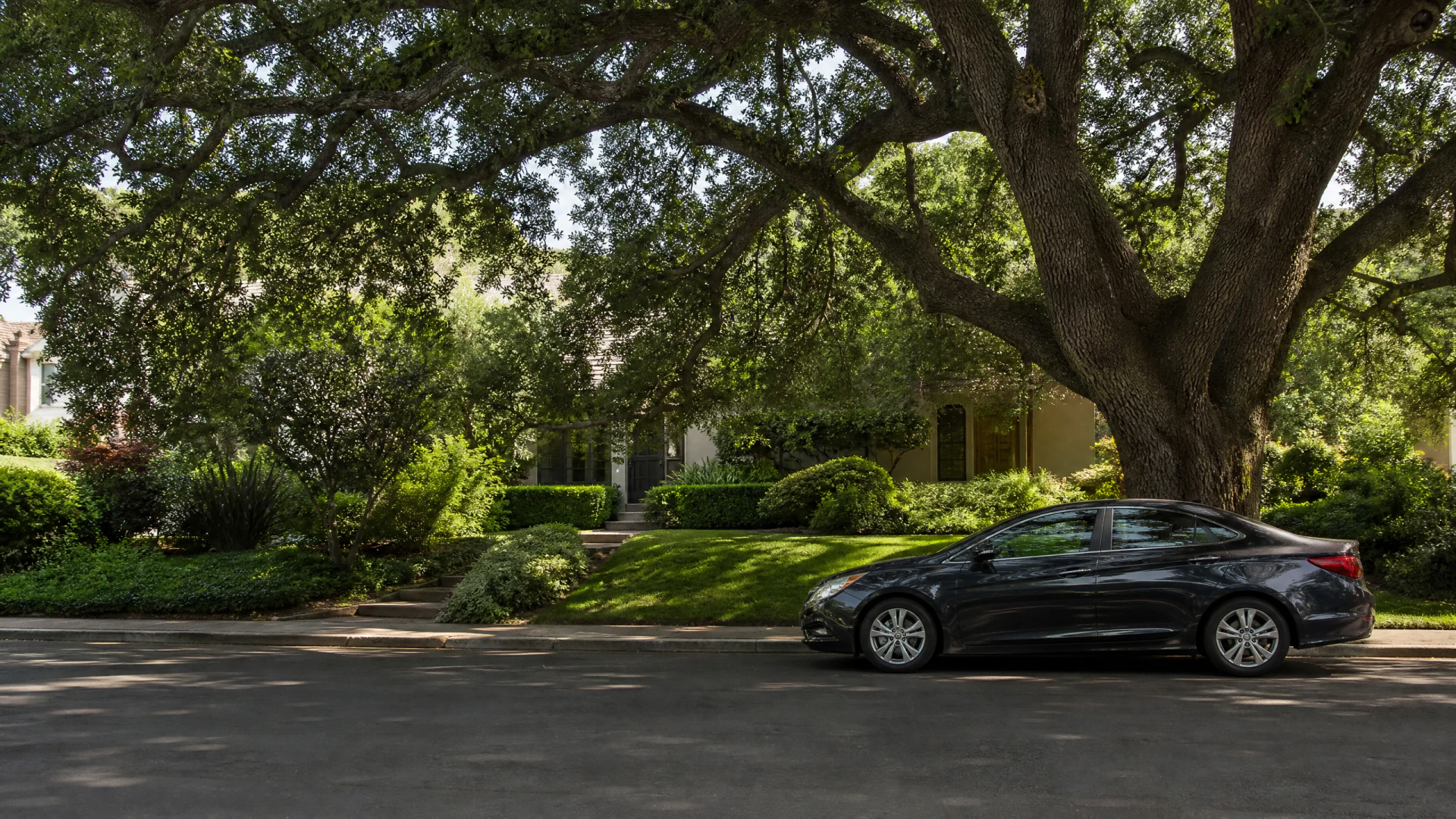
Where the car sits matters less than how it's driven. A car kept in a garage isn't any less likely to be in a wreck on the road. Don't let a quiet driveway talk you into a limit that wouldn't cover a bad day.

How a liability claim actually plays out
There's no deductible on liability coverage. You don't pay anything out of pocket toward the other person's damage or injuries; your insurer pays directly up to your limit, and that's part of why having an adequate limit matters so much.
After a crash where you're at fault, the other party files a claim against your policy. Your insurer investigates, confirms fault, and then negotiates or pays out the claim for their vehicle damage, medical bills or both. If the claim is large, this can take some time, especially if injuries are involved.
If the total claim is more than your limit, you're personally responsible for the difference, and the other party can pursue you directly for it. This is the scenario higher limits are meant to prevent.
Have your policy details on hand after any accident, along with photos, a police report if one was filed, and contact information for everyone involved. Reporting the accident to your insurer quickly helps the claim move faster and keeps the process in your insurer's hands rather than yours.
Liability limits versus an umbrella policy
Liability Limits
This is the coverage built into your auto policy. It pays for injuries or damage you cause to others, up to whatever limit you've chosen, and it's the first layer that responds after an at-fault accident.
Umbrella Policy
An umbrella policy sits on top of your auto liability limit and kicks in once that limit is used up. It usually covers a broader range of situations too, not just driving, but it requires your underlying auto limit to already be set at a certain level.
If you have real assets to protect, raise your auto liability limit first, then consider an umbrella policy for the extra layer above it.
Real situations
You're pulling out of a grocery store parking lot and misjudge the distance, clipping another car's door as its owner is loading bags.
This pays for the other car's door repair and any medical costs if the owner was hurt, since you were at fault.
A deer runs into the road at dusk on a county highway and you can't stop in time, damaging the front of your own car.
This doesn't pay, since the damage is to your own vehicle; comprehensive coverage handles animal collisions.
While merging onto a highway, you sideswipe another car and the other driver later says their neck has been bothering them since.
This pays for their medical evaluation and treatment if it's determined you caused the accident.
Once you know what limit fits what you actually have to protect, compare quotes at that limit so you're pricing the coverage you actually need.
Questions people ask about this
How much liability coverage do I actually need as a senior?
Enough to cover what you'd lose in a lawsuit, which for most people means looking at savings, home equity and other assets rather than a generic number. A financial advisor or your insurance agent can help you estimate a reasonable limit based on what you own. Many people choose a limit well above any state minimum once they look at it this way.
Does liability insurance go up when you're older?
It can shift either direction depending on your driving record and how your insurer rates age, since some insurers see long experience as lower risk while others factor in slower reflexes or health conditions. The only way to know is to get a current quote rather than assume. Shopping around periodically is worth doing even on a policy you've kept for years.
Can I be sued for more than my liability limit covers?
Yes, and that's the real risk of carrying a low limit. If a judgment exceeds what your policy pays, you're personally responsible for the rest, and that can include wages or assets. This is the main reason to set your limit based on what you have to lose, not just what's required.
Should I drop liability coverage on an old car I rarely drive?
No, liability coverage isn't tied to your car's value, so the age or worth of the car doesn't change whether you need it. It protects against what you do to others, not damage to your own vehicle. Dropping liability to save money leaves you fully exposed every time you drive.
Does liability insurance cover a family member driving my car?
Usually yes, as long as they have your permission and are listed on the policy or fall under its normal usage terms. Coverage details and household member rules can vary by insurer, so check your policy or ask your agent before assuming. This matters if a spouse, adult child or grandchild borrows the car regularly.