Liability Limits for Seniors in Ohio
Liability limits are the top amount your policy pays for injuries or damage you cause someone else, and nothing beyond that comes from your insurer.
What liability limits pay for
Covers
- Injuries to other people If you cause a crash, this pays for the other driver's or passenger's medical care up to your limit.
- Damage to their vehicle This pays to repair or replace the other car when the accident is your fault.
- Damage to property If you hit a fence, a mailbox or a storefront, this covers the cost of fixing it.
- Someone else's lost income If an injured person can't work because of the crash, a liability claim can include that loss.
- Your legal defense If you're sued over the accident, your insurer provides and pays for a lawyer, usually on top of your limit, not out of it.
Doesn't cover
- Your own car Liability doesn't pay to fix or replace your vehicle. That's collision coverage, if you carry it.
- Your own injuries Your medical bills after a crash you caused are handled by your health insurance or by medical payments or personal injury protection, if you have it.
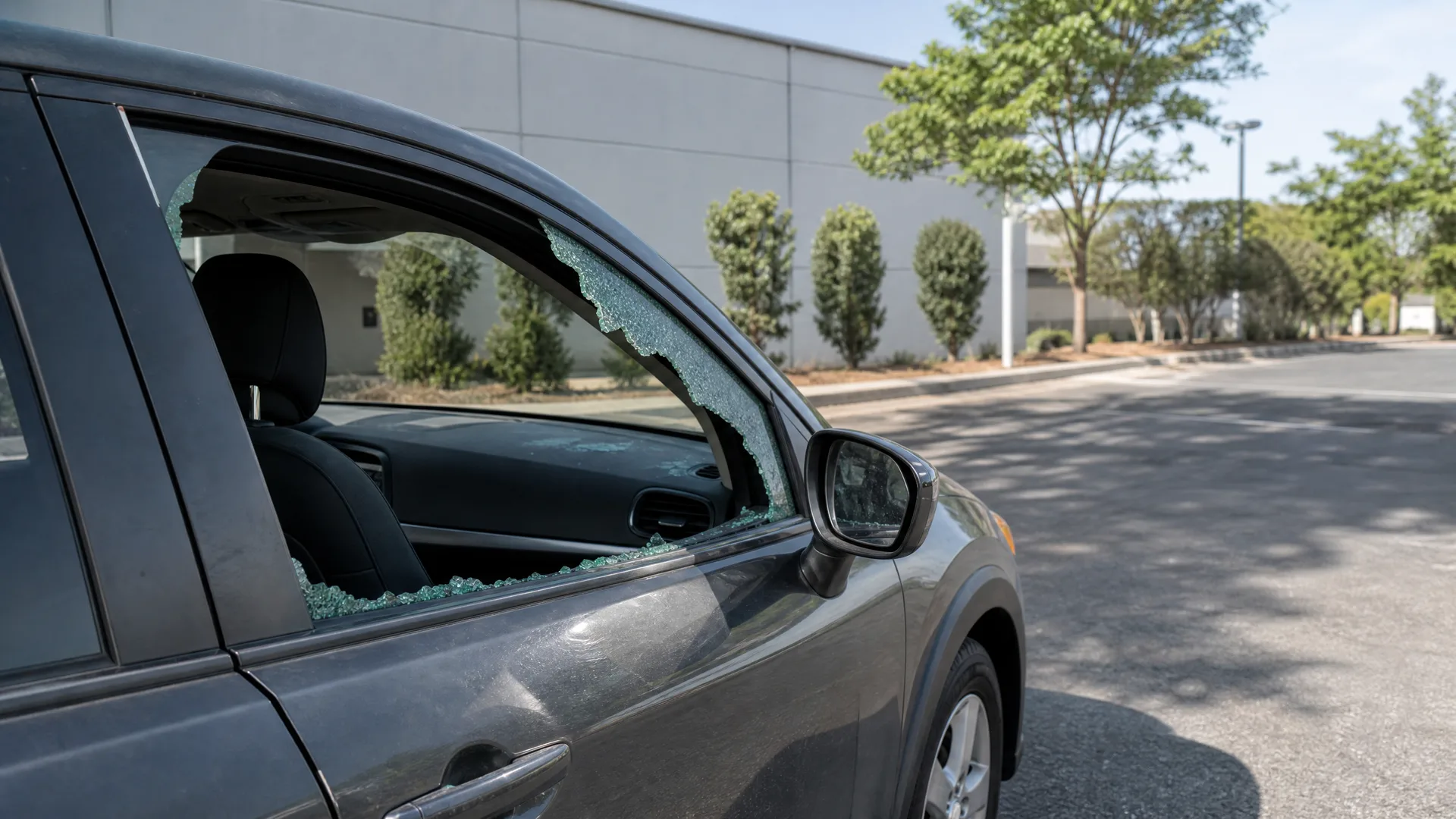
- A deer or a falling branch Liability only applies when you're responsible for harming someone else. Comprehensive coverage handles weather, animals and other non-collision events.
- A hit-and-run driver If someone else hits you and leaves, your own liability limits don't help. Uninsured motorist coverage is what responds there.
- A friend's injuries on your couch Liability is for the car. Injuries at your home are a homeowners or renters matter, not an auto one.
Yes, keep this one, and make sure the limit is high enough
This is the coverage that protects what you've saved, not the car itself, so the question isn't what your car is worth. It's what you have that a lawsuit could reach after a bad accident. If you own a home, have retirement accounts, or simply have more saved than your state's minimum limit would cover, a low limit leaves the rest exposed.
How much you drive still matters, even later in life. Fewer miles means fewer chances of causing a serious crash, but it only takes one, and a single injury claim involving another driver can easily exceed an old, low limit bought decades ago.
Many older drivers are still carrying the limit they chose when they bought their first policy, sometimes the state minimum, sometimes a number that felt like plenty at the time. Assets usually grow over the years even when the policy doesn't change with them, which is worth checking rather than assuming.
If your household has a second car, or a driver with a recent ticket or claim on their record, that raises the odds of a claim coming from your policy rather than someone else's. That's a reason to raise the limit, not lower it.

How it works when you need it
Liability doesn't have a deductible on your end, because it isn't paying for your damage. The other driver files a claim against your policy, and your insurer investigates who was at fault before paying anything.
If you're found responsible, the payment goes to the other person or their repair shop, up to your limit, and covers their vehicle, their medical bills, or both. If the costs run higher than your limit, you can be personally responsible for the difference, which is the core reason to carry enough.
Have your policy details, the other driver's information and any police report ready when you call it in. Photos of the scene and the damage help the claim move faster and reduce back-and-forth later.
Your insurer typically handles the negotiation and any paperwork with the other side directly, so once you've reported it, most of the work isn't on you.
Liability limits vs. uninsured motorist coverage
Liability limits
This pays the other person when you're at fault. It protects your savings from a lawsuit after an accident you caused.
Uninsured motorist coverage
This pays you when someone else causes the accident and doesn't have enough insurance, or any at all, to cover your injuries or damage.
If you want both sides of a bad accident covered, you need both, since neither one fills in for the other.
Real situations
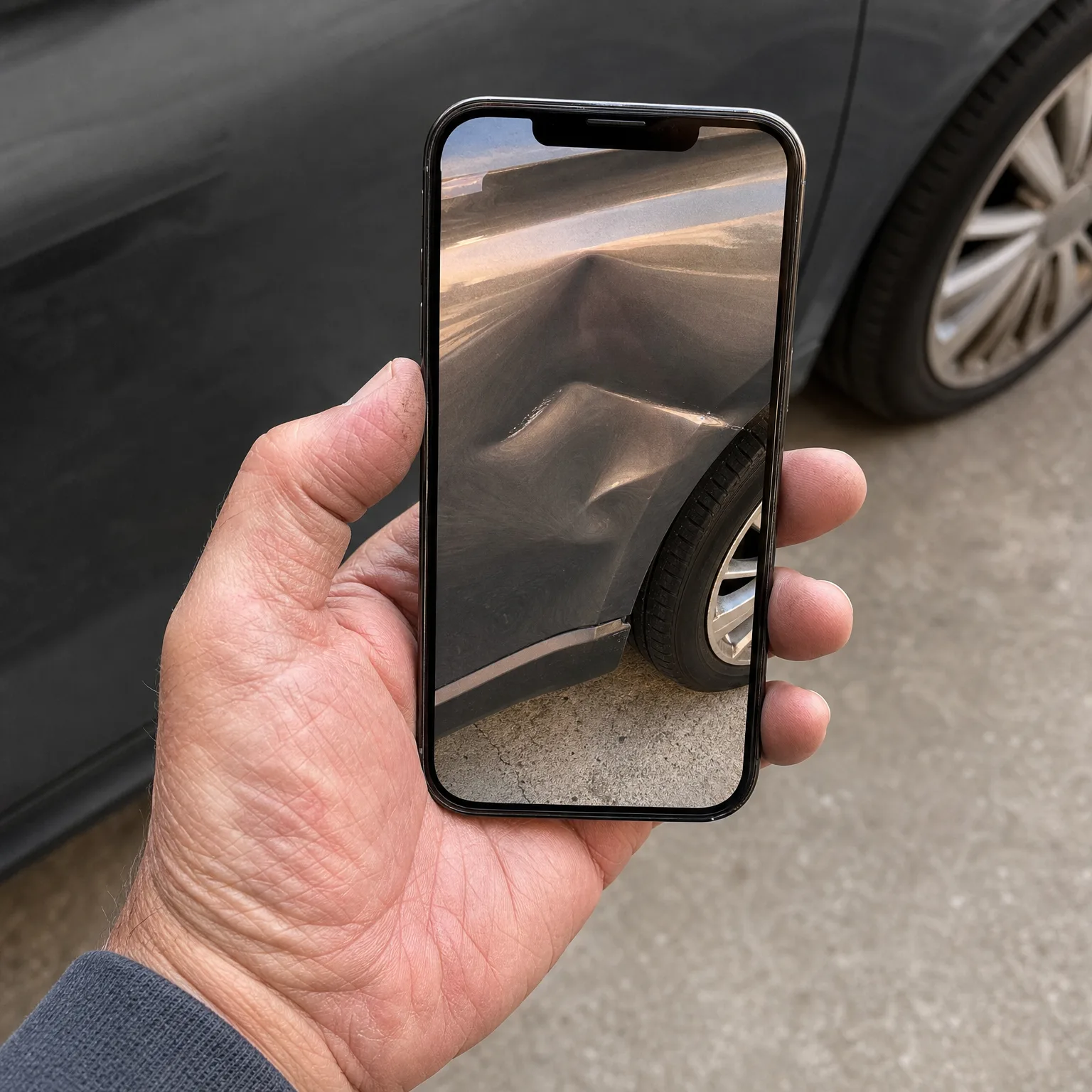
You back out of a parking spot at the pharmacy and clip another car, denting the door.
This pays for the other car's repair since you caused the damage.
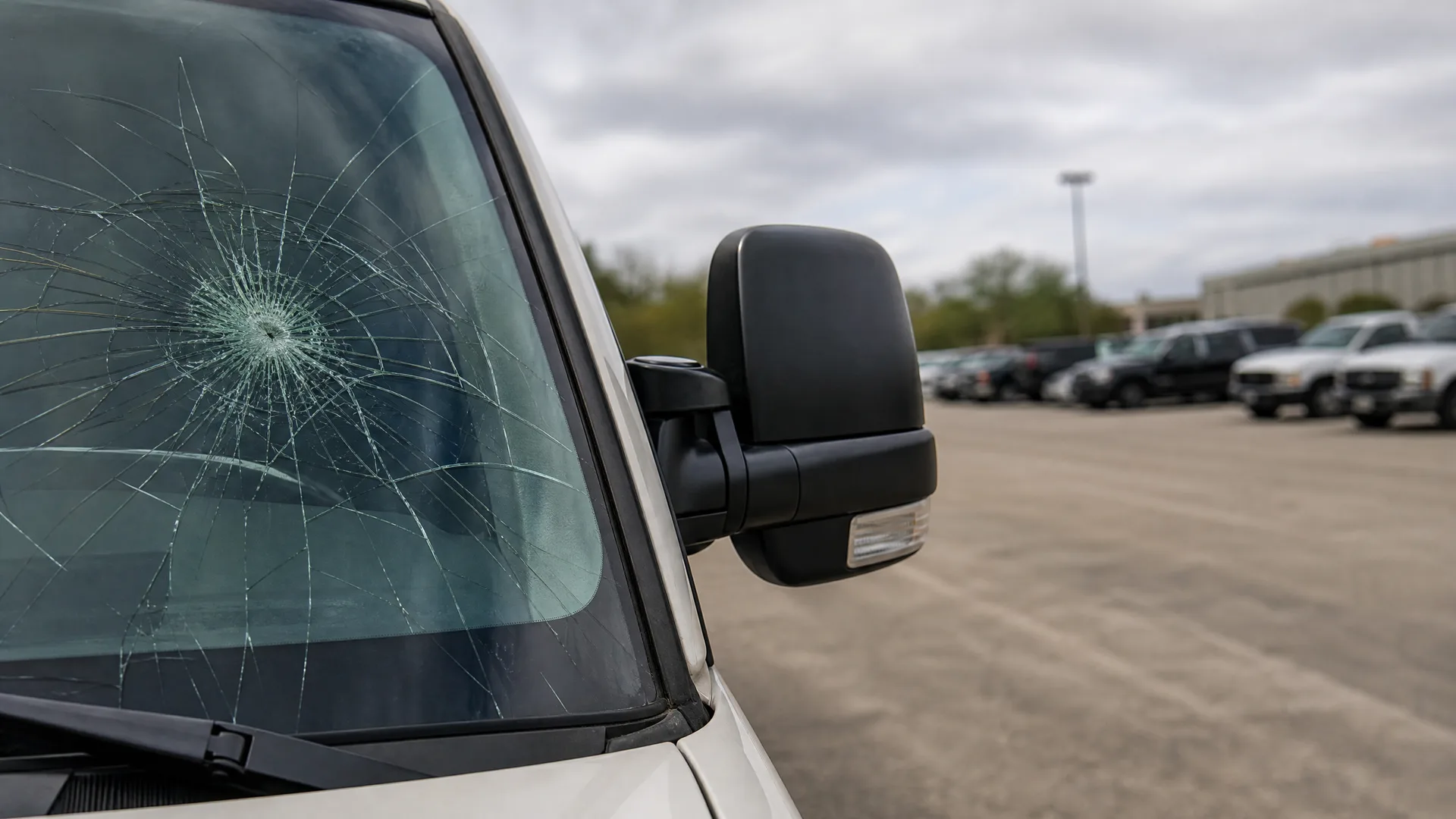
A hailstorm hits while your car is parked at church and dings the hood and roof.
Liability doesn't pay here, since no one else was harmed. Comprehensive coverage handles hail.
You swerve to avoid a deer at dusk on a county road and go into a ditch, hurting no one else.
Liability doesn't apply since there's no other driver involved. Collision would cover your own car.
Once you know what limit you actually need, compare quotes to see what raising it would cost.
Questions people ask about this
What happens if a claim is more than my liability limit?
You can be held personally responsible for the amount above your limit. This is usually settled through negotiation, a payment plan, or in rare cases a lawsuit against you, which is why many people choose a limit well above the minimum once they have savings or a home to protect.
Does my liability coverage go down as I get older?
No, your limit stays whatever you set it at regardless of your age. Rates can change with age, but the dollar amount of protection only changes if you change it.
Can I be dropped for a liability claim against me?
It depends on your insurer and your history, not on the fact that a claim exists alone. A pattern of at-fault claims is more likely to affect your rate or renewal than a single incident.
Do I still need high limits if I rarely drive anymore?
Yes, because the risk isn't about frequency, it's about what happens in the one accident that does occur. A single serious crash can create the same size claim whether you drive daily or once a week.
Should I combine my home and auto policy for better liability protection?
It can help, since some insurers offer an extra layer of liability protection, often called an umbrella policy, that sits on top of both. Check whether your insurer offers this and whether your current limits qualify you for it.