Liability Limits for Seniors in North Dakota
Liability limits are the dollar ceiling your policy will pay when you're found responsible for someone else's injuries or property damage, and anything above that ceiling comes out of your own pocket.
What liability limits actually pay for
Covers
- Injuries to other people If you're at fault in a crash, this pays for the other driver's or passenger's medical care up to your limit.
- Their lost income If someone you hit can't work while recovering, this can cover wages they missed, again only up to what your limit allows.
- Damage to their car or property This covers repairs or replacement for the other vehicle, a fence, a mailbox, or whatever you damaged.
- Your legal defense If you're sued over the accident, your insurer typically provides and pays for a lawyer as part of this coverage.
- Settlements or judgments against you If a court orders you to pay, or the case settles, this is the coverage that writes the check, up to your limit.
Doesn't cover
- Your own injuries Liability only pays for the other party. Your own medical bills come from health insurance or coverage like medical payments or personal injury protection, where that's offered.
- Damage to your own car Repairing or replacing your vehicle is what collision coverage is for, not liability.
- A hit-and-run or uninsured driver hitting you If someone without insurance hits you, your liability coverage doesn't respond. Uninsured motorist coverage is built for that situation.
- Theft or vandalism Those losses fall under comprehensive coverage, since liability only applies when you're the one who caused harm to someone else.
- Weather damage like hail or a fallen branch That's comprehensive coverage territory as well, since no one is at fault in those situations.
Yes, this is worth carrying, and probably at a higher limit than you think
This isn't a coverage to trim as you get older. If anything, it matters more, because a lifetime of savings, a paid-off house, and retirement accounts are all exposed if you're sued for more than your policy pays. A low limit doesn't just risk the insurance company's money. It risks yours.
Think about what you actually have to protect. If you've paid off your mortgage, built retirement savings, or own property outright, you have more for a lawsuit to reach than someone just starting out. Low limits made sense when there was little to protect. That math changes once you've built something.
How much you drive matters less here than people assume. Even someone who only drives a few times a week to church, the pharmacy, and a grandchild's house can cause a serious accident on the one bad day. Liability isn't priced or needed based on mileage the way some other coverages are.
Where the car sits overnight or who else might drive it occasionally are small factors, but they don't change the core logic. The real question is simple: could you cover a serious injury claim out of savings if your limit fell short? For most people the honest answer is no, which is exactly why this coverage exists.
What happens when you actually need it
There's no deductible on liability coverage, since the money isn't going to you, it's going to the other person. Your insurer investigates the accident, determines fault, and if you're responsible, they negotiate or defend the claim on your behalf.
If the claim is straightforward, like a fender bender with clear fault, it often resolves through a direct settlement with the other driver's insurer. If it's more serious, involving injuries or a lawsuit, your insurer assigns an attorney and handles the legal process, keeping you informed but managing most of it themselves.
Have your policy details, the other driver's information, and any police report ready. Photos of the scene and any witness names help too, since disputes over fault can drag out a claim significantly.
What you won't see is a check written to you. This coverage pays the other party or their providers directly, and your main job is cooperating with the investigation.
Liability limits versus umbrella coverage
Liability Limits
This is the coverage built into your auto policy, with a ceiling set by what you chose when you bought the policy. It only covers claims arising from your car.
Umbrella Coverage
This is a separate policy that sits on top of your auto and home liability limits, kicking in once those are exhausted. It covers a broader range of situations, not just driving.
If you have meaningful savings or property to protect, raising your auto liability limit as high as it goes and then adding an umbrella policy on top is the safer path than relying on auto liability alone.
Real situations
You're pulling out of a church parking lot after a service and don't see an oncoming cyclist, causing a collision that injures them.
This pays for the cyclist's medical care and any related claims, up to your limit, since you were at fault.
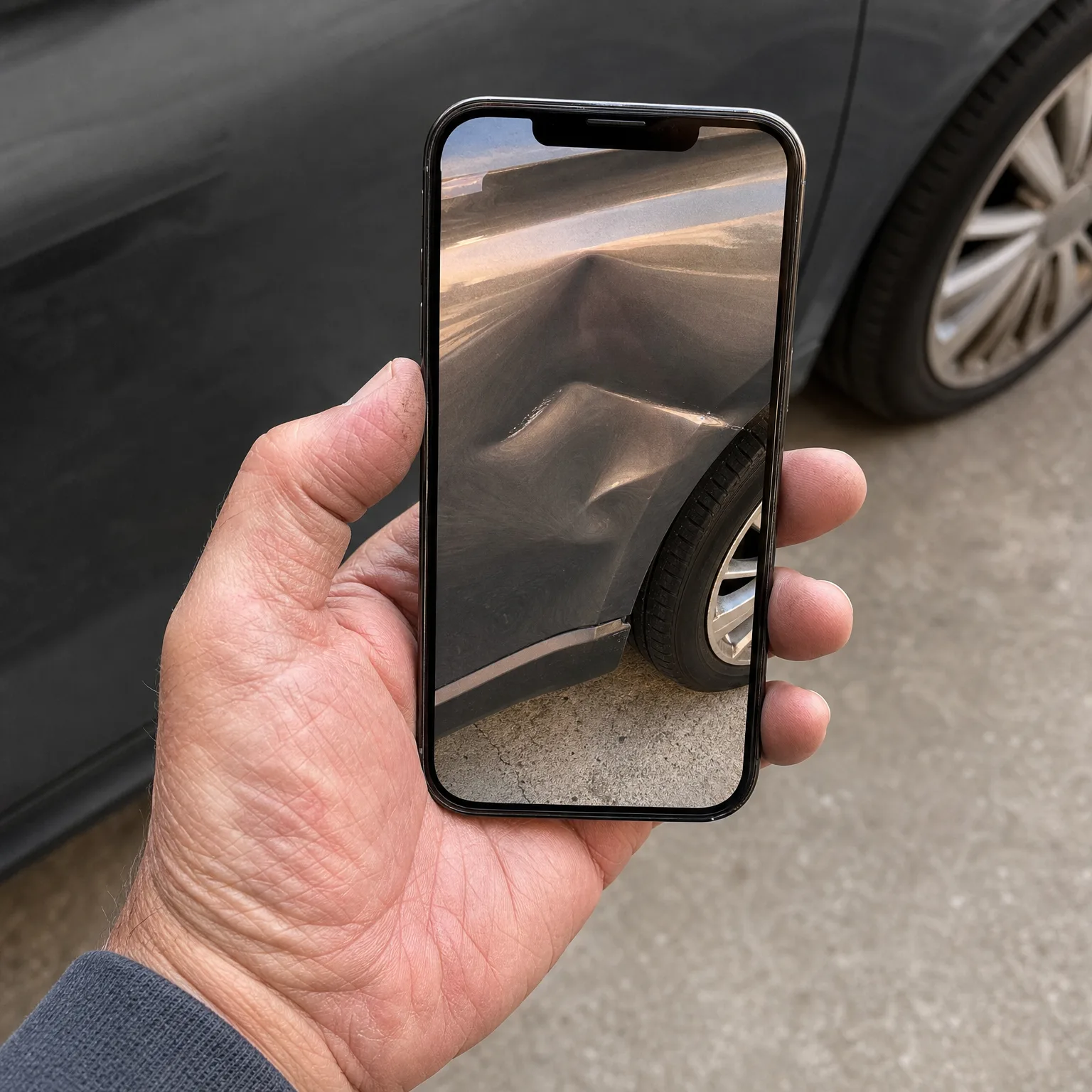
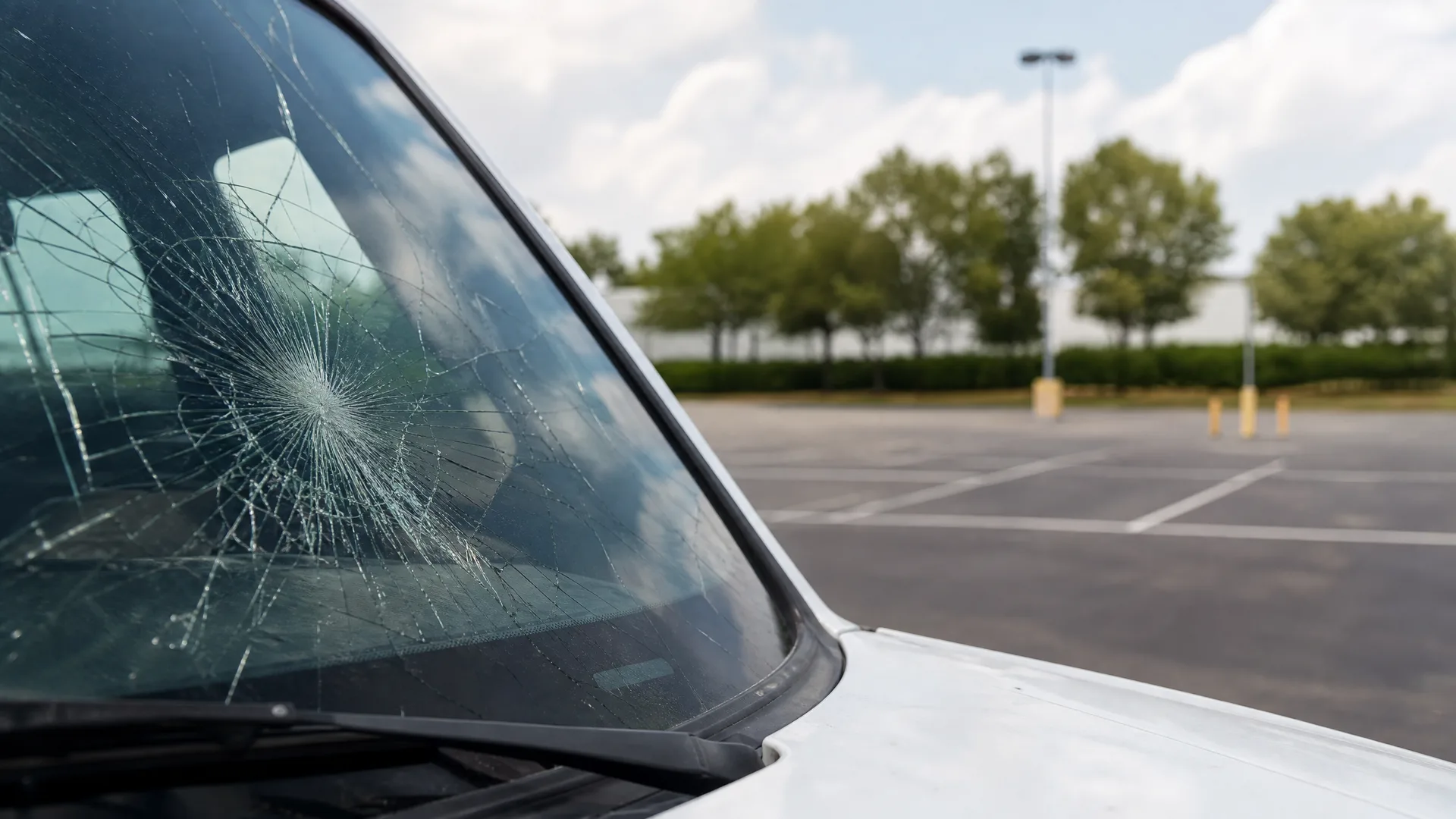
A hailstorm hits while your car is parked at the grocery store, denting the hood and cracking a window.
This doesn't pay, since no one is at fault here. Comprehensive coverage is what responds to weather damage.
You're driving home at dusk on a county road and a deer runs into your car, causing damage but no other vehicles involved.
This doesn't pay, since there's no other party you're liable to. Comprehensive coverage handles animal collisions.
Once you've settled on the liability limit that actually protects what you've built, you're ready to compare quotes at that limit.
Questions people ask about this
How much liability coverage should a retired person carry?
Enough to cover what you'd lose in a lawsuit, which for most retired people means well above the minimum. Look at your total savings, home equity, and retirement accounts as a rough guide, since that's what's exposed if a claim exceeds your limit. Many people in this situation choose a higher limit than they carried decades ago, even though they drive less now.
Does liability insurance go up or down as you get older?
It can shift either way, since insurers weigh both age and driving record. Some older drivers see rates ease if they've had a long clean history, while others see increases if recent claims or certain health or vision factors come into play. It varies enough that comparing current quotes is more useful than assuming a direction.
Can I be sued for more than my liability limit covers?
Yes, and that's the core risk this coverage is meant to limit. If a judgment exceeds your limit, you're personally responsible for the rest, which is why many people pair higher auto limits with a separate umbrella policy. Retirement savings and home equity are generally reachable in a lawsuit, so this isn't a small concern.
Do I still need liability coverage if I barely drive anymore?
Yes, because the risk comes from the moment of an accident, not from how often you drive. A single serious crash on a rare trip can create the same size claim as one caused by someone who drives every day. Low mileage might affect your premium, but it doesn't reduce the need for solid liability protection.
What happens to my liability coverage if I stop driving and only ride as a passenger?
Your own auto liability coverage generally stops applying once you're no longer driving and the car isn't registered to you. If you keep a vehicle registered in your name even if someone else drives it most of the time, you likely still need liability coverage on that car. Check with your insurer about how the policy is structured if your driving habits have changed significantly.