Liability Limits for Seniors in North Carolina
Liability limits are the ceiling on how much your insurer will pay when you cause an accident that hurts someone else or damages their property.
What liability coverage pays for
Covers
- Injuries to other people If you cause a wreck and someone else is hurt, this pays their medical bills up to your limit.
- Damage to other vehicles If you hit another car, this pays to repair or replace it, again up to your limit.
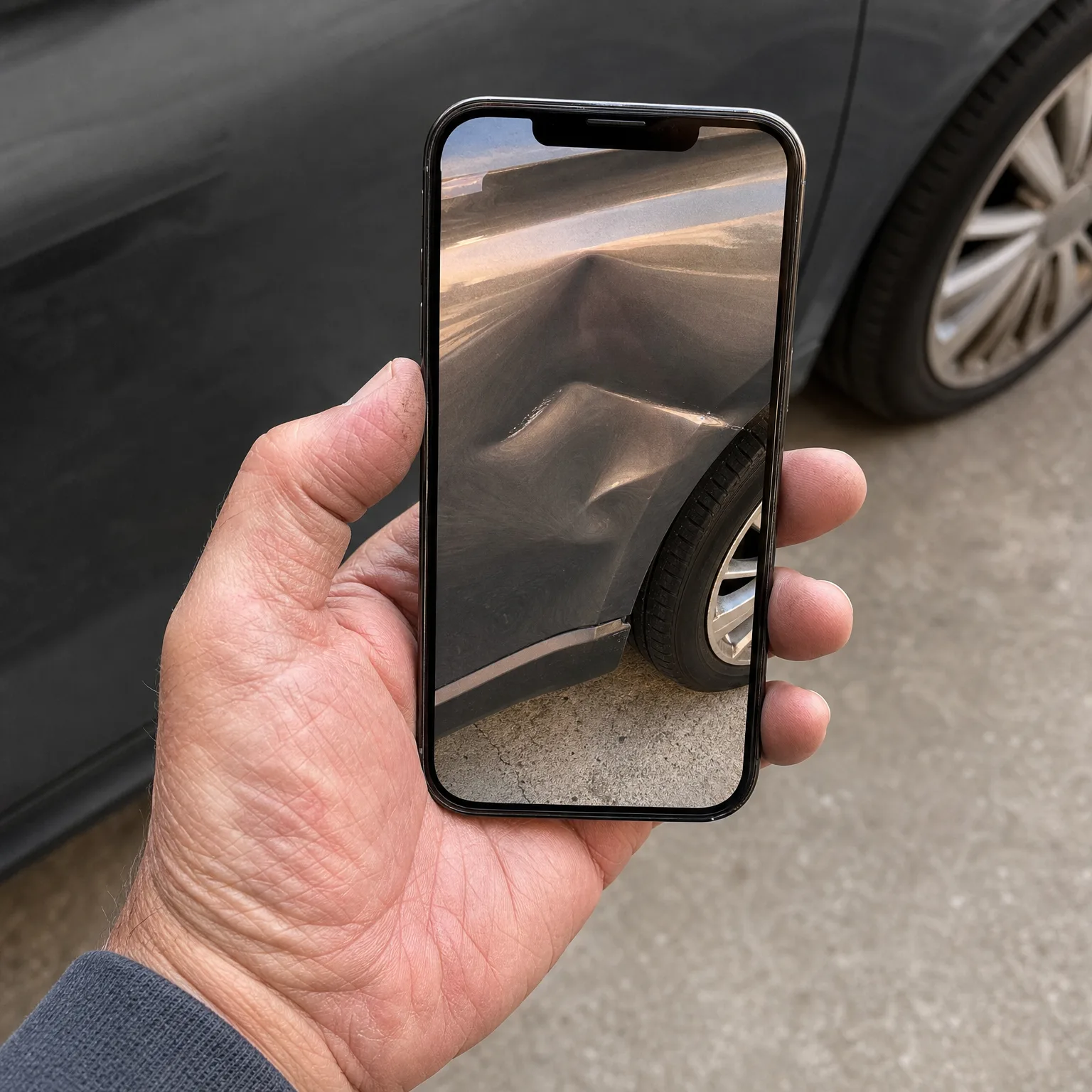
- Damage to property If you drive into a fence, a mailbox, or a storefront, this covers the owner's cost to fix it.
- Lost income from an injured person If someone you hurt can't work for a while because of the accident, this can cover that lost income.
- Legal costs if you're sued If the other driver sues you over the accident, this pays for your legal defense, usually in addition to your limit, not out of it.
Doesn't cover
- Your own car Liability never pays to fix or replace your vehicle. That's collision coverage, a separate line on your policy.
- Your own injuries Your medical costs after an accident you caused come from your health insurance or medical payments coverage, not liability.
- A hit and run driver If someone hits you and leaves, your liability coverage doesn't apply because you didn't cause it. Uninsured motorist coverage is what responds here.
- Hail, flood, or a deer strike These are losses that happen to your car without another driver at fault. Comprehensive coverage handles those, not liability.
- An accident in a car you don't own Liability generally follows the car, not just the driver, so borrowing someone else's vehicle may put their policy first in line.

Keep it, and don't shave the limit just to save a little
This isn't the coverage to trim as you get older. A low limit protects your insurer's payout, not your savings. If you cause a serious accident and your limit runs out, the injured person can come after your own money and whatever you own to cover the rest.
What matters most here is what you have to protect, not what your car is worth. A paid off car with modest value says nothing about your exposure. Your house, your retirement accounts, and years of savings are what's actually at risk if a claim goes beyond a thin limit.
How much you drive still matters, but less than people assume. Even someone who only drives to church and the grocery store can cause a serious accident on a short trip. The risk isn't about mileage, it's about the one bad afternoon.
If you could comfortably write a check to cover a judgment beyond a low limit, you have more room to decide for yourself. Most people in their sixties, seventies, and eighties can't, and that's exactly why this is one line worth keeping solid or even raising rather than cutting.
What happens when you use it
There's no deductible on liability coverage. The money goes to the other person, not to you, so you don't pay anything out of pocket to access it unless your limit is exhausted and a judgment goes further.
When a claim comes in, your insurer investigates who was at fault. If you're found responsible, they negotiate with the other driver or their insurer and pay out of your limit for injuries and damage. If a lawsuit follows, your insurer typically handles your legal defense as part of this coverage.
What it doesn't do is make your own car whole again or cover your own injuries. Those come from separate coverages on your policy, if you carry them.
Have your policy declarations page and the other driver's information ready, along with any police report. A clear account of what happened, written down while it's fresh, helps the claim move faster.
Liability limits versus uninsured motorist coverage
Liability limits
This pays when you cause the accident. It protects other people and their property, and it protects your savings from a lawsuit.
Uninsured motorist coverage
This pays when someone else causes the accident and doesn't have enough insurance, or any at all, to cover your losses. It protects you, not them.
Both matter, but if you only have room to strengthen one, most drivers this age are better protected by keeping liability limits solid first.
Real situations
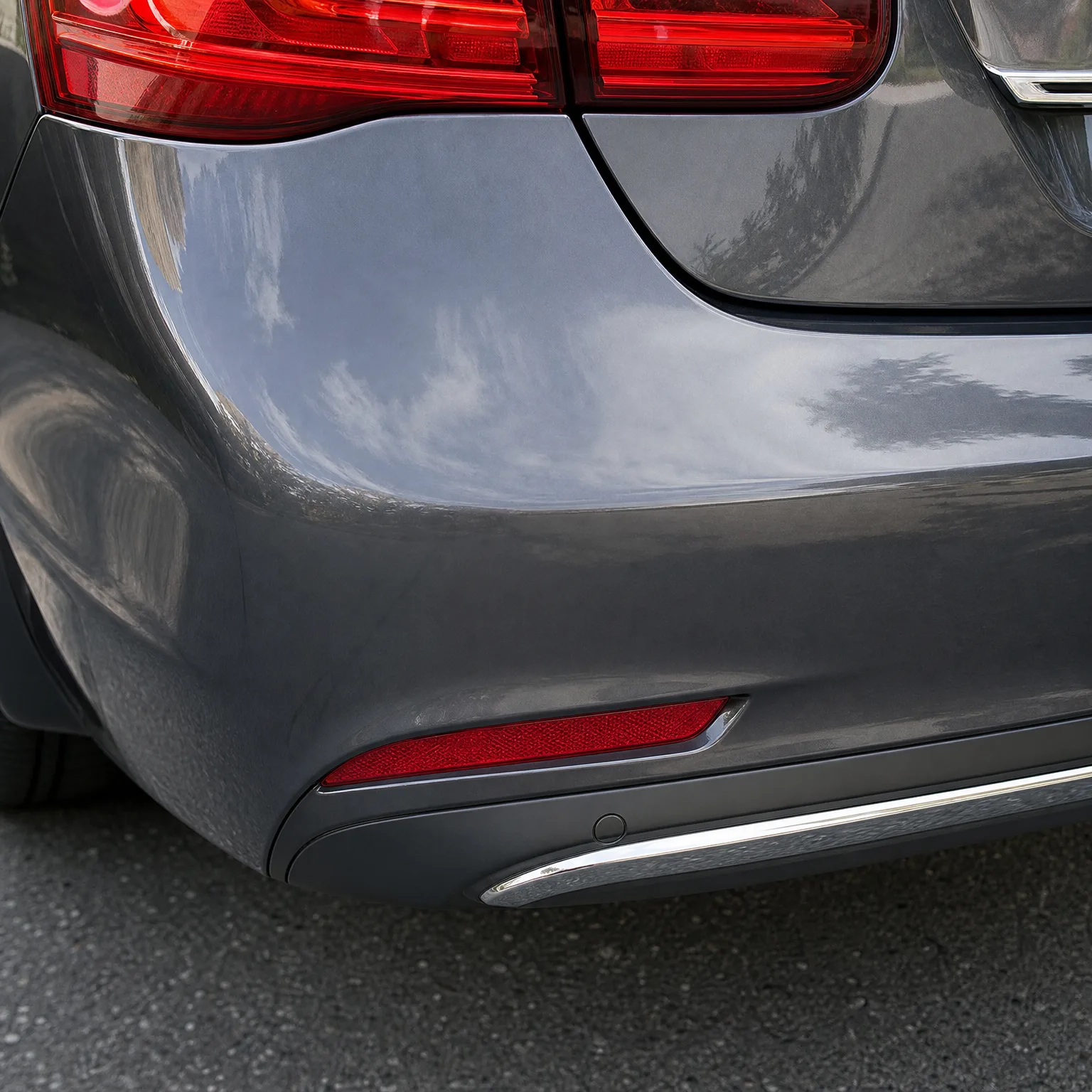
You're pulling out of a church parking lot and misjudge the distance, clipping another car's door panel.
Liability pays to repair the other car since the accident was your fault.
A hailstorm hits while your car sits in the driveway overnight.
Liability doesn't pay here, since no other driver is involved. Comprehensive coverage is what applies.
A deer runs into the road at dusk and you can't avoid it, damaging your bumper and headlight.
Liability doesn't pay for this either, since there's no other party at fault. Comprehensive coverage handles deer strikes.
Once you've decided whether to keep, raise, or adjust your liability limits, you can compare quotes with that figure already settled.
Questions people ask about this
What happens if a claim is more than my liability limit?
You can be held personally responsible for the remaining amount. The injured party can pursue a judgment against your savings, your home, or other assets, which is why many people choose a higher limit than the minimum their state requires.
Does liability coverage follow the car or the driver?
It generally follows the car first, then the driver. If you lend your car to someone and they cause an accident, your policy is usually the first to respond, with the driver's own policy potentially covering anything beyond that. This can vary by state, so check your own policy for how it's written.
Can I be dropped from my policy for having a claim at my age?
Age alone isn't a reason for non-renewal, but a pattern of claims or a serious at-fault accident can affect renewal or pricing. Rules around this vary by state, so it's worth asking your agent directly what triggers a review on your policy.
Should I raise my liability limit after retiring?
Many people do, since retirement often means more assets to protect and less income to rebuild savings after a loss. The right limit depends on what you own and what you'd need to protect if a claim went to court.
Does liability coverage cost more as I get older?
Not because of age by itself. Pricing is more closely tied to driving record, how much you drive, and where the car is kept overnight, so a clean record often keeps costs steady even as you age.