Liability Limits for Seniors in New Mexico
Liability limits are the amount your policy will pay for injuries and property damage you cause to someone else, and nothing more than that.
What liability coverage pays for
Covers
- Injuries to other people Medical bills, lost income and related costs for someone you hurt in an accident you caused.
- Damage to their vehicle Repair or replacement of the other car, truck or motorcycle involved.
- Damage to other property If you hit a fence, a storefront or a parked car, this covers rebuilding or repairing it.
- Your legal defense If the other driver sues you, the insurer provides and pays for your lawyer.
- Settlements or judgments against you Up to your limit, the insurer pays what you owe them legally, whether by settlement or court decision.
Doesn't cover
- Your own car Liability never pays for damage to your vehicle. That's collision coverage, a separate line on your policy.
- Your own injuries Your medical costs come from your health insurance, medical payments coverage, or personal injury protection where you carry it.
- A hit and run with no other driver found With no at fault driver identified, liability has nothing to respond to. Uninsured motorist coverage is what applies there.
- Damage from weather, animals or theft Hail, a deer, or a break in aren't caused by you hitting someone, so liability doesn't apply. Comprehensive coverage handles these.
- A passenger in your own car Depending on how your policy is set up, this can fall to medical payments or personal injury protection rather than liability.
Yes, and the amount matters more than most people think
Liability isn't optional in the way that collision or comprehensive can be. Whether it's required varies by state, but even where it isn't, driving without it means paying out of your own accounts for any harm you cause. That risk doesn't shrink as you get older.
What changes with age is usually what you have to protect. If you own your home outright, hold retirement savings, or have other assets, a judgment against you after a serious accident can reach those. Low limits that made sense decades ago, when you had less saved and less to lose, may no longer match where you stand now.
How much you drive still factors in, but less than people assume. A serious accident doesn't require daily driving, just one bad afternoon. Someone who drives occasionally to church, the pharmacy and a few appointments faces the same potential loss as someone commuting daily, if the accident is serious enough.
The real question is simple. If you caused an accident that hurt someone badly or totaled an expensive vehicle, could you cover the gap between your limit and the actual cost from your own savings? If the answer is no, raising your limit costs little compared to what it protects.
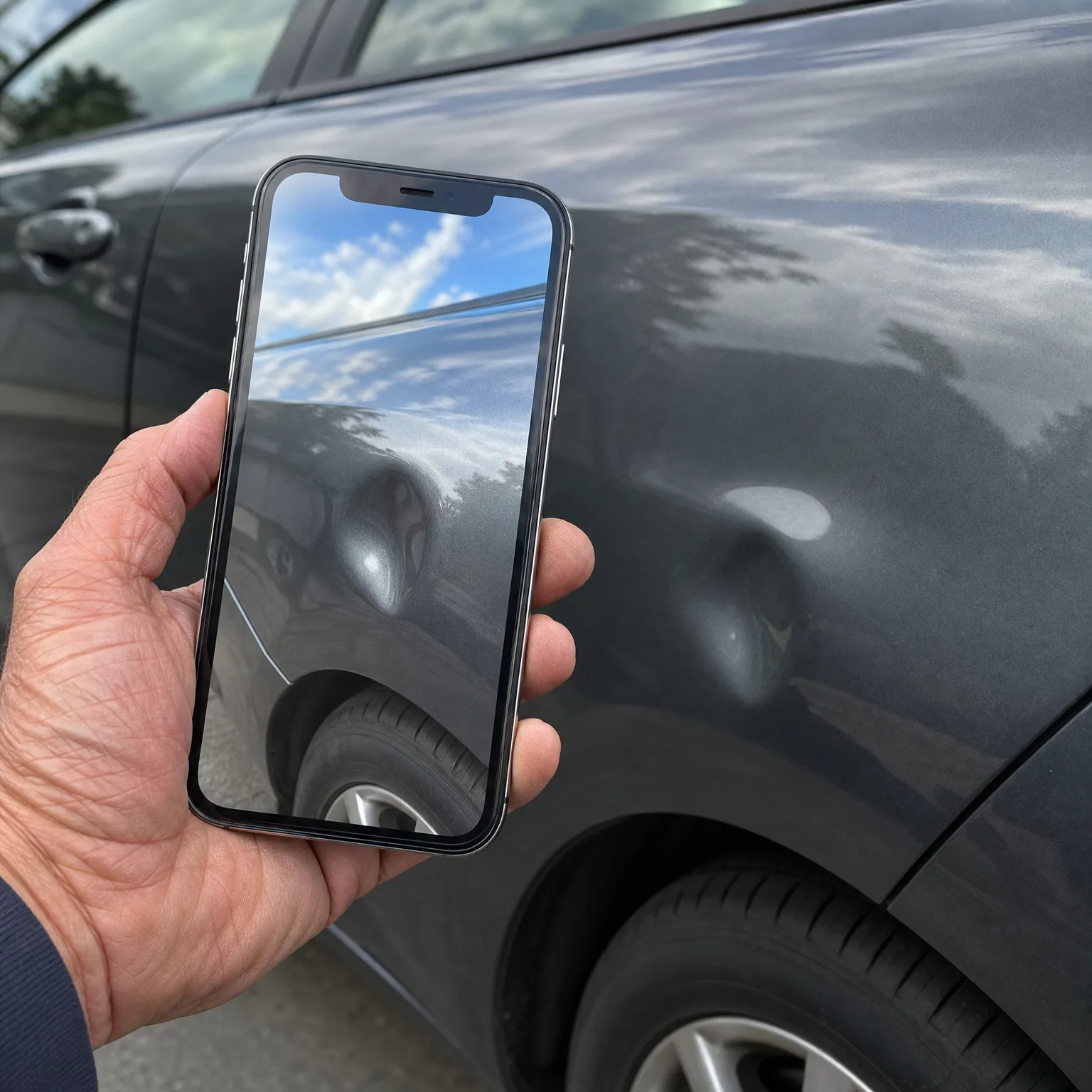
What happens when you actually use it
Liability coverage has no deductible on your end, since it pays the other person, not you. When you're at fault, the other driver or property owner files a claim against your policy, and your insurer investigates to confirm what happened and who's responsible.
Once fault is established, the insurer pays the other party's repair costs, medical bills or other losses, up to your limit. If the claim is likely to exceed your limit, that's when your own assets can become exposed, since you're personally responsible for anything beyond what the policy covers.
If you're sued, your insurer assigns and pays for an attorney to defend you, and that legal defense typically doesn't reduce your coverage limit. Have your policy number, the other driver's information and any police report ready, since those are what move a claim along.
Liability limits vs. an umbrella policy
Liability limits
This is the base amount your auto policy pays if you're found responsible for an accident. It applies automatically and is part of every standard auto policy.
Umbrella policy
This is a separate policy that adds protection above your auto liability limit, often covering other areas of your life as well. It only pays after your auto liability limit is used up.
If you have meaningful savings, a paid off home or other assets to protect, pairing higher liability limits with an umbrella policy makes more sense than raising auto limits alone.
Real situations
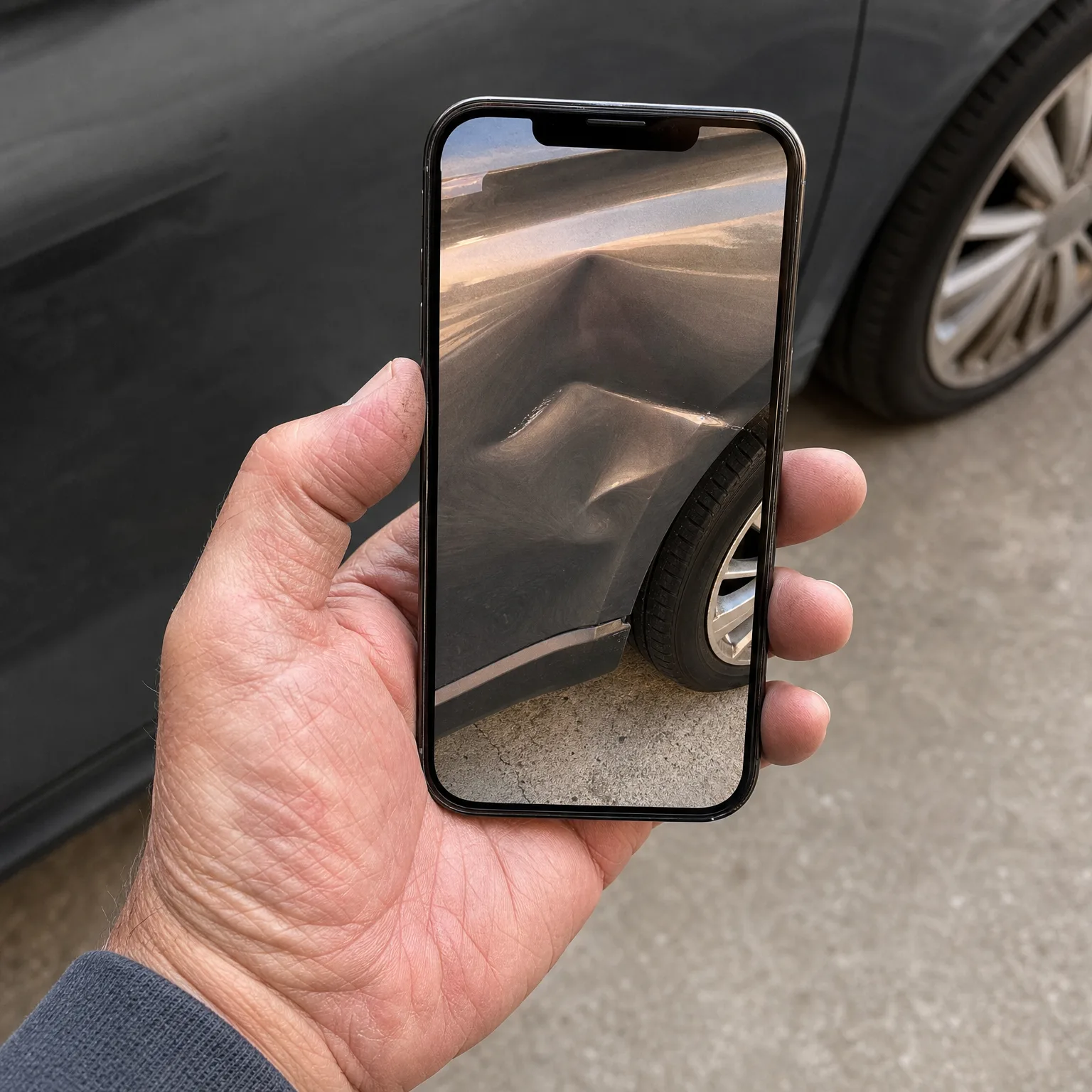
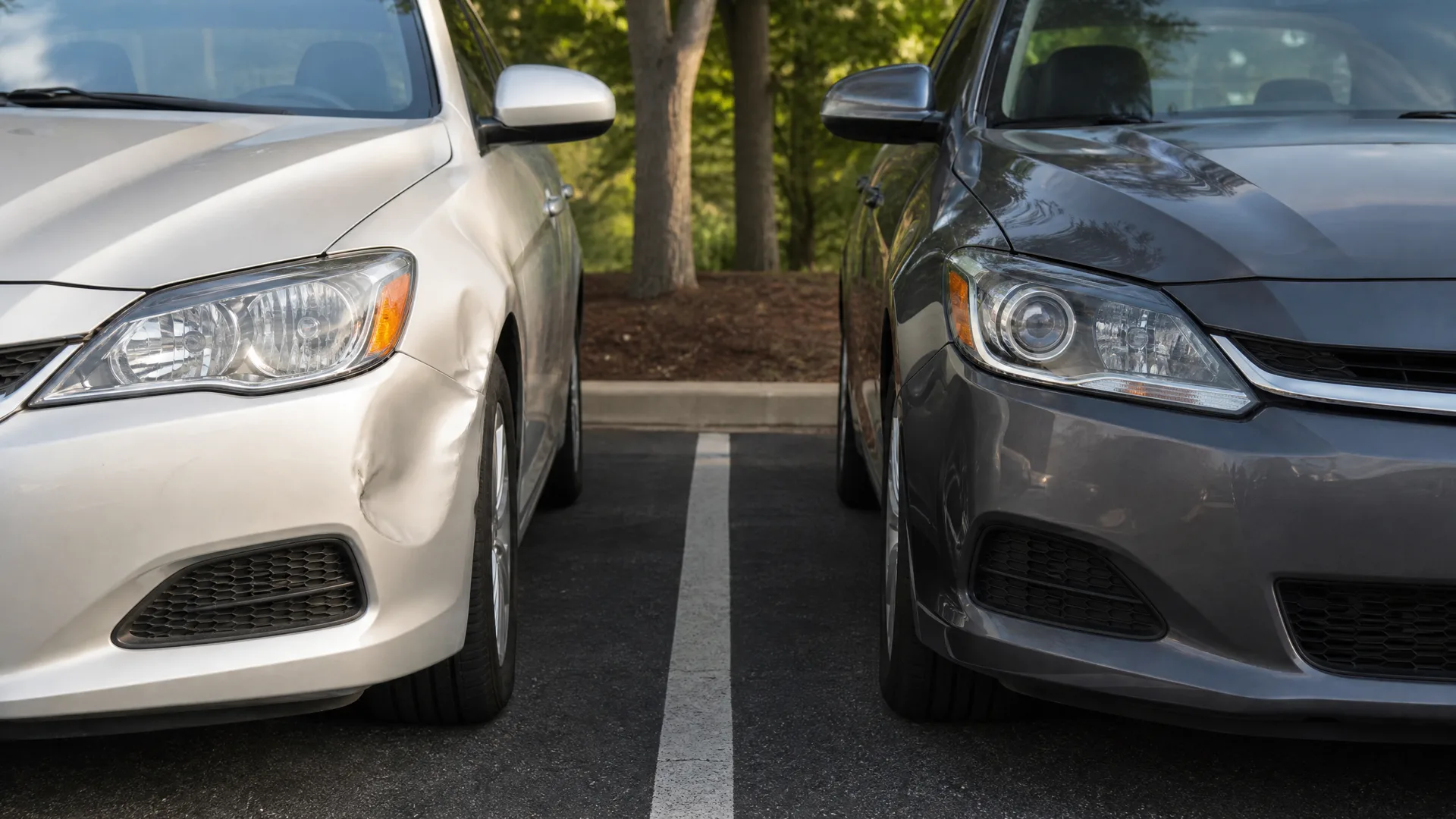
You pull out of a parking lot and sideswipe another car, breaking a tail light and denting a door panel.
Liability pays for the other car's repairs, since you caused the damage.
A hailstorm damages your car while it's parked outside your home.
Liability doesn't pay here, since no other person or property was involved. That's comprehensive coverage.
You brake for a deer on a dark road and your car goes into a neighbor's mailbox and fence.
Liability pays for the fence and mailbox, since that's property damage you caused, even though an animal triggered it.
Once you know whether your current limit still covers what you have to lose, you can compare quotes with that number already decided.
Questions people ask about this
How do I know what my current liability limit is?
Check your declarations page, the summary sheet that comes with your policy. It lists your limits as separate numbers for injury per person, injury per accident and property damage. If you can't find it, your insurer or agent can tell you over the phone.
Can I be sued for more than my liability limit covers?
Yes. If a judgment against you is higher than your limit, you're personally responsible for the difference. That's why matching your limit to what you actually have to protect matters more as your savings grow.
Does my liability coverage follow me if I drive someone else's car?
Generally yes, your policy follows you as the driver, but whether it's primary or secondary depends on the situation and the other car's own coverage. Check with your insurer before relying on this for a specific trip.
Will raising my liability limit raise my rate a lot?
It typically costs less than people expect relative to the added protection, since insurers price the lowest limits as the riskiest layer. Ask for a quote at a higher limit before assuming it's out of reach.
What happens to my liability coverage if I stop driving often?
Your limit stays the same regardless of how often you drive, since it's based on potential loss, not mileage. Some insurers offer lower rates for low mileage, but that's a separate conversation from the limit itself.