Liability Limits for Seniors in New Hampshire
Liability limits are the most you can pay toward someone else's injuries or property damage when you're found at fault for an accident, and raising them doesn't protect your own car at all.
What liability limits actually pay for
Covers
- Other driver's medical bills If you cause a crash, this pays for the other person's hospital stay, treatment, and recovery up to your limit.
- Other driver's lost income If the person you hit can't work because of injuries from the crash, this can cover their lost wages.
- Damage to their car or property This pays to repair or replace the other vehicle, a fence, a mailbox, or anything else you damage.
- Your legal defense If you're sued over the accident, your insurer typically provides and pays for a lawyer, usually on top of your limit.
- Settlements that keep you out of court Insurers often settle claims within your limits before a lawsuit ever gets filed, which is usually faster and less stressful for you.
Doesn't cover
- Your own car repairs Liability never pays for damage to your vehicle, that's what collision coverage is for.
- Your own injuries Your medical costs after a crash you caused come from your health insurance or from medical payments coverage, not liability.
- A hit and run driver hits you When someone else is at fault and you can't identify them, that falls to your uninsured motorist coverage instead.
- Damage above your limit If the loss costs more than your limit, you're personally on the hook for the difference unless you carry umbrella coverage.
- Intentional damage you cause Liability covers accidents, not deliberate acts, those are typically excluded outright.

Yes, and probably at a higher limit than you have now
This isn't the coverage to cut corners on, no matter how old the car is or how little you drive. A paid off car you don't care about losing has nothing to do with what you'd owe someone else. The risk here is to your savings and whatever else you own, not to your vehicle.
Most people's limits were set years ago when the policy was first written, and never revisited since. Medical care and repair costs have only gone up since then, so a limit that felt like plenty back then can fall short today. If you're still carrying what you started with decades ago, it's worth a second look.
Driving less doesn't lower your risk as much as people assume. A single at fault accident, even one close to home on a familiar road, can produce a claim that exceeds an old, modest limit. Low mileage reduces how often you're on the road, not what a bad day costs when it happens.
What matters more is what you have to protect. If you own a home, have retirement savings, or have any other assets, a judgment against you after a serious accident can reach those assets once your liability limit runs out. Raising your limit, or adding an umbrella policy on top of it, is often the cheaper way to close that gap.
How a liability claim actually plays out
There's no deductible on the liability side, that only applies to coverage on your own car. Once you're found at fault, your insurer pays the other party directly, up to your limit, and your deductible never enters into it.
After a crash, your insurer investigates to determine fault, often using police reports, photos, and statements from both drivers. If you're found at fault, they'll negotiate with the other person or their insurer, and if an amount is agreed on, your company pays it directly.
Have your policy details on hand, along with photos from the scene, a police report if one was filed, and contact information for anyone involved or who witnessed it. The more clearly the facts are documented early, the smoother your claim tends to go.
If the cost of the claim goes beyond your limit, you're personally responsible for the rest, and the other party can pursue you directly for it. That's the scenario higher limits and umbrella coverage exist to prevent.
Liability limits versus collision coverage
Liability limits
This pays for the other person's injuries and property damage when you're at fault. It protects your savings and assets, not your own car.
Collision coverage
This pays to repair or replace your own car after a crash, regardless of who caused it, minus your deductible. It only matters if your car is worth enough to be worth fixing.
If your car is older and not worth much, it may make sense to drop collision, but liability limits are worth keeping strong no matter what your car is worth.
Real situations
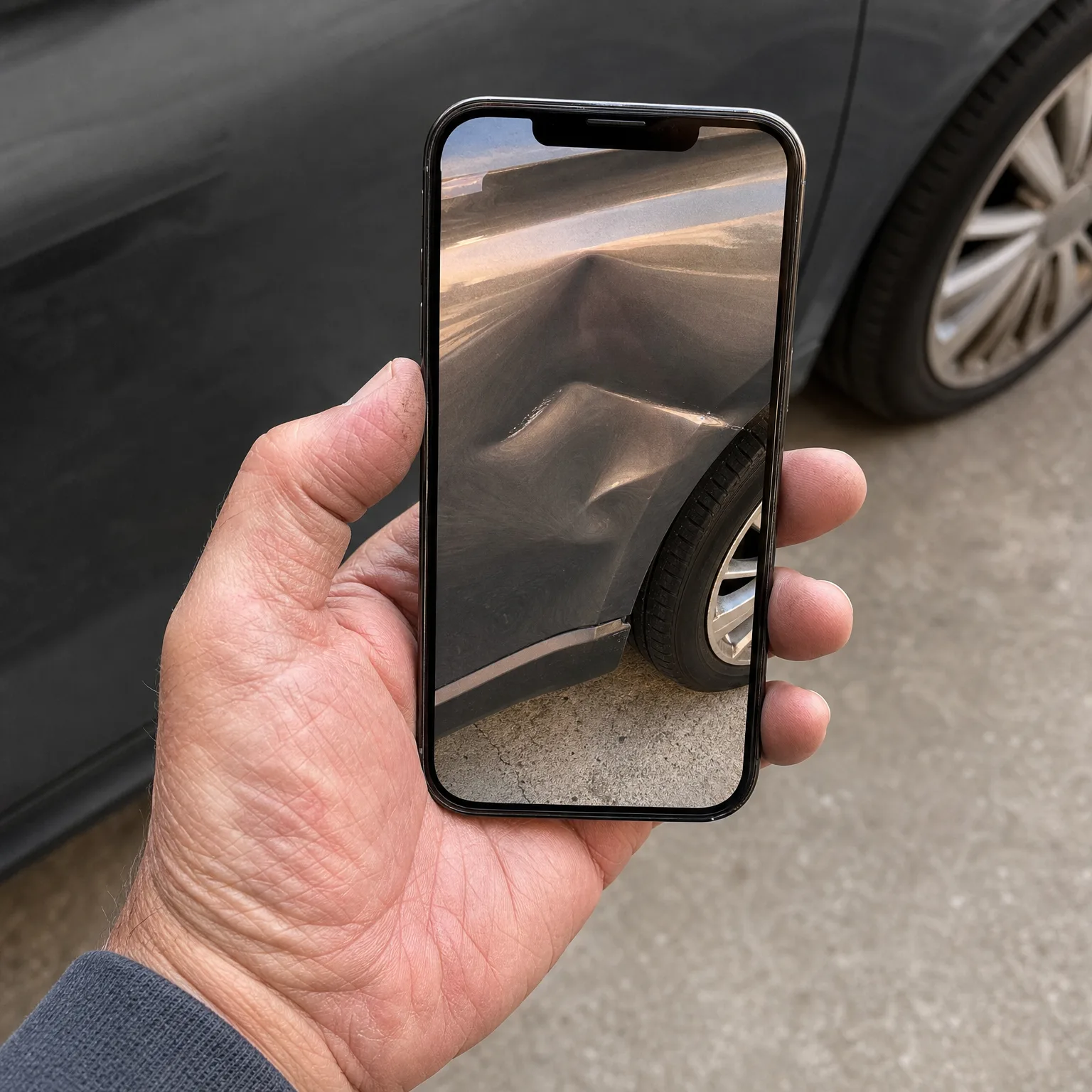
You're pulling out of a parking lot after church and you clip another car, denting its door and bumper.
Liability pays for the repair to the other car since you were at fault.
A hailstorm hits while your car is parked in your driveway overnight and leaves dents across the hood and roof.
Liability doesn't pay here since no one else was involved, this is a comprehensive claim on your own policy.
A deer runs into the road at dusk and you swerve into a guardrail trying to avoid it, damaging your front end.
Liability doesn't pay for your own damage in this case, that falls under collision or comprehensive depending on how it's classified.

Once you know what limit makes sense for what you have to protect, you can compare quotes built around that number instead of whatever you've had for years.
Questions people ask about this
How much umbrella coverage do I actually need?
It depends mostly on what you have to protect beyond your regular insurance limits, like savings, home equity, or other property. A common approach is to add enough umbrella coverage to cover the gap between your liability limit and your total net worth. Check with your insurer about how umbrella coverage works alongside your auto policy specifically.
Does liability insurance cover my passengers?
Yes, if you're at fault and your own passenger is injured, your liability coverage can pay their medical costs, since they're a third party to the accident just like someone in another car. This is separate from medical payments coverage, which can also apply to your passengers regardless of fault. Check your policy to see how the two work together.
Will my rates go up if I raise my liability limits?
Usually yes, but often by less than people expect, since liability increases tend to cost less per added amount of coverage than people assume. The exact increase depends on your driving record, your location, and your insurer's own pricing. It's worth getting a quote with the higher limit before assuming it's out of reach.
Can I be sued for more than my liability limit covers?
Yes, if a judgment against you exceeds your limit, you're personally responsible for the difference. The other party can pursue your savings, your home equity, or other assets to collect it. This is the main reason people add umbrella coverage once they have meaningful assets to protect.
Do I need different liability limits if I rarely drive anymore?
Not necessarily, since the limit covers how expensive a claim could be, not how often you're on the road. A rare accident can still result in serious injuries or damage regardless of your annual mileage. It's worth asking your insurer whether reduced mileage qualifies you for a lower rate, separate from the limit itself.