Liability Limits for Seniors in Nevada
Liability limits are the dollar ceiling on what your insurance will pay if you cause an accident that injures someone or damages their property.
What liability limits actually pay for
Covers
- Injuries to other people If you're found at fault, this pays for the other driver's or pedestrian's medical care up to your limit.
- Damage to their vehicle or property It covers repairs to the other car, or to a fence, mailbox, or garage you hit.
- Your legal defense If you're sued over the accident, your insurer provides a lawyer and covers the costs, usually separate from your limit.
- Lost income you caused someone If the person you hit can't work while recovering, this can cover that lost wages as part of the claim.
- Settlements negotiated on your behalf Your insurer handles negotiating with the other party so you don't have to deal with it directly.
Doesn't cover
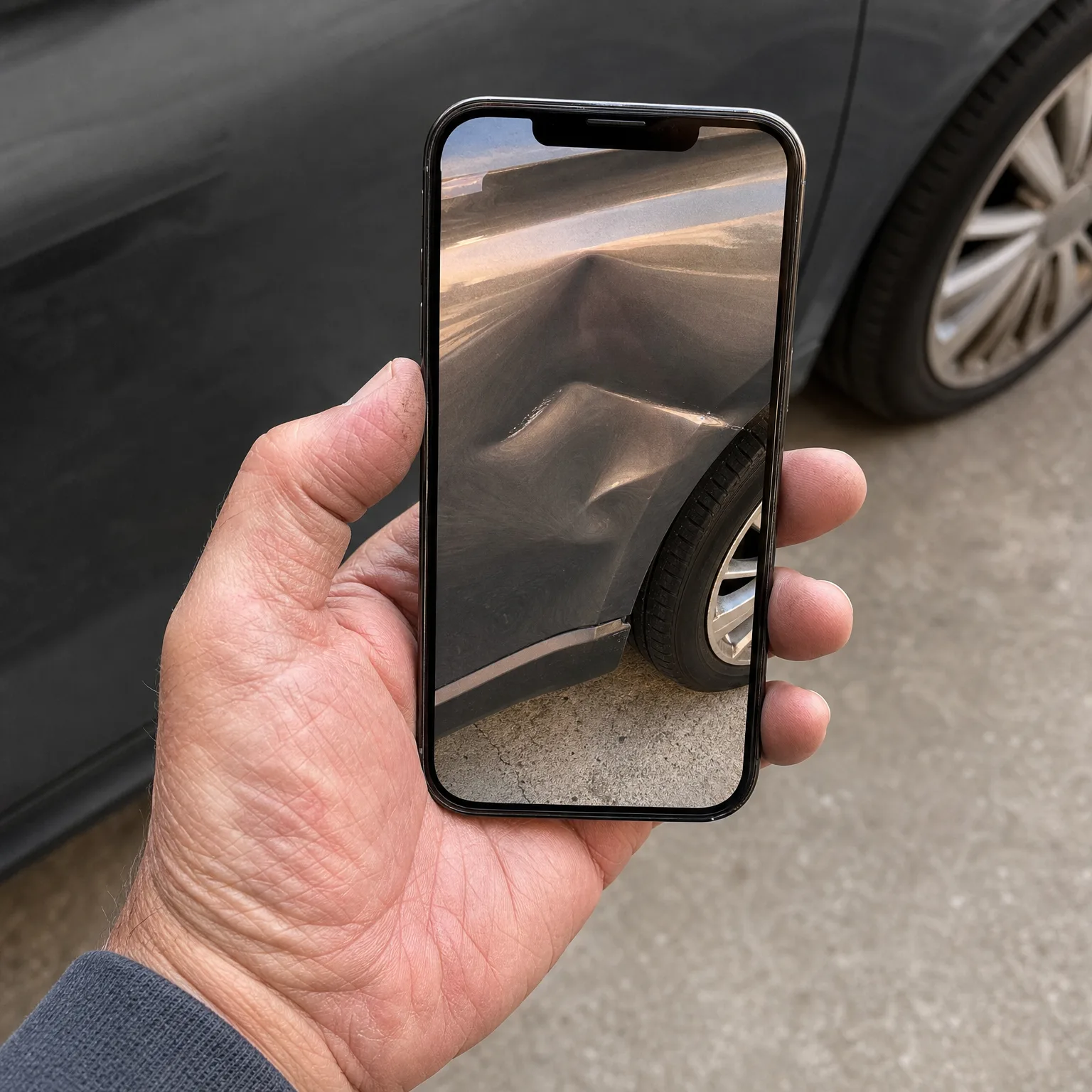
- Your own car's damage Liability never pays to fix your car. That's collision coverage, a separate line on your policy.
- Your own injuries Your medical bills after a crash you caused are not covered here. That falls to medical payments coverage, personal injury protection, or your health insurance.
- A hit and run driver you can't identify Liability only pays when you're the one at fault. If someone hits you and flees, you'd look to uninsured motorist coverage instead.
- Damage from a deer or a falling tree Those are accidents without another at-fault driver, so they fall under comprehensive coverage, not liability.
- A passenger in your own car Depending on how your policy is set up, injuries to your own passengers may fall partly under medical payments coverage rather than liability.
Yes, and probably at a higher limit than you think
Liability coverage is the one piece of this that almost everyone should keep, and keep at a solid level, regardless of age or how old the car is. This isn't about protecting your vehicle. It's about protecting everything else you own, your savings, your retirement accounts, and future income, from a lawsuit if you hurt someone else.
Many older drivers set their liability limits low decades ago, back when the policy was cheap and their assets were smaller. If you've since paid off a house, built up retirement savings, or have investments, the gap between what you could be sued for and what your policy actually pays has probably grown even if you never touched the number.
How much you drive matters less here than people assume. Even someone who only drives to church and the grocery store twice a week can cause a serious accident on one bad afternoon. The risk isn't about mileage, it's about the one accident that could happen on any given day you're behind the wheel.
What does matter is what you have to lose. If your total savings and property are modest, a lower limit may genuinely be enough to cover what someone could realistically come after. If you've built up meaningful assets over a long career, raising your limit costs little relative to what it protects.
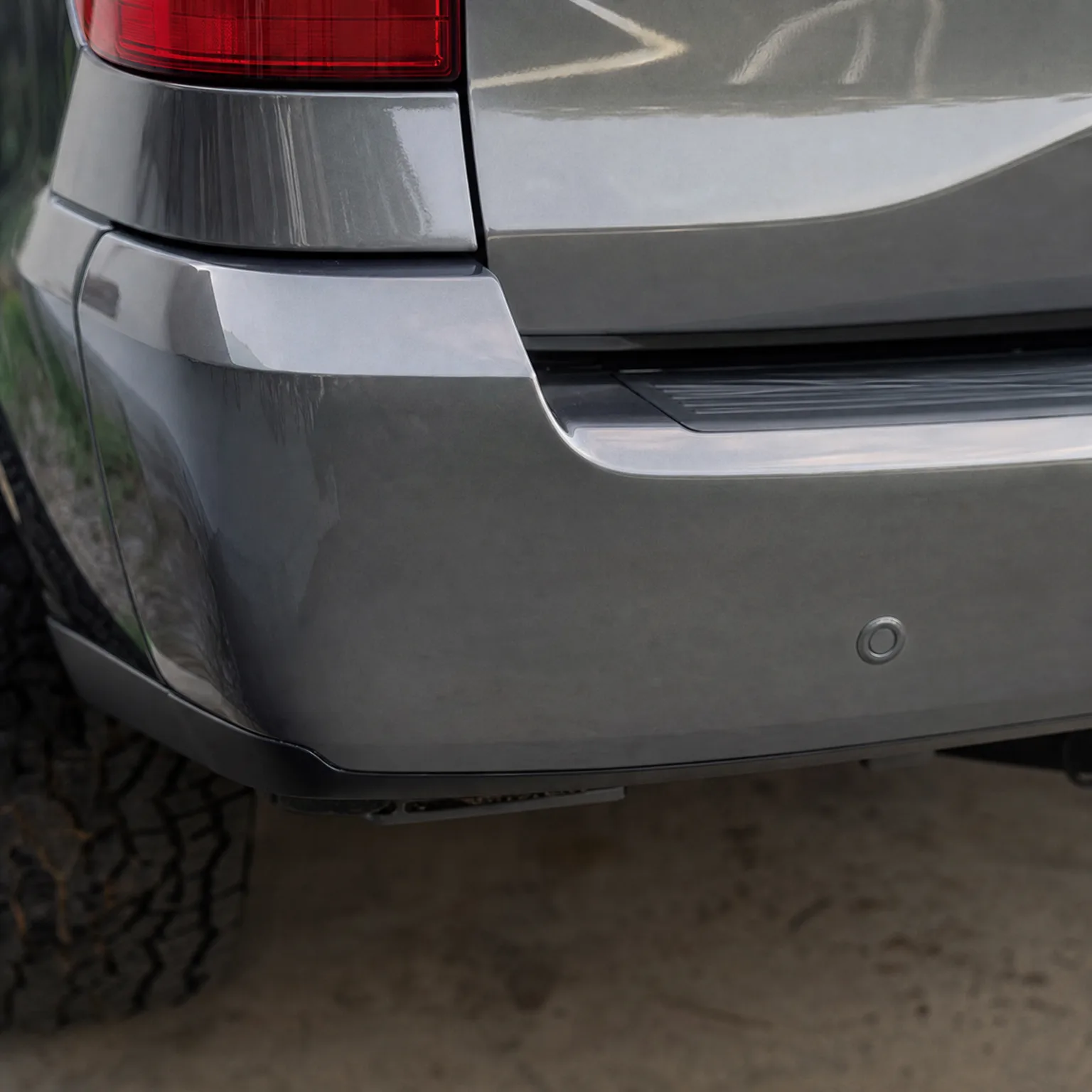
How a liability claim actually plays out
There's no deductible on the liability side, that only applies to coverage for your own car. If you're at fault, your insurer pays the other person's claim directly up to your limit, and you don't pay anything out of pocket toward their damages.
After an accident, your insurer will investigate to determine fault, often using statements from both drivers, police reports, and sometimes witness accounts. If you're found liable, they negotiate with the other party or their insurer and pay out the claim. If the claim is larger than your limit, you could be personally responsible for the difference, which is the core reason to not set this limit too low.
Have your policy information, a description of what happened, and any police report ready when you report a claim. If the other side threatens a lawsuit, let your insurer know immediately so they can start handling your legal defense before anything is filed.
Keep in mind that a claim against your liability coverage can affect your future premiums, even though you didn't pay anything directly at the time. It's worth asking your agent how a claim like this might show up down the road.
Liability limits vs. umbrella coverage
Liability limits
This is the liability coverage built into your car insurance policy, with a cap set by your policy terms. It only applies to accidents involving your vehicle.
Umbrella coverage
This is a separate policy that extends liability protection beyond your car insurance limit, and often covers other situations too, like an incident on your property. It kicks in only after your car policy's limit is used up.
If you have significant savings, a paid-off home, or other assets to protect, pairing solid liability limits with an umbrella policy is worth asking about. If your assets are modest, strong liability limits alone are probably enough.
Real situations
You're pulling out of a church parking lot after a Sunday service and you clip another car, denting its door.
Yes, this pays for the other car's repairs since you were at fault.
A deer runs into the road at dusk on a county highway and you hit it, damaging your front bumper.
No, this doesn't pay here since there's no other driver at fault. That's a comprehensive claim instead.
You back out of your driveway and don't see a neighbor's bicycle, breaking it and knocking over their trash cans.
Yes, this covers the cost of replacing the bicycle and the damaged property since you caused it.
Once you've decided what liability limit makes sense for what you actually have to protect, you're ready to compare quotes built around that number.
Questions people ask about this
Can I be sued personally if liability limits aren't enough to cover the damage?
Yes, you can be sued for the difference between what your policy pays and the total cost of the damage or injury. This is the main reason many people raise their limits as their savings grow. An umbrella policy is one way to add protection beyond your car insurance limit.
Does my liability coverage follow me if I drive someone else's car?
In many cases, yes, your liability coverage can extend to you driving a car you don't own, as long as you have permission to use it. This varies by policy, so it's worth confirming with your insurer before you borrow a car regularly. If you drive a family member's car often, ask whether you should be listed on their policy instead.
Will my rates go up if I lower my liability limits now that I drive less?
Lowering your limits can reduce your premium, but it also reduces your protection, so the two move together. How much you drive affects some parts of your policy, but it doesn't reduce your risk of causing a serious accident on any single trip. It's worth weighing the modest savings against what you'd personally owe if a claim exceeded a lower limit.
Does liability coverage change once I reach a certain age?
The coverage itself doesn't change based on your age, it works the same way at every age. What can change is your premium, since insurers may adjust pricing based on age and driving history. Whether this applies, and how, varies by state and by insurer, so check your own policy or ask your agent directly.
Should I drop liability coverage if I rarely drive anymore?
No, liability coverage is typically required to legally drive at all, and dropping it isn't usually an option as long as the car is registered and driven. If you drive rarely, you might look into a lower mileage rate or a usage based policy instead, which can lower your premium without removing the coverage. Whether this is offered varies by state and by insurer, so ask directly.