Liability Limits for Seniors in Nebraska
Liability limits are the highest amounts your policy will pay when you cause an accident that hurts someone or damages their property.
What liability limits pay for
Covers
- Other driver's medical bills If you cause a crash and the other person is hurt, this pays their treatment up to your limit.
- Other driver's car or property It pays to repair or replace the other car, a fence, a mailbox, or anything else you damage.
- Legal defense if you're sued If the other party sues over the accident, your insurer provides a lawyer and covers the costs up to your limit.
- Lost income you caused If the person you hit can't work because of injuries from the crash, this can cover their lost wages as part of the claim.
- Passengers in the other car Anyone riding in the other vehicle who's hurt is covered the same way the driver is, up to your limit.
Doesn't cover
- Your own car's damage Liability doesn't touch your vehicle at all. Collision coverage handles that if you carry it.
- Your own injuries Your medical bills after a crash you caused come from your health insurance or coverage like medical payments, not liability.
- A crash someone else causes Liability pays when you're at fault. If another driver hits you, their liability coverage is supposed to respond instead.
- Hail, theft or a deer strike Those are comprehensive claims, not liability, since nobody was at fault for causing them.
- Damage above your limit If the accident costs more than your limit covers, you're personally on the hook for the rest unless you have something like umbrella coverage.
Yes, and probably at a higher limit than you think
Dropping liability coverage isn't really a choice you get to make the way you might with collision or comprehensive. Whether it's required or how low you can go varies by state, so check your own policy or declarations page for what applies to you. The real decision for most people your age isn't whether to carry it, but whether your limit is still high enough.
What decides that is less about the car you drive and more about what you own. If you have savings, a paid-off house, or other assets, a low limit leaves all of that exposed if you cause a serious crash. The gap between what your policy pays and what you owe doesn't disappear. It becomes your bill.
How much you drive matters too, but maybe not the way you'd expect. Driving less doesn't make a single bad accident cheaper. It just makes one less likely. If you're still on the road regularly, especially on highways or in town where traffic is heavier, the odds of a serious at-fault accident don't drop just because you're being careful.
Where the car sits overnight and how old you are don't really factor into this one. This coverage is about what you could owe someone else, not about protecting your own vehicle. If you've built up assets over the decades, this is usually the line on your policy worth raising, not cutting.
What actually happens when you use it
There's no deductible on liability coverage, since it's not paying for your damage. It only pays out to the other person, so your own costs never factor into this part of the claim.
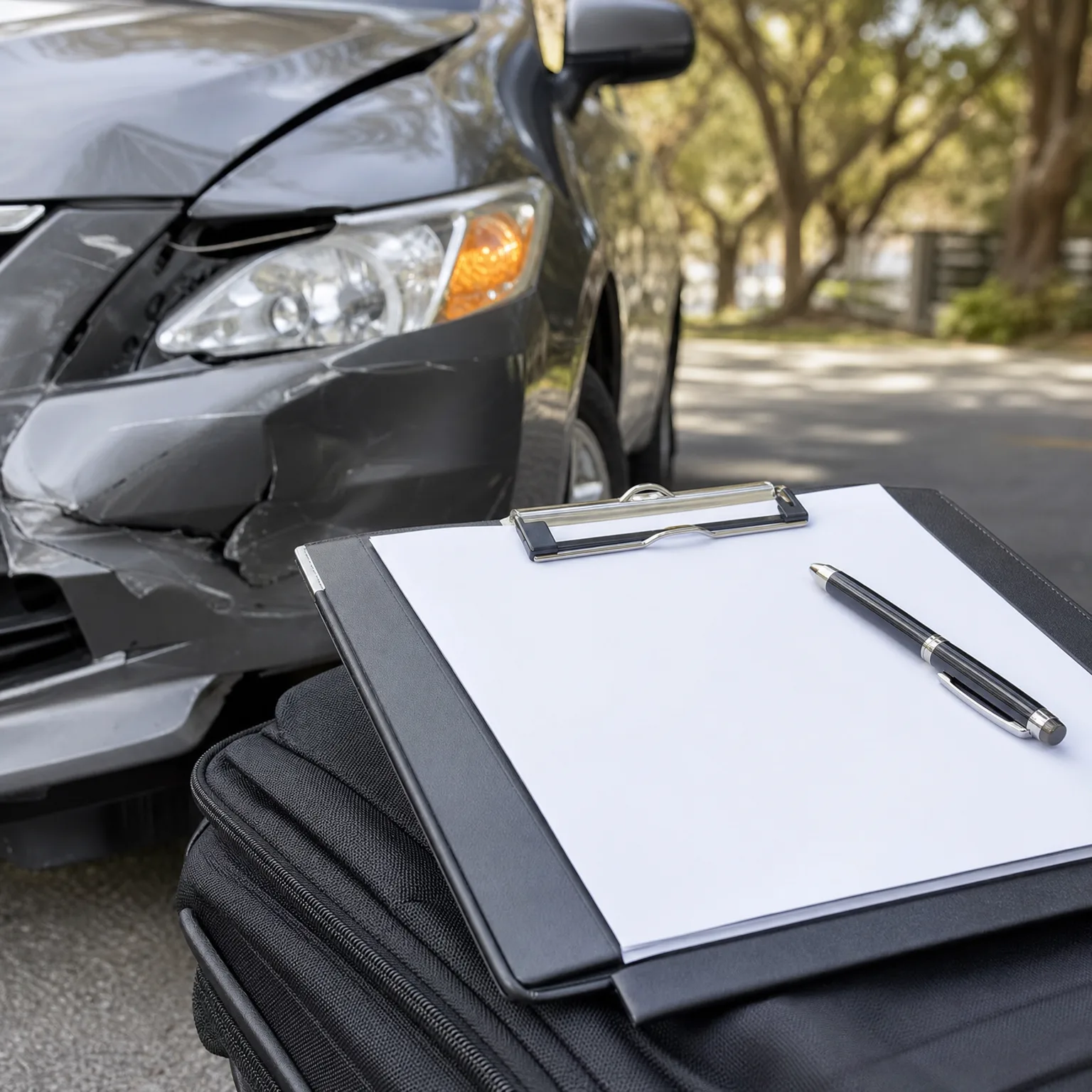
After an accident, you report it to your insurer and they open a claim on your behalf. An adjuster looks at the damage or injuries on the other side and figures out what's owed. If the other party disputes the amount or decides to sue, your insurer's lawyers step in and the legal costs come out of your coverage, not your pocket.
The payment goes to the other driver or their insurer, not to you. It covers their repair costs, medical bills, or lost wages up to your limit, and nothing more. If the total comes in under your limit, that's the end of it for you financially.
Have your policy information, the other driver's contact and insurance details, and a basic account of what happened ready when you report it. The clearer that information is early on, the faster the claim moves.

Liability vs. collision coverage
Liability
Liability pays for damage and injuries you cause to someone else. It never pays for your own car or your own medical bills, no matter who's at fault.
Collision
Collision pays to repair or replace your own car after an accident, regardless of who caused it. It usually comes with a deductible you pay first.
If your car is older and not worth much, you might skip collision, but liability is worth keeping at a solid limit no matter what you drive.
Real situations
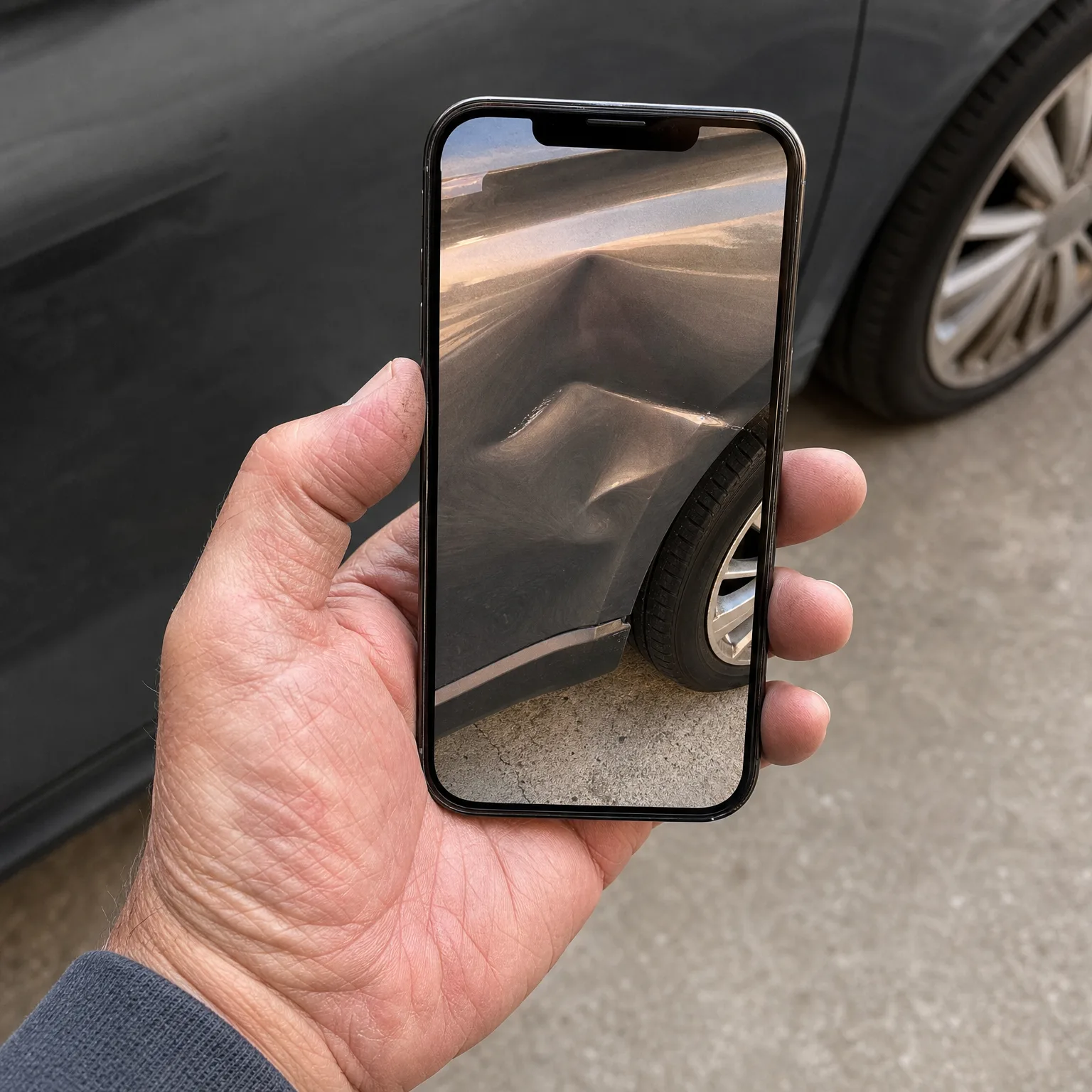
You're pulling out of a grocery store parking lot and sideswipe another car, denting their door.
Liability pays for the other car's repair since you caused the accident.
A hailstorm hits while your car is parked at church and dents the hood and roof.
Liability doesn't pay here, since no one was at fault. That's a comprehensive claim.
You brake hard for a deer on a county road at dusk and the driver behind you doesn't stop in time, hitting your car.
Liability doesn't pay for your damage here, since the other driver caused it. Their liability coverage should respond instead.

Once you know what limit makes sense for what you have to protect, compare quotes to see what it actually costs to carry it.
Questions people ask about this
How do I know what liability limit I currently have?
Check your declarations page, the summary sheet your insurer sends with your policy. It lists your limits as a set of numbers for injury per person, injury per accident, and property damage. If you can't find it, your insurer can tell you over the phone or through your online account.
Can I be sued for more than my liability limit covers?
Yes. If the damages from an accident you caused go beyond your limit, the other party can pursue you personally for the rest. This is why people with meaningful savings or property often raise their limit rather than leave that gap open.
Does my liability coverage follow me if I drive someone else's car?
Usually yes, in most situations, since liability coverage is generally tied to the driver as well as the vehicle. It can get complicated depending on who owns the other car and their own coverage, so it's worth checking with your insurer before you assume you're covered.
What's an umbrella policy and do I need one?
An umbrella policy adds extra liability coverage on top of what your auto and home policies already provide, kicking in once those limits are used up. It's worth considering if you have significant savings, a paid-off home, or other assets you'd want protected beyond your regular limits.
Will my liability limit go up automatically as I get older?
No, limits don't change on their own. You choose them when you set up the policy and they stay the same until you ask to change them, so it's worth reviewing yours every so often rather than assuming it still matches what you own.