Liability Limits for Seniors in Montana
Liability limits are the cap on how much your insurance pays for injuries or property damage you cause someone else in an accident you're at fault for.
What liability limits set a ceiling on
Covers
- Injuries to other people If someone else is hurt in a crash you caused, this pays their medical bills up to your limit.
- Their lost income If the other driver or a passenger can't work because of injuries from the accident, this can cover wages they missed.
- Damage to their vehicle Repairing or replacing a car you hit is paid from the property damage portion of your limit.
- Damage to other property If you hit a fence, a mailbox, a storefront or anything else that isn't a car, this pays for it too.
- Your legal defense If you're sued over the accident, your insurer typically provides and pays for a lawyer, separate from the payout itself.
Doesn't cover
- Your own car's damage Liability only pays for what you did to others, so your own vehicle is covered by collision instead, if you carry it.
- Your own injuries Your medical bills after an at-fault accident come from medical payments coverage, personal injury protection, or your own health insurance, not liability.
- A hit and run or uninsured driver When the other driver has no insurance or flees, uninsured motorist coverage is what responds, not your liability limit.
- Weather, animals or theft Hail, a deer strike or a stolen car are handled by comprehensive coverage, since there's no other driver at fault for liability to apply to.
- Costs above your limit If the damage or injuries you caused add up to more than your limit, you are personally on the hook for the rest unless you carry something like an umbrella policy.
Keep this coverage, and consider raising it rather than cutting it
This isn't the coverage to shop down to save money. It's what stands between an ordinary bad afternoon and losing savings, home equity or future income to a lawsuit. The math doesn't change much with age, but the stakes often do, since many drivers in their sixties, seventies and eighties have more in savings and home equity to protect now than they did decades ago when they first set this limit.
Think about what you'd actually lose if a claim went past your limit. A retired teacher with a paid-off house and a solid retirement account has more exposed than a renter living on a fixed income with little saved. The more you've built, the more a low limit puts at risk, because an injured party or their attorney can pursue what you own, not just what your policy pays.
How much you drive matters less here than you'd think. Even someone who only drives to church, the pharmacy and a grandchild's house twice a month faces the same risk per mile as a daily commuter if that one trip ends in a serious crash. Fewer miles lowers the odds of a claim, not the size of one if it happens.
If you haven't looked at this limit in years, it's worth checking now. Medical costs and repair costs have both climbed a long way since many policies were first set up, and a limit that felt generous decades ago may not stretch nearly as far today.
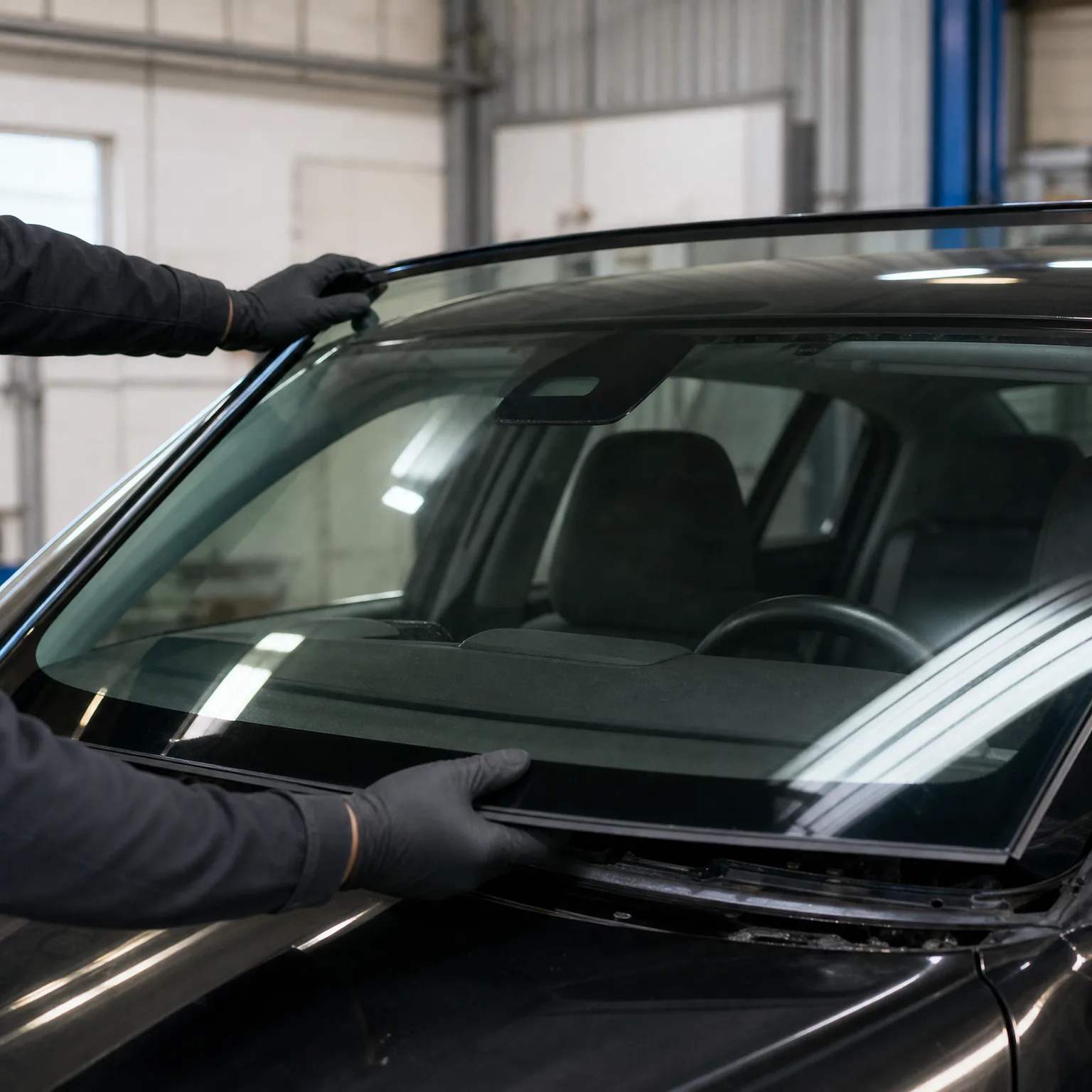
What happens when you use it
Liability coverage has no deductible on your side, since it's paying for someone else's damage or injuries, not yours. Once your insurer accepts the claim, they pay the other party or their insurer directly, up to your limit.
After an accident, your insurer will want a clear account of what happened, so it helps to have the other driver's information, photos if you took any, and a copy of any police report. An adjuster will investigate who was at fault and how much the damage or injuries are worth before any payment goes out.
If the claim is straightforward, the other party is paid and the matter closes. If it's disputed, or the damages are serious, it can take longer, and you may be asked for a statement or to answer follow-up questions. If you're sued, your insurer typically steps in to defend you as part of this coverage, which is worth knowing if the idea of a lawsuit is what worries you most.
One thing to have ready beforehand, not after, is a clear sense of your own limit and whether it still fits your situation. Knowing that before anything happens means fewer surprises if it ever does.
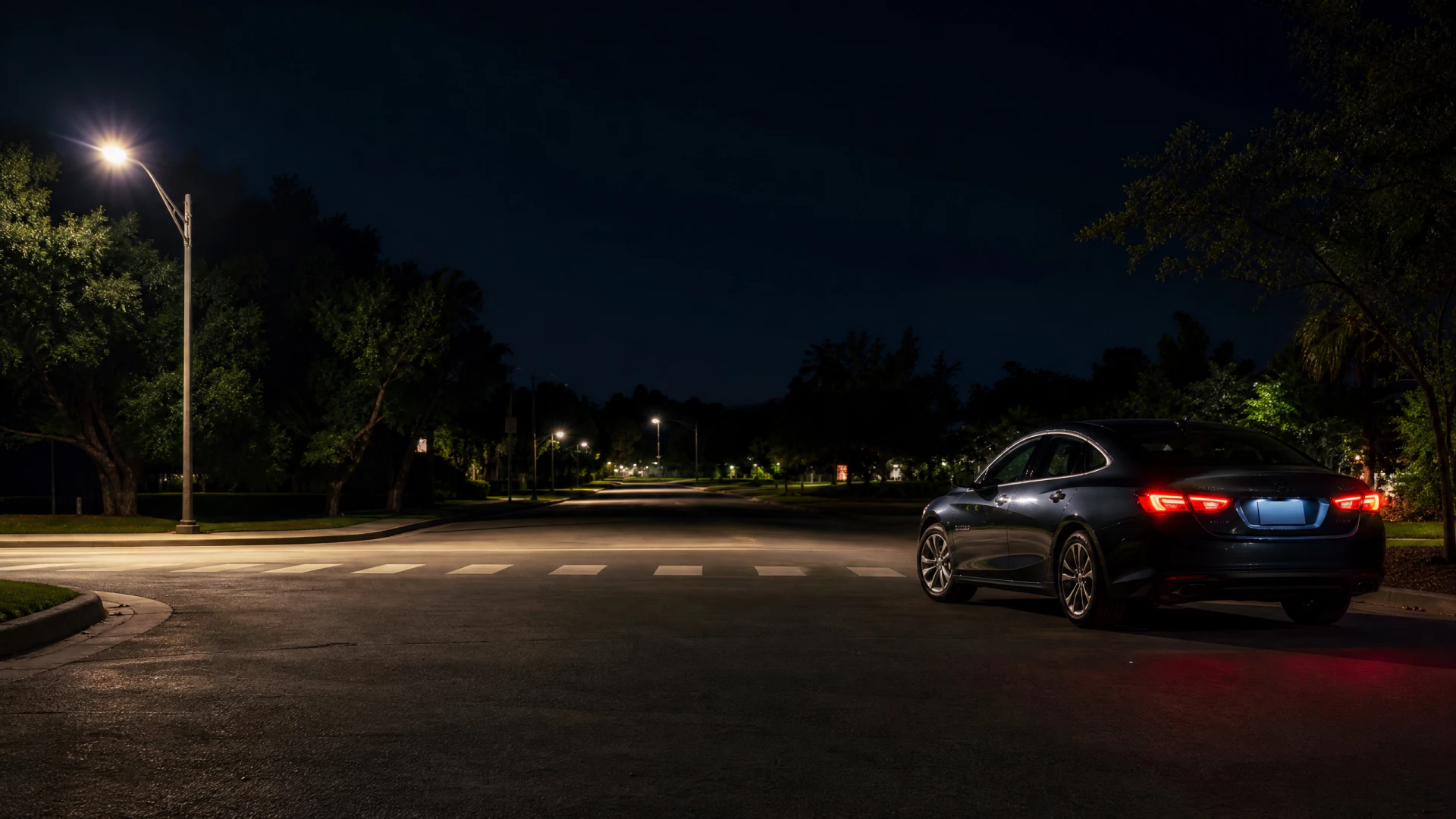
Liability limits versus underinsured motorist coverage
Liability limits
This pays for harm you cause to someone else. It protects your assets and your future income when you're at fault, not when someone else is.
Underinsured motorist coverage
This protects you when someone else causes the accident but doesn't carry enough insurance to cover what you and your passengers need. It fills the gap between their limit and your actual costs.
If you're mostly worried about protecting what you own, focus on liability; if you're worried about being hurt by someone who's underinsured, that's where underinsured motorist coverage matters more.
Real situations
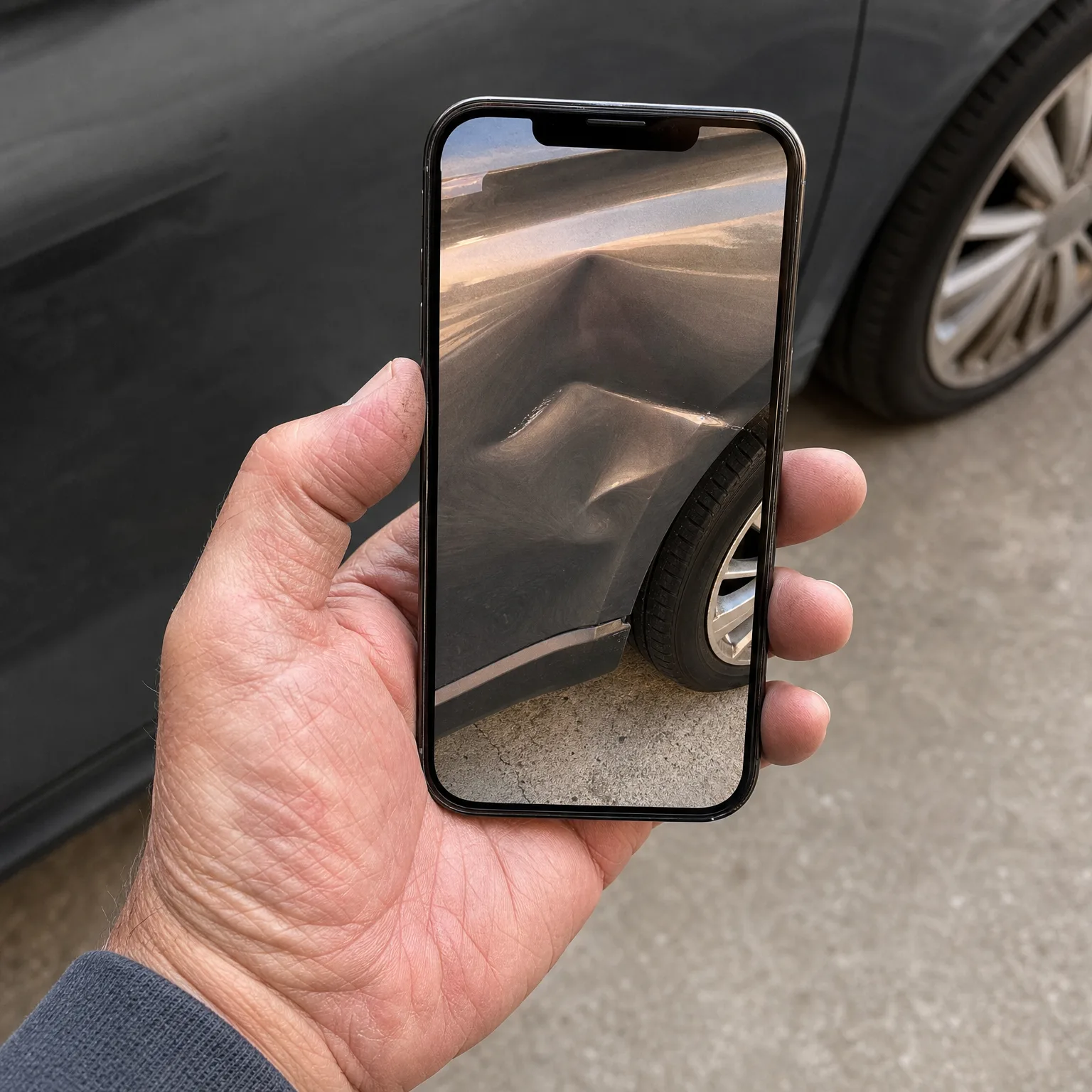
You're backing out of a parking spot at the grocery store and clip another car, denting the door.
This pays for the other car's repair, since you were at fault for the damage.
A hailstorm hits while your car is parked at church and dents the hood and roof.
This doesn't pay, since no other driver is at fault; that's a comprehensive claim instead.
You swerve to avoid a deer at dusk on a county road and end up rear-ending the car ahead of you, injuring the driver.
This pays for the other driver's injuries and vehicle damage, since you caused that collision even though the deer started it.
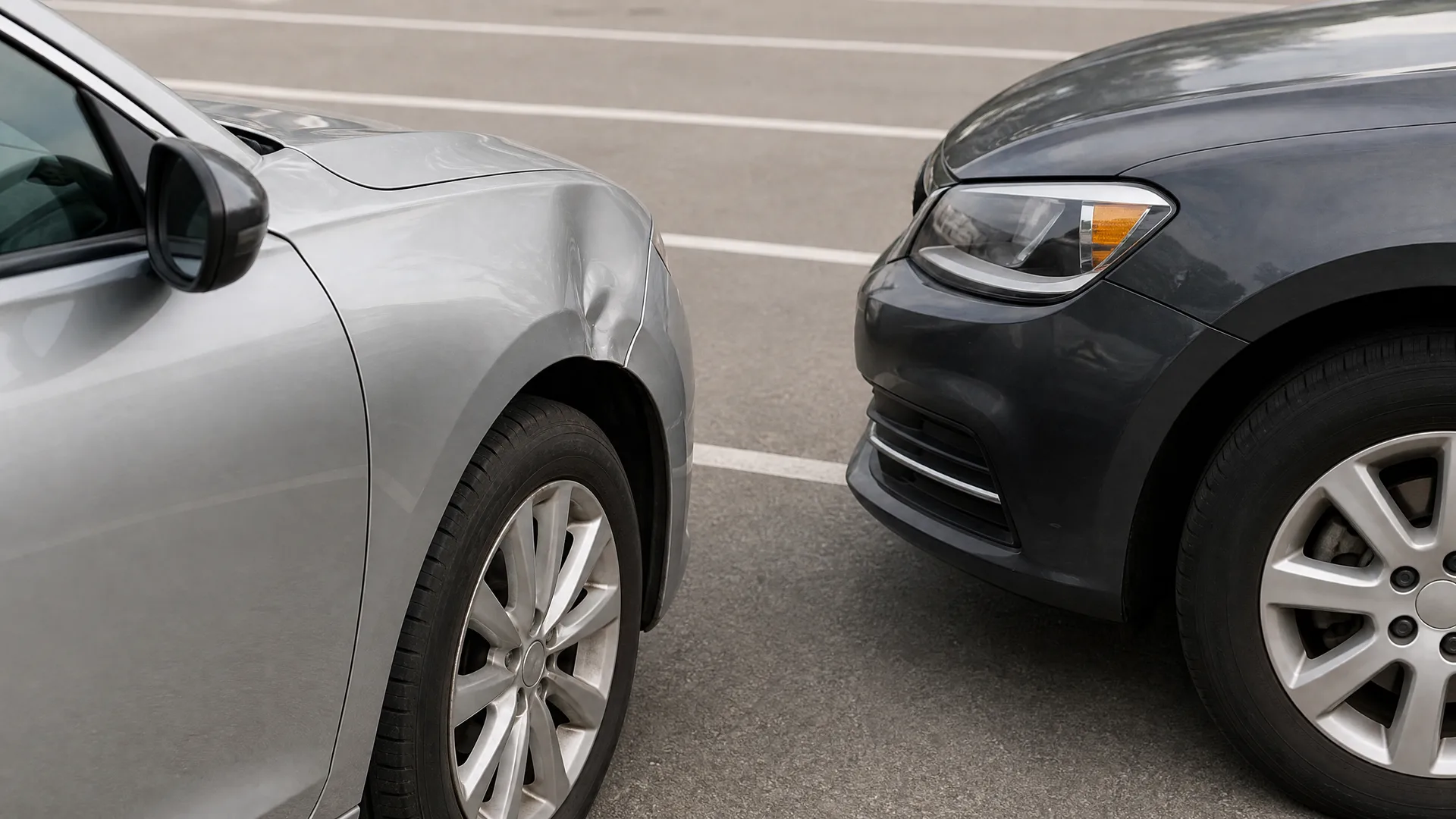
Once you know whether your current limit still matches what you have to protect, you can compare quotes with that number already decided.
Questions people ask about this
How much liability coverage do I actually need?
Enough to cover what you'd lose if a lawsuit came after your savings, home equity or future income, since that's what sits behind your policy limit. People with more assets generally choose higher limits, while those with fewer assets to protect sometimes carry less. It helps to think of your limit as what you're willing to risk personally if a claim goes over it.
Can I be sued for more than my liability limit covers?
Yes, if a judgment against you is larger than your limit, you're personally responsible for the difference. This is why some drivers with significant savings or property add an umbrella policy on top of their regular limit. Check your policy to see exactly what your current limit is and whether it still feels adequate.
Does liability coverage follow me if I drive someone else's car?
Generally yes, your own liability coverage typically extends to you driving a car you don't own, as long as you have permission to drive it. Rules on this can vary, so it's worth checking your specific policy language. If you regularly drive a car that isn't yours, mention that to whoever services your policy.
Will my liability limit go up automatically as costs rise?
No, your limit stays the same until you or your insurer changes it, even as medical and repair costs increase over time. That's exactly why a limit set decades ago can feel outdated now. Reviewing it periodically, rather than assuming it adjusts on its own, is the only way to know it still fits.
Does my liability coverage change if I stop driving as much?
Not directly, since this coverage is about how much you pay out per incident, not how often you drive. Driving less can lower your odds of a claim and may lower your premium, but it doesn't change what you're responsible for if an accident does happen. Whether this coverage varies by how it's offered can depend on your state, so it's worth checking your own policy for specifics.