Liability Limits for Seniors in Michigan
Liability limits are the amount your policy will pay for injuries or property damage you cause to someone else, and raising or lowering them changes how much of that cost lands back on you.
What liability limits actually pay for
Covers
- Injuries to other people If you cause a crash and hurt someone else, this is the money that covers their medical bills up to your limit.
- Lost income for someone you hurt If the person you injured can't work for a while, liability coverage can pay toward what they would have earned.
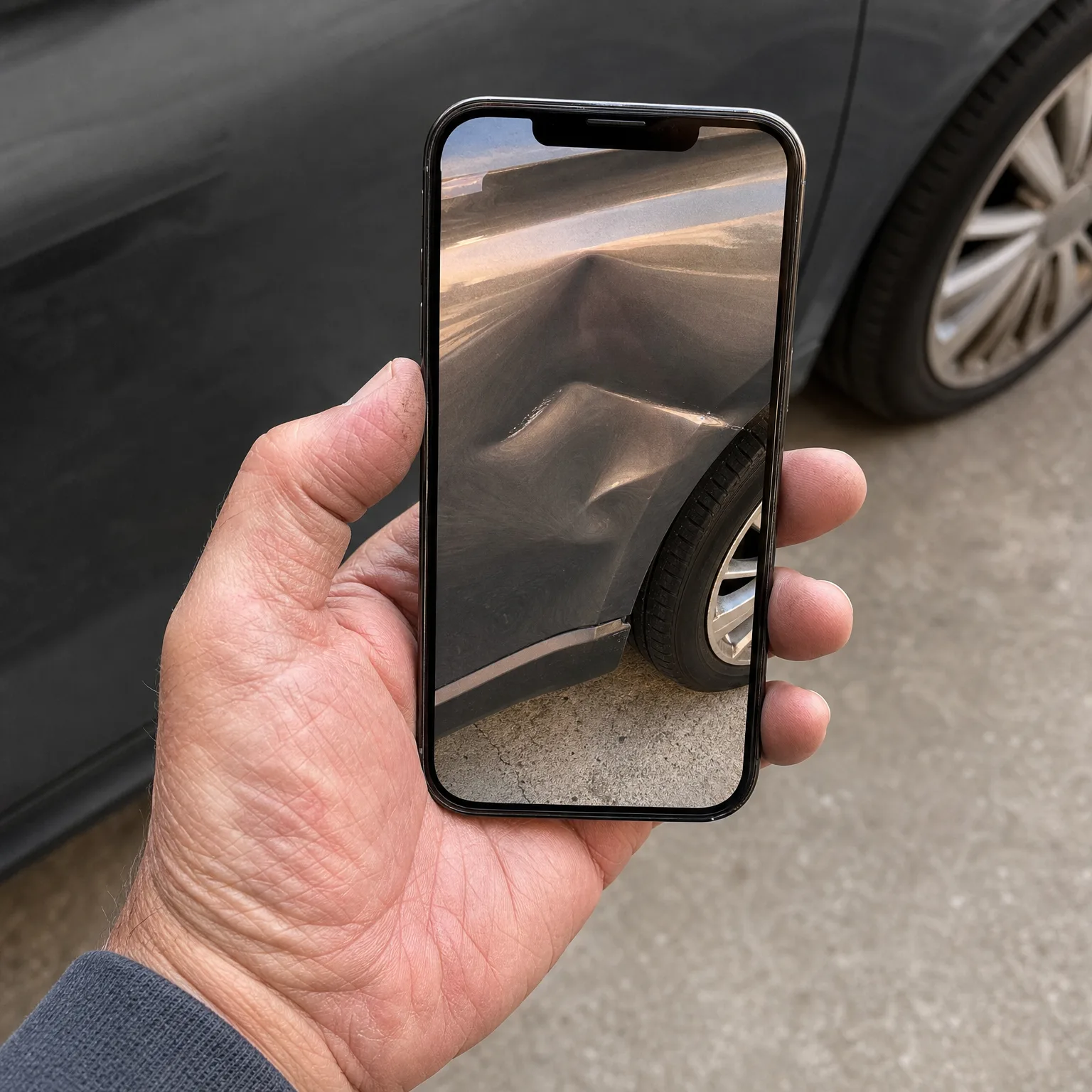
- Damage to someone else's car If you hit another vehicle, this pays to repair or replace it rather than you paying out of pocket.
- Damage to property that isn't a car A fence, a mailbox, a garage door, this covers things you damage with your vehicle that belong to someone else.
- Your legal defense if you're sued If the other driver sues over the crash, your insurer typically provides and pays for your legal defense up to the policy terms.
Doesn't cover
- Your own car's damage Liability only pays for the other person's losses, so repairs to your own vehicle come from collision coverage instead.
- Your own injuries Your medical costs after a crash you caused are handled by your own medical payments or health coverage, not liability.
- A hit and run driver you can't identify When no other driver can be named, this falls to your uninsured motorist coverage rather than liability.
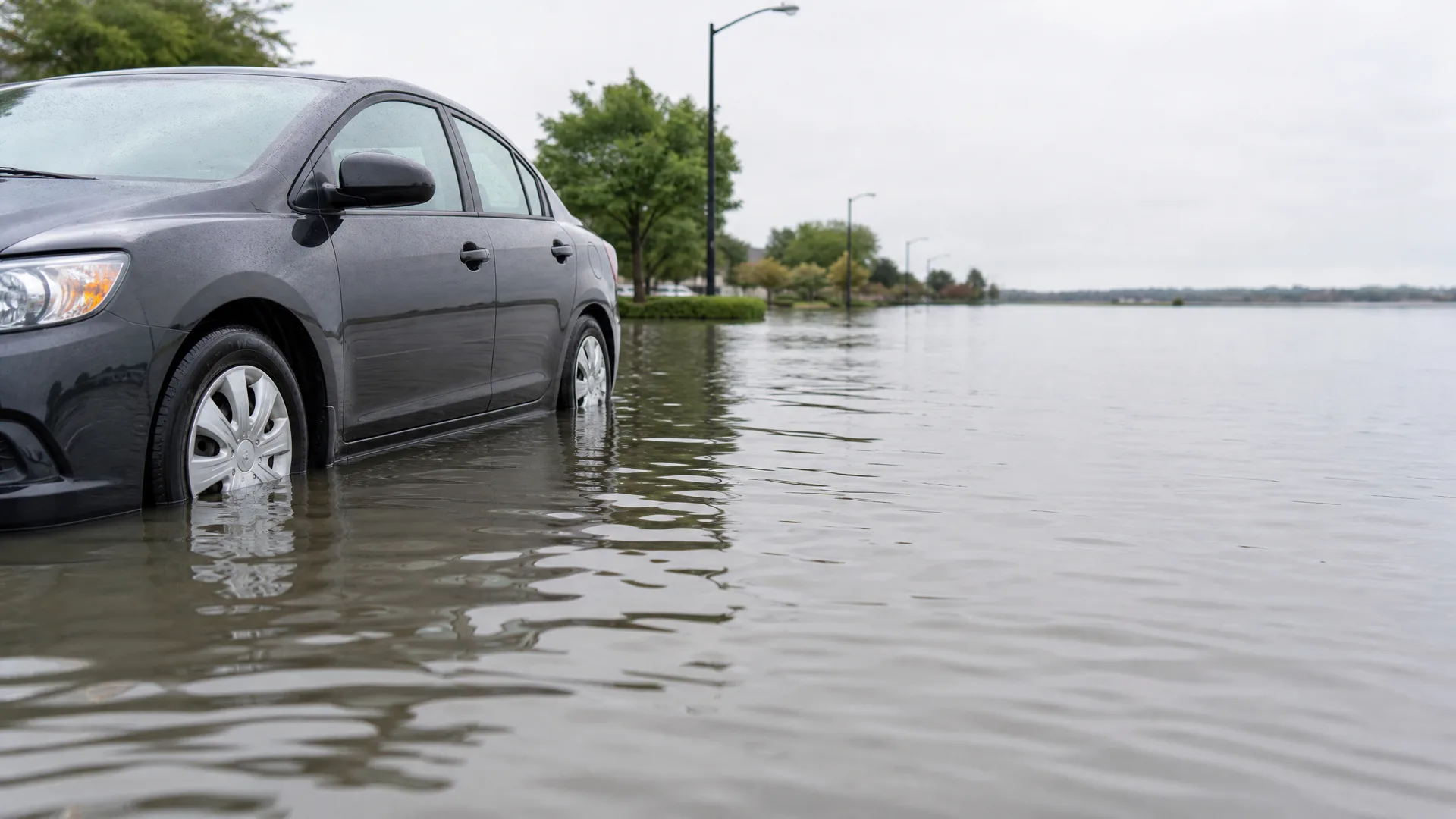
- Damage from weather or theft Hail, flooding, a stolen car, none of that involves another person you harmed, so it's handled under comprehensive coverage.
- A passenger in your own car Depending on how your policy is built, injuries to someone riding with you may fall under a different part of your coverage.
For most drivers this age, higher limits are worth it
The amount required by law is often lower than what a serious crash actually costs, and that gap doesn't shrink because you're older or have driven for decades without a claim.
What matters most is what you have to lose. If you own a home, have retirement savings, or have any other assets, those are exactly what a lawsuit after a bad crash could reach if your liability limit runs out first. Low limits don't protect your driving record, they just leave the rest exposed.
How much you drive still counts, even if it's less than it used to be. Fewer miles lowers the odds of a crash, but it doesn't lower what a single serious one could cost if it happens on the one bad day you're still on the road.
Where the car sits and how it's used matters less here than it does for other coverages. Liability follows you as the driver more than it follows the car, so a car that mostly sits in the garage doesn't reduce your need for solid limits if you still drive it anywhere at all.
What happens when you actually use it
There's no deductible on your side for liability, because this pays the other person's costs, not yours. Your insurer investigates the crash, decides who's at fault, and if it's you, they negotiate and pay the other driver's claim up to your limit.
If the damages come in under your limit, your insurer pays the full amount and the matter closes. If the damages go over your limit, you can be personally responsible for the difference, which is the exact situation higher limits are meant to prevent.
Have your policy details, the other driver's information, and a clear account of what happened ready when you report a claim. The clearer the account, the faster your insurer can settle it and the less back and forth you'll deal with.
Liability limits vs. umbrella coverage
Liability Limits
This is the coverage built into your auto policy that pays for injuries or damage you cause to someone else, up to whatever limit you've chosen. It's the first and usually only layer unless you add something on top of it.
Umbrella Coverage
This is a separate policy that sits above your auto liability limit and picks up where it leaves off, paying out if a claim exceeds what your auto policy covers. It usually covers your home liability too, not just driving.
If you have meaningful savings or own property outright, raising your auto liability limit first and adding an umbrella policy after is the sturdier way to go.
Real situations
You're pulling out of a grocery store parking lot and misjudge the distance, clipping another car's door panel.
Your liability coverage pays for the other driver's repair, since you caused the damage to their vehicle.
A hailstorm hits while your car is parked at church and dents the hood and roof.
Liability doesn't pay here, since no other person was involved, this is a comprehensive claim.
A deer runs into the road at dusk on a county highway and you hit it, damaging your front end.
This is also not a liability claim, since there's no other driver, it falls under comprehensive coverage instead.

Once you've decided what liability limit fits where you are now, compare quotes with that number already set so you're comparing real coverage, not just a price.
Questions people ask about this
How much liability coverage do I actually need at my age?
It depends more on what you have to protect than on your age itself. Look at your savings, your home equity, and any other assets, since those are what a lawsuit could reach if a crash costs more than your limit covers. Many people this age choose higher limits than they carried decades ago, simply because they have more to protect now than they did back then.
Does my liability coverage drop if I stop driving every day?
No, your limit stays the same regardless of how often you drive. Driving less may lower your premium over time, but it doesn't reduce what your policy would pay out if you were in a crash tomorrow. The limit is set by your choice, not your mileage.
Can I be personally sued if liability coverage isn't enough?
Yes, if damages from a crash exceed your liability limit, you can be held personally responsible for the rest. This is the main reason many people add extra coverage on top of their auto policy as they build more savings and assets over the years.
Should I lower my liability limits if I'm driving less than I used to?
Not necessarily, since the risk per mile doesn't change even if total miles do. One serious crash on a rare trip can cost just as much as one on a daily commute. What matters is what you'd owe if that one crash happened, not how often you're on the road.
Does liability coverage cost more as you get older?
It varies by individual circumstances more than by age alone, and driving history still plays a large role. Some older drivers see rates ease with a long clean record, while others see them shift due to health or vision changes. Check your own policy and ask your insurer directly what's driving your current rate.