Liability Limits for Seniors in Maryland
Liability limits are the highest amount your insurance will pay for injuries or property damage you cause someone else in an accident.
What liability coverage pays for
Covers
- Injuries to other people Medical bills, lost income, and related costs for someone you hurt in an accident you caused.
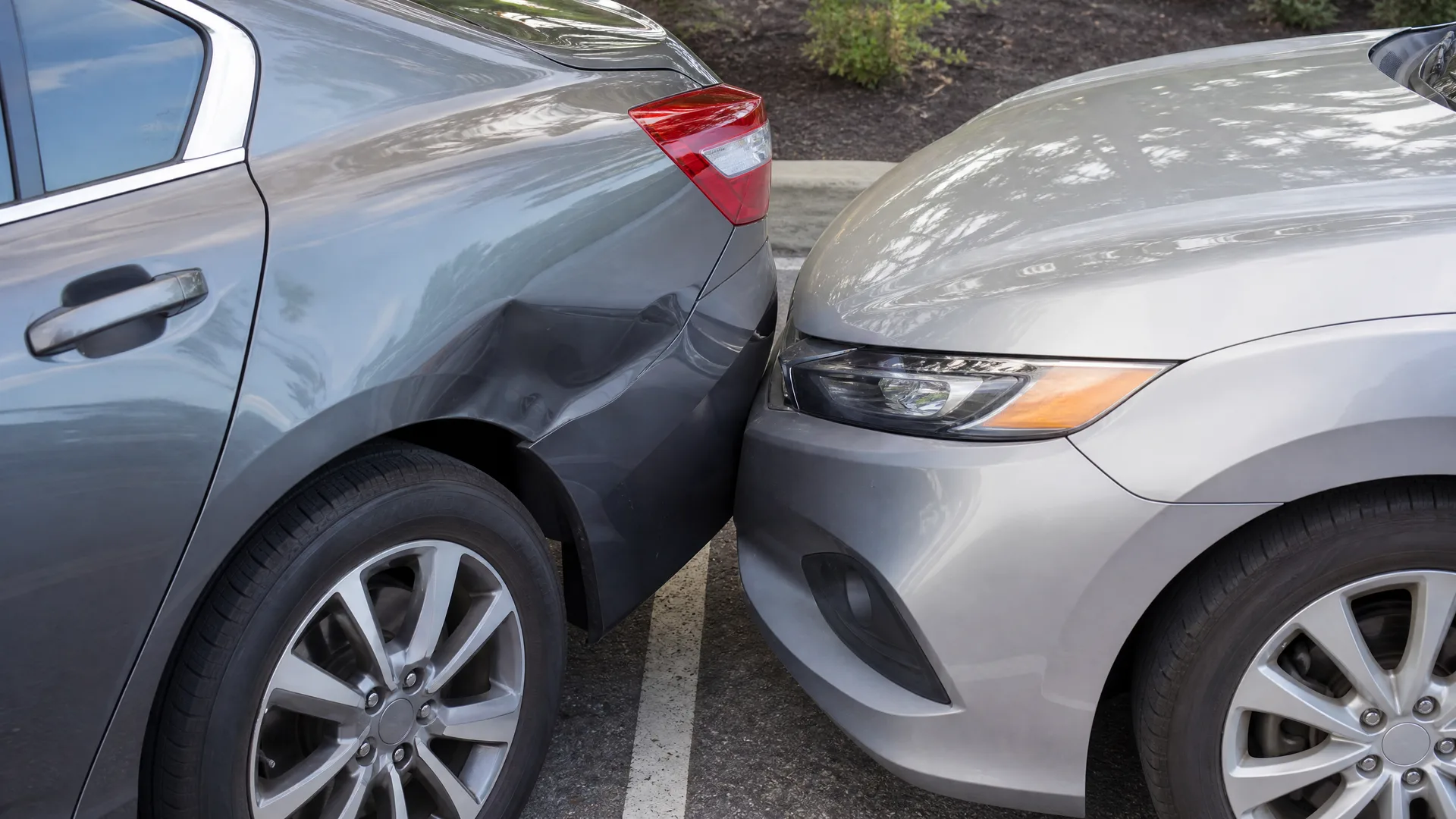
- Damage to their vehicle Repair or replacement of the other driver's car when you're at fault.
- Damage to other property Fences, mailboxes, storefronts, or anything else of someone else's that your car hits.
- Legal defense if you're sued If the other party sues over the accident, your insurer provides and pays for your legal defense up to your limits.
- A payout up to your chosen limit Whatever you've set as your limit is the ceiling; costs above that come from you, not the insurer.
Doesn't cover
- Your own injuries Liability only covers other people; your own medical costs need personal injury protection or health insurance instead.
- Damage to your own car Repairing your vehicle after a crash you caused requires collision coverage, which is separate.
- A hit-and-run or uninsured driver If someone without enough coverage hits you, that's handled by uninsured motorist coverage, not your liability limits.
- Weather or theft damage Hail, flooding, vandalism, or a stolen car falls under comprehensive coverage, not liability.
- Mechanical breakdown A failed transmission or dead battery has nothing to do with liability and isn't covered by any insurance claim.
Yes, and higher limits are usually worth it at this age
Raising your liability limits is one of the few insurance decisions that's almost always worth doing, and it has little to do with how old the car is or whether it's paid off. Liability protects what you own outside the car too, so the math is about your savings and assets, not your vehicle's value.
If you've spent decades building savings, a paid-off house, or retirement accounts, you have more to lose in a lawsuit than someone just starting out. Minimum limits in most states are set low enough that a serious accident can blow through them quickly, leaving you personally on the hook for the rest.
How much you drive matters less here than you'd think. Even someone who only drives a few times a week to church or the store faces the same risk per accident as someone who drives every day. One bad intersection is all it takes.
Where the car sits overnight, in a garage or on the street, affects comprehensive and theft risk, but it doesn't change your liability exposure at all. That risk comes entirely from being on the road and making a mistake, which can happen to any driver at any age.
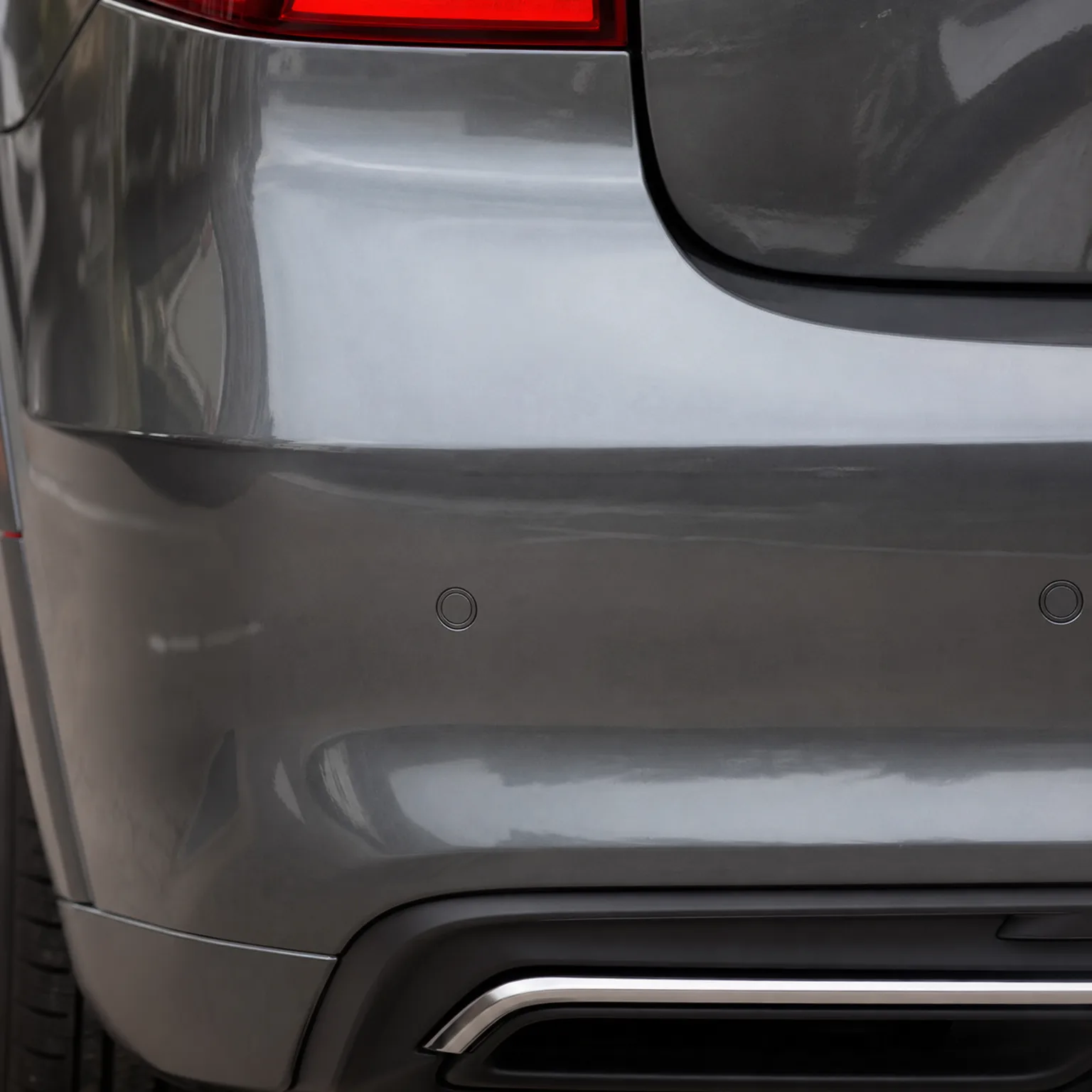
How a liability claim actually plays out
There's no deductible on liability coverage, because it doesn't pay you. It pays the other person, so your out-of-pocket cost only comes in if the damages exceed your limit.
After an accident where you're found at fault, the other driver or their insurer files a claim against your policy. Your insurer investigates, confirms fault, and negotiates or pays the claim directly to the other party or their medical providers and repair shop.
The payment covers their losses up to your limit, split between the portion for injuries and the portion for property damage depending on how your policy is structured. If the total damages are higher than your limit, you can be personally sued for the difference.
Have your policy details, the other driver's information, and any police report ready when you report the claim. The sooner your insurer has the full picture, the faster they can resolve it before it turns into a lawsuit.
Liability limits vs. umbrella coverage
Liability limits
This is the base protection built into your car insurance policy, covering injury and property damage claims against you up to a set ceiling. It only applies to incidents involving your vehicle.
Umbrella coverage
This is a separate policy that sits on top of your auto and home liability limits, kicking in once those are exhausted. It covers a broader range of situations, not just driving, and requires its own policy and underwriting.
If you have significant savings or assets to protect, raise your auto liability limits first and then look into umbrella coverage for the extra cushion above that.
Real situations
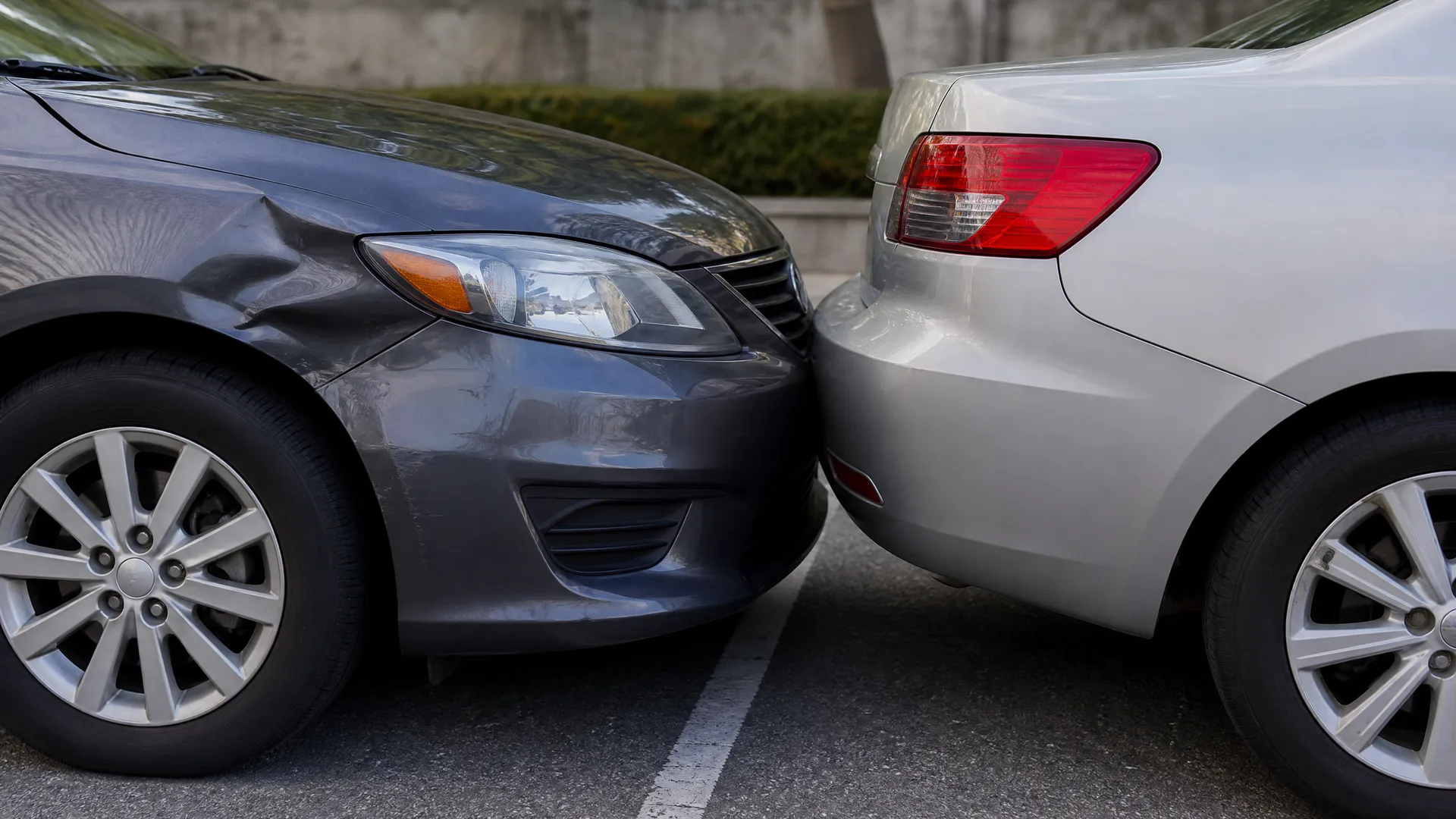
You're pulling out of a church parking lot and don't see an oncoming car, causing a collision that injures the other driver.
Liability pays for the other driver's injuries and vehicle damage up to your limit, since you were at fault.
A hailstorm hits while your car is parked outside, denting the hood and cracking the windshield.
Liability doesn't pay here at all, since no other person or property was involved; this is a comprehensive claim.
A deer runs into the road at dusk on a county highway and you can't stop in time, damaging your front end.
Liability doesn't pay since there's no other party involved; this falls under your own comprehensive coverage instead.
Now that you know whether to raise, keep, or adjust your liability limits, compare quotes with that limit already in mind.
Questions people ask about this
How much liability coverage do I actually need?
It depends mainly on what you have to protect, not a fixed number. Look at your total savings, home equity, and other assets, since a judgment against you could reach into all of them. Many people choose limits well above the state minimum once they see the gap between the two.
Can my liability limits be lowered if I stop driving often?
No, your limit itself isn't tied to how often you drive. Driving less may lower your premium, but the limit you choose protects you the same way whether you drive daily or rarely. Check with your insurer about mileage-based discounts separately from your limit.
What happens if a lawsuit exceeds my liability limit?
Your insurer pays up to your limit, and you're personally responsible for anything beyond that. This could mean wages, savings, or other assets being pursued through the legal system. It's the main reason people raise their limits rather than relying on built-in state minimums.
Does my liability coverage follow me if I drive someone else's car?
Usually yes, your liability coverage typically extends to you driving another person's car with their permission, though it varies by policy and state. Check your specific policy language or call your insurer before assuming you're covered. The other car's own insurance may also come into play first.
Will raising my liability limits increase my premium a lot?
It typically raises your premium some, but usually less than people expect relative to the added protection. The jump from state minimum to a higher limit is often a small part of your total bill. Ask your agent to show you the difference in cost side by side before deciding.