Liability Limits for Seniors in Louisiana
Liability limits are the most your insurer will pay on your behalf when you're at fault for someone else's injuries or property damage, and they're the foundation every policy is built on.
What liability limits pay for
Covers
- Injuries to other people If you cause a wreck, this pays for the other driver's or passenger's medical bills up to your limit.
- Damage to their vehicle or property This covers repairs to the other car, or to a fence, mailbox or building you hit, up to your separate property damage limit.
- Your legal defense If the other side sues you over the accident, your insurer typically provides and pays for an attorney as part of this coverage.
- Lost wages the other person claims If their injuries keep them out of work, a settlement or judgment covering that lost income comes out of your liability limit.
- Settlements negotiated on your behalf Your insurer handles the back and forth with the other side's insurer or attorney so you don't have to negotiate it yourself.
Doesn't cover
- Your own car's damage Liability only pays the other party. Repairs to your own vehicle come from collision coverage if you carry it.
- Your own medical bills Your injuries are paid through medical payments coverage, personal injury protection, or your own health insurance, not liability.
- A hit and run or uninsured driver When the at-fault driver has no insurance or flees, uninsured motorist coverage is what responds, not your liability limit.
- Damage from weather or animals Hail, flooding, fire or hitting a deer are handled by comprehensive coverage, since no other driver is at fault.
- A passenger in your own car Depending on how your policy and state rules are set up, your passenger's injuries may fall to medical payments coverage or your health plan rather than liability.
Yes, and the limit matters more than whether you carry it at all
Every driver on the road is required to carry some form of this coverage, so the real question isn't whether to have it but how much. The state minimum is often set low enough that a single serious accident can exceed it easily, leaving you responsible for the rest out of your own pocket.
Think about what you have to protect. If you own a home, have savings set aside for retirement, or hold other assets, a judgment against you in a lawsuit can reach those assets once your liability limit runs out. Higher limits cost little more and stand between an accident and your savings.
How much you drive factors in too. If you're mostly running errands nearby and rarely take long trips, your exposure is lower than someone commuting daily, but even an occasional drive on an unfamiliar highway or during a visit to grandchildren out of town carries the same risk per mile as it always did.
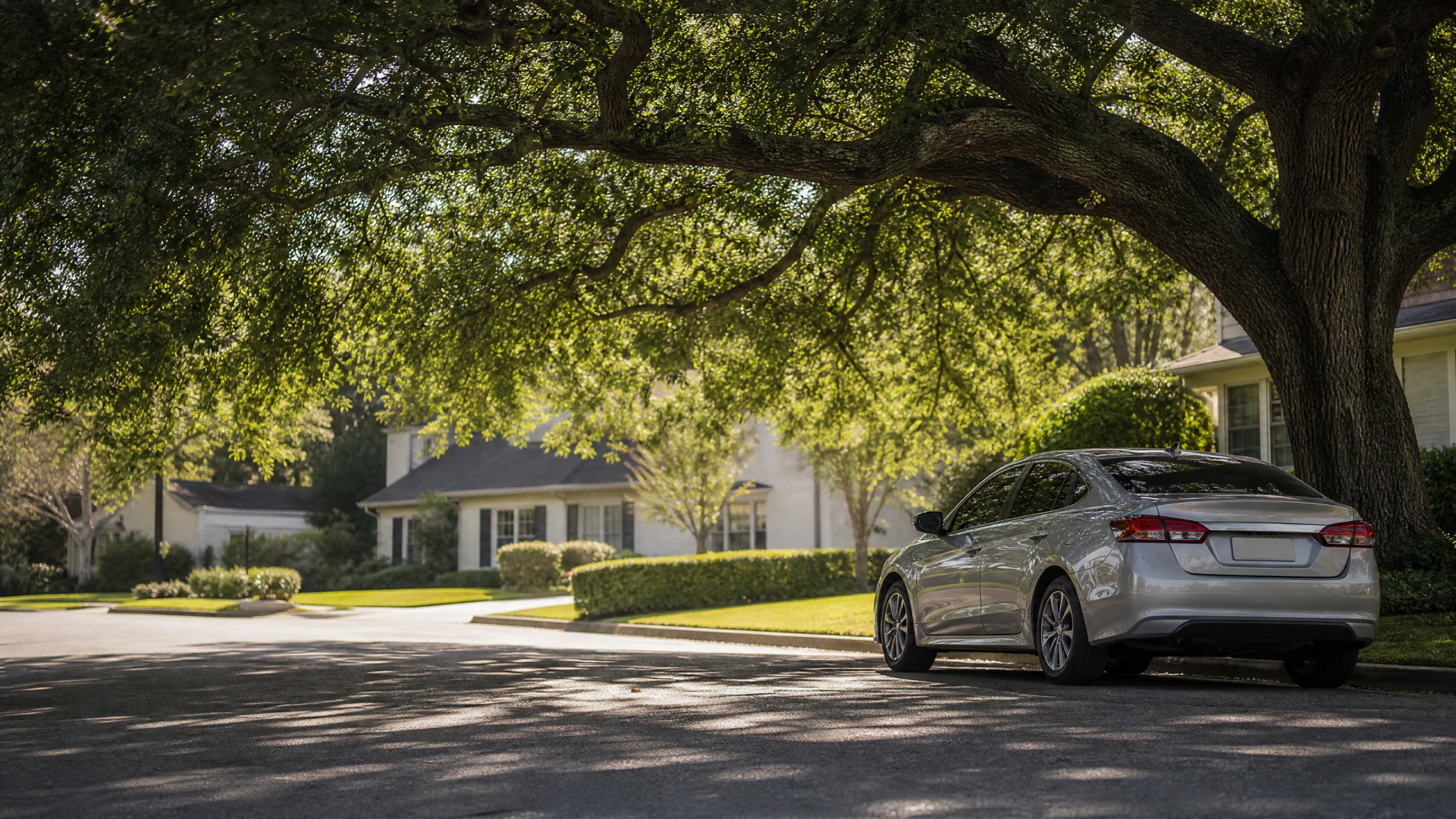
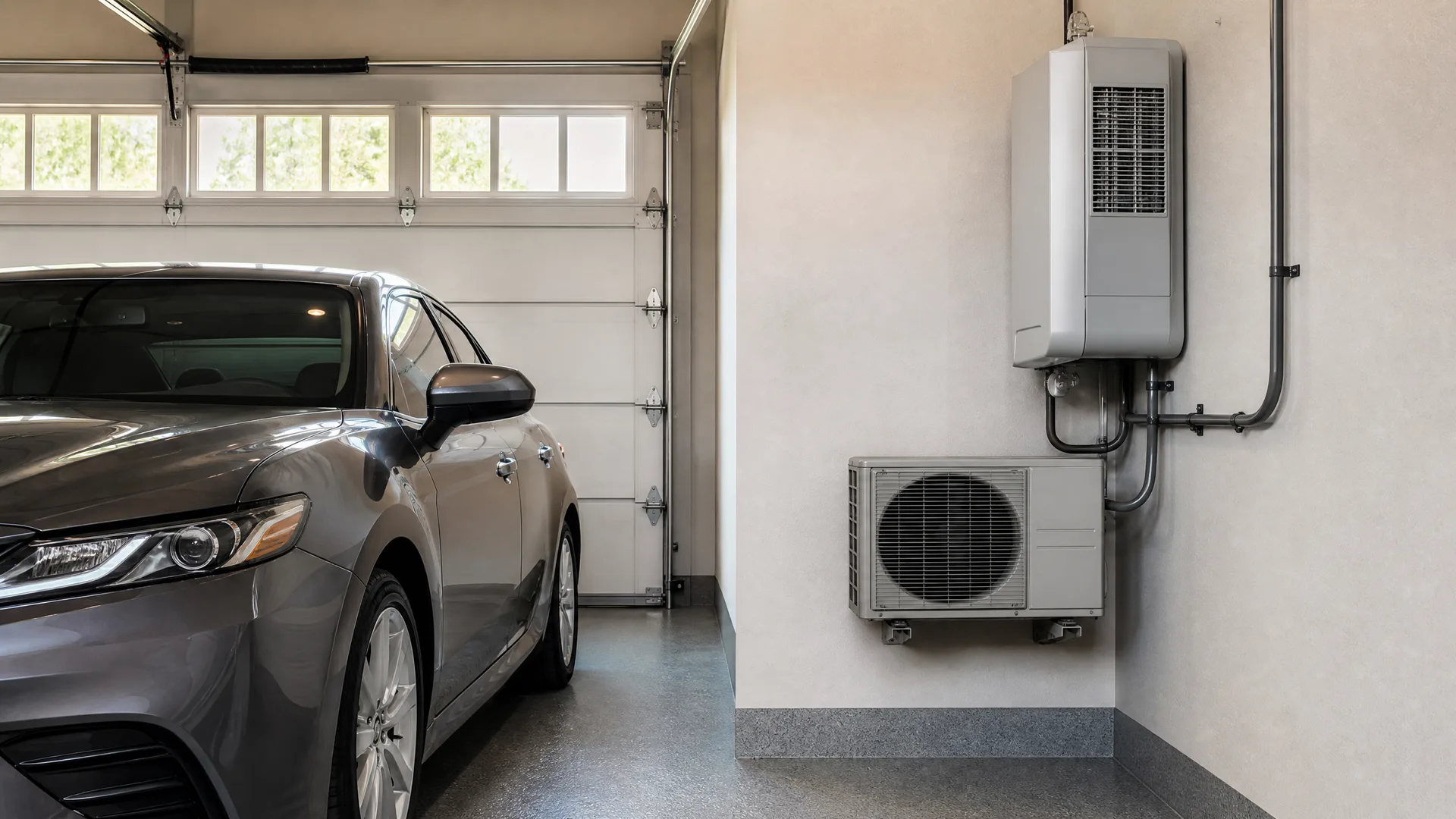
Where the car sits matters less than how it's driven. A car that mostly stays in a garage still needs full liability limits any time it's on the road, since one accident is all it takes regardless of how often you drive.

How a liability claim actually plays out
There's no deductible on the liability side, since this coverage pays the other person, not you. Once you report the accident, your insurer investigates to determine fault and then deals directly with the other driver or their representative.
If you're found at fault, the payment goes toward the other person's medical bills, repair costs, or a negotiated settlement, up to your limit. If the claim or lawsuit asks for more than your limit covers, you can be personally responsible for the difference, which is the core reason to carry enough.
Have your policy details, the other driver's information, and any police report ready when you call it in. Photos from the scene and a clear account of what happened help your insurer settle the claim faster and more accurately on your behalf.
Your own insurer is working on your behalf in this process, even though the money goes to someone else. That's worth remembering if the process feels slow or impersonal, since the goal is still to resolve it without you paying out of pocket beyond your limit.
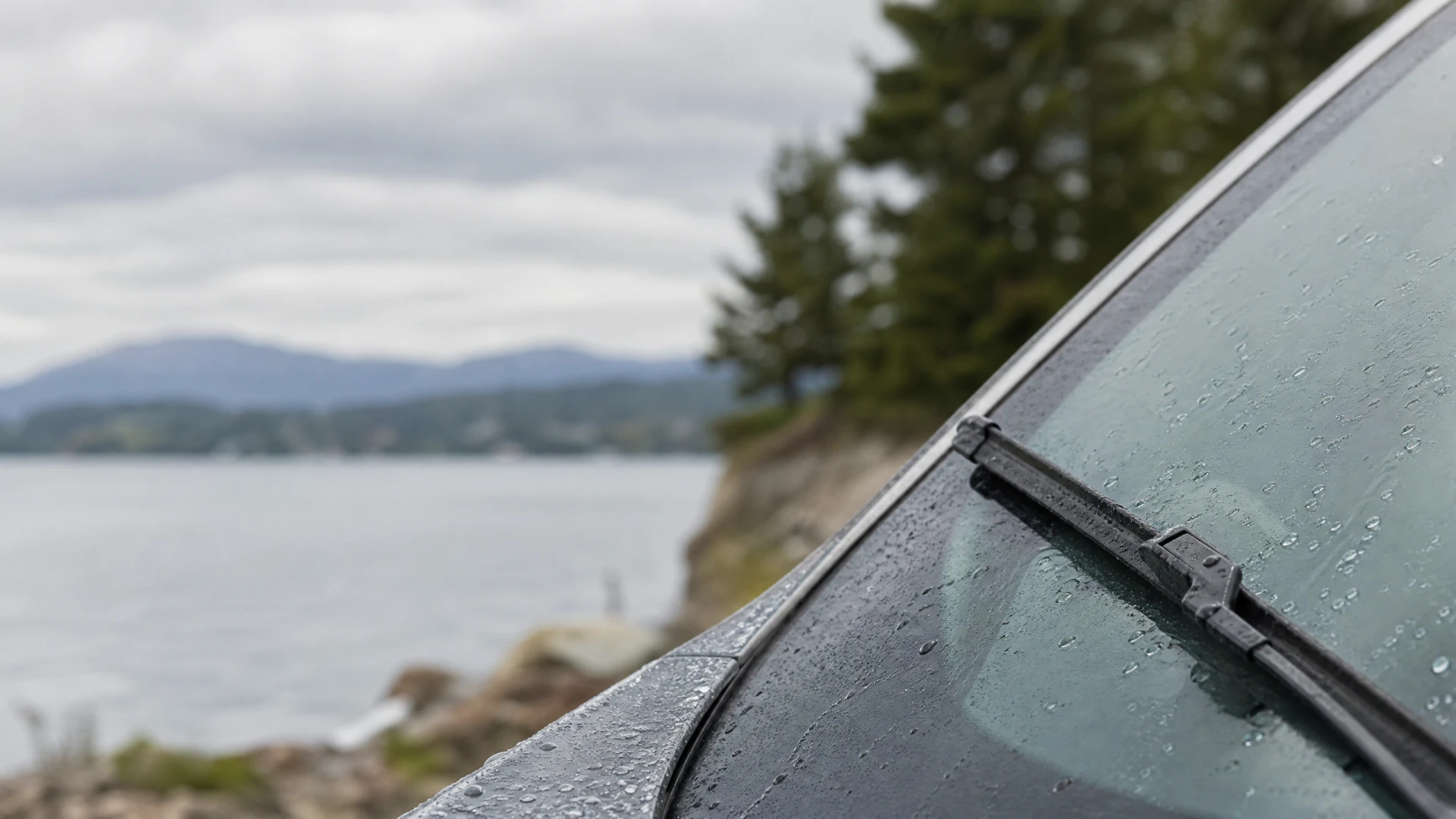
Liability limits vs uninsured motorist coverage
Liability Limits
Liability pays when you are at fault and someone else is hurt or their property is damaged. It protects your assets and covers your legal defense if you're sued over an accident you caused.
Uninsured Motorist Coverage
Uninsured motorist coverage pays you when someone else causes the accident but doesn't have enough insurance, or any at all, to cover your injuries or damage. It flips the direction of protection to cover you instead of the other driver.
If you want to be protected no matter who's at fault, you need both, since liability alone leaves you exposed when the other driver is the one without coverage.
Real situations
You're pulling out of a church parking lot after a service and misjudge the distance, clipping another parishioner's car door.
Liability pays for the repair to their car, since you were at fault for the contact.
A hailstorm rolls through while your car is parked at the grocery store and dents the hood and roof.
Liability doesn't pay here, since no driver caused this and it falls to comprehensive coverage instead.
Driving home at dusk on a county road, a deer runs into your path and you swerve into a ditch, damaging your car but hitting nothing else.
Liability doesn't pay for your own vehicle's damage, and since no other party is involved, this falls to comprehensive or collision coverage depending on how it happened.
Once you know whether your current liability limits actually match what you have to protect, you're ready to compare quotes with that number already decided.
Questions people ask about this
How much liability coverage do I actually need as a senior?
It depends on what you have to protect, not your age directly. Look at your savings, your home equity, and any other assets a judgment could reach, since the goal is to carry enough that a serious accident can't take more than your limit covers. A licensed agent can walk through your specific situation and help you land on a number.
Does my liability coverage change if I stop driving as much?
Driving less can sometimes lower your premium, but it doesn't change how much coverage you need when you are on the road. Check with your insurer about mileage-based adjustments, since some policies do factor in lower annual mileage.
Can I be sued for more than my liability limit covers?
Yes, if a judgment against you exceeds your limit, you can be personally responsible for the rest. This is exactly why many people choose limits well above the minimum required, especially once they have savings or property worth protecting.
Does liability coverage follow me if I drive someone else's car?
Generally yes, your liability coverage can extend to you driving another vehicle with permission, but this varies by policy and by state. Check your own policy's language or ask your agent before assuming you're covered in someone else's car.
What happens to my liability coverage if I let my license lapse?
Your policy terms govern this, not your license status directly, so check with your insurer before assuming anything changes automatically. Letting coverage lapse entirely, even temporarily, can affect your rates later, so it's worth a direct conversation if your driving status is changing.