Liability Limits for Seniors in Kentucky
Liability limits are the highest amount your insurance will pay for injuries or property damage you cause someone else in a crash.
What liability limits pay for
Covers
- Injuries to other people If you cause a wreck, this pays for the other driver's or passenger's medical bills up to your limit.
- Damage to their vehicle This pays to repair or replace the other car when the crash is your fault.
- Damage to other property If you hit a fence, a mailbox, or a storefront, this covers the cost of fixing it.
- Lost income for the other person If the person you hit can't work while recovering, this can cover some of that lost income.
- Your legal defense If you're sued over the crash, this pays for a lawyer and related costs up to your policy's terms.
Doesn't cover
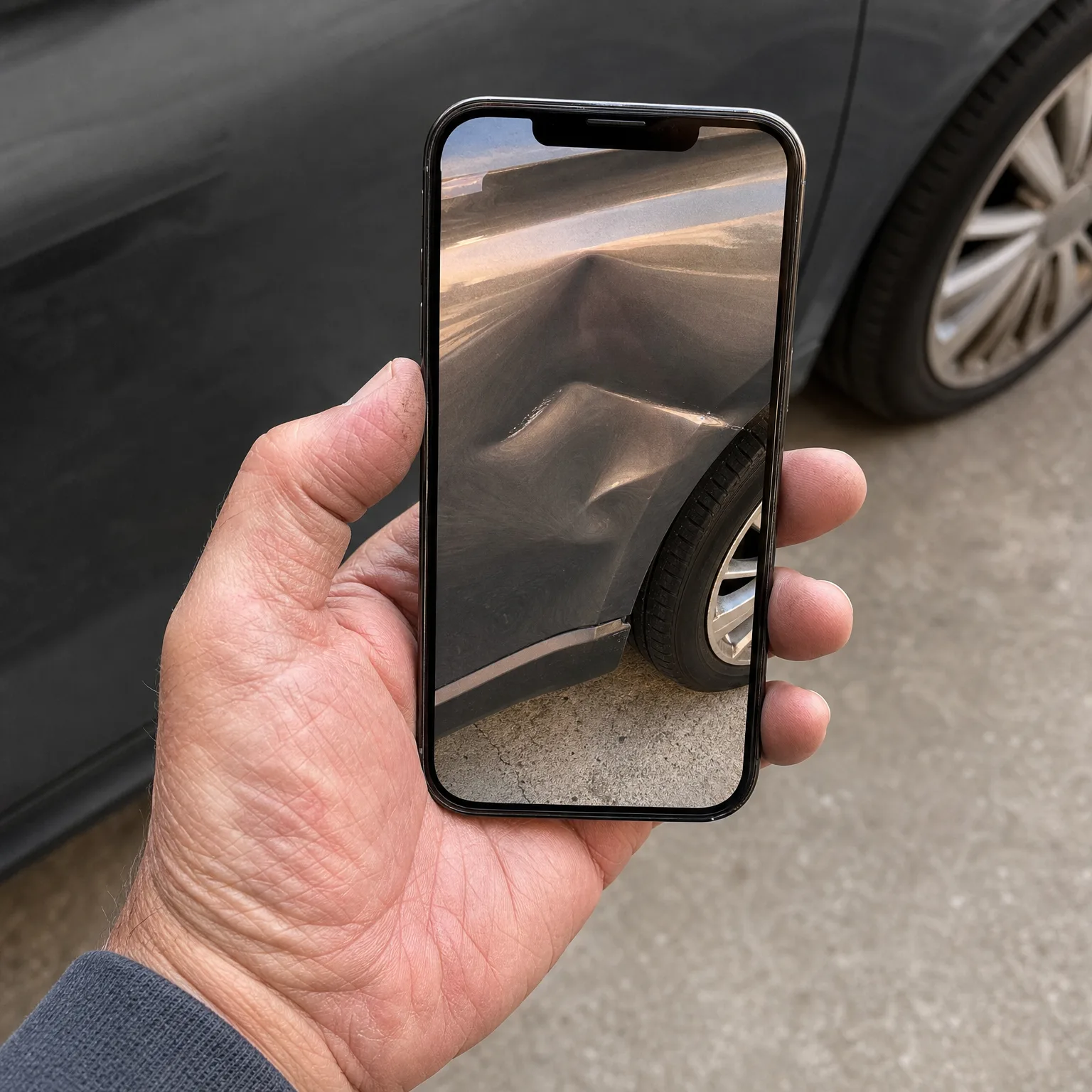
- Your own car's damage That's handled by collision coverage, not liability, so if you only carry liability your own repairs come out of pocket.
- Your own injuries Your medical costs are covered by personal injury protection, medical payments coverage, or health insurance, not liability.
- A hit and run driver When you can't identify who hit you, uninsured motorist coverage is what responds, not your liability limits.
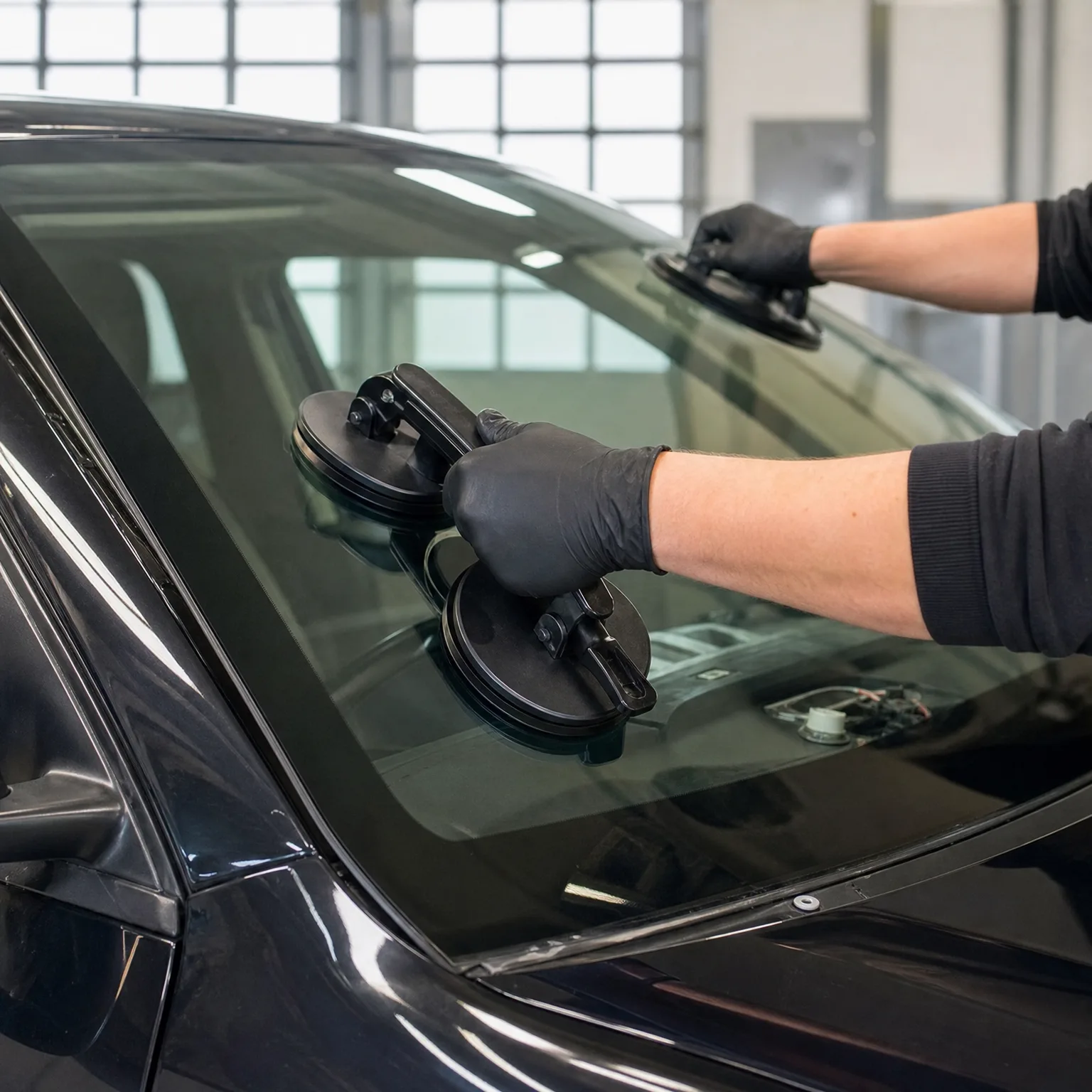
- Weather or theft damage Hail, a cracked windshield, or a stolen car falls under comprehensive coverage, which is separate from liability.
- Punitive damages in some cases Depending on how your policy and state handle it, certain court-ordered penalty payments may fall outside what liability pays, so it's worth checking your own policy.
Yes, and probably at a higher limit than you think
Most people set their liability limit decades ago and never revisited it. What made sense when you were raising a family or driving an older car may not match what you have to protect now, including savings, a paid-off house, or an investment account.
The real question isn't whether you need liability coverage. Every driver does. The question is how high your limit should be, because a serious crash can cost more than people expect, and a judgment against you can reach beyond your insurance into your other assets.
If you've paid off your home, built savings, or hold other property in your name, a low limit leaves more of that exposed. Raising your limit is one of the few insurance decisions that typically costs little relative to how much protection it adds.
How much you drive and where you drive also matter. Someone running errands around town a few times a week faces different odds than someone still commuting daily on a busy highway, and that can factor into how much cushion you want.
How a liability claim plays out
Liability coverage doesn't have a deductible for you to pay, since it covers the other person's losses, not your own. Once a claim is filed, your insurer investigates who was at fault and how much the damages come to.
If you're found responsible, the insurer pays the other party directly, up to your policy's limit. If the damages are higher than your limit, you're personally responsible for the difference, which is the core reason people raise their limits as they accumulate more to protect.
Have your policy information, a description of what happened, and any police report ready when you file. The insurer will also want contact information for anyone involved and any witnesses.
If the other person sues you, your insurer typically assigns a lawyer to defend you as part of this coverage, as long as the claim falls within your policy terms.
Liability limits vs. umbrella coverage
Liability Limits
This is the liability coverage built into your car insurance policy. It pays for injuries or damage you cause, up to whatever limit you've chosen on that policy alone.
Umbrella Coverage
This is a separate policy that adds another layer of liability protection once your car or home insurance limits are used up. It covers you across more situations, not just driving.
If you have significant savings or assets to protect, pairing a higher auto liability limit with an umbrella policy gives broader protection than raising your car limit alone.
Real situations
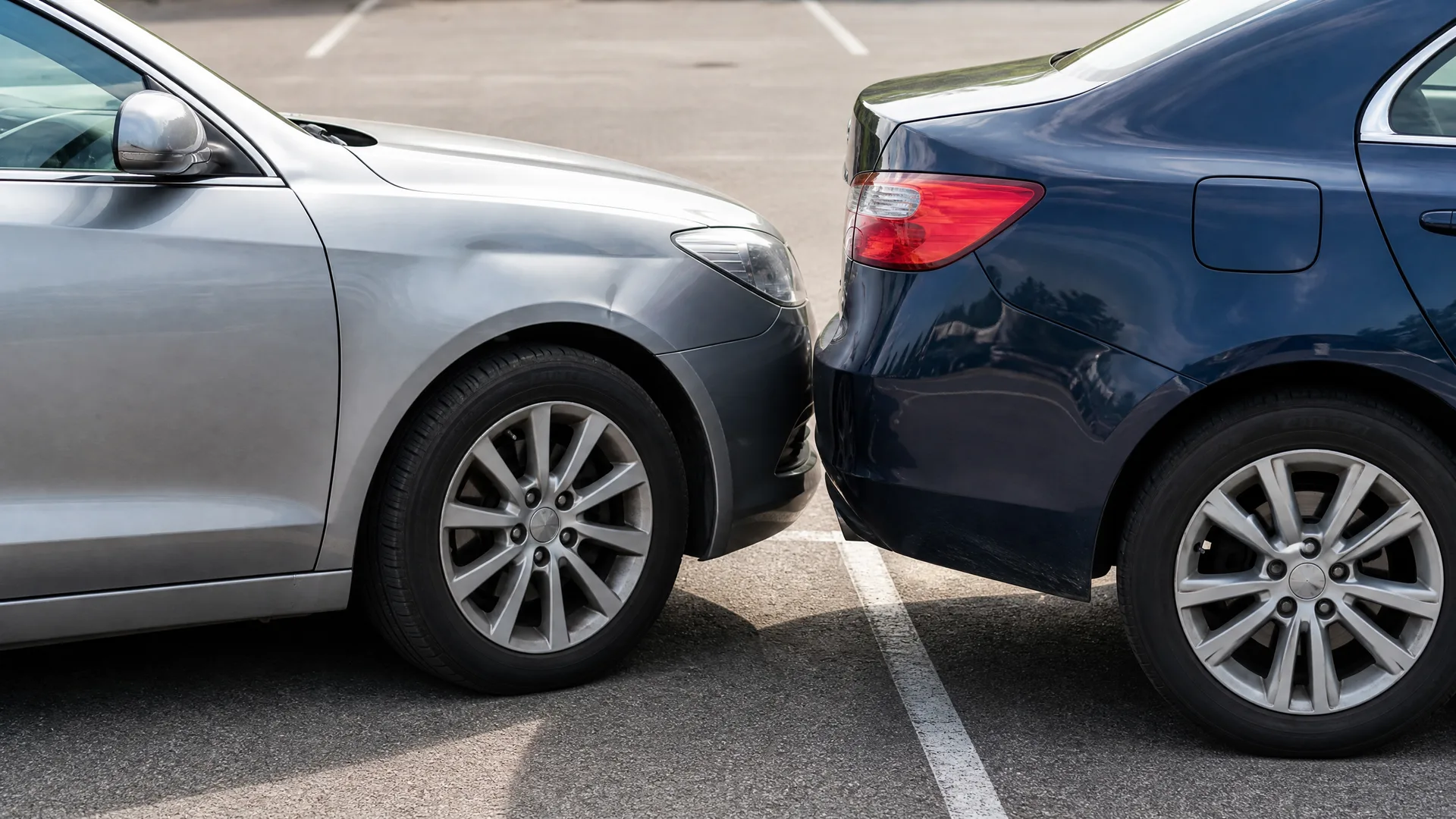
You're pulling out of a church parking lot and don't see an oncoming car, causing a crash that injures the other driver.
This pays for the other driver's injuries and vehicle damage, since the crash was your fault.
A hailstorm damages your car while it's parked overnight.
This doesn't pay, because liability only covers damage you cause to others, not weather damage to your own car.
You swerve to avoid a deer on a county road at dusk and clip a neighbor's mailbox and fence.
This pays for the fence and mailbox repair, since it was property damage you caused while driving.
Once you've decided what liability limit fits what you have to protect, you're ready to compare quotes with that number in hand.
Questions people ask about this
How do I know if my liability limit is too low?
It's too low if it wouldn't cover the value of your savings, home equity, or other assets in a serious crash. Add up roughly what you'd hate to lose in a lawsuit, and compare that to your current limit. If there's a wide gap, it's worth asking your insurer about raising it.
Does my liability coverage follow me if I drive someone else's car?
In most cases, yes, your liability coverage extends to you when driving another vehicle with permission, though this can depend on your specific policy. Check your policy wording or ask your insurer to confirm how it applies to borrowed or rental vehicles.
Can liability limits be split between injury and property damage?
Yes, many policies list separate limits for injury per person, injury per accident, and property damage. Review your declarations page to see how your limit is broken down, since it's rarely just one single number.
Will raising my liability limit affect my other coverages?
No, raising your liability limit is a separate decision from coverages like collision or comprehensive, which protect your own car. You can adjust one without changing the others, so ask your insurer to walk through each separately.
What happens if a judgment against me is higher than my liability limit?
You become personally responsible for the amount above your limit, which can put your savings or other assets at risk. This is the main reason people raise their limits or add umbrella coverage as they accumulate more to protect.