Liability Limits for Seniors in Kansas
Liability limits are the highest amounts your insurance will pay for injuries or property damage you cause someone else in an accident.
What liability limits actually pay for
Covers
- Injuries to other people If you cause a wreck and hurt someone else, this pays their medical bills up to your limit.
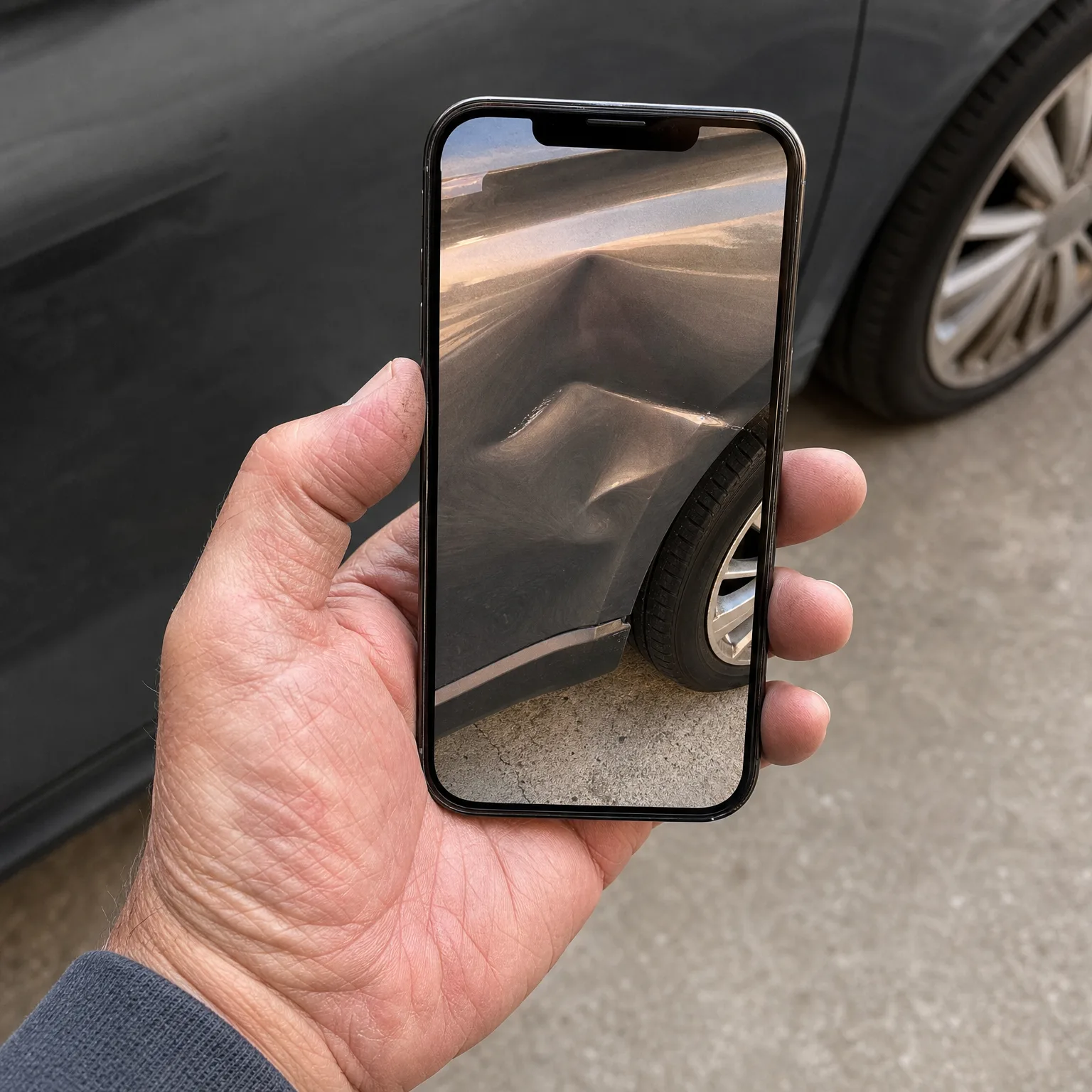
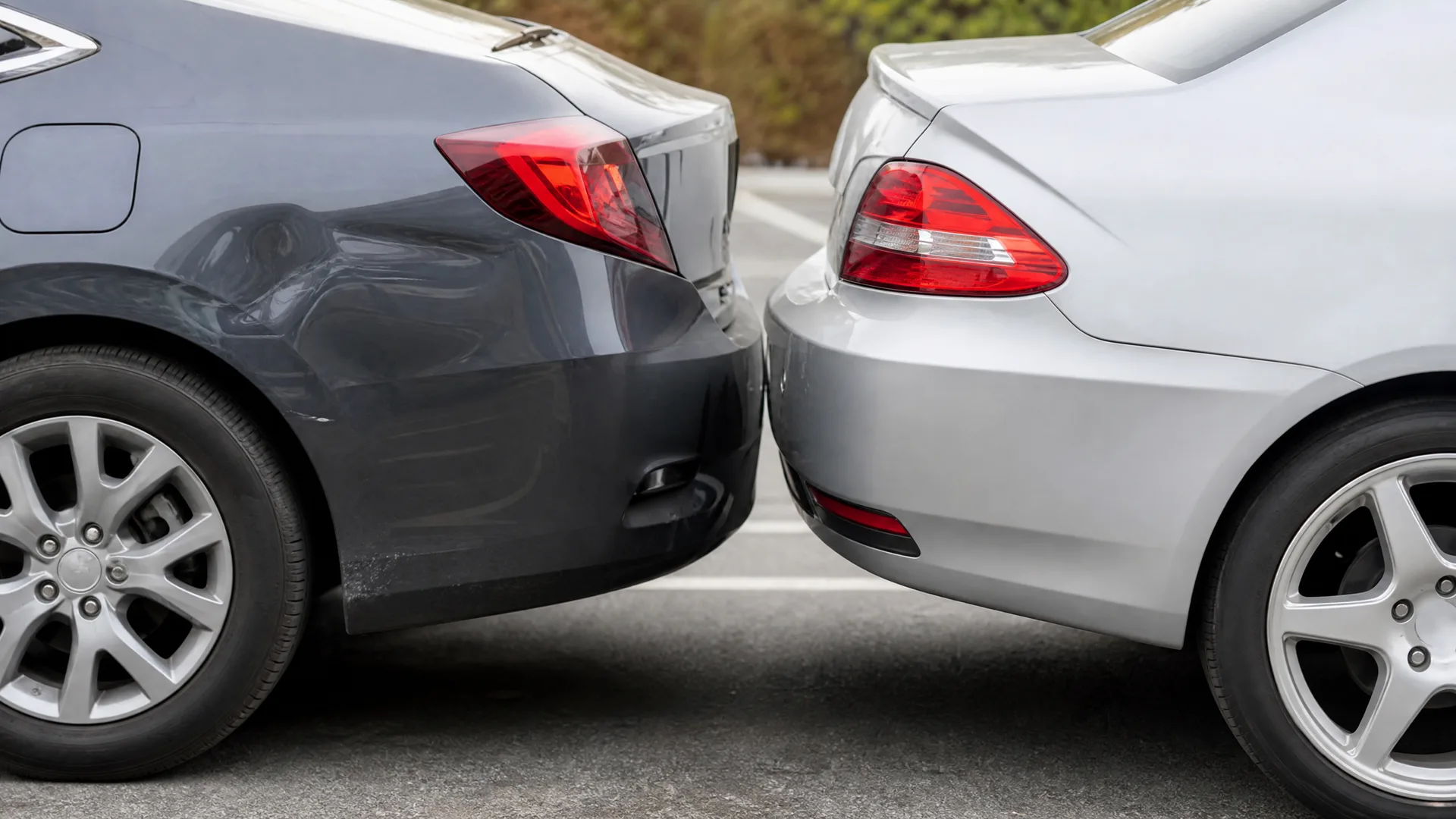
- Damage to their vehicle It covers repairs or the value of the other car if you're found at fault.
- Damage to other property If you hit a fence, a mailbox, or a storefront, this pays to fix what you damaged.
- Your legal defense If the other driver sues you over the accident, this pays for a lawyer and court costs tied to the claim.
- Lost income for someone you hurt If the person you injured can't work for a while, their claim can include that lost income, paid from your liability coverage.
Doesn't cover
- Your own car's damage Liability never pays to fix your car. That's what collision coverage is for.
- Your own injuries Your medical costs come from your health insurance, medical payments coverage, or personal injury protection, not liability.
- A hit-and-run driver If someone else hits you and leaves, your liability coverage doesn't respond. Uninsured motorist coverage does.
- Damage from weather or theft Hail, wind, a falling tree, or a stolen car are handled by comprehensive coverage, not liability.
- Costs above your limit If the damage or injuries cost more than your limit, you're personally responsible for the rest unless you have umbrella coverage.
Yes, and raising it is usually smarter than lowering it
Liability coverage isn't tied to what your car is worth, so the usual advice about dropping coverage on an old paid-off car doesn't apply here. This protects your savings and future income, not your vehicle, and that matters just as much, or more, once you're retired and living on fixed income.
Think about what you'd have to pay out of pocket if a claim went above your limit. If you own a home, have retirement savings, or still bring in income, a judgment against you could reach those assets. Higher limits cost relatively little compared to what they protect.
How much you drive still matters. Someone who drives daily on highways has more exposure than someone who mostly runs errands around town. But even infrequent drivers cause serious accidents, so low mileage is a reason to shop around, not a reason to carry minimal limits.
Where the car sits overnight, your health, and your reaction time can all affect your risk a little, but none of them lower what a serious accident actually costs the other driver. That's the number this coverage is built around.

How a liability claim actually plays out
There's no deductible on liability coverage. It pays the other person's claim, not yours, so you don't pay anything out of pocket on this part of the claim itself.
After an accident, you report it to your insurer, and they investigate who was at fault. If you're found responsible, they negotiate with the other driver or their insurer and pay the claim directly, up to your limit.
Have your policy details, the other driver's information, and any police report ready. A clear account of what happened helps your insurer settle the claim faster and keeps you from getting pulled personally into negotiations.
If the claim is likely to exceed your limit, your insurer will tell you. At that point you may want to talk to a lawyer, since anything above your limit becomes your responsibility unless you have other coverage in place.
Liability limits vs. umbrella coverage
Liability Limits
This is the base layer of protection built into your auto policy. It pays for injuries and damage you cause, up to whatever limit you've chosen.
Umbrella Coverage
This is a separate policy that sits on top of your auto liability limit and kicks in once that limit is used up. It usually covers a broader range of situations too.
If you have meaningful savings, a home, or other assets to protect, pairing solid liability limits with an umbrella policy makes more sense than raising auto limits alone.
Real situations
You're pulling out of a church parking lot and don't see a car coming, causing a crash that injures the other driver.
This pays for the other driver's injuries and vehicle damage, since you were at fault.
A hailstorm hits while your car is parked at the grocery store and dents the hood and roof.
This doesn't pay, since weather damage to your own car falls under comprehensive coverage.
You hit a deer at dusk on a county road and the car is totaled.
This doesn't pay, since there's no other driver involved and the damage is to your own vehicle, which comprehensive coverage handles.
Once you know what limits you want, compare quotes across insurers to see what that level of protection actually costs.
Questions people ask about this
How much liability insurance do I actually need?
It depends on what you have to protect, not a fixed rule. Look at your savings, home equity, and any other assets a lawsuit could reach, then choose limits that cover a serious accident without leaving a large gap. A local agent or financial advisor can help you weigh the numbers against your situation.
Does liability insurance go down as you get older?
Not automatically. Your rate can change based on your driving record, how much you drive, and other factors insurers consider, but the coverage itself doesn't shrink with age. Some insurers offer discounts tied to completing a mature driver course, so it's worth asking.
What happens if a claim is more than my liability limit covers?
You become personally responsible for the difference. The other party can pursue your assets or income to collect what your policy didn't cover, which is why many people add umbrella coverage once they have meaningful savings or property.
Is split liability or combined single limit better for seniors?
Combined single limits tend to offer more flexibility since the full amount can go toward either injuries or property damage, instead of being divided into separate caps. Whether that matters depends on how your state structures its minimum requirements, so check your policy or ask your agent.
Can I be dropped from my insurance for being an older driver?
Insurers generally can't cancel your policy based on age alone, but they can decline to renew or raise rates based on driving record, claims history, or state-specific rules. Coverage rules vary by state, so it's worth checking your policy terms directly.