Liability Limits for Seniors in Indiana
Liability limits are the highest amounts your insurance will pay for injuries or property damage you cause to someone else in an accident.
What liability limits cover
Covers
- Injuries to other people Pays for medical bills, lost income, or other costs for people hurt in an accident you caused, up to your limit.
- Damage to another car Pays to repair or replace a vehicle you hit, up to the property damage limit on your policy.
- Damage to other property Covers things like a fence, mailbox, or garage you hit, up to the same property damage limit.
- Your legal defense If you're sued over an accident, your insurer typically provides a lawyer and covers the defense, usually separate from your payout limit.
- Costs above a lower limit If you carry higher limits than the state requires, that extra amount is there precisely for the accidents that cost more than expected.
Doesn't cover
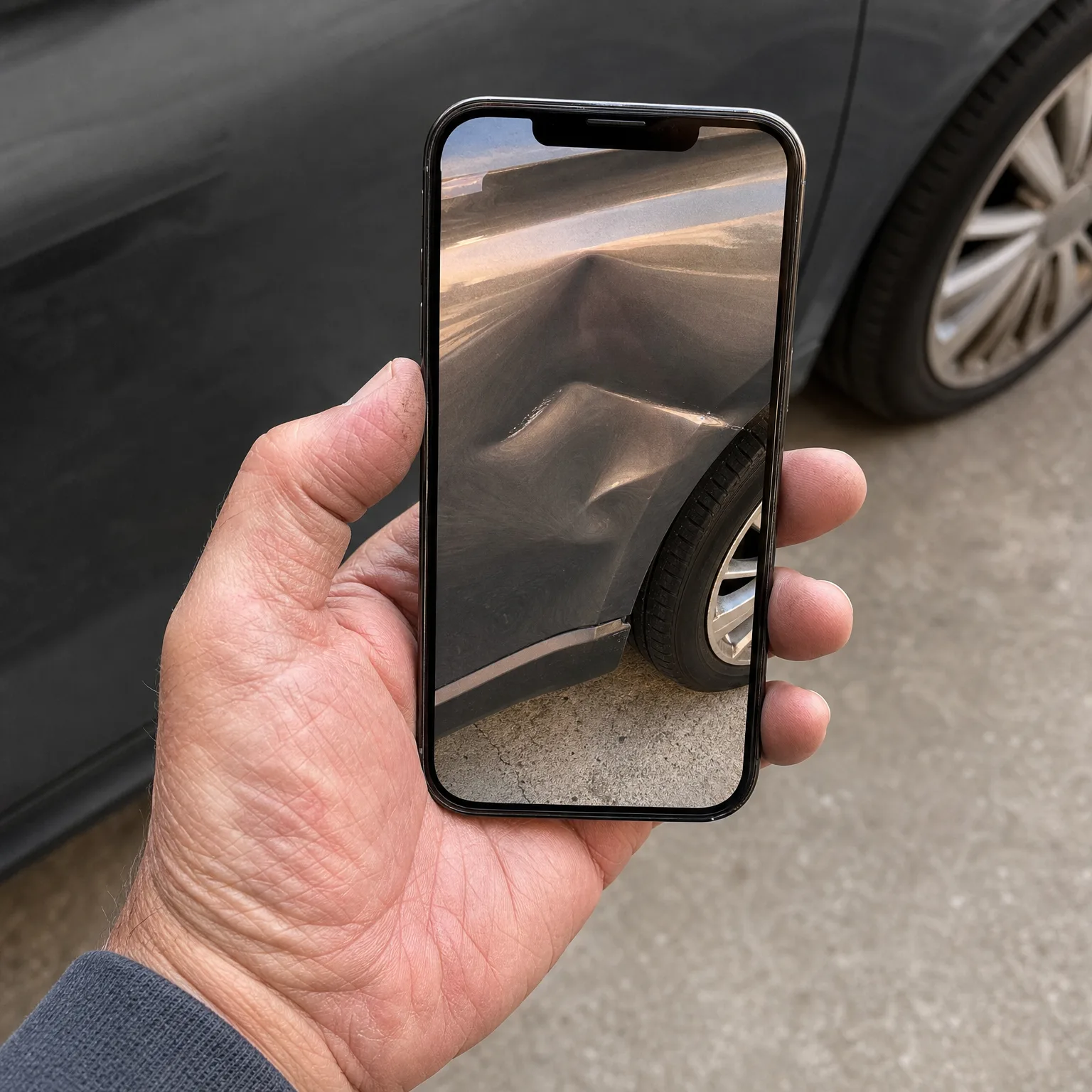
- Your own car's damage Liability doesn't pay to fix your car. That's collision coverage, and it's a separate line on your policy.
- Your own injuries Your medical costs after an accident you caused come from your own medical payments or health insurance, not liability.
- A stolen or vandalized car Theft and vandalism fall under comprehensive coverage, which works differently from liability.
- An uninsured driver who hits you If someone without enough coverage hits you, that's handled by uninsured motorist coverage, not your liability limits.
- Costs beyond your limit If a claim costs more than your limit, you're personally responsible for the rest, which is the entire reason limits matter.
For most older drivers, higher liability limits are worth keeping, and often worth raising
The low, state-minimum version of this coverage was never meant to protect much. It was set as a floor, not a target. If you have any real savings, a home, or retirement accounts, a serious accident could put all of it within reach of a lawsuit, and the state minimum won't come close to covering a bad outcome.
This is really a question about what you have to lose, not about your driving record. Someone with a modest income and few assets has less exposure and can reasonably carry less. Someone who spent decades building savings has more to protect, and that's exactly who higher limits are for, regardless of how carefully they drive.
How much you drive still matters some. A driver who mostly makes short trips around town has fewer miles of exposure than someone who commutes daily or drives long distances to see family. But even infrequent drivers cause serious accidents, so low mileage is a reason to shop carefully, not a reason to drop down to the minimum.
Where the car sits overnight, whether in a garage or on the street, affects comprehensive and theft risk, but it has little to do with liability. This coverage is about what happens when you're behind the wheel and respondsible for someone else's loss, so the decision mostly comes down to what you're protecting and what you could absorb out of pocket if the limit fell short.
How a liability claim actually plays out
There's no deductible on the liability side. The limit is simply the most your insurer will pay for a covered claim, and you don't pay anything out of pocket toward that amount unless the costs exceed it.
After an accident, your insurer investigates to determine who was at fault and how much the damages are worth. If you're found responsible, the insurer pays the other person's claim directly, handling negotiations and, if needed, a legal defense on your behalf.
The payout covers the other party's losses, not yours, and only up to your limit. If injuries or damages add up to more than that, the difference becomes your personal responsibility, which is often settled through a lawsuit against you directly.
Have your policy information, a description of what happened, and any police report ready when you file. The more clearly the facts are documented, the faster your insurer can settle the claim and close it out.
Liability limits vs. umbrella coverage
Liability Limits
This is the built-in protection on your auto policy for harm you cause to others. It only applies to car accidents, and its reach stops exactly at the limit you chose.
Umbrella Coverage
This is a separate policy that sits on top of your auto and home liability limits, extending protection once those limits run out. It usually covers a broader range of situations, not just driving.
If you have meaningful savings or assets to protect, raising your auto liability limit first and adding umbrella coverage on top gives the deepest protection; if you have little to protect, modest liability limits are probably enough.
Real situations
You're merging onto a highway and misjudge the gap, clipping another car and sending it into the guardrail.
Pays, since the other driver's car damage and any injuries are covered up to your liability limit.
A hailstorm hits while your car is parked outside church and leaves dents across the hood and roof.
Doesn't pay, since this is damage to your own car from weather, which falls under comprehensive coverage.
You brake hard for a deer at dusk on a county road and your car fishtails into a neighbor's mailbox and fence.
Pays, since it covers the property damage to your neighbor's fence and mailbox up to your limit.
Once you know what limit makes sense for what you have to protect, you're ready to compare quotes and see what that level of coverage actually costs.
Questions people ask about this
How do I know what liability limits I currently have?
Check your policy declarations page, where your limits are listed as a set of numbers for injury and property damage. If you can't find it, your insurer or agent can tell you over the phone. It's worth checking directly rather than assuming, since many people carry whatever limit was set years ago.
Can my liability limits be dropped if I get older?
No, your limits stay whatever you chose until you or your insurer changes them. Insurers may ask about your driving history or health at renewal, but they don't automatically lower your liability limits because of age.
Does a lawsuit still happen if I have good liability limits?
Yes, a lawsuit can still happen, especially if the other party's losses exceed your limit. Good limits reduce the amount you're personally on the hook for, but they don't prevent someone from suing you directly for the difference.
Will raising my liability limits increase my rate a lot?
It depends on your insurer and your situation, but raising limits is generally a modest increase compared to the added protection. It's worth asking for a quote at a higher limit before assuming it's out of reach.
Should I drop liability coverage if I rarely drive anymore?
No, liability coverage stays relevant even if you only drive occasionally, since a serious accident can happen on a short trip just as easily as a long one. If you drive rarely, it may be worth asking about a low-mileage discount instead of reducing your limits.