Liability Limits for Seniors in Illinois
Liability limits are the amount your policy pays when you're responsible for hurting someone or damaging their property, and anything above that comes out of your own pocket.
What liability coverage pays for
Covers
- Injuries to other people If you cause a crash, this pays for the other driver's or passenger's medical care up to your limit.
- Damage to their vehicle This covers repair or replacement of the other car, not yours.
- Damage to other property If you hit a fence, a garage, or a parked car, this pays for what you damaged.
- Your legal defense If you're sued over the accident, this pays for a lawyer to represent you, separate from the payout itself.
- Lost income you caused someone If the person you hit can't work while recovering, this can cover that loss up to your limit.
Doesn't cover
- Your own injuries Your medical bills come from your health insurance or from medical payments coverage, not from liability.
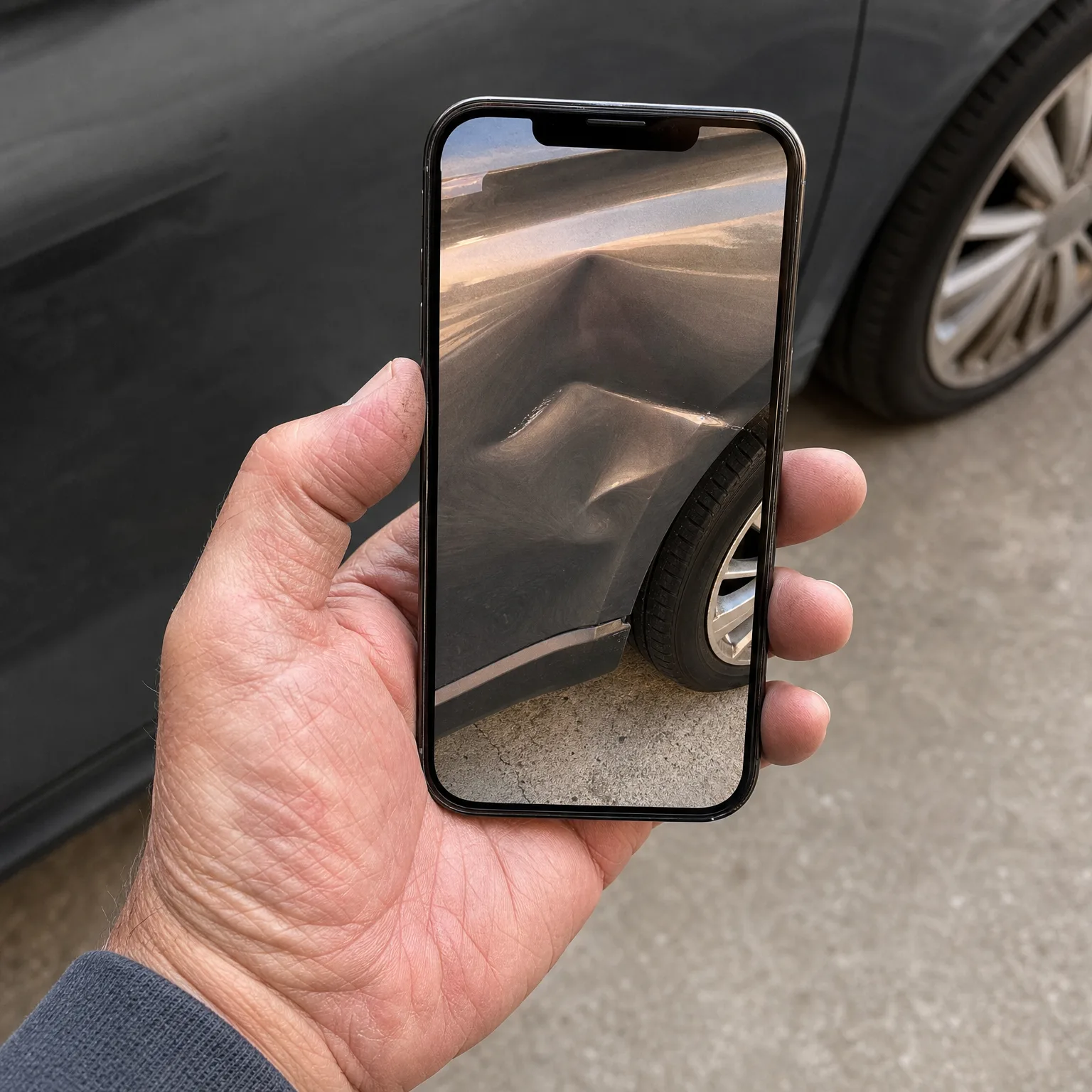
- Damage to your own car Collision coverage pays for that, and liability never touches your own vehicle.
- A hit-and-run driver Uninsured motorist coverage handles that situation, since liability only pays when you're the one at fault.
- Hail, theft, or a deer strike Those are comprehensive claims, which have nothing to do with liability since no one was at fault.
- Your own medical bills from a crash you caused Liability pays the other person, not you, no matter how serious your injuries are.
Yes, this is worth carrying, and probably at a higher limit than you think
Dropping liability coverage isn't really a choice most people have, since it's the one piece of a policy you're expected to carry. The real decision at this age is how high to set it, not whether to have it at all.
Think about what you'd actually lose if you caused a serious crash. A retirement account, a paid-off house, savings set aside for grandchildren or for your own care later on, all of that can be reached if a judgment against you is larger than your coverage. A low limit that made sense decades ago when you had less saved may now protect far less than what you actually have to lose.
How much you drive matters too. If you're mostly running errands nearby and rarely take the car on the highway, your chances of causing a severe crash are lower, but they're never zero, and a single bad moment at an intersection can still cause real harm to someone else. The cost of raising your limit is usually modest compared to what's at stake if you're underinsured.
If you're still driving a car that's paid off and your driving has tapered off to short local trips, this is still the one coverage worth keeping at a solid level, even if you've trimmed back other parts of the policy.
How a liability claim actually plays out
There's no deductible on your side for liability, since this coverage pays the other person, not you. Your insurer investigates the crash, decides how much fault you carry, and pays the other party's claim up to your limit once that's settled.
If the other person's damages or medical bills go beyond your limit, you're personally responsible for the rest, and that can mean a lawsuit naming you directly. Your insurer's legal defense coverage applies as long as the case stays within policy terms, but once your limit is reached, you're on your own for anything above it.
Have your policy declarations page handy, along with any photos from the scene and the other driver's information. The claims process moves faster when you can tell a clear, consistent account of what happened.
Your own car and your own injuries aren't part of this payout at all, so if you were hurt or your vehicle was damaged, those get handled through separate parts of your policy, assuming you carry them.
Liability limits vs. uninsured motorist coverage
Liability limits
This pays the other person when you're the one at fault in a crash. It covers their injuries, their vehicle, and other property you damage, up to the limit you chose.
Uninsured motorist coverage
This protects you when someone else causes the crash and doesn't have enough insurance, or any at all, to cover what you lost. It can pay for your injuries and sometimes your vehicle, depending on how it's set up.
If you're confident in your driving but worried about the other driver's coverage, lean toward strengthening uninsured motorist protection alongside your liability limit, not instead of it.
Real situations
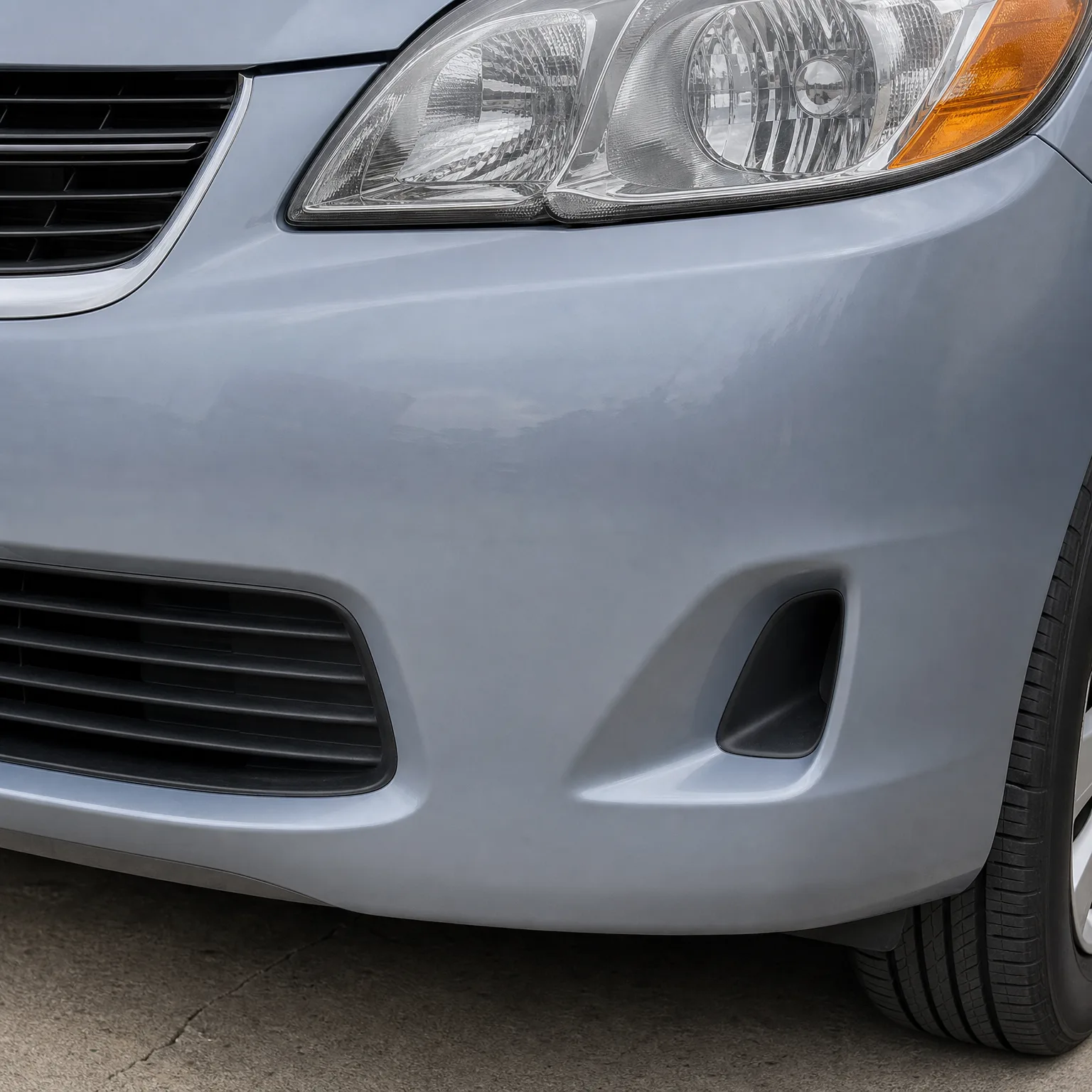
You're pulling out of a church parking lot after a Sunday service and misjudge the distance, clipping another car's door panel.
Liability pays for the repair to the other car's door, since you were at fault.
A hailstorm rolls through while your car sits in your driveway overnight and dents the hood and roof.
Liability doesn't pay here, since no other person or vehicle was involved; that's a comprehensive claim.
A deer runs into the road at dusk on a county highway and you can't stop in time, damaging the front of your car.
Liability doesn't apply, since there's no other driver at fault; comprehensive coverage handles deer strikes.
Once you've decided what liability limit fits what you actually have to protect, compare quotes at that limit so you're pricing the coverage you've settled on, not the one you've had for years out of habit.
Questions people ask about this
How much liability coverage do I actually need at my age?
Enough to cover what you'd lose in a lawsuit, which for most older drivers means looking at savings, home equity, and other assets rather than just picking the minimum. A good rule is to carry limits that roughly match what you have to protect. If you're unsure, an independent agent can walk through your specific assets with you.
Can I get a senior discount on car insurance in Illinois?
Some insurers offer discounts tied to age, driving record, or completing a safety course, though this varies by company and isn't guaranteed. Check your current policy or ask your agent what you qualify for. It's worth asking every year or two, since eligibility can change.
Does liability insurance cover a family member driving my car?
Usually yes, as long as they have permission to drive it and are listed on your policy or fall under typical household use. Coverage can get murkier if someone drives your car regularly but isn't listed. Check your policy's definition of who's covered as a driver.
What happens if I'm sued for more than my liability limit covers?
You become personally responsible for the amount above your limit, and the other party can pursue your assets to collect it. This is exactly why many older drivers choose higher limits than the minimum. An umbrella policy is another option some people add for extra protection beyond their auto limits.
Should I drop collision coverage on an older paid-off car?
That depends on what the car is worth and what you could afford to replace it with out of pocket, not on liability at all. If the car's value is low, collision coverage may cost more over time than it would ever pay out. Liability coverage stays necessary regardless of that decision, since it protects other people, not your own car.