Liability Limits for Seniors in Georgia
Liability limits are the dollar ceiling your policy pays when you cause an accident that hurts someone else or damages their property.
What liability limits pay for
Covers
- Injuries to other people If someone in another car is hurt because of an accident you caused, this pays their medical bills up to your limit.
- Damage to another car If you hit another vehicle, this pays to repair or replace it, again up to whatever limit you carry.
- Damage to property If you drive into a fence, a mailbox or a storefront, this covers what it costs to fix or replace it.
- Legal defense if you're sued If the other driver sues you over the accident, your policy pays for a lawyer and the costs of defending you.
- Lost income you caused someone else If the person you hit can't work because of injuries, this can cover their lost wages as part of the claim.
Doesn't cover
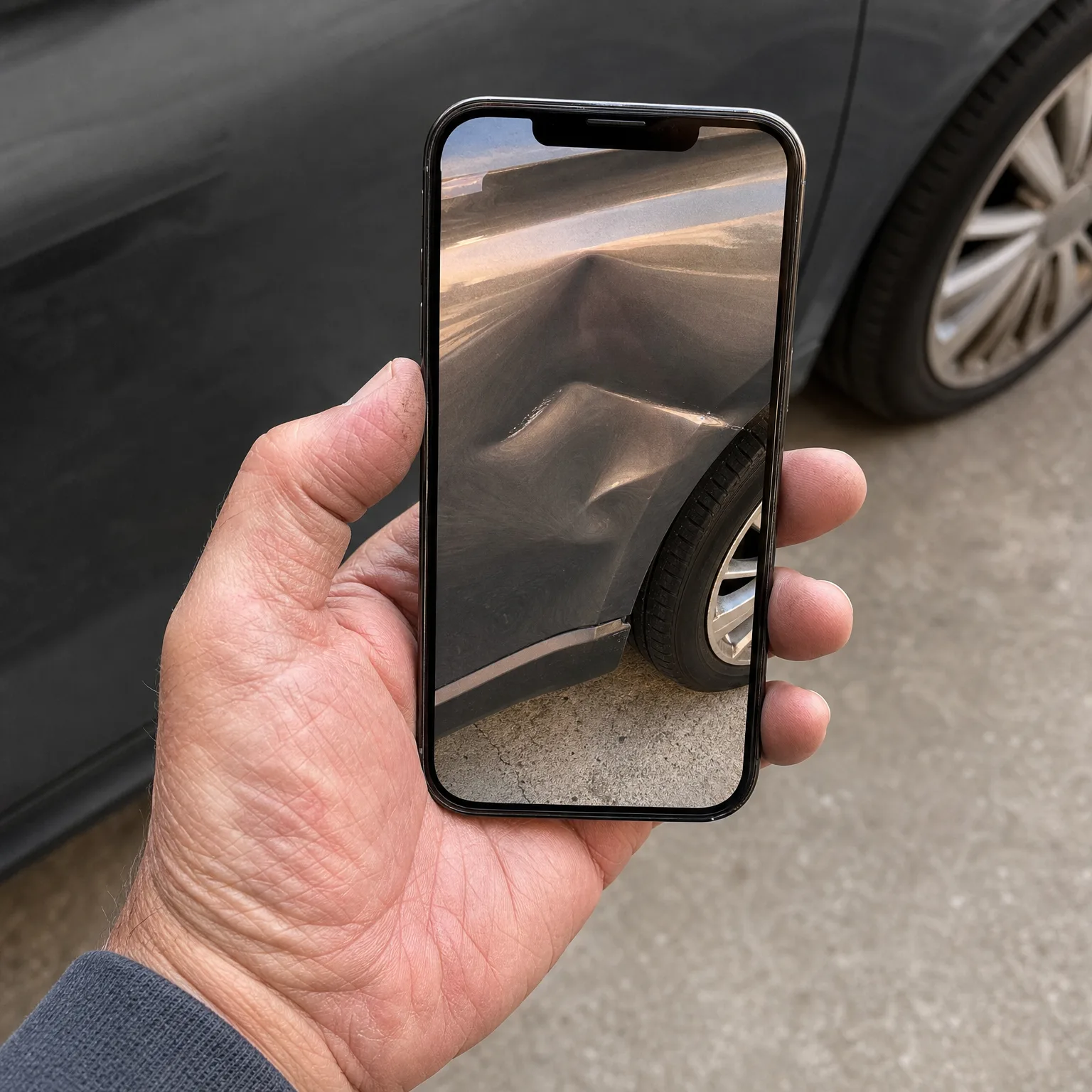
- Your own car Liability doesn't pay to fix or replace your vehicle. That's what collision coverage is for.
- Your own injuries Your medical bills after an accident you caused come from your health insurance or from medical payments coverage if you have it.
- A hit and run driver who hits you When someone else is at fault and can't be found or doesn't carry coverage, your liability limits don't apply. Uninsured motorist coverage handles that.
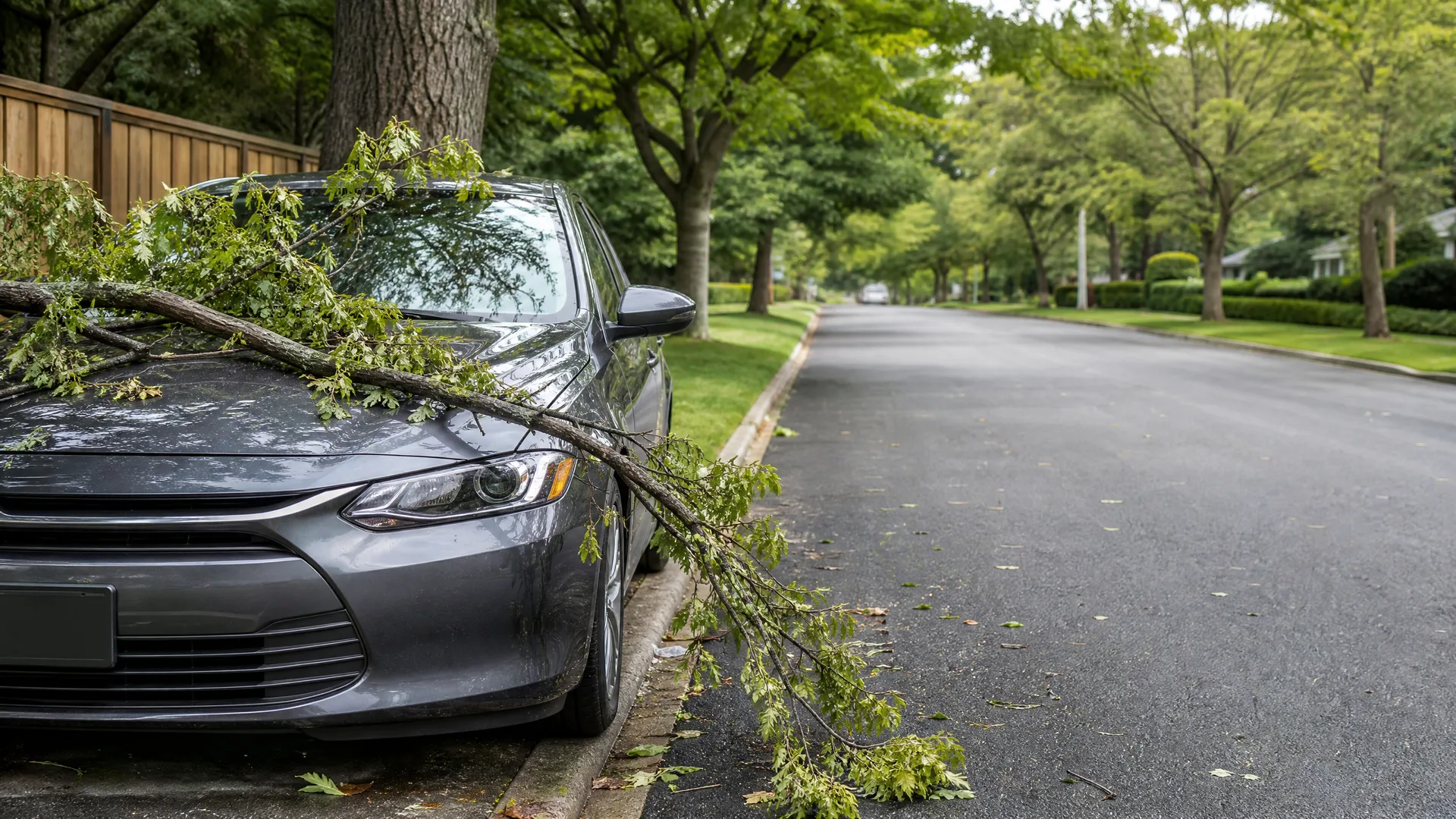
- Weather or animal damage Hail, falling branches or a deer in the road aren't liability situations at all. Comprehensive coverage is what pays there.
- Anything above your limit If the damage or injuries cost more than your limit, you're personally on the hook for the rest unless you have extra protection in place.
For most older drivers, the liability limit matters more than almost anything else on the policy
The minimum amount required is usually too low to protect what you've actually built. If you own a home, have savings, or have anything else worth going after, a serious accident can put all of it at risk if your limit runs out first.
This isn't about how old you are. It's about what you have to lose. A driver in their seventies with decades of savings and a paid off house has more exposure than a driver in their twenties with nothing to collect against, even if the younger driver is statistically more likely to crash.
How much you drive still matters too. If you've cut back and mostly make short trips around town, your odds of causing a serious accident are lower than they once were. But low odds don't mean no odds, and the one accident that happens is the one that counts.
Raising this limit is usually one of the cheaper upgrades on a policy, especially compared to what it protects. It's worth checking your current limit against what you'd actually stand to lose before deciding it's fine as is.
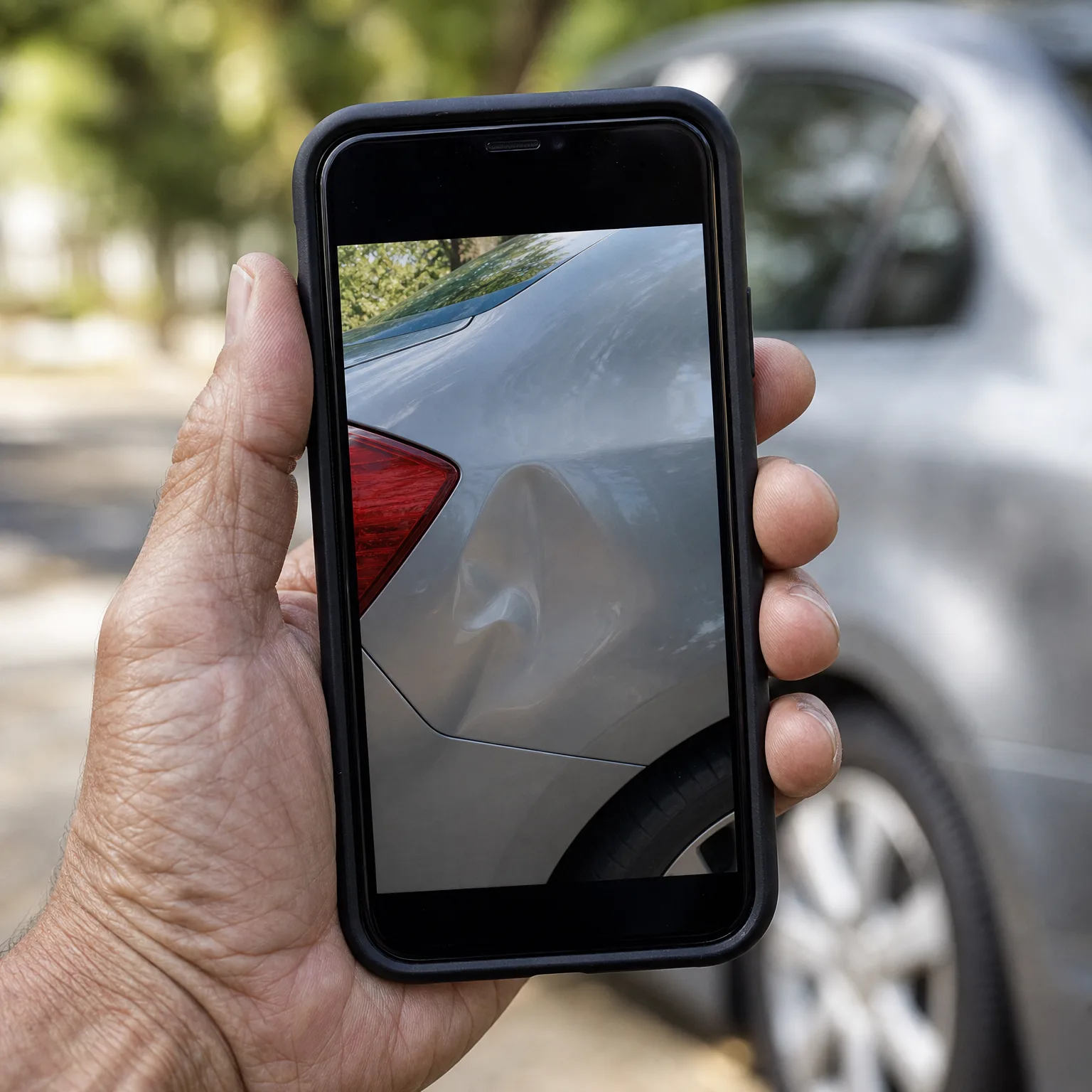
How a liability claim actually plays out
There's no deductible on the liability side. Whatever your limit is, that's what's available to pay the other person, and you don't pay anything out of pocket toward that payment yourself.
After an accident, your insurer investigates who was at fault. If you're found responsible, they deal directly with the other driver or their insurer to settle the claim, handling the back and forth so you mostly stay out of it.
The payment only covers the other person's losses, not yours. If your own car needs repair or you're hurt, those come from separate parts of your policy or from your own insurance, not from this payout.
Have your policy details and the other driver's information ready when you call, along with anything you remember about how the accident happened. The clearer the account, the faster the claim tends to move.

Liability limits versus uninsured motorist coverage
Liability limits
This pays for damage and injuries you cause to someone else. It only applies when you're at fault, and it never pays for your own car or your own injuries.
Uninsured motorist coverage
This protects you when the other driver is at fault but doesn't have enough insurance, or any at all, to cover what happened to you. It steps in for your losses instead of theirs.
If you're worried about protecting what you own, focus on your liability limit. If you're worried about being left with nothing after someone else's mistake, uninsured motorist coverage is the one to raise.
Real situations
You're pulling out of a church parking lot after a service and misjudge the distance, clipping another car's door.
Your liability coverage pays for the other car's damage since you caused it.
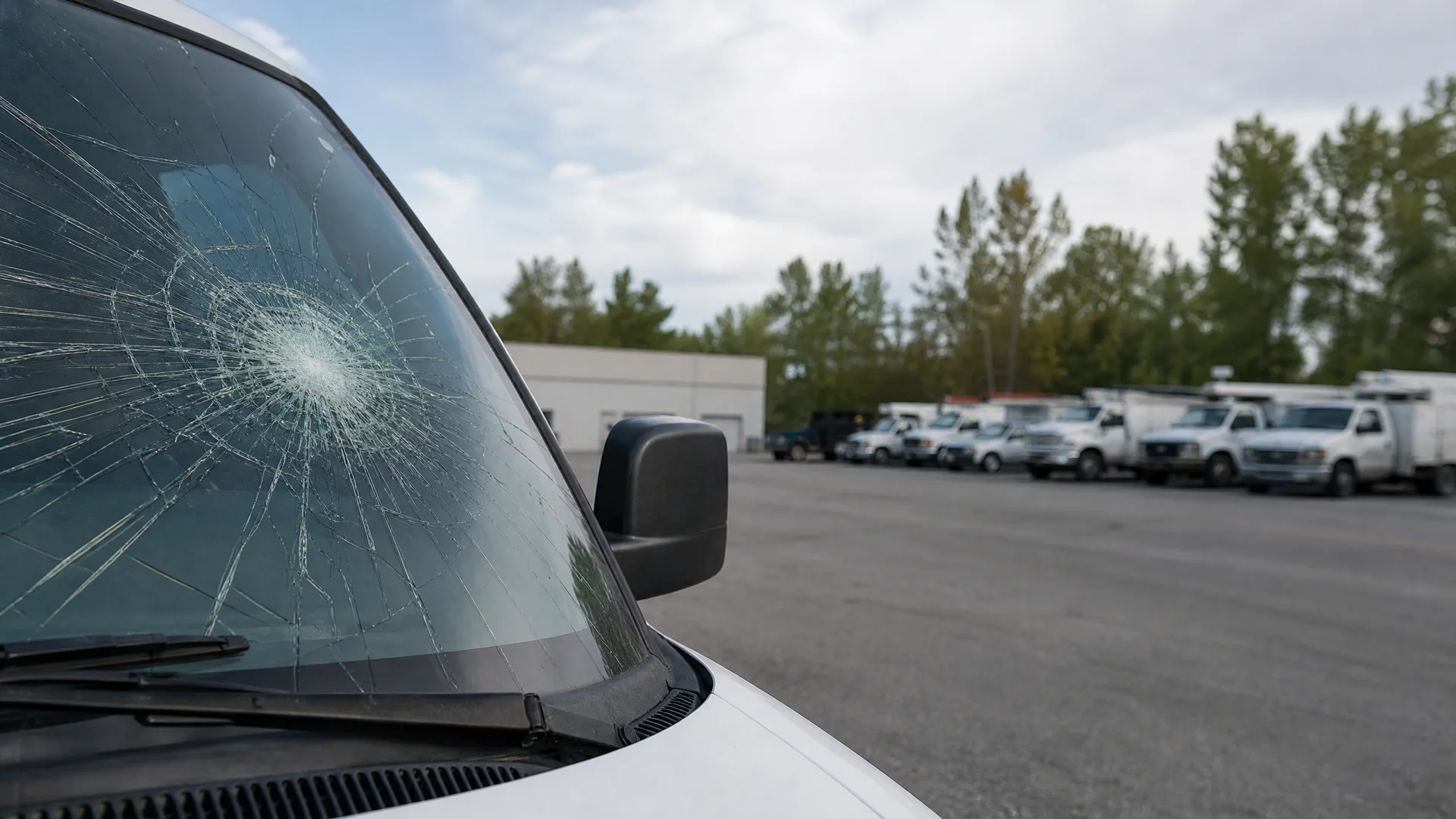
A hailstorm hits while your car sits in your driveway overnight and leaves dents across the hood and roof.
Liability doesn't pay here. That damage falls under comprehensive coverage instead.
A deer runs into the road at dusk on a county highway and you can't avoid it, damaging the front of your car.
This isn't a liability claim either. It's a comprehensive claim since no other driver was involved.
Once you know what limit actually protects what you have, you can compare quotes with that number already decided.
Questions people ask about this
How high should my liability limits be?
High enough to cover what you'd lose if someone sued you after a serious accident. Look at your savings, your home equity and anything else that could be claimed, and set your limit with that total in mind rather than just picking the cheapest option offered.
Does my liability coverage follow me if I drive someone else's car?
Usually yes, your own liability coverage typically extends to you when you're driving a car you don't own, as long as you have permission. It's worth confirming this with your policy directly since the details can vary.
Can my liability limits be raised without raising everything else on my policy?
Yes, liability limits can usually be adjusted on their own without changing your deductibles or other coverages. It's a separate line item, so raising it doesn't require rebuilding the rest of your policy.
What happens if I'm sued for more than my liability limit covers?
You become personally responsible for the difference, which can mean your savings or other assets are at risk. This is the main reason many people choose a limit well above the minimum once they have something worth protecting.
Does my driving record affect what limit I can get?
It can affect what you're offered and on what terms, since a record with accidents or violations may limit your options or change how it's priced. A clean record generally gives you more flexibility in choosing a higher limit.