Liability Limits for Seniors in Florida
Liability limits are the most your insurance will pay for injuries or damage you cause someone else, and your policy likely shows two or three separate numbers for it.
What liability coverage pays for
Covers
- Injuries to other people If you cause a wreck, this pays medical costs for the other driver, their passengers, or a pedestrian, up to your limit.
- Their lost income If someone you hurt can't work for a while because of the crash, this coverage can cover that lost income as part of the injury claim.
- Damage to their car or property This pays to repair or replace the other vehicle, or anything else you hit, like a fence or a mailbox.
- Your legal defense If the other driver sues you over the accident, your insurer provides a lawyer and covers the defense costs separately from your limit.
- A judgment against you If a court orders you to pay the other person, this coverage pays that judgment up to your policy limit.
Doesn't cover
- Your own injuries Liability only pays other people. Your own medical costs come from personal injury protection, medical payments coverage, or your health insurance.
- Damage to your own car Fixing or replacing your own vehicle comes from collision coverage, not liability, even when the accident is your fault.
- A hit and run driver If someone else hits you and flees, your liability coverage doesn't apply. Uninsured motorist coverage is what responds instead.
- Mechanical breakdown A transmission failure or engine trouble isn't an accident you caused to someone else, so liability has nothing to do with it.
- Theft or vandalism Someone breaking into your car or stealing it falls under comprehensive coverage, not liability.
Yes, and the real question is how much to carry
Dropping liability coverage entirely isn't really an option if you want to drive legally, and it isn't one most people would choose anyway. The real decision at this age is whether your limits are high enough, not whether to have the coverage at all.
Think about what you'd lose if a bad accident happened and your limits fell short. If you own a home, have retirement savings, or have other assets, a judgment against you for more than your policy pays can reach those assets. Higher limits cost little compared to what they protect.
How much you drive still matters. If you're mostly running local errands and seeing family nearby, your exposure is lower than someone still commuting long distances or driving unfamiliar highways on road trips. But even low mileage doesn't erase the risk of one serious accident.
If you've paid off your home, have meaningful savings, or have anything else worth protecting, raising your liability limits is one of the more sensible moves available to you. It's inexpensive protection against the kind of loss that can actually hurt.
How a liability claim actually goes
There's no deductible on liability coverage. The deductible you're used to applies to collision or comprehensive claims on your own car, not to the money paid out to someone else.
After an accident, the other driver or their insurer files a claim against your policy. Your insurer investigates, decides who was at fault, and if you're found responsible, pays the other person's medical bills or repair costs up to your limit.
The payment only covers what's owed to the other party. If the costs go beyond your limit, you're personally responsible for the rest, which is the entire reason limits matter as much as they do.
Have your policy number, the other driver's information, and any police report ready when you file. A clear account of what happened helps the claim move faster and helps protect you if fault is disputed.
Liability coverage versus uninsured motorist coverage
Liability coverage
This pays for injuries or damage you cause to someone else. It only responds when you're at fault for the accident.
Uninsured motorist coverage
This protects you when the other driver is at fault but doesn't have enough insurance, or any at all, to pay for what they did to you. Whether it's required or automatically offered varies by state, so check your own policy.
Carry solid limits on both, since one protects other people from you and the other protects you from everyone else on the road.
Real situations
You're pulling out of a church parking lot after a Sunday service and you clip another car, denting its door.
Your liability coverage pays for the other car's repair since you caused the damage.
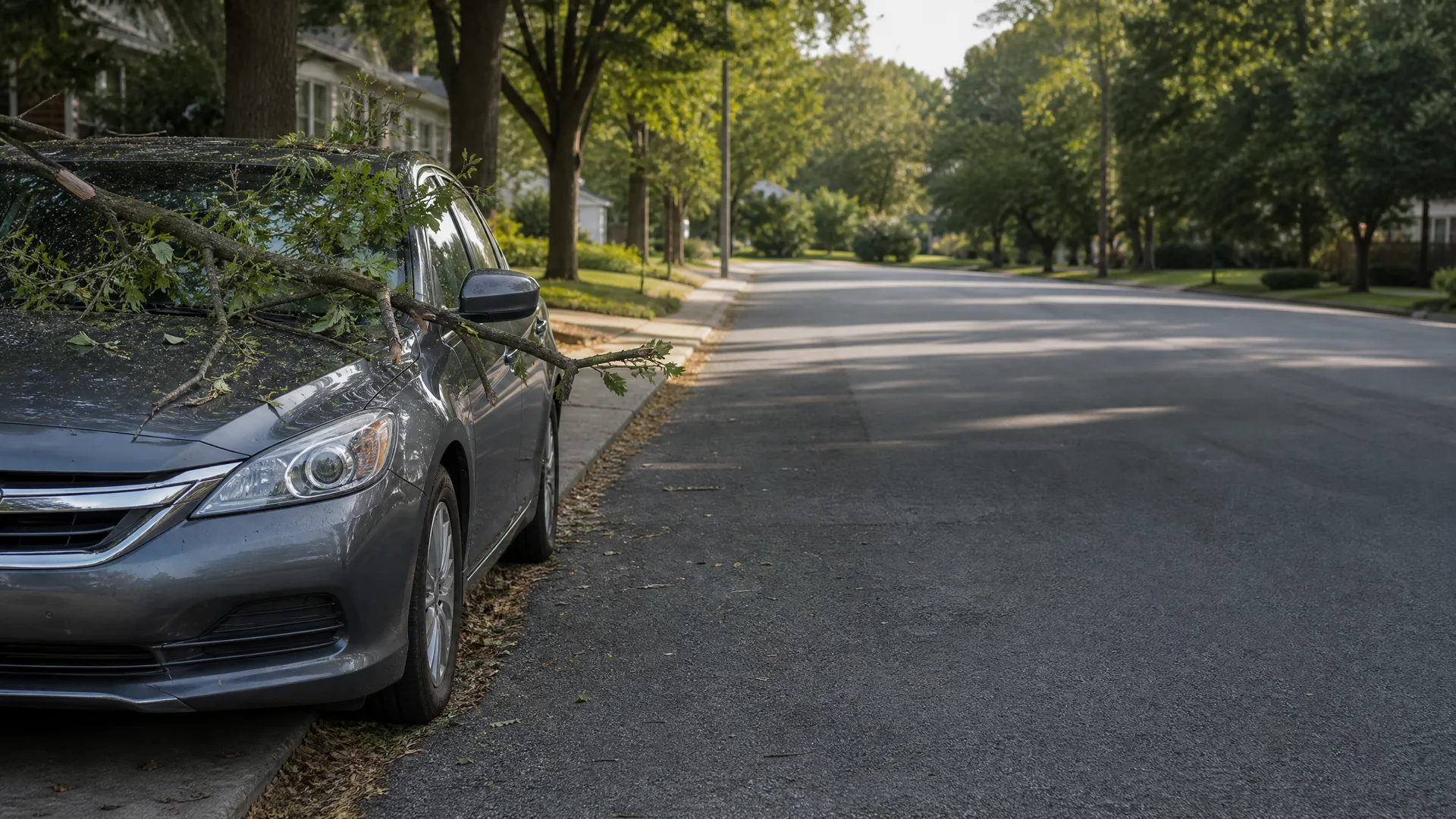
A hailstorm hits while your car is parked in your driveway overnight and dents the hood and roof.
Liability doesn't pay here, since no other person or vehicle was involved. Comprehensive coverage handles this.
You're driving home at dusk on a county road and a deer runs into your car, causing real damage to the front end.
Liability doesn't apply since there's no other driver involved. Comprehensive coverage is what pays for deer collisions.
Once you know what limits you want to carry, compare quotes at that same level so you're judging price against price, not coverage against coverage.
Questions people ask about this
How much liability insurance do I actually need?
It depends mainly on what you have to protect, not just what's required. Look at your savings, home equity, and other assets, since a judgment beyond your limit can reach those. Many people choose limits well above the minimum once they think it through this way.
Can I be sued for more than my liability limit covers?
Yes, if a judgment against you is higher than your policy limit, you're personally responsible for the difference. This is why adequate limits matter more as you accumulate assets over the years. An umbrella policy is one way some people add extra protection beyond their auto limits.
Does my liability coverage follow me if I drive someone else's car?
Often yes, but it depends on your policy and the situation, so it's worth checking directly with your insurer. Coverage can also depend on whether you had permission to drive the vehicle. Don't assume you're covered without confirming it.
Will my liability limits go up automatically as I get older?
No, your limits stay exactly where you set them unless you or your insurer changes them. Insurers don't automatically raise your protection as your financial situation changes. It's worth reviewing your limits every so often rather than assuming they still match your life.
Does liability coverage cost more for older drivers?
Age alone isn't the only factor, and how it affects your cost varies by insurer and by state. Driving record, vehicle, and location typically matter as much or more. It's worth asking directly how your age affects your specific quote.