Liability Limits for Seniors in Delaware
Liability limits are the dollar ceiling your insurance will pay for injuries or property damage you cause someone else in an accident, and anything above that ceiling comes out of your own pocket.
What liability limits actually pay for
Covers
- Injuries to other people If you cause a wreck that hurts someone else, this pays their medical bills and related costs up to your limit.
- Lost income for the other driver If the person you hit can't work while recovering, this can cover their lost wages up to the limit.
- Damage to their car or property If you back into someone's fence or total another car, the property damage portion pays to fix or replace it.
- Your legal defense If the other driver sues you over the accident, your insurer typically provides and pays for a lawyer as part of this coverage.
- Settlements and judgments against you If a court orders you to pay, or you settle with the other side, this coverage pays that amount up to your limit.
Doesn't cover
- Your own injuries Liability only pays the other person. Your own medical costs are handled by health insurance or a separate coverage on your policy.
- Damage to your own car Fixing or replacing your own vehicle after an at-fault accident is a different coverage, not this one.
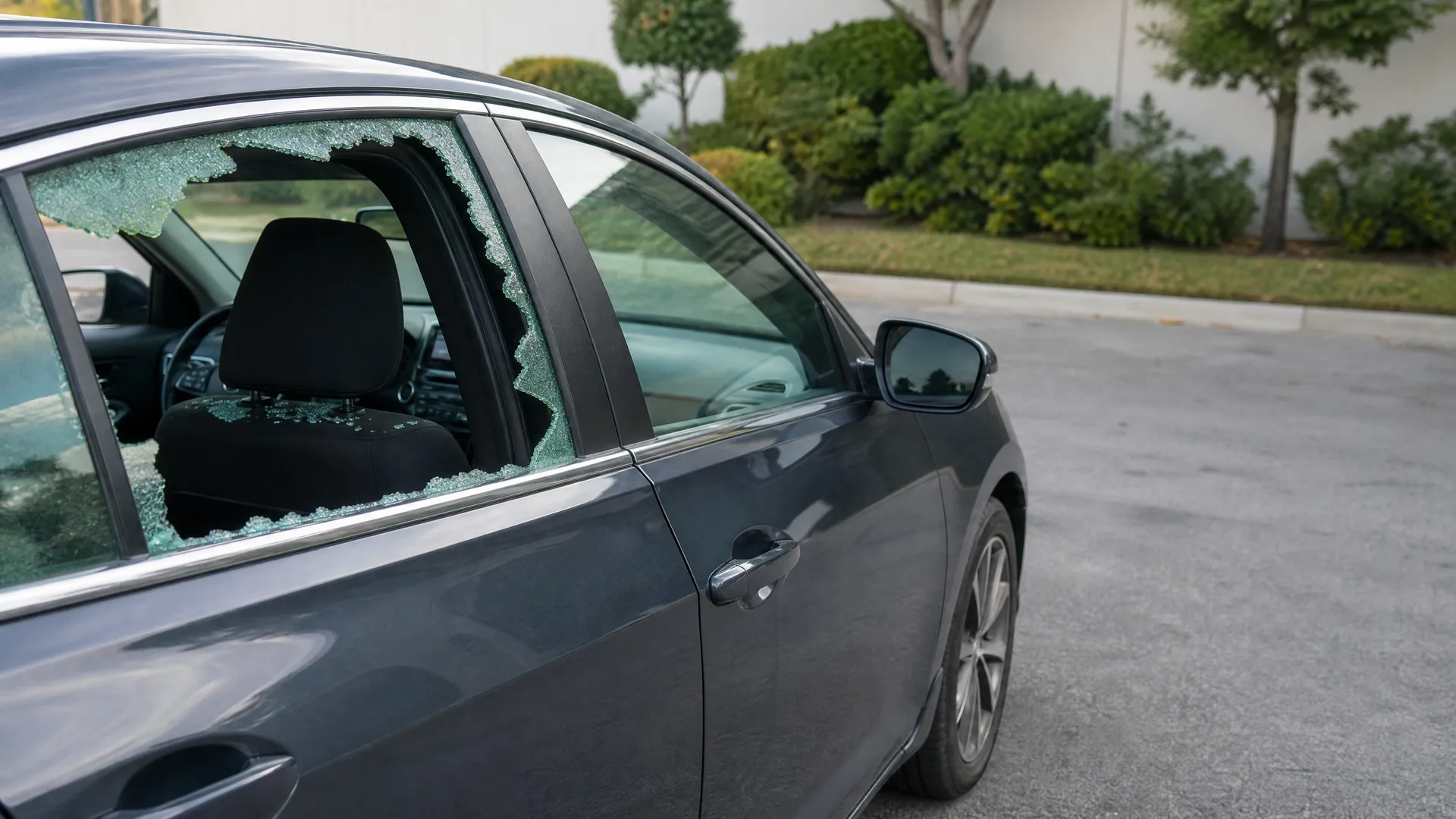
- Hitting a deer or storm damage Those are losses to your own car with no other driver at fault, so they fall under a separate coverage entirely.
- A hit-and-run driver who hits you Since you weren't at fault, this coverage doesn't apply. A different part of your policy handles that situation.
- Anything above your limit If the damage or injury costs more than your limit, you are personally responsible for the rest unless something else protects you.
Worth keeping, and worth checking that your limit is actually high enough
This isn't a coverage to drop. Every driver on the road needs it, and at this age the reason to pay attention to it gets stronger, not weaker, because you likely have more in savings, home equity or retirement accounts for a lawsuit to reach.
What decides whether your current limit is enough isn't the value of your own car. It's what you could lose if you caused a serious accident. A low limit might have made sense decades ago when your assets were smaller and your driving was heavier. If your financial picture has grown since then, your limit may not have kept pace.
How much you still drive matters too. If you're mostly running local errands at modest speeds, your exposure is different than someone still commuting on a highway daily. Less time on the road lowers the odds of a serious at-fault accident, but it doesn't eliminate the financial risk if one happens.
If you have meaningful savings or other assets you want to protect, raising this limit is usually one of the cheaper ways to do it, especially compared to what you'd spend fixing a single lawsuit out of pocket. It's worth checking your current number against what you'd actually have to lose.

How a claim against you actually plays out
There's no deductible on this coverage, since it isn't paying to fix anything of yours. It only pays out when you're found at fault for someone else's injuries or damage.
After an accident, the other driver or their insurer files a claim against your policy. Your insurer investigates, which usually includes the police report, photos and statements from both sides, before deciding whether you were at fault and how much the claim is worth.
If you're found liable, your insurer pays the other party directly, up to your limit, and provides your legal defense if it goes to a lawsuit. If the claim exceeds your limit, the other party can pursue you personally for the difference.
Have your policy details, the other driver's information and any accident report ready when you call it in. The sooner your insurer has the full picture, the smoother the claim tends to go.
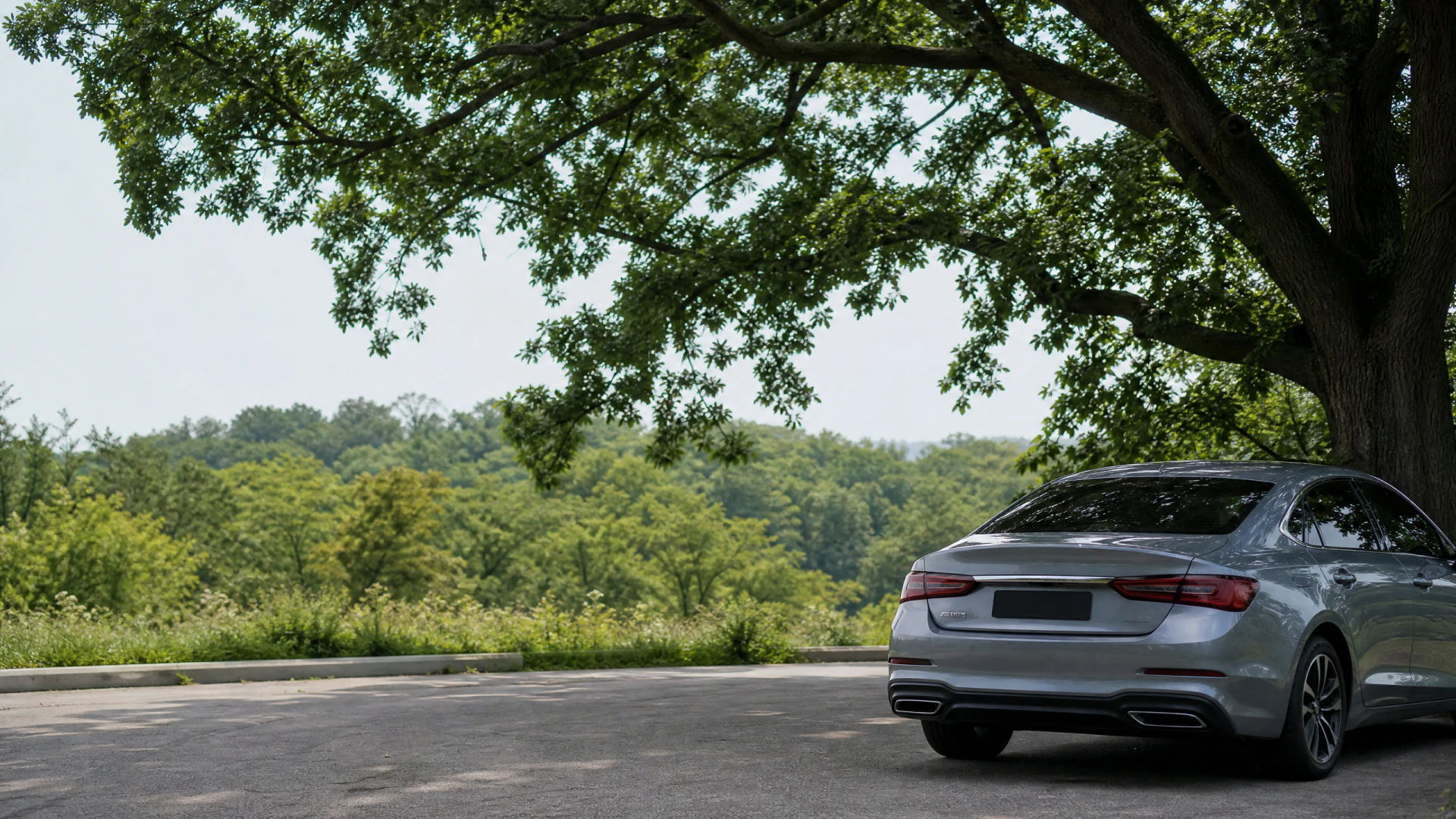
Liability limits versus uninsured motorist coverage
Liability Limits
This pays the other person when you are the one at fault. It protects your assets and covers their injuries or property damage.
Uninsured Motorist Coverage
This protects you when the at-fault driver has no insurance or not enough to cover your injuries. It pays your side, not theirs.
If you're worried about protecting what you've saved, focus on liability. If you're worried about being hurt by someone with little or no insurance, look at uninsured motorist coverage instead.
Real situations
You're pulling out of a grocery store parking lot and misjudge the distance, clipping another car's bumper and cracking the other driver's tail light.
Pays, since you were at fault for the damage to their vehicle.
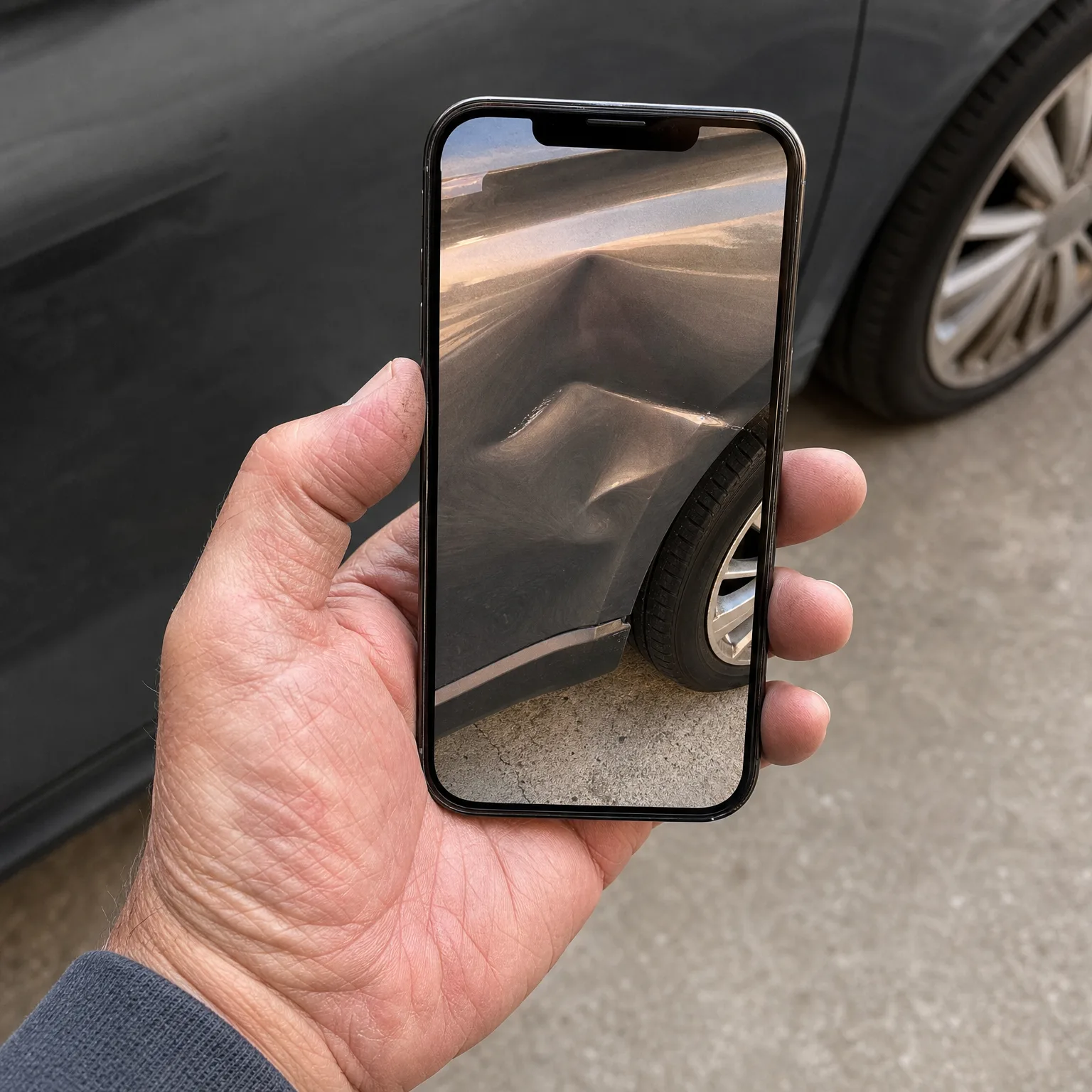
A hailstorm hits while your car is parked outside church and leaves dents across the hood and roof.
Doesn't pay, since there's no other driver involved and the damage is to your own car.
You brake for a deer at dusk on a county road and the car behind you can't stop in time, hitting your rear bumper.
Doesn't pay, since the other driver caused the damage to you, not the other way around.
Once you know whether your liability limit still matches what you have to protect, you're ready to compare quotes with that number already decided.
Questions people ask about this
How much liability coverage do I actually need at my age?
Enough to cover what you'd lose in a lawsuit, not just the state minimum. Look at your savings, retirement accounts and any other assets a judgment could reach, then choose a limit that covers a worst-case accident rather than an average one. An insurance agent or financial advisor can help you put a number to it.
Can someone sue me for more than my liability limit covers?
Yes, if the damages exceed what your policy pays, the injured party can pursue your personal assets for the rest. This is exactly why raising your limit matters more as your savings grow. Some drivers add extra protection above their regular limits for this reason.
Does my liability coverage change if I stop driving as much?
Your limit itself doesn't change automatically, but your premium might drop if you report lower mileage to your insurer. The coverage still applies in full whenever you are at fault in an accident, no matter how rarely you drive. Check with your insurer about how mileage affects your rate specifically.
Should I drop liability coverage if my car is old and not worth much?
No, because this coverage has nothing to do with your own car's value. It pays for damage or injury you cause to someone else, so it matters just as much with an old car as a new one. What you might reconsider on an older car is a different coverage that protects your own vehicle.
Is liability coverage required everywhere?
Rules on minimum liability coverage vary by state, so check your own policy or state requirements to see what applies to you. Most states require at least some amount, but how much and how it's structured differs. Your policy documents will show what you currently carry and whether it meets your state's rule.