Liability Limits for Seniors in Connecticut
Liability limits are the dollar ceiling on what your insurer pays when you're at fault for someone else's injuries or property damage, and anything past that ceiling is your problem to pay.
What liability limits apply to
Covers
- Injuries to others If you cause a crash, this pays for the other driver's or pedestrian's medical care up to your limit.
- Lost income for others If the person you hit can't work because of the crash, this can cover what they lose, within your limit.
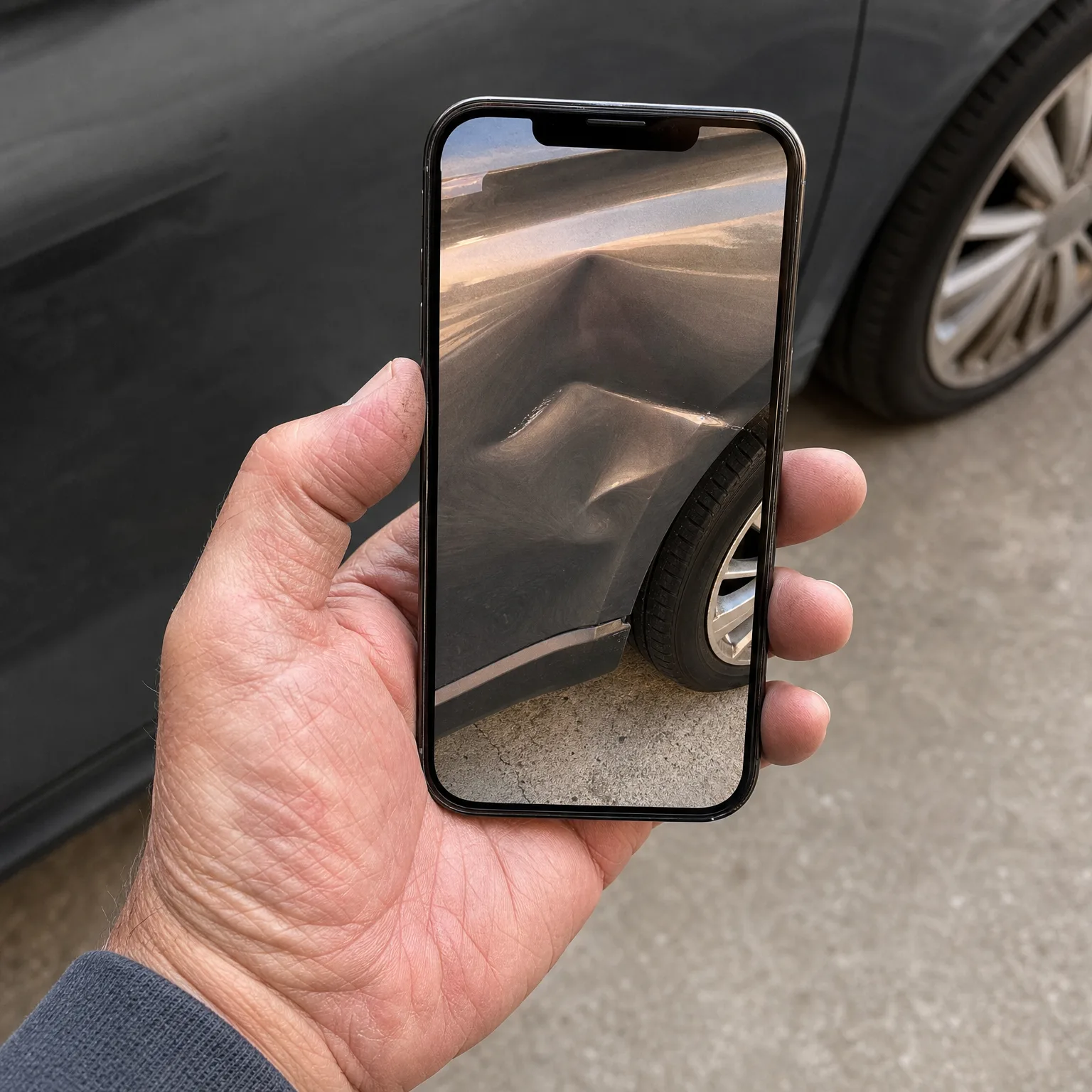
- Damage to their vehicle Repairs or replacement for the other car come out of your property damage limit, not a separate pot of money.
- Damage to other property A fence, a mailbox, a storefront you drive into is covered the same way as another vehicle would be.
- Your legal defense If you're sued over the crash, your insurer typically pays for your defense on top of, not out of, your limit.
Doesn't cover
- Your own injuries Liability only pays for the other party; your own medical costs come from a different coverage on your policy.
- Your own car's damage Repairing or replacing your vehicle after a crash you caused is handled by collision coverage, not liability.
- A hit-and-run against you If someone else hits you and flees, your liability coverage doesn't respond since you're the one owed money.
- Damage from weather or animals Hail, flooding, or hitting a deer are handled by comprehensive coverage, which has nothing to do with fault.
- Costs above your limit Once a claim exceeds your limit, you're personally responsible for the rest unless you have added umbrella coverage.
Worth having at a solid limit, almost regardless of age
Age itself doesn't change what liability insurance is for. It exists to protect what you own and what you'll earn in the future from a lawsuit after a crash that's your fault, and that risk doesn't shrink just because you've been driving longer.
What matters more is what you have to lose. If you own a home, have savings set aside, or still have income from work or a pension that could be garnished, low limits leave more of that exposed than most people realize. Higher limits cost comparatively little for a lot more protection.
How much you drive factors in too. Someone who's cut back to short local trips a few times a week carries less exposure than someone still commuting or driving long distances regularly. That can argue for adjusting other parts of a policy, but it rarely argues for cutting liability limits themselves.
If your assets are genuinely modest and likely to stay that way, the case for carrying only the state minimum is stronger. But for most people who've spent decades building up savings or equity in a home, raising this limit rather than lowering it is usually the better move.
How a liability claim actually plays out
There's no deductible on liability coverage. It only pays out when you're found at fault for hurting someone else or damaging their property, so your own costs never factor into it.
After a crash, you report it to your insurer, and they investigate who was at fault, often using police reports, photos, and statements from everyone involved. If you're found liable, the insurer deals directly with the other party's medical bills, lost wages, or repair costs, up to your limit.
Have your policy details, the other driver's information, and any police report number ready when you call. If the claim is serious enough that you're sued, keep every piece of paperwork your insurer sends you and respond to it, since ignoring a lawsuit notice can cause real problems even when your insurer is handling your defense.
If the damages go beyond your limit, the other party can pursue you personally for the rest. That's the scenario higher limits and umbrella policies exist to prevent.

Liability limits compared to uninsured motorist coverage
Liability Limits
This pays the other person when you're at fault. It protects your assets and covers their injuries or property damage up to the limit you've chosen.
Uninsured Motorist Coverage
This pays you when someone else causes the crash but doesn't carry enough insurance, or any at all, to cover what you've lost. It steps in where their liability coverage should have.
If you're mainly worried about protecting your savings, focus on liability limits; if you're worried about being hit by someone underinsured, that's what uninsured motorist coverage is for.
Real situations
You're pulling out of a grocery store parking lot and misjudge the distance, clipping another car's bumper.
Liability pays for the other car's repairs since you were at fault, up to your limit.
A hailstorm hits while your car is parked at church and leaves dents across the hood and roof.
Liability doesn't pay here; this is a comprehensive claim since no other driver was involved.
A deer runs into the road at dusk and you can't stop in time, damaging the front of your car.
Liability doesn't apply since no other person's property was involved, and your own damage falls under comprehensive.
Once you've decided what liability limit makes sense for what you own and how you drive, you're ready to compare quotes built around that number.
Questions people ask about this
How much liability coverage do I actually need?
It depends mainly on what you have to protect, not a fixed rule. Add up your savings, home equity, and any future income that could be at risk, and choose a limit that covers a worst-case crash against that total. Many people land on a higher limit than their state requires once they look at it this way.
Does liability insurance follow the car or the driver?
It generally follows the car first, then extends to you as a driver in most situations, including when you drive someone else's car with permission. Rules on this can vary, so it's worth checking your specific policy language rather than assuming.
Can I be sued even if I have liability coverage?
Yes, you can still be sued, especially if the damages exceed your limit. Your insurer typically provides a defense, but if a judgment goes beyond what your policy covers, you're personally responsible for the difference.
Should I drop collision coverage if my car is paid off?
That's a separate decision from liability and depends on what your car is worth and whether you could afford to replace it yourself. It has no effect on how your liability limits work or what they protect.
Does my liability coverage change if I stop driving as much?
Driving less can sometimes lower your premium, but it doesn't change what your liability limit protects or how a claim is paid out. The coverage works the same whether you drive daily or only occasionally.