Liability Limits for Seniors in California
Liability limits are the most your insurer will pay if you're at fault for someone else's injuries or property damage, and anything above that comes out of your own pocket.
What liability limits actually pay for
Covers
- Injuries to other people If you cause a crash, this pays for the other driver's or pedestrian's medical care up to your limit.
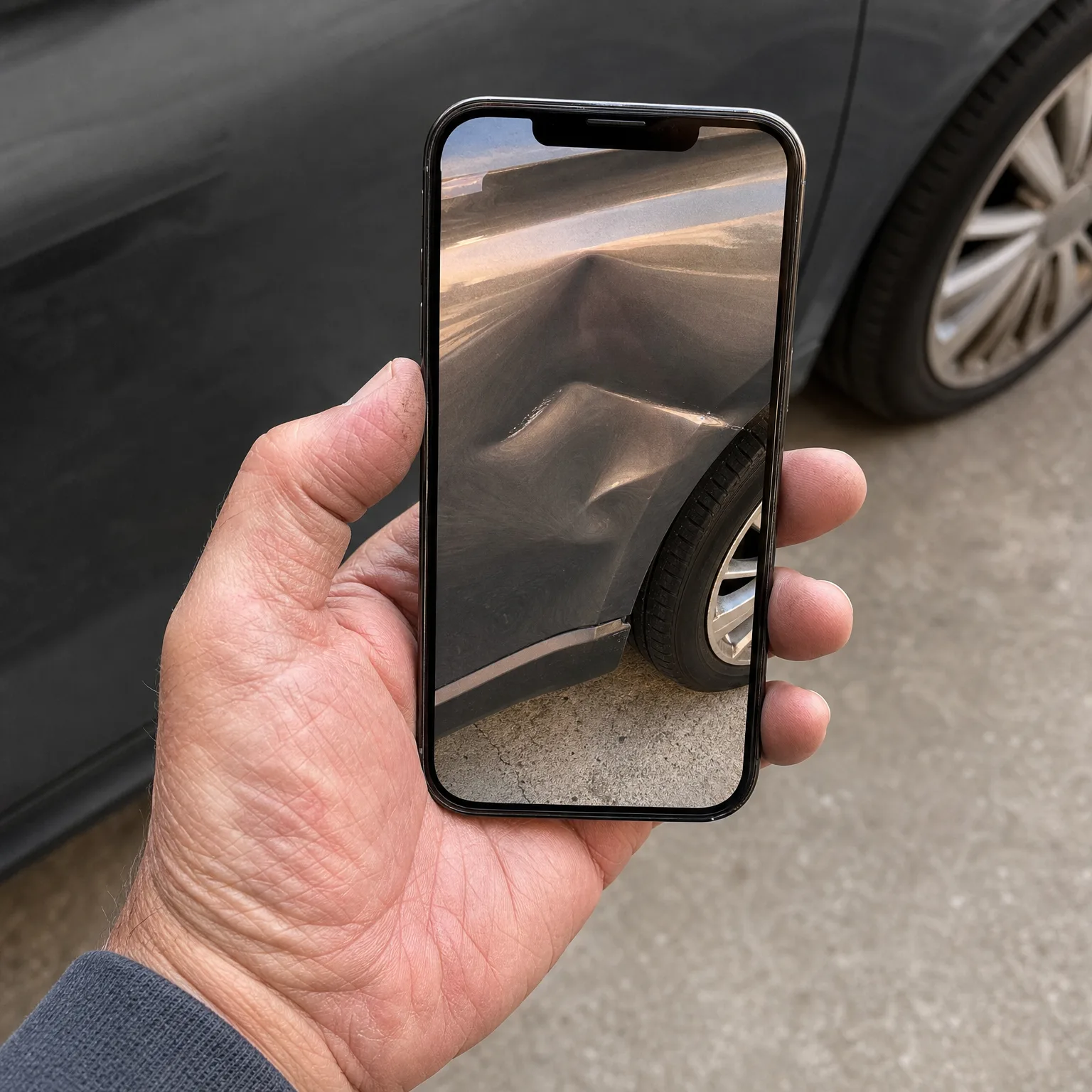
- Damage to their vehicle It covers repairing or replacing the other car, or any property you hit, like a fence or a mailbox.
- Lost income for the other person If the person you hurt can't work while recovering, this can cover what they would have earned.
- Your legal defense If you're sued over the accident, your insurer pays a lawyer to defend you, usually separate from the limit itself.
- Settlements and judgments If the case settles or goes to court, this is the money that actually gets paid out, again only up to your limit.
Doesn't cover
- Your own car's damage That's collision coverage, a separate line on your policy, and liability won't touch it.
- Your own injuries Your medical bills come from medical payments coverage, personal injury protection, or your health insurance, not this.
- A hit and run driver you can't identify Since there's no at fault driver to pay, that falls to your own uninsured motorist coverage instead.
- Damage from weather or animals Hail, flooding, or hitting a deer are comprehensive claims, not liability, since no other driver caused them.
- Anything above your limit If the damage or injury costs more than your limit, you're personally on the hook for the rest.
For most older drivers, raising this limit is worth more than it costs
The amount that decides this isn't your car's value, it's everything else you own. Liability covers what you do to other people, and a serious crash can cost far more than any car is worth. If you have savings, a paid off house, or other assets, a low limit leaves all of that exposed to a lawsuit after a bad accident.
This is one of the few coverages where age doesn't change what you need. A driver in their seventies causes the same size of claim as a driver in their thirties if the accident is serious. What's changed for many older drivers is that they bought their limits decades ago and never revisited them, even as their savings grew.
How much you drive still matters some. Someone who only drives to church and the grocery store has fewer chances to cause a serious crash than someone commuting daily. But fewer chances isn't no chances, and the cost of a single bad accident doesn't shrink because you drive less.
If you're renting, have modest savings, and little else to lose, a lawsuit has less to reach for, and carrying the state minimum is a more reasonable bet. But most people this age have built up more than they realize, and that's exactly what this coverage is protecting.
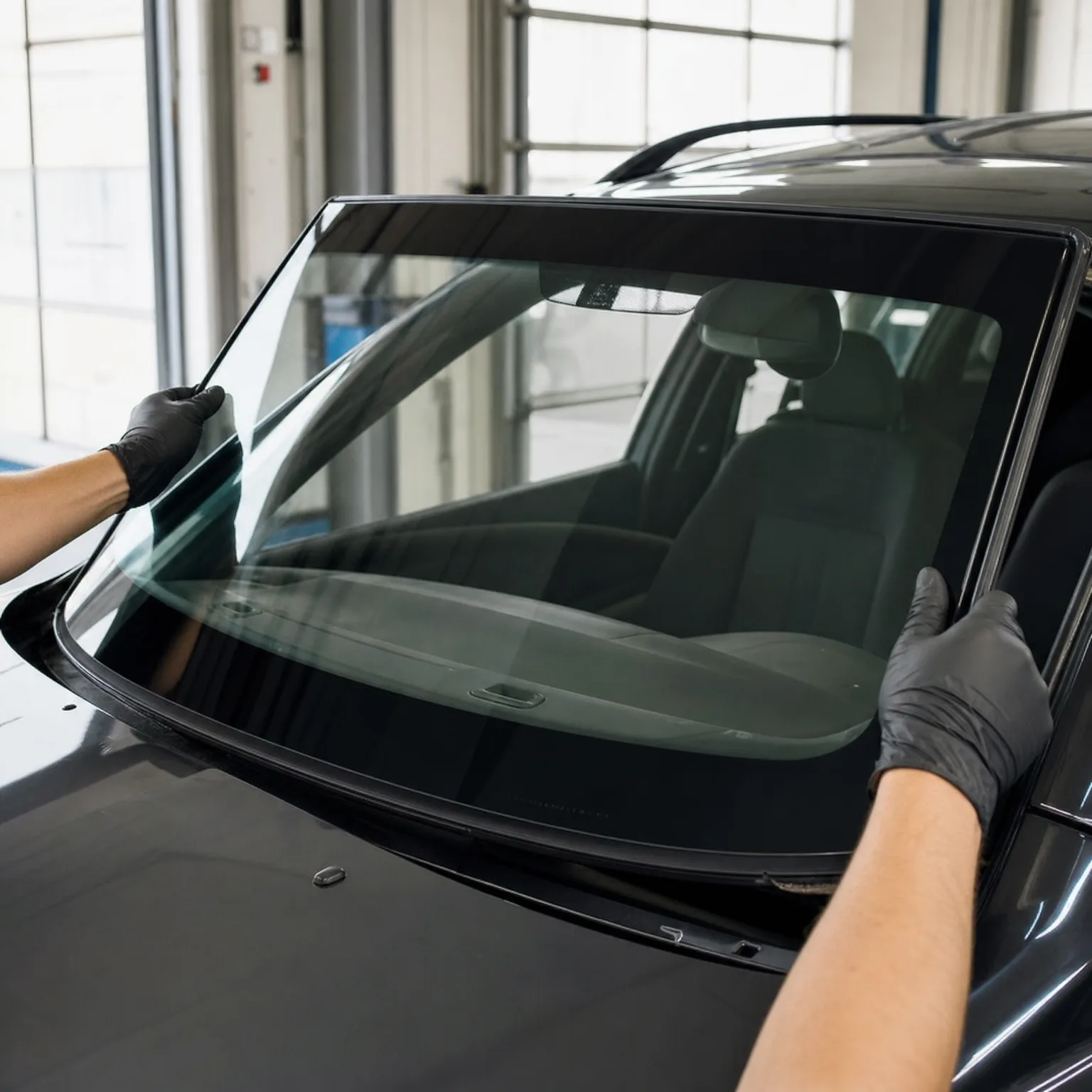
How a liability claim actually plays out
There's no deductible on liability coverage. You don't pay anything out of pocket before it kicks in, unlike collision or comprehensive. What you're choosing is the ceiling on how much your insurer will pay, not a deductible underneath it.
After an accident where you're at fault, the other person or their insurer files a claim against your policy. Your insurer investigates, figures out who was at fault and how much the damage or injury is worth, and negotiates or pays a settlement. If you're sued, your insurer typically handles the legal defense as part of this coverage.
Have your policy number, the other driver's information, and any police report ready when you call it in. The claim moves faster when your insurer isn't waiting on you to track down details.
If the claim ends up costing more than your limit, you can be personally sued for the difference. That's the scenario higher limits exist to prevent, and it's worth asking your agent to walk through exactly what your current limit would and wouldn't cover.
Liability limits versus uninsured motorist coverage
Liability Limits
This pays the other person when you're the one at fault. It protects your assets, not your own car or body.
Uninsured Motorist Coverage
This protects you when the other driver is at fault but has no insurance or not enough of it. It pays for your injuries and sometimes your car, standing in for the coverage they should have had.
If you're worried about protecting what you own, focus on liability, and if you're worried about being hit by someone underinsured, that's where uninsured motorist coverage matters most.
Real situations
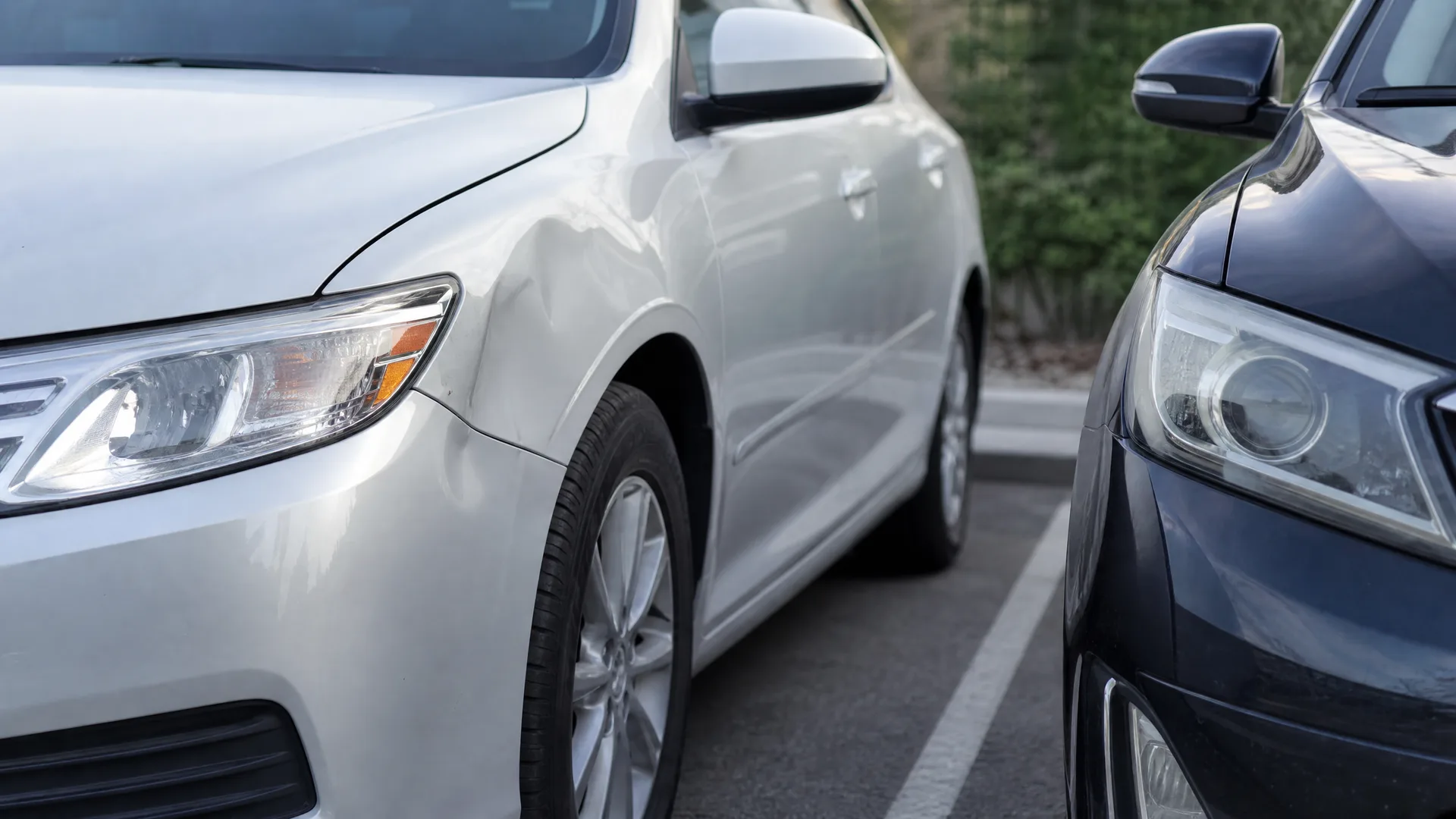
You're pulling out of a parking lot after church and you misjudge the distance, clipping another car's door.
Liability pays for the other car's door repair, since you were at fault for the damage.
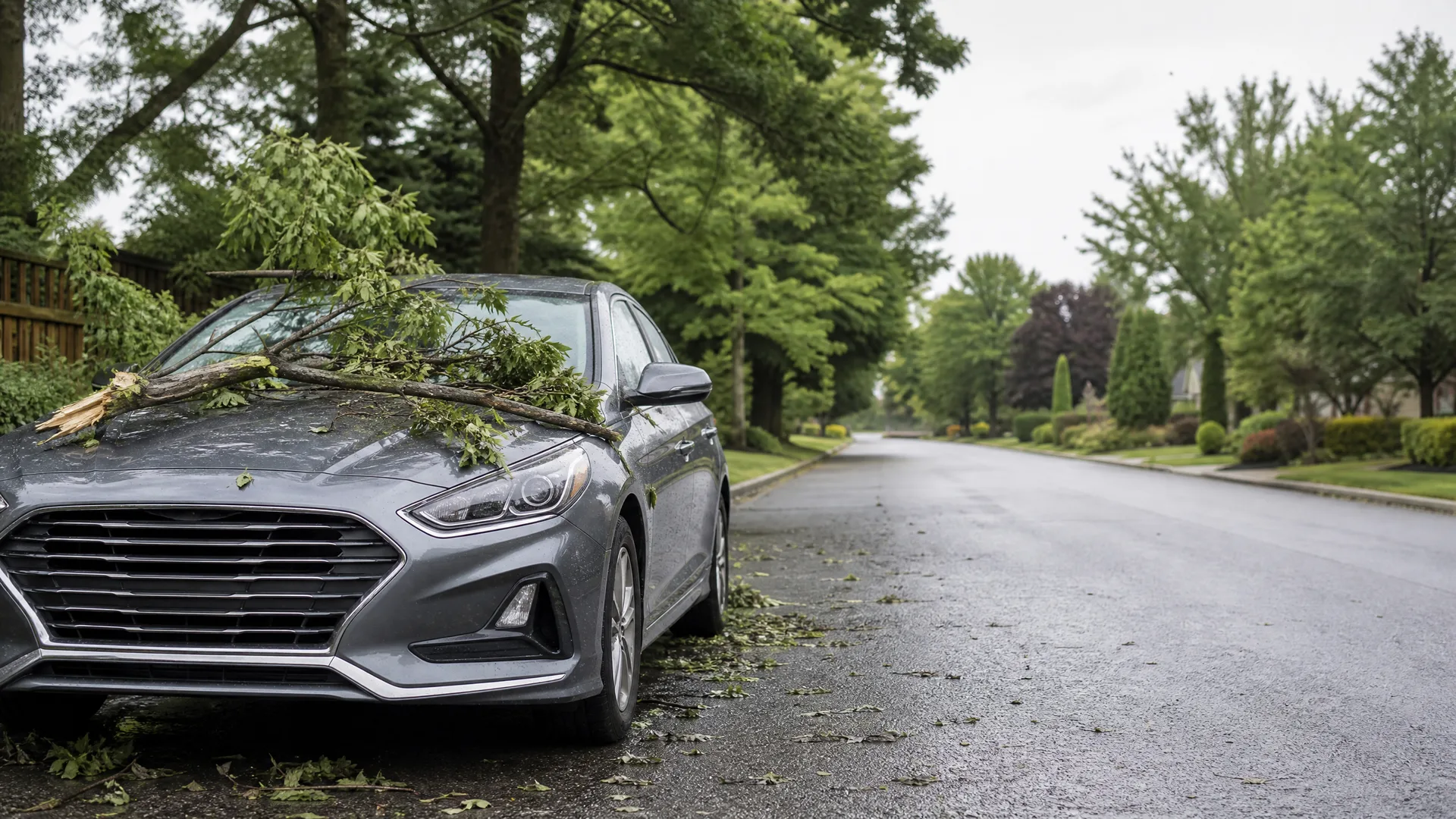
A hailstorm rolls through while your car is parked at the grocery store and dents the hood and roof.
Liability doesn't pay here, since no other driver was involved, this falls under comprehensive coverage instead.
A deer runs across a county road at dusk and you hit it, causing serious damage to your front end.
Liability doesn't apply since there's no other party at fault, this is a comprehensive claim.
Once you know whether your liability limit still matches what you have to protect, you can compare quotes at that limit and see what it actually costs to raise it.
Questions people ask about this
How much liability insurance do I actually need as a senior?
It depends on what you own, not your age, so the right amount is whatever would cover a lawsuit against your savings and property. A rough starting point is adding up your savings, investments, and home equity to see what's at risk. From there, talk to an agent about limits that would cover that total, since state rules on available limits vary.
Can I be sued for more than my liability limit covers?
Yes, if the damage or injury costs more than your limit, the other party can sue you personally for the remaining amount. This is the main reason people raise their limits well above the minimum. An umbrella policy is another option some people add on top of their car insurance for extra protection.
Does liability insurance cover a family member driving my car?
Usually yes, if you gave them permission to drive it, your liability coverage follows the car rather than just you as the named driver. This varies somewhat by policy, so it's worth checking the specific language on yours. If someone drives your car regularly, your insurer may want them listed on the policy.
What happens to my liability coverage if I stop driving regularly?
Your coverage stays the same unless you change it, since liability limits aren't tied to how often you drive. Some insurers offer lower rates for low mileage drivers, so it's worth mentioning if your driving has dropped off. Dropping the coverage itself isn't recommended just because you drive less, since the risk per trip hasn't changed.
Should I drop liability coverage if I rarely drive anymore?
No, if you're still driving at all, dropping liability leaves you fully exposed the one time something happens. The coverage protects against a single serious accident, not against how many miles you put on the car. If you've stopped driving entirely, that's a different conversation about whether to keep the car insured at all.