Liability Limits for Seniors in Arkansas
Liability limits are the dollar ceilings on what your insurer pays when you're at fault and someone else is hurt or their property is damaged.
What liability limits pay for
Covers
- Injuries to other people If you cause a crash, this pays for the other driver's or passenger's medical bills up to your limit.
- Lost income for the other person If their injuries keep them out of work, this can cover that loss as part of the injury claim.
- Damage to their vehicle If you hit someone's car, the property damage portion pays to repair or replace it.
- Damage to other property If you run into a fence, a mailbox, or a storefront, this covers what it costs to fix.
- Your legal defense If the other party sues you over the crash, your insurer pays for your attorney as part of this coverage.
Doesn't cover
- Your own car Liability doesn't pay to fix your vehicle; that's what collision coverage is for.
- Your own injuries Your medical bills come from your health insurance or a coverage like medical payments, not liability.
- A hit and run driver Liability only responds to damage you cause; a stranger hitting you is a claim against uninsured motorist coverage.
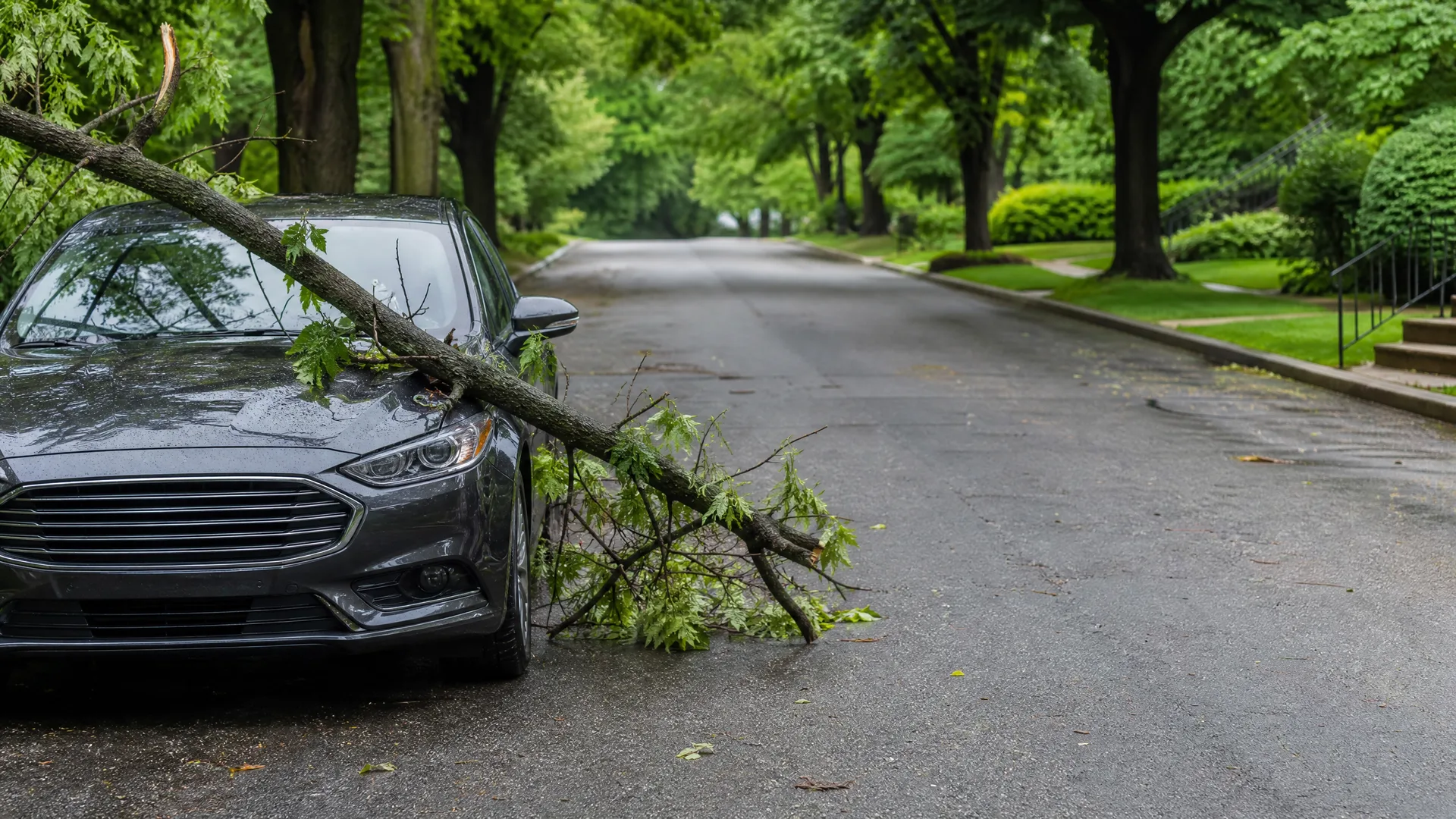
- Weather or theft damage A hailstorm, a falling branch, or a stolen car falls under comprehensive coverage, not liability.
- A passenger in your own car Depending on how your policy is set up, injuries to your own passengers may fall under medical payments or personal injury protection rather than liability.
Yes, this is worth paying for, and usually worth more than the minimum
Dropping liability coverage isn't really an option if you want to drive legally, so the real question is how high to set your limits. That decision has more to do with what you own than with your age.
If you still have savings, a paid off home, or investments, those are what's exposed if you injure someone badly and your limits run out. A lawsuit can reach past your policy and into those assets, so the limit you choose is really about how much of your own money you're willing to put at risk.
How much you drive matters too. A retired driver running errands around town a few days a week has less exposure than someone still commuting or driving grandchildren regularly, but even low mileage doesn't shrink the size of a bad accident if one happens.
Where the car is kept and driven plays a role as well. A car that sits in a quiet rural area sees less traffic exposure than one driven daily in a busier area, though serious crashes happen in both places, so this is a reason to adjust limits carefully rather than a reason to skip the coverage.
How a liability claim actually plays out
There's no deductible on your side for liability coverage, since this pays for the other person's damages, not yours. Your insurer investigates the crash, determines fault, and if you're found responsible, pays the other party's claim up to your limit.
If the damages are small, this moves quickly, often with a repair estimate and a payout to the other driver's shop or to them directly. If the injuries are serious, the claim can take much longer, since medical treatment and recovery have to run their course before a final amount is settled.
If a claim gets close to or exceeds your limit, your insurer will tell you, and that's the moment people often wish they'd carried higher limits. Have your policy number, the other driver's information, and any police report ready, since those move the claim along faster.
Your insurer handles the negotiation and payment, but if you're sued for an amount beyond your limit, that's when you'd want to know whether you have any extra protection above your standard policy.
Liability limits versus an umbrella policy
Liability Limits
This is the coverage built into your auto policy that pays for injuries or damage you cause to others, up to the limit you choose. It's required to drive and sits as your first line of protection.
Umbrella Policy
This is a separate policy that sits on top of your auto and home liability limits, paying out once those are exhausted. It usually covers a broader range of situations and higher totals than raising your auto limits alone.
If you have real savings or property to protect, raise your auto liability limits first and then consider an umbrella policy for the rest.
Real situations
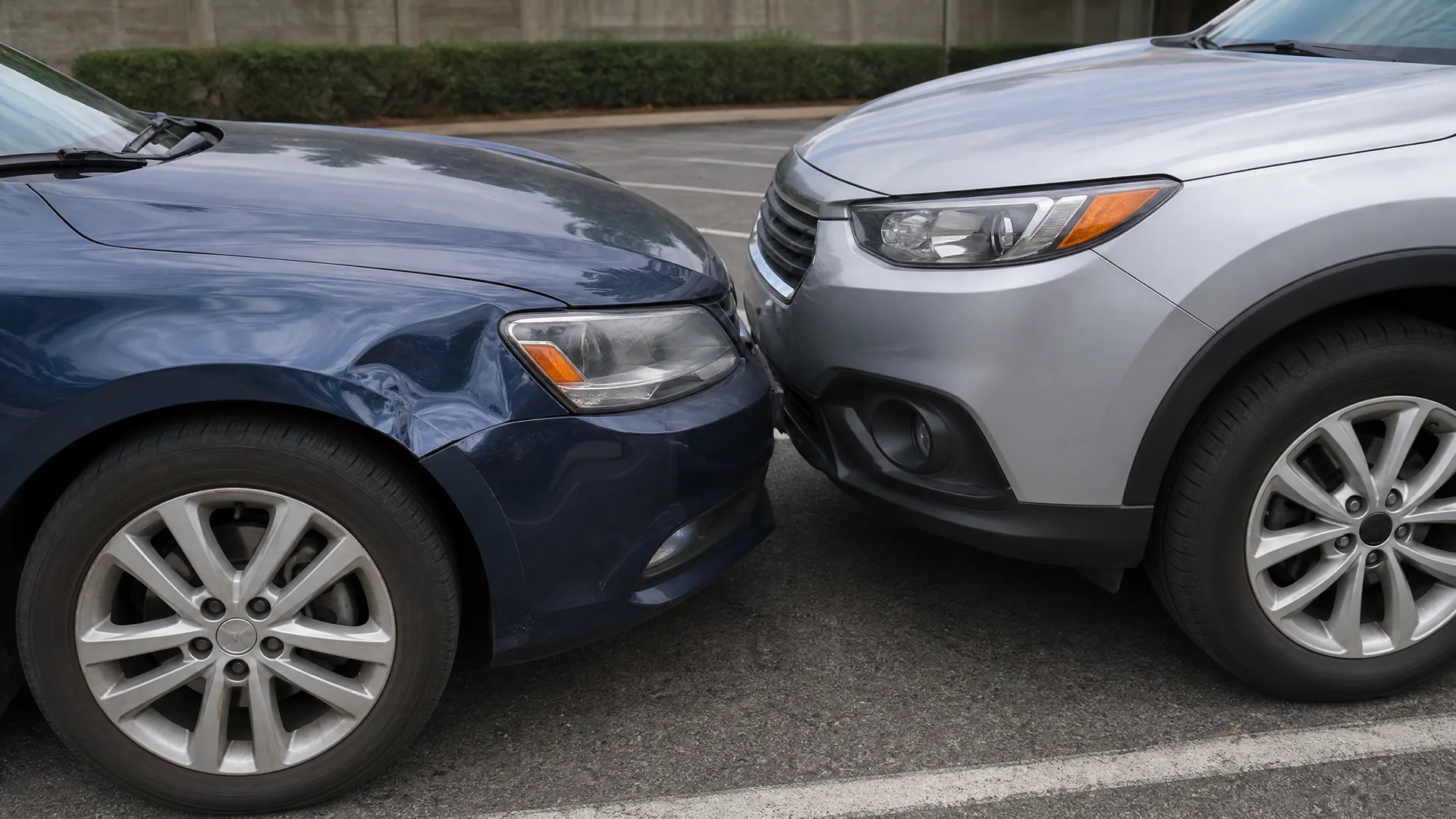
You're pulling out of a church parking lot after a Sunday service and misjudge another car's speed, clipping its rear panel.
Liability pays, since you caused the damage to someone else's car.
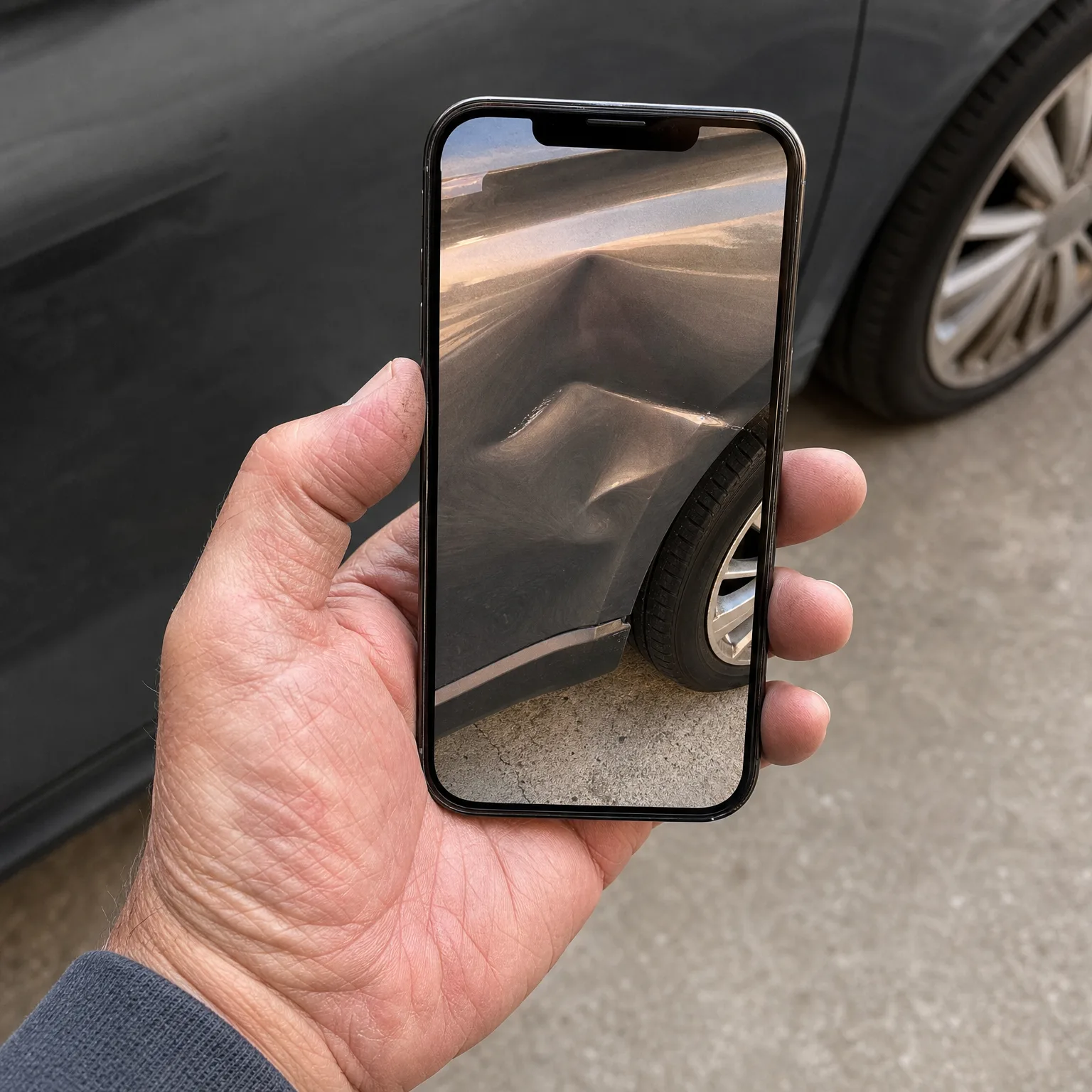
A hailstorm rolls through while your car is parked at the grocery store and leaves dents across the hood and roof.
Liability doesn't pay here; this is a comprehensive claim since no other driver was involved.
A deer runs into the road at dusk on a county highway and you can't avoid it, damaging your front end.
Liability doesn't pay for this either, since there's no other person's injury or property involved; this falls under comprehensive coverage.
Once you've decided what liability limits make sense for what you have to protect, you're ready to compare quotes at that level.
Questions people ask about this
How much liability insurance do I actually need?
It depends mainly on what you have to protect, not a fixed rule. Look at your savings, any property you own outright, and how much of that you'd want shielded if you caused a serious accident. A licensed agent can walk through your specific assets and suggest a limit that matches them.
Can I be sued for more than my liability limit?
Yes, if the damages from an accident exceed what your policy pays, the injured party can pursue the rest through a lawsuit against you personally. This is exactly the gap that higher liability limits or an umbrella policy are meant to close. Check your policy declarations page to see your current limit.
Does liability insurance cover a family member driving my car?
Usually yes, if they had your permission to drive it, since liability follows the car as much as the driver. There can be exceptions depending on who's listed on your policy and how often they drive your vehicle. Call your insurer if someone drives your car regularly and isn't listed.
What happens to my liability rate as I get older?
Rates can shift as you age, sometimes up and sometimes down, depending on your driving record and how your insurer views your age group. This varies by company and by state, so the only way to know is to ask your insurer directly or compare quotes periodically. Don't assume it only moves in one direction.
Should I lower my liability limits once I'm retired and driving less?
Driving less doesn't necessarily mean you need less protection, since a serious accident is just as costly whether you drive daily or occasionally. What matters more is what you'd stand to lose financially if you caused a bad crash. Talk through your specific situation with an agent before lowering any limit.