Liability Limits for Seniors in Arizona
Liability limits are the most your insurance will pay when you're at fault for someone else's injuries or property damage, and everything above that limit comes out of your own pocket.
What liability limits pay for
Covers
- Injuries to other people Medical bills, lost income, and related costs for anyone hurt in an accident you caused.
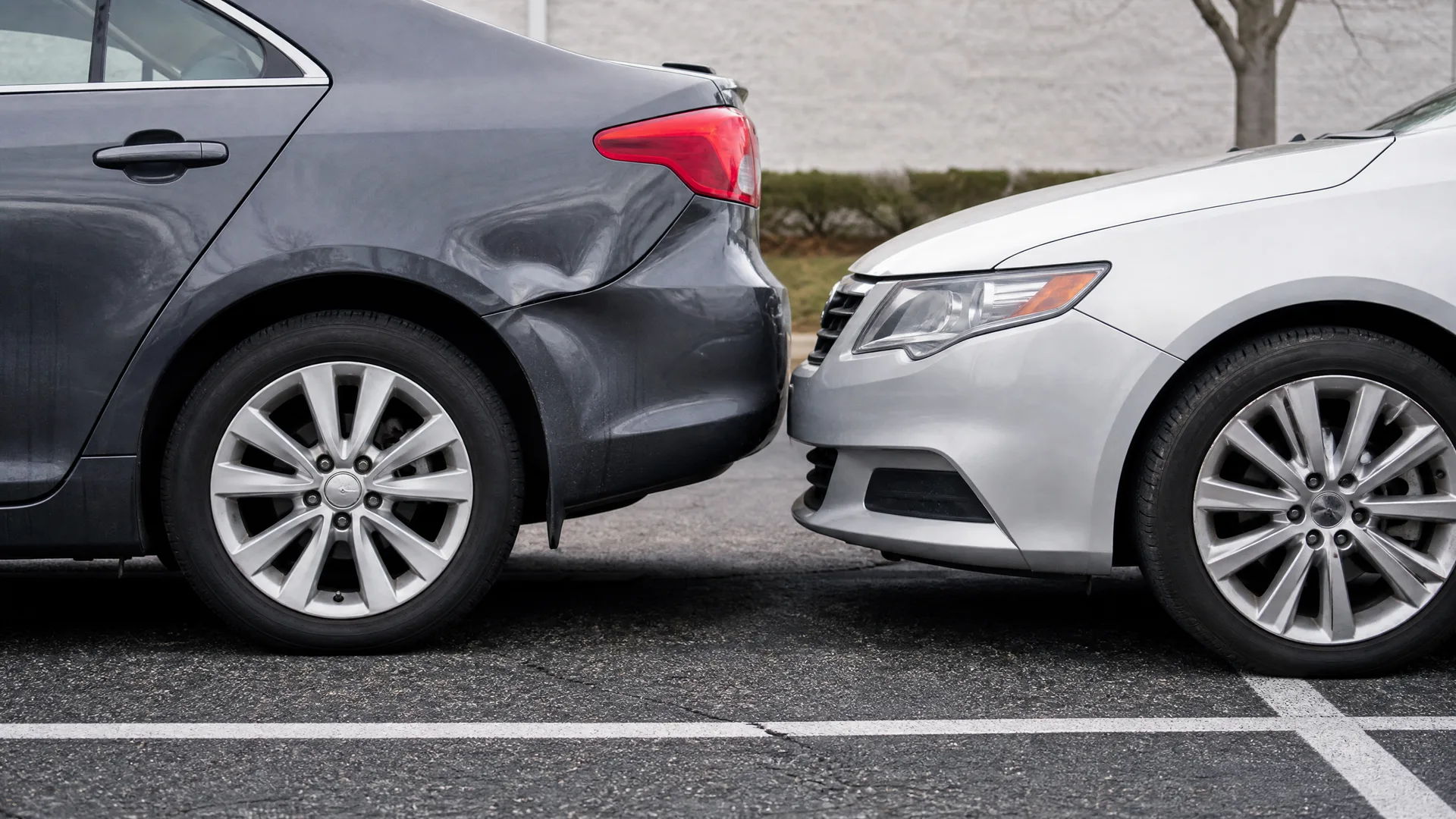
- Damage to their vehicle Repair or replacement costs for the other driver's car, truck, or anything else you hit.
- Damage to property A fence, a mailbox, a storefront window, whatever you damage that belongs to someone else.
- Legal defense if you're sued If the other party sues over the accident, your insurer provides a lawyer and covers the cost of defending you, usually in addition to your limit.
- Settlements negotiated on your behalf Your insurer handles the back and forth with the other person's insurer or attorney so you don't have to.
Doesn't cover
- Your own injuries Liability only pays for other people. Your own medical costs come from health insurance or a separate coverage like medical payments or personal injury protection.
- Damage to your own car Repairing or replacing your vehicle falls under collision or comprehensive coverage, not liability.
- An uninsured driver who hits you If someone without insurance causes the accident, your liability coverage doesn't help you at all. That's what uninsured motorist coverage is for.
- Intentional damage Liability covers accidents, not things you did on purpose. Insurers can deny a claim if the damage wasn't accidental.
- Costs above your limit If a judgment or settlement exceeds what your policy covers, you're personally responsible for the rest unless you carry additional protection like an umbrella policy.
Higher limits are usually worth it once you've built up real savings and own things worth protecting
The math here isn't about your age, it's about what you have to lose. If you own a home, have savings set aside, or still have income that could be garnished, a serious accident could put all of that at risk if your limits are too low. Low limits made sense decades ago when there was less to protect and less in claims generally. Now the gap between a low limit and a real settlement can be wide, and that gap comes straight from you.
How much you drive matters too. If you've cut back to short trips around town, your exposure is lower than someone who still commutes or drives long distances regularly. That's a reason to look at your limits again, not necessarily a reason to drop them, since even a short trip can end in a serious accident.
Where the car sits overnight and who else drives it also plays in. A car parked on a busy street or driven occasionally by a grandchild carries different risk than one parked in a garage and driven only by you. If other people use your car, your liability limits protect you when they're behind the wheel too.
For most people this age who've paid off their homes and built up savings, raising liability limits costs little against what it protects. The people who can skip thinking hard about this are the ones with little in savings and no real assets, where there's simply less for a judgment to reach.
What happens when you actually use it
Liability coverage doesn't have a deductible the way collision or comprehensive does. There's no amount you pay out of pocket before your insurer starts covering a claim against you. Your insurer pays the other party directly, up to your limit.
After an accident, you report it to your insurer, and they open a claim and start investigating who was at fault. If you're found liable, your insurer handles communication with the other driver or their attorney, including any settlement talks. You generally don't negotiate this yourself.
The payout covers the other person's losses, not yours, and only up to your policy's limit. If the claim is worth more than your limit, the other party can pursue you personally for the difference, which is the exact scenario higher limits are meant to prevent.
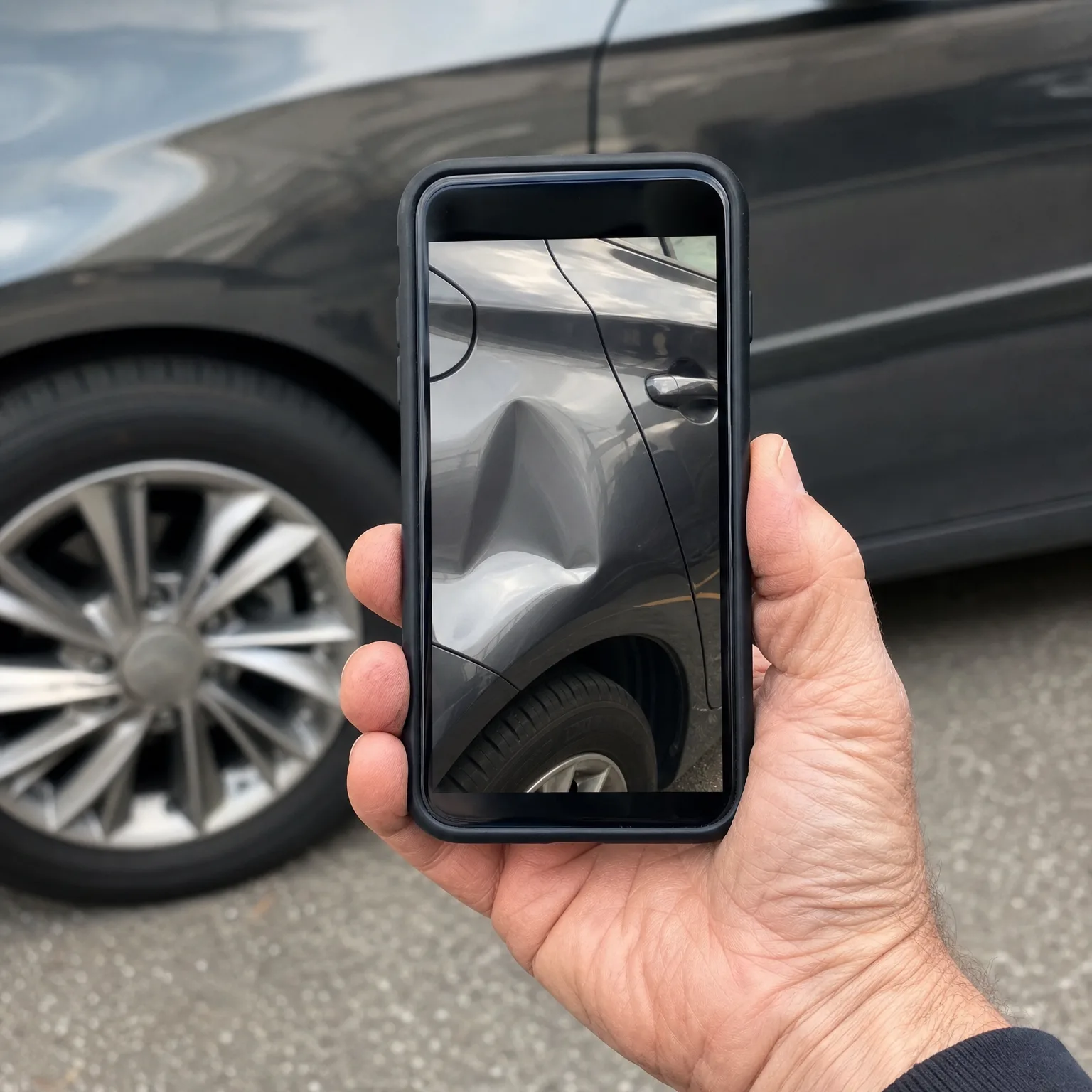
Have your policy details on hand, along with any photos, a police report if one was filed, and contact information for everyone involved. The smoother that information comes together, the faster your insurer can move the claim along.
Liability limits versus uninsured motorist coverage
Liability limits
This pays for damage and injuries you cause to someone else. It protects your assets and income when you're at fault, not when someone else is.
Uninsured motorist coverage
This pays for your injuries and sometimes your property when the at-fault driver has no insurance or not enough of it. It protects you when someone else is at fault and can't pay.
If you have real savings or assets, lean toward higher liability limits, and if you're worried about being hit by someone with no insurance, add uninsured motorist coverage alongside it, since they cover opposite situations.
Real situations
You're pulling out of a grocery store parking lot and don't see a car coming, causing a collision that injures the other driver.
Your liability coverage pays for the other driver's injuries and vehicle damage, since you were at fault.
A hailstorm hits while your car is parked at church and dents the hood and cracks the windshield.
Liability doesn't pay here at all, since no other person or property was involved. That's a comprehensive claim.
A deer runs into the road at dusk on a county highway and you can't avoid hitting it, damaging your front bumper.
Liability doesn't cover this either, since there's no other party involved. Comprehensive coverage handles animal collisions.
Once you know what limits make sense for what you have to protect, you can compare quotes with that number already decided.
Questions people ask about this
How much liability insurance do I actually need at my age?
It depends mainly on what you have to protect, not your age itself. Add up your savings, home equity, and any other assets, since a judgment against you could reach them if your limits are too low. People with little in savings generally need less, while people with substantial assets often benefit from raising limits well above the state minimum.
Can I be sued personally if liability coverage isn't enough?
Yes, if a claim against you exceeds your policy limit, the other party can pursue you directly for the remaining amount. This can include going after savings, wages, or other assets depending on where you live. This is the main reason people with meaningful assets choose higher limits or add an umbrella policy.
Does my liability coverage change if I stop driving every day?
Your coverage itself doesn't change automatically, but your insurer may offer a different rate if you report reduced mileage. The coverage still applies fully any time you do drive, regardless of how often that is. It's worth telling your insurer if your driving habits have changed significantly.
What happens to my liability coverage if I let my grandchild drive my car?
Your liability coverage generally extends to anyone you've given permission to drive your car, with some exceptions for regular drivers not listed on your policy. If someone drives your car often, check whether your policy requires them to be listed. An accident while someone else is driving with your permission is usually treated the same as if you were driving.
Should I combine liability limits with an umbrella policy?
An umbrella policy adds protection above your regular liability limits once those are exhausted. It makes the most sense for people with significant savings, home equity, or other assets a lawsuit could reach. You typically need to carry a certain base limit on your auto liability coverage before an insurer will offer one.