Liability Limits for Seniors in Alaska
Liability limits are the ceiling on what your insurer pays someone else when you're at fault for an accident, covering their injuries and property damage, not yours.
What liability limits apply to
Covers
- Injuries to other people Medical bills, lost income and related costs for anyone hurt in an accident you caused, up to your limit.
- Damage to their vehicle Repair or replacement of the other car, within the property damage portion of your limit.
- Damage to other property If you hit a fence, a garage or another structure, this is what pays for it.
- Legal defense costs If you're sued over the accident, your insurer typically pays for your defense, often outside the limit itself.
- A passenger in your own car If someone riding with you is hurt because of your fault, their injuries fall under this same coverage.
Doesn't cover
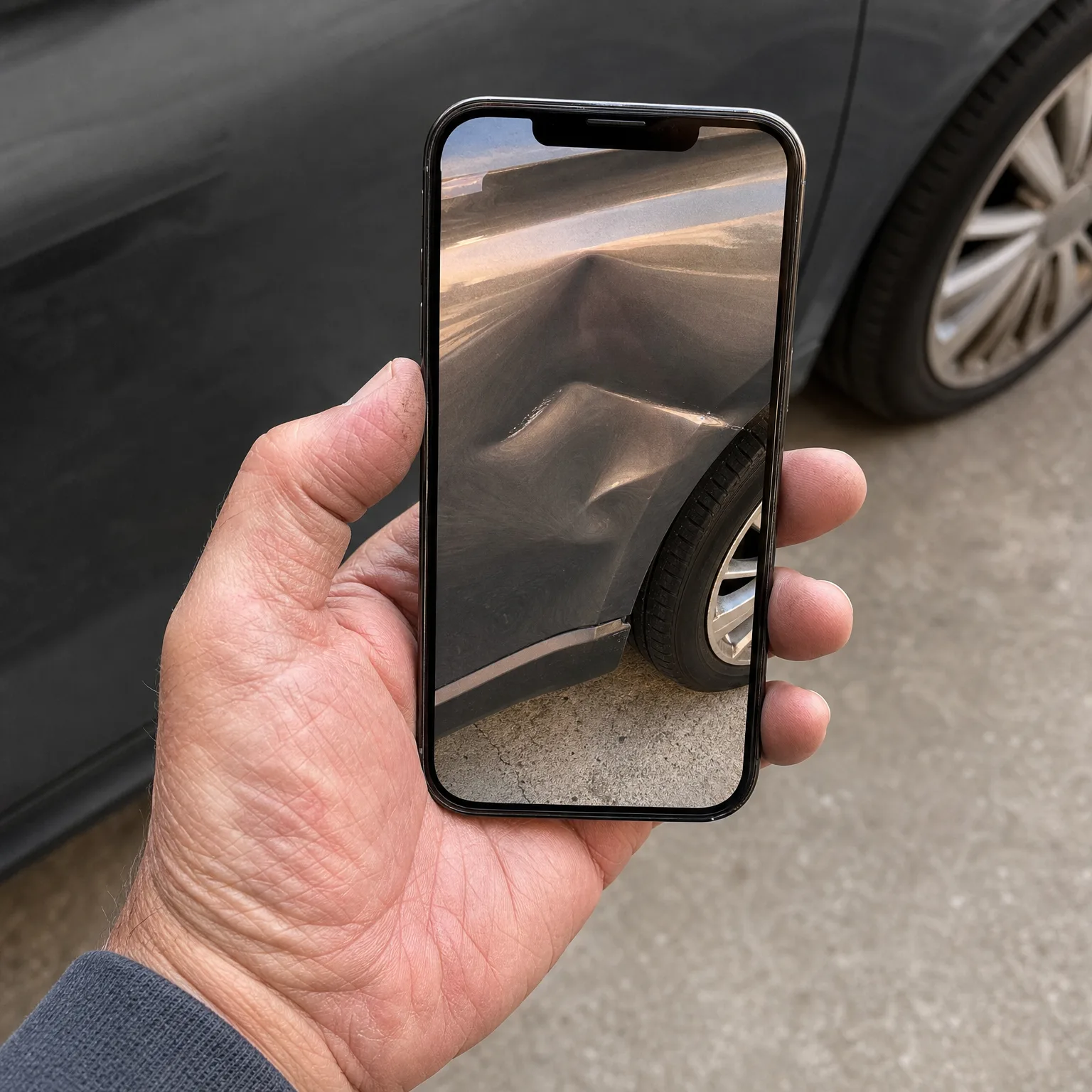
- Your own vehicle Damage to your car is handled by collision coverage, not liability, regardless of who caused the accident.
- Your own injuries Your medical costs come from health insurance, medical payments coverage or personal injury protection, not liability.
- An uninsured driver who hits you That situation calls for uninsured motorist coverage, a separate line on your policy.
- Damage above your limit If the accident costs more than your limit, you're personally responsible for the rest unless you carry an umbrella policy.
- Intentional damage Liability covers accidents, not something you caused on purpose.
Yes, and higher limits usually make sense at this age
The amount of coverage that makes sense isn't really about the car you're driving. It's about what you have to lose. If you own a home, have savings, or a pension coming in, you have assets a lawsuit could reach if an accident goes beyond a low limit. Higher limits protect that, not your car.
Many older drivers have carried the same limit since they first got a license, often a low one set decades ago and never revisited. Medical and repair costs have climbed since then, and a low limit that felt adequate at the time can now be used up by a single serious injury claim. It's worth checking the actual number on your policy rather than assuming it's still reasonable.
How much you drive matters less here than people think. Even someone who only drives to church, the pharmacy and a grandchild's house is fully exposed on every one of those trips. Liability risk comes from being at fault in even one accident, not from total miles driven.
If you're still driving regularly, especially longer distances or in unfamiliar areas, raising your limit is one of the more straightforward ways to reduce what you could lose. It tends to cost relatively little compared to the protection it adds.
How a liability claim actually plays out
There's no deductible on the liability side. When you're found at fault, your insurer pays the other person's claim directly, up to your limit, and you don't pay anything out of pocket toward their costs.
After an accident, your insurer investigates to determine fault, which can involve police reports, statements from both drivers and sometimes witnesses. If you're found at fault, the insurer negotiates with the other person or their insurer and pays the claim on your behalf.
Have your policy information, a description of what happened, and any police report ready when you report the claim. If anyone was injured, medical documentation will factor into how the claim is valued.
If a claim or lawsuit threatens to exceed your limit, your insurer still defends you, but you could be personally liable for the amount above it. That's the scenario higher limits are meant to prevent.
Liability limits versus an umbrella policy
Liability Limits
This is the coverage built into your auto policy that pays for injuries or damage you cause to others, up to whatever limit you've chosen. It's the first layer of protection and the one that responds immediately after an at-fault accident.
Umbrella Policy
An umbrella policy sits on top of your auto liability limit and kicks in once that limit is used up. It typically requires you to carry a certain minimum limit on your auto policy before it applies, and it covers a much broader set of situations beyond driving.
If you have meaningful savings, a home or other assets to protect, raising your auto liability limit and adding an umbrella policy on top gives the strongest protection.
Real situations
You're backing out of a grocery store parking lot and misjudge the distance, hitting a car with two people inside.
Liability pays for the other car's damage and the other driver's medical costs, up to your limit.
A hailstorm hits while your car is parked at church and dents the hood and roof.
Liability doesn't pay here since no one else's property was damaged; this is a comprehensive claim instead.
You swerve to avoid a deer on a dark county road and roll into a ditch, damaging only your own vehicle.
Liability doesn't pay for your own car in a single-vehicle accident; collision coverage handles that.
Once you know what limit makes sense for what you actually have to protect, you're ready to compare quotes at that limit.
Questions people ask about this
What liability limit should I carry as a senior?
There's no fixed number that applies to everyone, since it depends on your savings, home equity and other assets. A useful starting point is choosing a limit that would cover a serious injury claim without exposing what you own beyond your car. If you have significant assets, pairing a higher limit with an umbrella policy covers more ground.
Does raising my liability limit affect my premium much?
It typically adds a modest amount compared to the jump in protection it provides, since liability claims involving injury can be far more costly than property damage alone. Ask your insurer for the price difference between your current limit and a higher one before deciding. Comparing the two numbers side by side makes the decision easier.
Can my children be sued if I cause an accident?
Generally no, liability follows the driver and the policy, not family members who weren't in the car or didn't own it. If an adult child regularly drives your car, though, they may need to be listed on your policy. Check with your insurer about who's considered a covered driver.
What happens if a claim against me costs more than my limit?
You could be personally responsible for the amount above your limit, and the other party can pursue your personal assets to collect it. This is the exact gap an umbrella policy is designed to close. It's worth discussing this scenario directly with your agent if you're unsure where you stand.
Do I still need high liability limits if I barely drive anymore?
Yes, because liability risk comes from being at fault in an accident, not from how many miles you drive. A single trip to a doctor's appointment carries the same exposure as a daily commute would. If you're driving at all, the same reasoning about protecting your assets still applies.