Liability Limits for Seniors in Alabama
Liability limits are the highest amount your policy will pay for injury or damage you cause to someone else, and everything above that comes out of your own pocket.
What liability limits actually pay for
Covers
- Injuries to other people If you cause a wreck, this pays for the other driver's or passengers' medical bills up to your limit.
- Damage to other property This covers the other car, a fence, a mailbox, or whatever else you hit, up to your separate property damage limit.
- Your legal defense If you're sued over an accident you caused, your insurer typically provides and pays for a lawyer to defend you.
- Lost income claims If someone you injured can't work for a while, a claim against your liability coverage can include their lost wages.
- Settlements and judgments If the claim goes to court, this pays what you're ordered to pay, again only up to your policy limit.
Doesn't cover
- Your own car's damage Liability never pays to fix or replace your car, that's what collision coverage is for.
- Your own medical bills Your injuries are paid through medical payments coverage, personal injury protection, or your own health insurance, not liability.
- A hit and run driver If nobody is found at fault on the other side, there's no one's liability coverage to use, which is where uninsured motorist coverage comes in.
- Weather or animal damage Hail, flooding, a deer in the road, none of that involves you being liable to anyone, so comprehensive coverage handles it instead.
- Anything above your limit Once a claim passes your limit, you're personally responsible for the rest unless you have extra liability protection.
Yes, and probably at a higher limit than you think
Dropping liability coverage isn't really on the table, since driving without it exposes everything you own to a lawsuit, and whether it's required varies by state so it's worth checking your own policy. The real decision at this age is what limit to carry, not whether to carry it at all.
Look at what you've built over the years. A paid off house, retirement savings, any investments, all of that can be reached in a lawsuit if a crash you caused costs more than your policy pays. The more you've saved, the more there is to protect, which is the opposite of how it feels.
How much you drive matters too. Someone who still commutes daily or takes long highway trips to see grandchildren has more exposure than someone who drives short distances to church and the grocery store a few times a week. More time on the road means more chances for a serious accident.
Also think about who's usually in the car. If you regularly drive grandchildren or a spouse with health needs, a bad accident could mean larger injury claims, and that argues for a higher limit rather than a lower one.

What happens when you actually use it
Liability coverage doesn't have a deductible, that's a feature of coverage that protects your own car, not coverage that protects others. When you're at fault, your insurer investigates the claim, decides how much is owed, and pays the other party directly up to your limit.
After a crash, the other driver or their insurer files a claim against your policy. Your insurer will want your account of what happened, any photos, a police report if one was made, and contact information for anyone involved. Cooperating quickly tends to keep the process moving.
If the claim is within your limit, your insurer handles the payout and you're done. If it's close to or over your limit, that's when a lawsuit becomes more likely, and that's the moment a low limit becomes a real problem instead of a theoretical one.
Have your policy details, your limit amounts, and your insurer's claims contact saved somewhere easy to find, not just in the glove box of the car that might be the one that's damaged.
Liability limits compared to umbrella coverage
Liability Limits
This is the base layer of protection built into your auto policy. It pays for injury and property damage you cause, up to whatever limit you chose when you set up the policy.
Umbrella Coverage
This is a separate policy that sits on top of your auto liability limit and kicks in once that limit is used up. It usually covers a broader range of situations and a much higher total amount.
If you have real savings or property to protect, raising your auto liability limit helps, but an umbrella policy is what actually closes the gap for a serious, expensive claim.
Real situations
You're pulling out of a church parking lot after a Sunday service and don't see a car coming, resulting in a collision that injures the other driver.
Your liability coverage pays for the other driver's injuries and car damage, up to your limit.
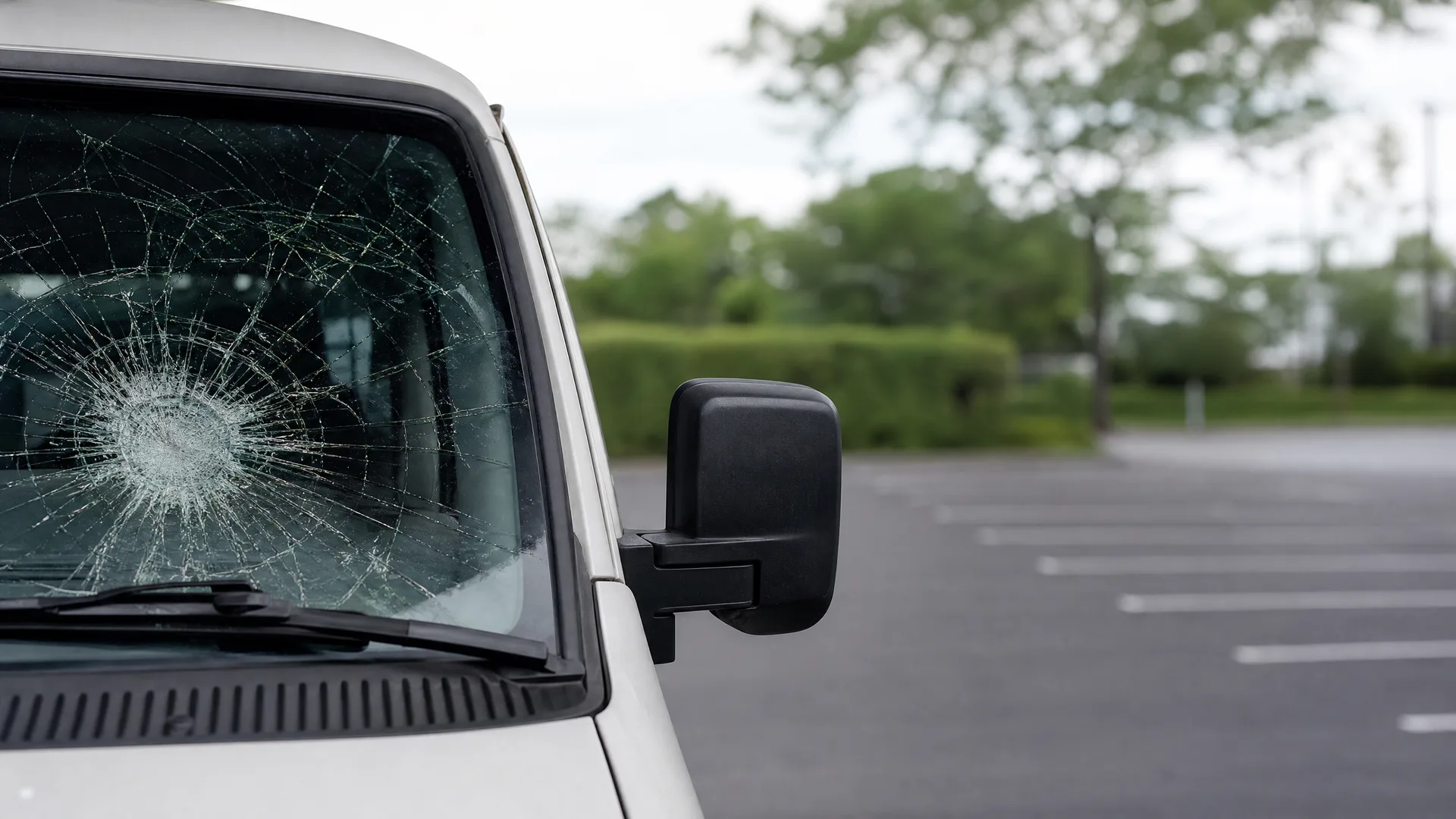
A hailstorm hits while your car is parked outside, denting the hood and cracking the windshield.
This doesn't pay, since no one is liable to anyone else, comprehensive coverage is what applies here.
A deer runs into the road at dusk on a county highway and you can't avoid hitting it, damaging your front end.
This doesn't pay either, that's a comprehensive claim since there's no other driver at fault.
Once you've settled on the liability limit that fits what you have to protect, compare quotes at that limit so you're pricing the same coverage across every insurer.
Questions people ask about this
What liability limit should a senior carry?
There's no single right number, it depends on what you own and how much driving you still do. Someone with significant savings or property to protect generally wants a higher limit than someone with modest assets and little debt. Check what your policy currently lists and compare it against what you'd actually have to lose.
Does liability insurance go up or down with age?
It can go either way depending on your driving record and how the insurer rates older drivers, and this varies by company and by state. A clean record over many years often works in your favor. It's worth asking your insurer directly how your age affects your specific rate.
Can I be sued for more than my liability limit?
Yes, if a judgment against you is larger than your policy limit, you're personally responsible for the difference. This is the main reason people with meaningful savings or a paid off home consider a higher limit or an umbrella policy. Your insurer can tell you exactly what your current limit would and wouldn't cover.
Do I need liability coverage if I rarely drive anymore?
Most drivers still need some liability coverage even if the car mostly sits in the driveway, since whether it's legally required varies by state and a single trip is enough to cause an accident. If you're driving very little, it may be worth asking your insurer about a lower mileage rating rather than dropping coverage. Check your own policy to see how it's currently set up.
What happens to liability coverage if I stop driving completely?
If you no longer drive at all, you'd typically cancel the auto policy rather than keep liability coverage running on a car that's not in use. If the car is still registered or driven occasionally by someone else in the household, it likely still needs coverage. Talk to your insurer about your specific situation before canceling anything.