Liability Limits After a Spouse Dies
Liability limits are the part of your policy that pays for injury or damage you cause to someone else, and a spouse's death usually means it's time to look at them again, not necessarily change them.
What liability limits actually pay for
Covers
- Injuries to other people If you're at fault in a crash, this pays the other driver's or passenger's medical bills up to your limit.
- Damage to their vehicle or property This covers repairs to the other car, a fence, a mailbox, whatever you hit, again up to your limit.
- Your legal defense If the other party sues, your insurer typically provides a lawyer and covers the costs of defending the claim.
- Costs above a single per-person cap Many policies split the limit between a per-person amount and a total per-accident amount, so this spreads coverage across everyone hurt.
- Claims against household drivers If your spouse was a listed driver, their name coming off the policy doesn't change what the policy pays when you or another listed driver is at fault.
Doesn't cover
- Your own injuries Liability only pays other people, your own medical costs come from health insurance or a coverage like medical payments or personal injury protection.
- Damage to your own car Repairing or replacing your own vehicle after a crash you caused falls under collision coverage, not liability.
- A car your spouse left behind If their car stays registered and insured, it needs to stay properly listed on the policy, liability limits don't handle titling or registration.
- Funeral or estate costs Liability coverage has nothing to do with final expenses or settling an estate, those are handled separately.
- A policy that updates itself Removing a deceased spouse as a driver or owner is something you have to request, the limits themselves don't change on their own.

Keep the coverage, but reconsider the limit now that you're the only one on the policy
Losing a spouse often means losing a second income and sometimes a second car. That's a real reason to revisit the limit, but it isn't a reason to drop it, because liability protects what you own and what you might earn or save in the future, not just the car.
Think about what you have now that a lawsuit could reach. A paid-off house, retirement accounts, and savings are all exposed if you cause a serious crash and your limit is too low to cover the claim. If your spouse's income or assets were part of what protected you before, it's worth asking whether your current limit still matches your full financial picture as a single owner.
How much you drive matters too. If you've cut back on driving, especially long trips or highway miles, your actual risk of causing a serious accident may be lower than it was. That's a reason to compare quotes at your current limit, not necessarily to lower it.
If the household now has one car instead of two, make sure the policy reflects that. An extra vehicle still listed, or a car still listed under both names, can complicate a claim at exactly the moment you need things to go smoothly.
How a liability claim actually plays out
Liability coverage doesn't have a deductible for you to pay, because the money goes to the other person, not to you. Your insurer investigates who was at fault, and if you're found responsible, they pay the other party's claim directly, up to your limit.
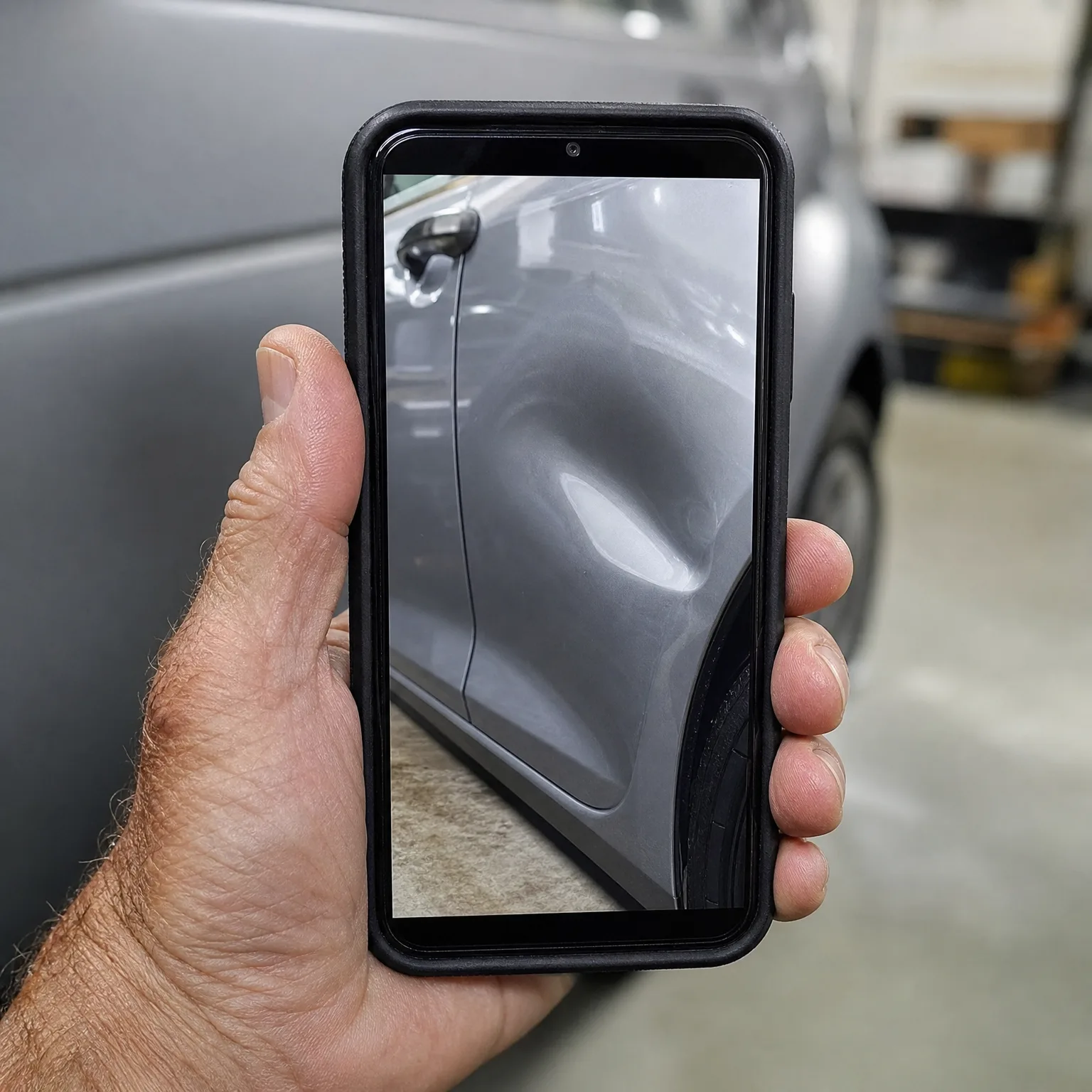
A claim usually starts with a police report and statements from both drivers. The insurer may inspect the damage, review medical records if anyone was hurt, and negotiate directly with the other person or their insurer. You may be asked for your account of what happened more than once.
If the claim is within your limit, your insurer handles payment and you're not billed further. If the costs go above your limit, you become personally responsible for the rest, which is the core reason to keep the limit matched to what you could lose.
Have your policy number, the other driver's information, and a basic description of what happened ready when you report it. The sooner the claim is filed, the faster it tends to move.

Liability limits versus underinsured motorist coverage
Liability limits
This pays for injuries or damage you cause to someone else in an accident that's your fault. It protects your assets, not your own car or body.
Underinsured motorist coverage
This pays you when someone else causes the accident and their liability limit isn't enough to cover your injuries or losses. It protects you when the other driver is the problem.
If you're worried about what you could owe someone else, that's liability, if you're worried about being hit by a driver who can't pay you back, that's underinsured motorist coverage, and most people need both.
Real situations
You're pulling out of a grocery store lot and misjudge another car's speed, causing a fender bender that's clearly your fault.
This pays for the other driver's car repairs and any injury costs, up to your limit.
A hailstorm hits while your car is parked outside your home and dents the hood and roof.
Liability doesn't pay here, since no other person or property was involved, this is a comprehensive claim.
A deer runs into the road at dusk on a county highway and you can't avoid it, damaging the front of your car.
Liability doesn't apply to this either, since there's no other party, comprehensive coverage is what handles animal collisions.

Once you know what limit fits your situation as a single owner, compare quotes at that limit so you're pricing the same protection across insurers.
Questions people ask about this
Do I need to remove my deceased spouse from my car insurance policy?
Yes, you should update the policy once you're able to. Call your insurer to remove them as a driver or owner, since an outdated policy can cause confusion during a claim. You may need a death certificate or similar document, and the process varies by insurer.
Does car insurance go up after a spouse dies?
It can, though not always, because losing a second driver sometimes changes the discounts or household rating your insurer used. It depends on your insurer's rules and whether your spouse was the primary or occasional driver. Comparing quotes after the update is the only way to know for sure.
What happens to a jointly owned car when one owner dies?
It depends on how the title was set up and your state's rules for transferring ownership. Some titles pass automatically to the surviving owner, others go through an estate process. Check with your state's motor vehicle department or an estate attorney for your specific situation.
Should I lower my coverage after becoming a single driver?
Not automatically, since your liability exposure is based on what you own and could lose, not how many drivers are on the policy. If your household income or assets changed significantly, that's worth discussing with your insurer. Driving less can sometimes lower your rate without lowering your protection.
Can I stay on my spouse's insurance policy as the surviving spouse?
In most cases yes, the policy can continue under your name as the new primary policyholder. You'll typically need to update the account, remove your spouse as a driver, and confirm the vehicles and drivers listed are correct. Requirements for this vary by insurer.