Can a Car Accident Lawsuit Take My House
Your house is at risk only if a judgment against you is larger than your insurance coverage, and even then state law decides how far a creditor can go.
Usually not, but it depends on your coverage and your state
Most car accident claims settle inside the limits of the at-fault driver's insurance policy. When that happens, no one comes after your house, your savings, or anything else you own. The insurance company pays the claim or the judgment, up to the policy limit, and that's the end of it for you personally.
The risk to your house shows up when a judgment is larger than your insurance limit. If someone sues you after a serious accident and wins more than your policy pays, they can try to collect the rest from you directly. Whether they can actually take your house depends on your state's rules about homestead protection and how a creditor is allowed to collect a judgment.

How much insurance coverage you were carrying
The size of the gap between your policy limit and the judgment is what creates the exposure. If your liability limit covers the full judgment, your insurer pays it and your house was never actually at risk. If the judgment is higher than your limit, you're personally responsible for the difference, and that's the part that can turn into a lien or a forced sale.
This is why the limit you chose when you bought the policy matters more after a bad accident than it ever does day to day. A low limit that felt fine for years can leave a large gap the one time a serious injury claim comes in. If you're not sure what your current limit is, your policy declarations page will show it, and it's worth checking before anything happens, not after.
Some drivers add an umbrella policy specifically to cover this gap. It sits above your car insurance limit and picks up where that coverage ends, which is the most direct way to keep a large judgment from reaching your personal assets in the first place.

Your state's homestead and collection laws
Every state has its own rules about what a creditor can and can't take to satisfy a judgment, and homes are often treated differently than bank accounts or other property. Some states protect a significant amount of home equity from this kind of judgment. Others protect very little. This is set entirely at the state level, so what's true for a friend in another state may not be true where you live.
Even where a home has some protection, a creditor with a large judgment can sometimes still place a lien on the property. That doesn't always mean an immediate forced sale, but it can mean the debt follows the house, including if you sell it later or pass it on.
If you want to know exactly where you stand, an attorney in your state can tell you what portion of your home equity, if any, is protected under your state's homestead law. This isn't something a general rule can answer, because it varies by state and sometimes by how the property is titled.
Questions people ask about this
Can my insurance company be sued instead of me personally?
No, the lawsuit is filed against you as the driver, not against your insurance company directly. Your insurer defends you and pays the claim on your behalf up to your policy limit, but the legal claim and any judgment above that limit are still yours. If the case is likely to exceed your coverage, your insurer will usually tell you, since it affects their own exposure too.
Does an umbrella policy protect my house after an accident?
An umbrella policy can extend your liability coverage well beyond your car insurance limit, which reduces the chance a judgment ever exceeds what your insurance pays. It doesn't change your state's homestead laws, but by covering a larger judgment, it lowers the odds you'd ever need those protections. Ask your insurer what umbrella limits they offer and how they coordinate with your auto policy.
What happens if I can't pay a judgment after a car accident?
An unpaid judgment doesn't disappear. The person who won the case can pursue collection methods allowed in your state, which may include wage garnishment, bank account levies, or a lien on property you own. How aggressively this happens and what's off limits depends on state law, so this is a question for an attorney familiar with your state's collection rules.
Will my insurance drop me after a lawsuit from an accident?
An insurer can choose not to renew your policy after a claim, particularly if the accident was serious or you were found at fault, but this varies by insurer and by state rules on nonrenewal. Some states limit when and how an insurer can drop you. Ask your insurer directly what their policy is and check your state's rules on nonrenewal notice periods.
Does it matter if the house is in both spouses' names?
How a home is titled can affect whether a judgment against one spouse can reach it, and the rules here vary significantly by state, particularly in states with specific protections for property held jointly by married couples. This is a detail worth raising with an attorney, since the answer depends on both your state's law and exactly how the property is titled.
If a serious accident has you wondering whether your coverage is enough, it's worth seeing what higher limits would actually cost.
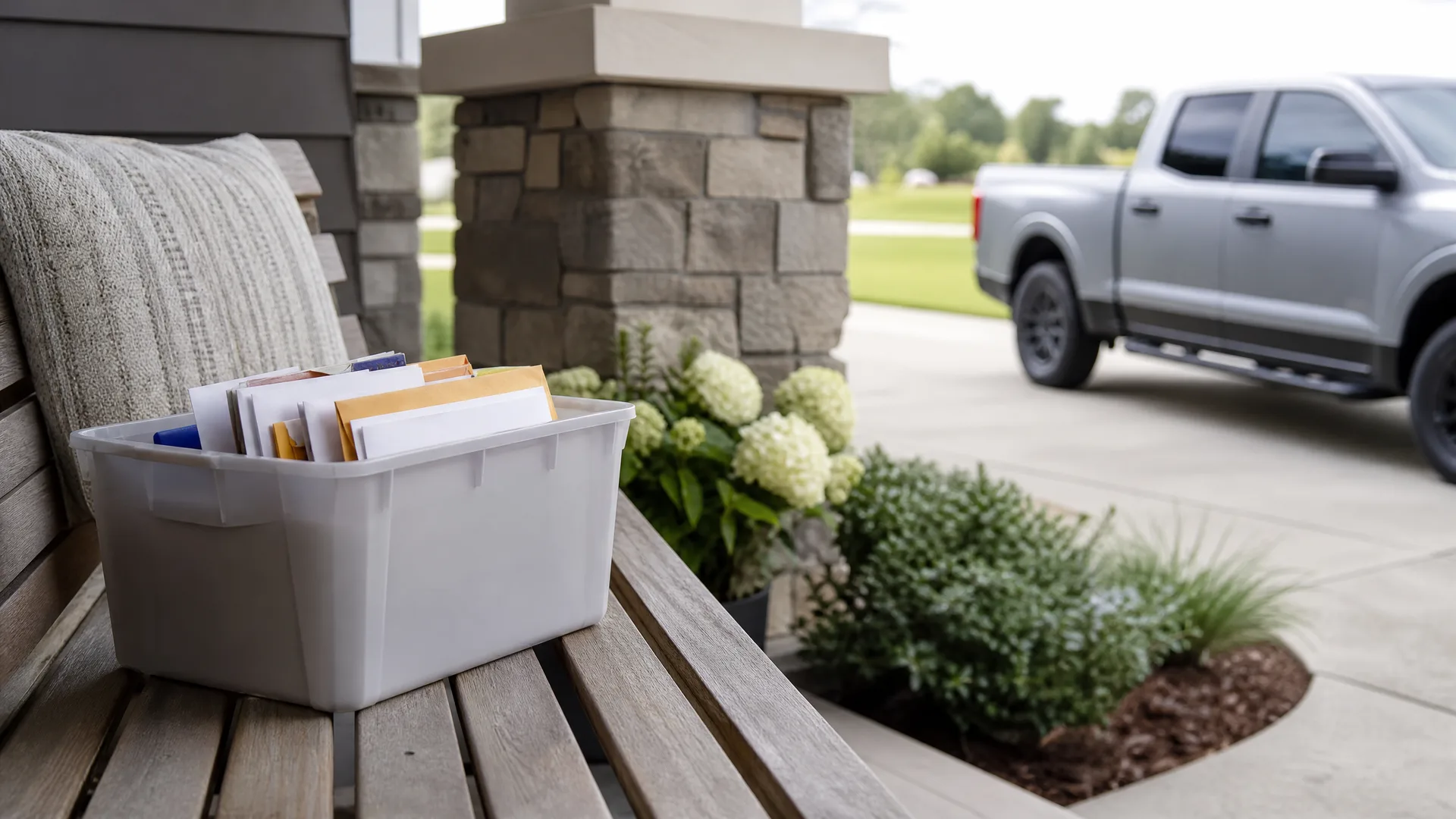
Pull out your current auto policy and find your liability limits on the declarations page. Think about what a serious injury claim could cost compared to that number, and if there's a wide gap, ask your insurer or an agent about raising your limit or adding an umbrella policy. If you're already facing a lawsuit or a judgment that's larger than your coverage, talk to an attorney in your state this week, since homestead protections and collection rules are state specific and time can matter. Keep any accident paperwork, your policy documents, and any correspondence from the other driver's insurer together, since you'll need all of it regardless of which direction this goes.