Should I Admit Fault After a Car Accident
Stick to the facts at the scene and let the insurers and any police report sort out fault.
Don't admit fault at the scene
Exchange information, describe what happened in plain terms, and let the claims process figure out who was at fault. Fault is a legal and financial determination, and it's usually based on more than what either driver felt in the moment.
What you say right after a crash can end up in a police report or get repeated by the other driver to their insurer. An apology or an offhand comment like "I didn't see you" can be read as an admission later, even if the full picture shows otherwise.
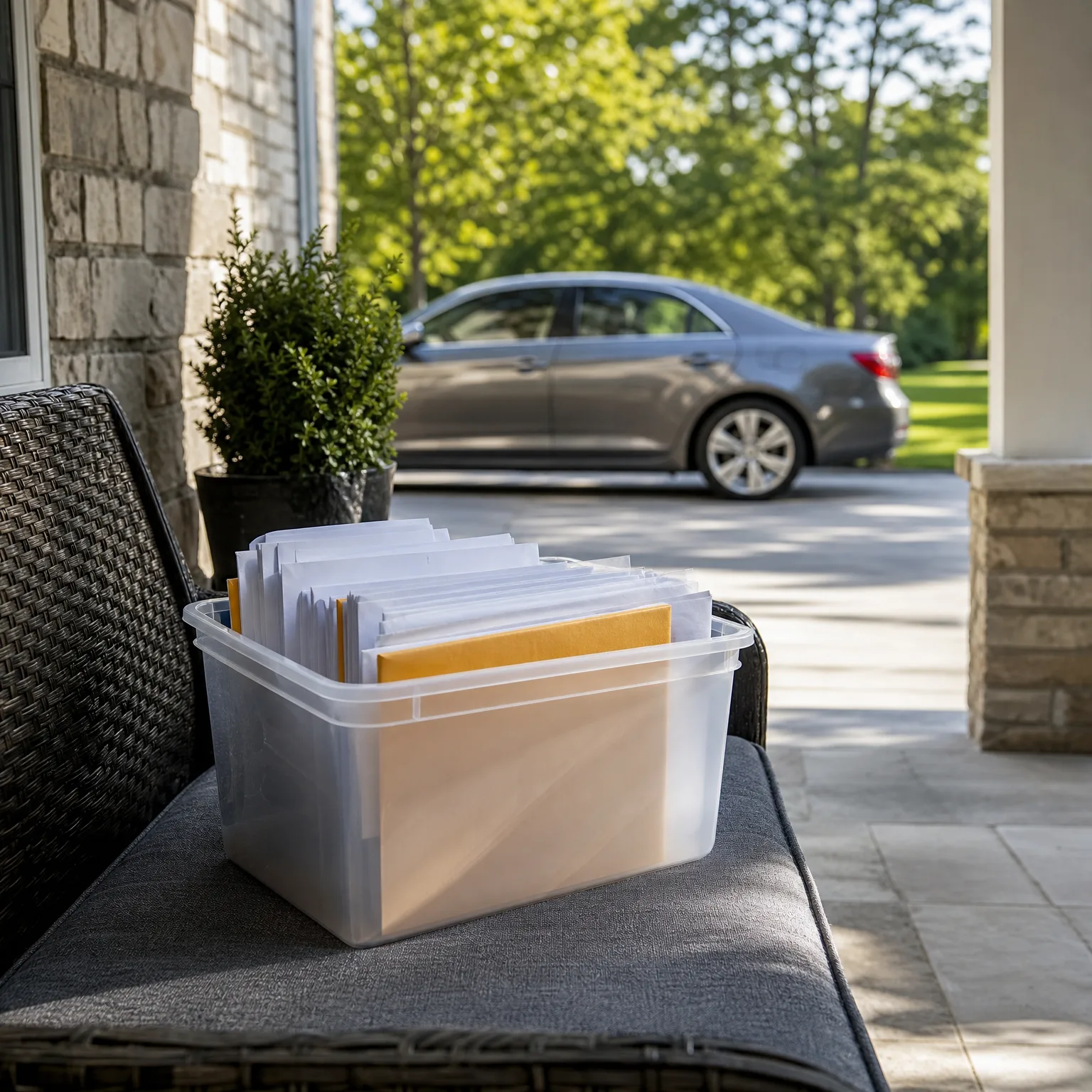
What you say becomes part of the record
A police officer who responds to the scene will often write down what each driver says. That statement can follow the claim for months. If you say something that sounds like an admission, the other driver's insurer will use it.
You can still be honest without deciding fault yourself. Describe the sequence of events: where you were, what you saw, what happened. Leave out guesses about who caused it or apologies that aren't necessary.
If a witness is present, their account matters too. Get their contact information if you can. A neutral account from someone who isn't involved often carries more weight than either driver's version.
Fault is determined later, not at the scene
Your insurer, the other driver's insurer, or sometimes a court will look at the police report, any photos, witness statements, and the state's traffic laws to decide fault. This happens after the scene, with more information than either driver had in the moment.
Some states use a system where fault can be split between drivers rather than assigned entirely to one person. How that works depends on your state, so if you want to understand how partial fault might apply to your situation, ask your insurer or check your state's department of insurance.
Even if you think you caused the accident, there may be factors you didn't see: the other driver's speed, a mechanical issue, a road condition. Let the people reviewing the full evidence make that call.
Questions people ask about this
What should I say to the other driver after an accident?
Stick to practical details like your name, insurance information, and what you observed. Avoid discussing who was at fault or apologizing in a way that could be taken as an admission. Keep the conversation short and factual.
Should I call the police after a minor accident?
In many cases it's worth it, since a police report creates an independent record of the scene. Whether it's required depends on your state and the extent of the damage, so check your state's rules or ask your insurer what threshold applies.
Will my insurance rate go up if I'm found at fault?
It depends on your insurer and your policy, since companies weigh at-fault accidents differently. Ask your insurer how an at-fault determination would affect your renewal before you assume the worst.
What if the other driver admits fault at the scene?
Their statement can help your claim, but it's not the final word. Write down what they said as soon as you can, and mention it to your insurer, but understand that fault will still be reviewed using the full evidence.
Should I take photos at the scene even if I think I caused the accident?
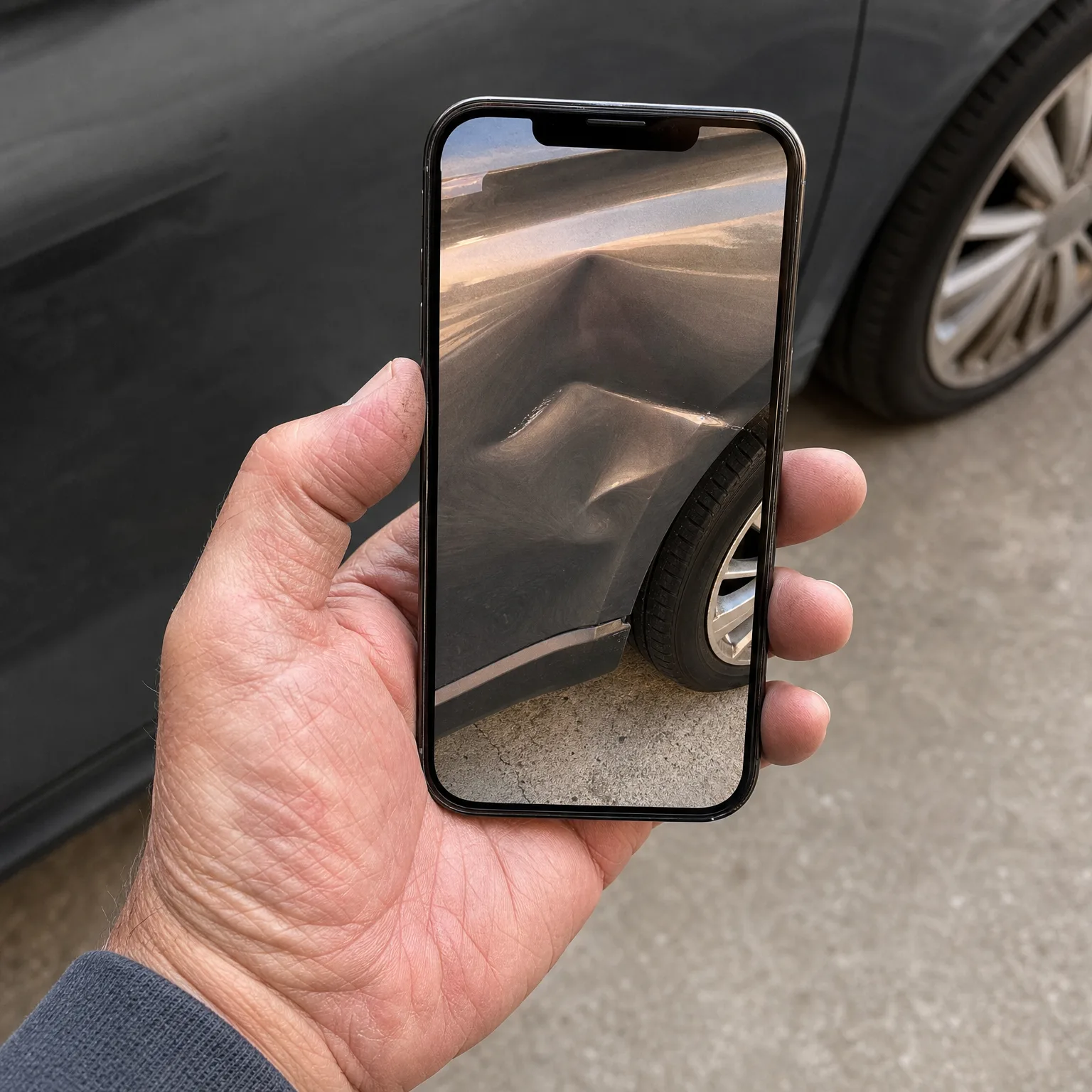
Yes, photos of both vehicles, the road, and any visible damage give the people reviewing the claim more to work with. They don't determine fault on their own, but they fill in details that memory alone won't.
See how an at-fault or not-at-fault accident could affect what you'd pay with a different insurer.
Write down what happened while it's fresh, including the time, location, and what each driver did, without deciding who caused it. Get the other driver's insurance information and contact details for any witnesses. If a police report was filed, request a copy once it's available. Call your own insurer to start the claim and ask them directly how fault gets determined in your state. If you disagree with how fault is assigned once the claim is reviewed, ask your insurer what the process is for disputing it.