
What Is Liability Coverage
Liability coverage pays for the other driver's damage and medical bills when you're at fault. It never pays for your own car or your own injuries.
Liability covers the other person, not you
Liability coverage is the part of your policy that pays when you cause an accident. It covers the other driver's car repairs, their medical bills, and in some cases their lost income or legal costs if they sue. It doesn't pay for anything that happens to you or your own vehicle.
Every state requires some amount of liability coverage to drive legally. Most policies split it into two parts, one for property damage and one for bodily injury, and your state sets the minimum you have to carry. If you want your own car covered too, that comes from separate coverage like collision, not from liability.

Your state sets the minimum, and the minimum may not be enough
Each state decides how much liability coverage drivers are required to carry, and the required amounts vary quite a bit from one state to the next. Your renewal notice or policy declarations page will show what you currently carry and how it's split between property damage and bodily injury.
Carrying only the state minimum means you're covered up to that amount and nothing more. If you cause an accident that costs more than your liability limit, you're responsible for the difference yourself. That's a real risk if you own a home or have savings, because those can be pursued to cover the gap.
Some drivers choose to carry more than the minimum for that reason. Whether that makes sense for you depends on what you have to protect and what raising your limit would cost, which is worth asking your insurer directly.
If you're not sure what your state requires or what you currently carry, your policy document will list it, and your insurer or agent can explain what each number means.
What people get wrong about what it covers
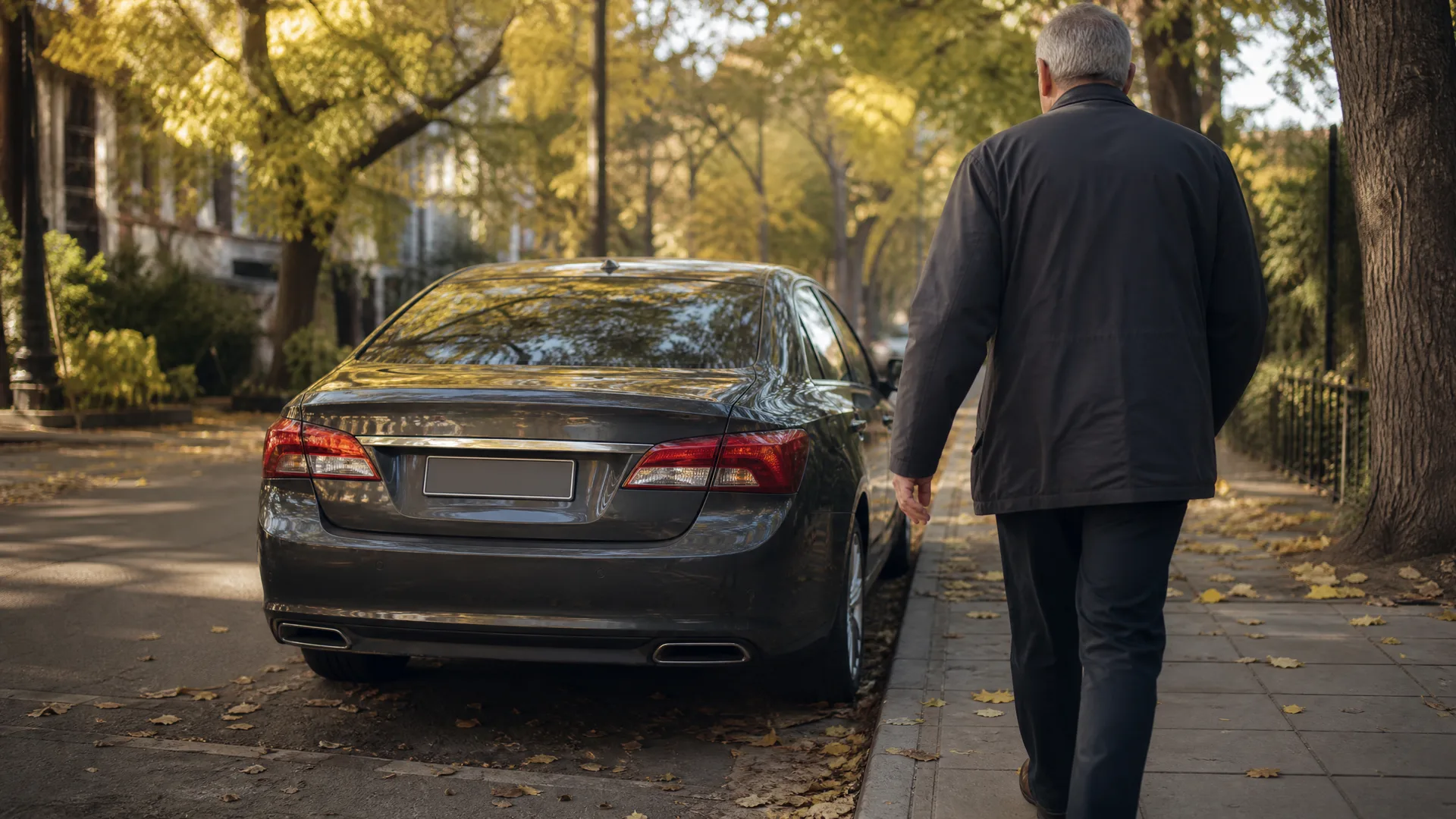
A lot of drivers assume liability coverage will fix their own car after an accident they caused. It won't. If you want that, you need collision coverage, which is separate and pays to repair or replace your own vehicle regardless of fault.
Liability also doesn't cover your own medical bills if you're hurt in an accident you caused. That comes from personal injury protection, medical payments coverage, or your health insurance, depending on your state and your policy.
Another thing people miss is that liability has two separate limits, one for injury to people and one for property damage, and they can run out independently. A serious injury claim can use up your bodily injury limit well before any property damage is involved, leaving you exposed if there's also a vehicle to pay for.
If you're reviewing your coverage, it helps to look at the declarations page and see each limit listed separately rather than as one combined number.
Questions people ask about this
Do I need liability coverage if I own my car outright?
Yes. Liability coverage is required by your state regardless of whether you have a loan on your car. It has nothing to do with who owns the vehicle, it's about covering damage you cause to others.
Does liability coverage pay if someone else was driving my car?
In most cases, your liability coverage follows the car, not just you, so it would apply if someone else was driving with your permission. Confirm this with your insurer, since some policies have conditions on who's covered.
What happens if my liability limit isn't enough to cover the accident?
You become personally responsible for the remaining cost. This is why some drivers carry more than their state's minimum, particularly if they have savings or property that could be at risk.
Is liability coverage the same as full coverage?
No. Full coverage usually means liability plus collision and comprehensive, which protect your own vehicle. Liability alone only covers damage and injury you cause to others.
Can I drop liability coverage if I don't drive much anymore?
You can't drop it and still drive legally, since it's required in every state to operate a vehicle. If you're driving much less, ask your insurer whether a lower-mileage policy could reduce your premium instead.
See what liability limits cost from a few different insurers before you decide what to carry.
Pull out your current policy or renewal notice and find the liability section. Note the two separate numbers, one for property damage and one for bodily injury, and compare them to your state's required minimum. Call your insurer or agent and ask what raising those limits would cost, especially if you have savings or a home that a lawsuit could reach. If you're also wondering about coverage for your own car, ask specifically about collision and comprehensive, since liability won't touch that. Do this before your renewal date, so you have time to make a change if you want one.