What Is a Liability Claim Against My Policy
It's a claim filed against your policy when someone else says you caused the accident, and your insurer has to decide whether to pay it.
It means your insurer may pay for someone else's loss
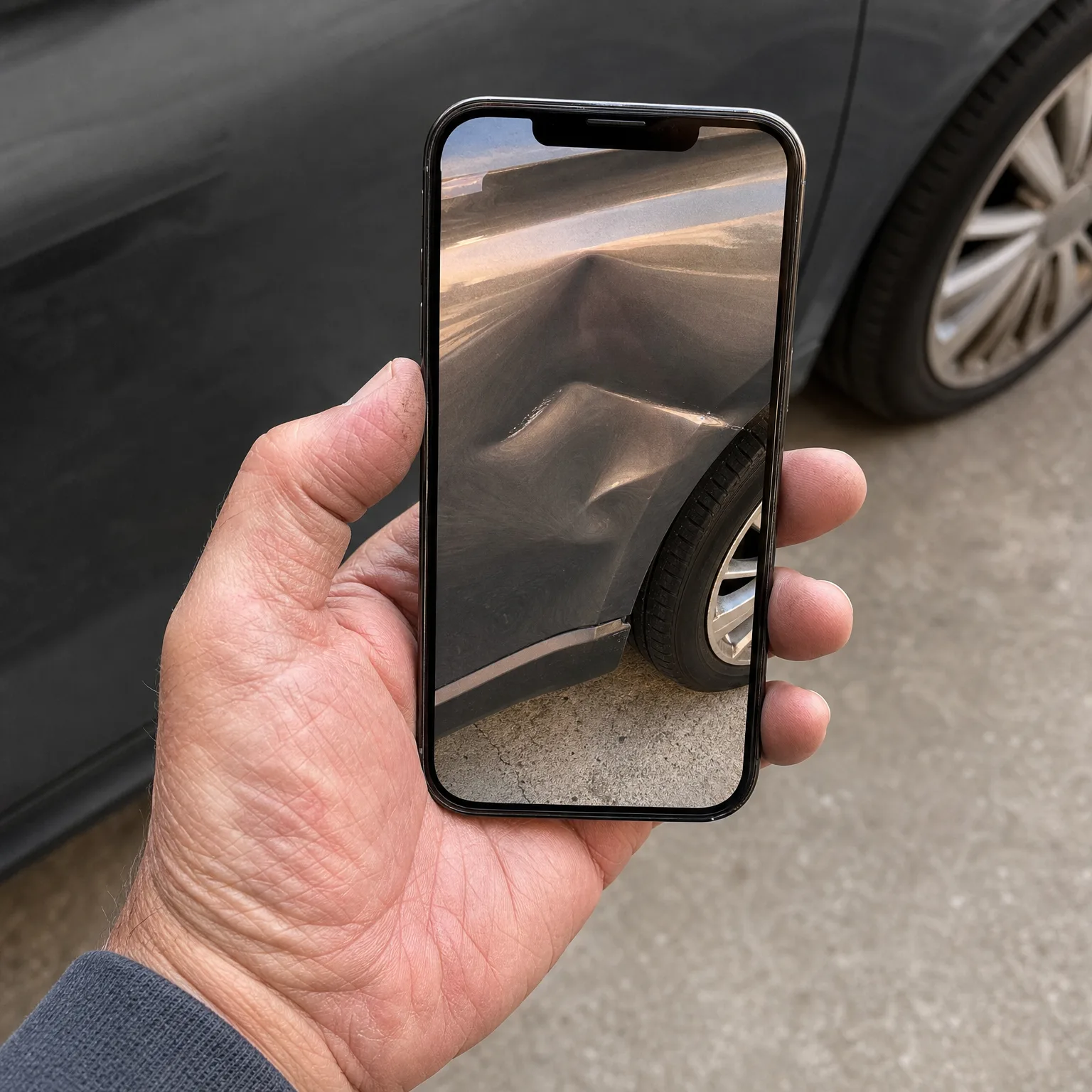
A liability claim is a claim made against your coverage by another driver, a passenger, or a property owner who says you caused the accident. It's different from a claim you file on your own policy for your own car. Your liability coverage pays for their injuries or their damage, up to the limits you carry.
The other driver, their insurer, or their attorney can file it. Your insurer then investigates, decides how much fault you bear, and pays out if the claim holds up. You don't have to have been found at fault in court. Insurers settle most claims based on their own review of the accident.
Your state's fault rules decide how this plays out
Some states assign fault entirely to one driver. Others split fault between both drivers and reduce what each side can collect by their share of blame. This changes whether a claim against you goes anywhere at all, and how much your insurer ends up paying.
If you're found partly at fault in a state that allows split fault, the other driver's claim against you may still get paid, just reduced. In a few states, if you're found more than half at fault, their claim can be barred entirely. Ask your insurer or check your state's insurance department site for which rule applies where you live.
The police report and any witness statements usually drive this decision early on. If you disagree with how fault was assigned, you can contest it with your insurer, though the burden is on you to show it was wrong.
A paid claim affects your record even if you weren't sued
Many drivers assume a claim only matters if it goes to court. It doesn't need to. Once your insurer pays out on a liability claim against you, that payout is recorded against your policy and can affect your rate at renewal, regardless of whether anyone filed a lawsuit.
This is also where the claim differs from a ticket. A ticket is a citation from law enforcement. A claim is a financial transaction between insurers. You can have one without the other. A driver can cause an accident, get no ticket, and still have a liability claim paid out against them.
If you think the claim was filed in error or the fault determination was wrong, ask your insurer what evidence they used and what your options are to dispute it before it settles.
Questions people ask about this
Can someone file a liability claim against me without a police report?
Yes. A police report helps establish what happened, but it isn't required for someone to file a claim against your policy. Your insurer will still investigate using whatever evidence exists, including photos, repair estimates, and statements from both drivers.
Does a liability claim against me show up on my driving record?
Not usually. Your driving record is maintained by your state's motor vehicle agency and generally reflects tickets and convictions, not insurance claims. A liability claim lives in your insurance history instead, which your insurer can see when you apply for new coverage.
What happens if the liability claim against me is more than my coverage limit?
Your insurer pays up to your limit, and you could be personally responsible for the rest. This is one reason to check your liability limits against what an accident could realistically cost, especially if you're still driving regularly.
Can I fight a liability claim filed against my policy?
You can dispute the fault determination with your insurer, and in some cases through your state's appeals process or small claims court. Ask your insurer directly what their process is and what evidence they'll consider.
Will my insurer raise my rate for a liability claim even if I wasn't at fault?
It depends on your insurer and your state. Some states limit how much a not-at-fault claim can affect your rate, while others leave it to the insurer's discretion. Ask your insurer directly how they handle claims where fault wasn't assigned to you.
If a claim like this has you rethinking your coverage, it's worth seeing what other insurers would charge for the same protection.

Ask your insurer for a written explanation of how they assigned fault and what the claim payout was, since you're entitled to that information. If you disagree with their fault determination, ask what their dispute process is and what evidence they'll look at. Pull your state's fault rules from its insurance department website so you know what to expect at renewal. If your rate goes up at your next renewal, use that notice as the moment to compare quotes from other insurers rather than accepting the increase.