How Long Does a Liability Claim Take
Most liability claims settle in a matter of weeks, but a claim with injuries or a fault dispute can take much longer.
It depends on whether fault and injuries are clear
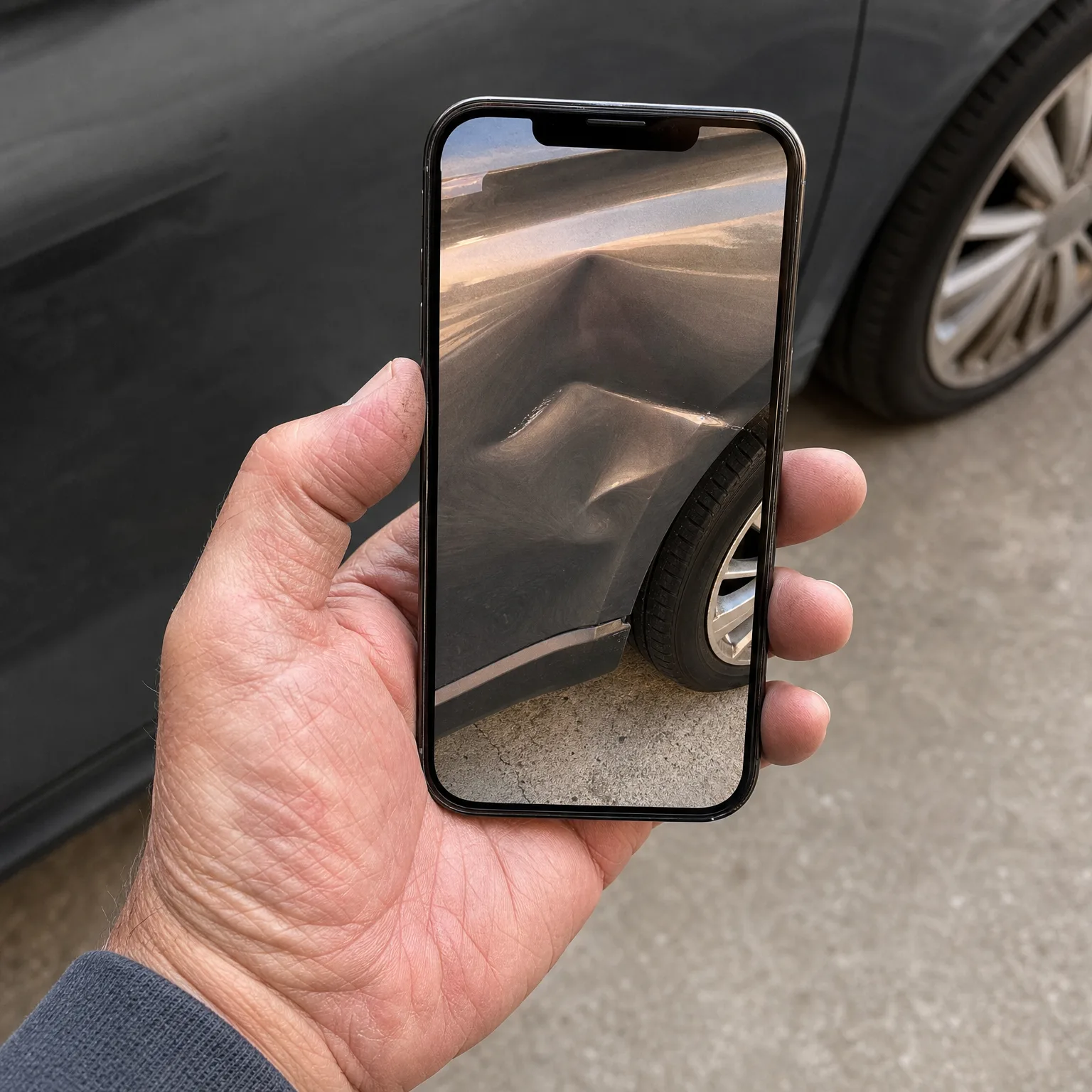
A straightforward claim, one car hit another, fault is obvious, damage is clear, usually moves fast. The adjuster inspects the damage, gets a repair estimate, and issues payment. If nobody was hurt and both sides agree on what happened, this can wrap up in a short stretch of time.
What slows it down is anything that needs more proof. An injury means waiting for medical treatment to finish before anyone can put a final number on the claim. A disagreement about who caused the accident means the insurer has to investigate, pull police reports, maybe talk to witnesses. Either one can stretch a claim out well beyond what a simple fender bender takes.

Whether there's an injury involved
Property damage alone is the fastest kind of claim to close. There's a car, there's an estimate, there's a repair shop. The numbers are concrete and nobody has to wait on anything.
An injury changes that. The insurer typically won't settle the injury portion of a claim until the person is done with medical treatment, because they need to know the full cost before they offer a final number. Settling too early can mean missing future treatment that turns out to be necessary.
If you're the one filing the claim and you were hurt, ask your own doctor for a realistic sense of your recovery time. That gives you a better idea of when the claim might actually resolve, rather than guessing.
If you're waiting on someone else's claim against you, this is usually the part you have the least control over. The other person's treatment sets the pace.
Whether fault is contested
If both drivers and both insurers agree on what happened, the claim moves on the facts alone. There's nothing to argue, just paperwork to process.
When fault is in dispute, the insurer has to build a case. That can mean requesting the police report, reviewing photos, talking to witnesses, sometimes bringing in an accident reconstruction specialist for a serious crash. Each of those steps takes time to arrange and more time to complete.
You can help your own claim move faster by keeping anything that documents what happened: photos from the scene, contact information for witnesses, a copy of the police report once it's available. Ask your insurer or the other driver's insurer what they still need from you, since an incomplete file is one of the most common reasons a claim sits without movement.
Questions people ask about this
Why is my claim taking so long to settle?
Usually it's because something is still unresolved, like ongoing medical treatment or a question about fault. Ask the adjuster handling your claim what specifically they're waiting on. If it's been quiet for a while with no explanation, call and ask for a status update rather than assuming it's moving on its own.
Can I check on the status of my claim?
Yes, you can contact the adjuster assigned to your claim directly and ask where things stand. Most insurers also have an online portal or app where you can see basic status updates. Keep your claim number handy whenever you call.
What happens if the insurer doesn't respond in a reasonable time?
Each state sets rules about how promptly an insurer has to acknowledge and act on a claim. If you feel a claim is being delayed without reason, you can ask your state's insurance department what the requirements are and how to file a complaint if the insurer isn't meeting them.
Do I need a lawyer if my claim is taking too long?
Not necessarily, a lawyer is usually more relevant when fault is seriously disputed or an injury is significant. For a simple delay, start by asking the adjuster directly what's holding things up. If you're getting no answers or feel you're being treated unfairly, that's when it's worth getting advice from an attorney.
Will a long claim affect my insurance rate?
How a claim affects your rate depends on your insurer and whether you were at fault, not on how long the claim took to resolve. Ask your own insurer how they handle rating after a claim like yours, since this varies by company and by state.
If a slow claim has you rethinking your coverage, it's worth seeing what else is out there.
Call the adjuster handling your claim and ask directly what they're still waiting on, whether it's a medical record, a police report, or something else. Write down the date and what they tell you, so you have a record if things stall again. If you were hurt, ask your doctor for a realistic timeline for finishing treatment, since that often sets the pace for settlement. If the delay seems unreasonable, ask your state's insurance department what response times insurers are required to meet. And if you're unhappy with how this insurer has handled things, use this as a reason to compare what other insurers offer.