What If I Am Blamed for an Accident I Did Not Cause
Fault is decided by evidence, not by who files the claim first, and you can dispute it.
You can challenge a fault finding that isn't accurate
Being blamed for an accident you didn't cause isn't the end of it. Fault is usually decided by the insurance companies involved, based on evidence, and that decision can be challenged if it's wrong.
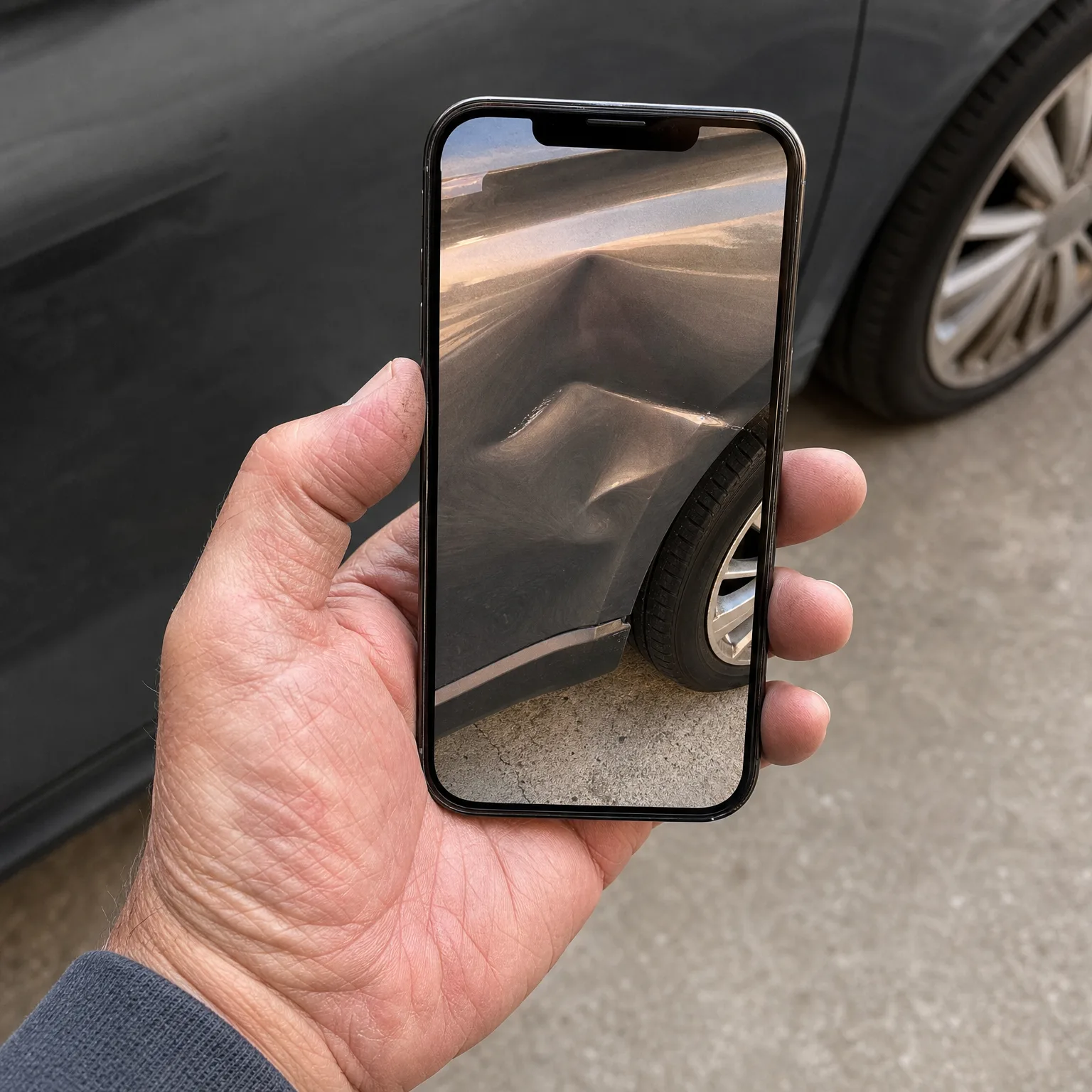
What it depends on is what evidence exists and how quickly you act. A police report, photos, witness statements, or a traffic camera can all support your side. The longer you wait to gather these, the harder it gets.
How fault actually gets decided
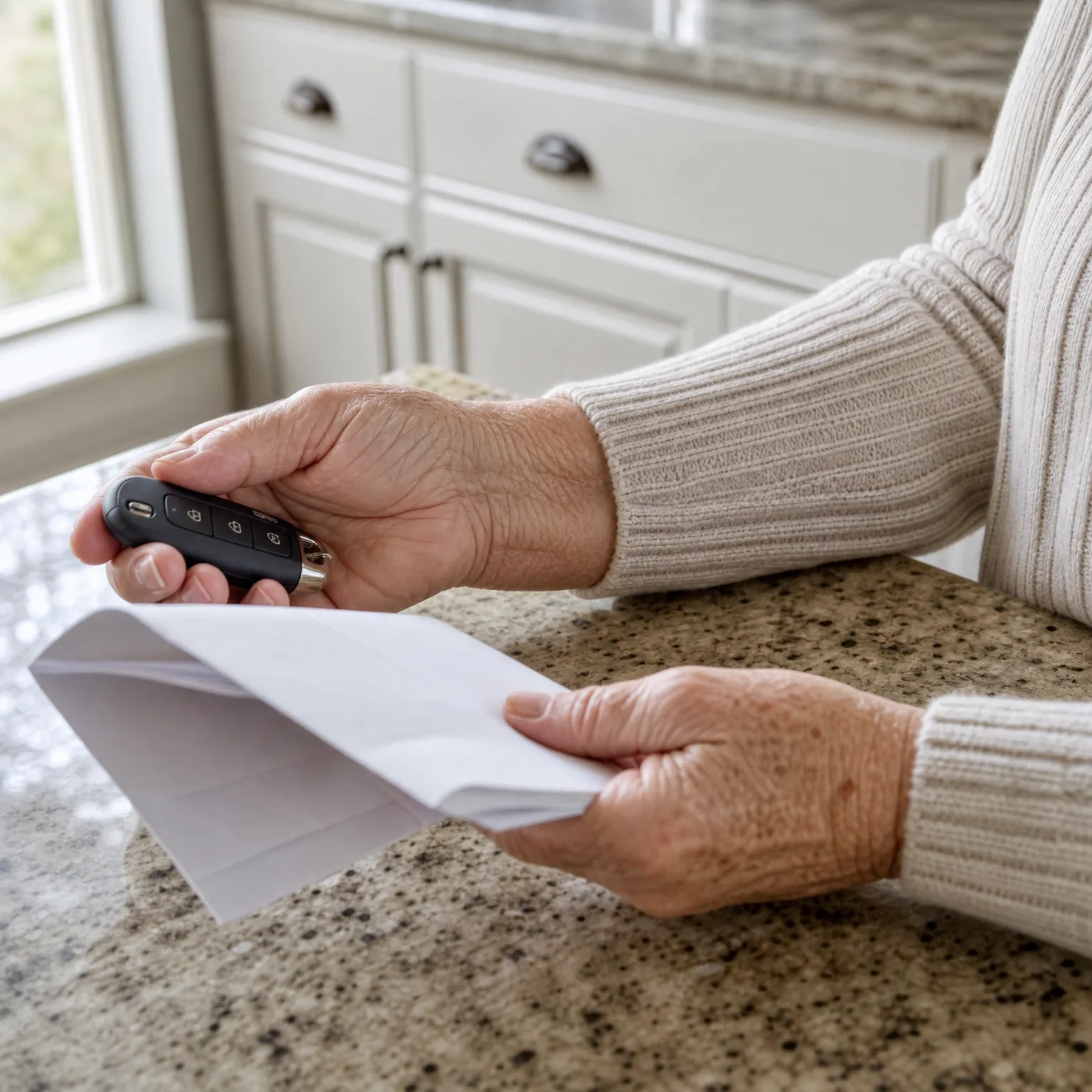
Fault isn't decided by a judge in most cases. It's decided by the insurance companies, often using the police report, statements from both drivers, and any physical evidence from the scene.
Each state has its own rules for how fault is assigned, and some states allow fault to be split between drivers rather than given entirely to one side. If you're in one of those states, being partly at fault doesn't mean you can't still recover some costs from the other driver.
Your own insurer may pay your claim first and then try to recover the cost from the other driver's insurer. That process can take time, and it doesn't always mean your insurer thinks you were at fault. Ask your insurer directly what their initial fault determination was and whether it's final or still under review.
If the other driver's insurer is the one blaming you, you're not required to accept that finding. You can file a dispute with your own insurer, provide additional evidence, and in some cases appeal through the state's insurance department.
What raises your rate while a dispute is open
The mistake many people make is assuming their rate won't move until fault is finally settled. In practice, an accident can show up on your record and affect your renewal before the dispute is resolved.
If your premium goes up after an accident that wasn't your fault, ask your insurer whether the increase was based on a fault determination or simply on the fact that a claim was filed. Some insurers raise rates for any accident, regardless of fault, unless state law prevents it.
Keep copies of everything you send your insurer: the police report, your written statement, photos, and any correspondence. If fault is later reassigned to the other driver, you'll need that paperwork to request a rate correction or a refund of any increase.
A dispute can take a while to settle. If you're shopping for a new policy in the meantime, be upfront with the insurer about the accident and the fact that fault is contested. Some insurers weigh contested claims differently than ones where fault is clearly settled.
Questions people ask about this
How do I dispute a fault determination after an accident?
You dispute it by contacting your insurer and providing evidence that contradicts the finding, such as photos, witness statements, or a police report. Ask what their appeals process looks like and whether the state has a separate process through its insurance department. Act quickly, since evidence gets harder to gather over time.
Will my insurance rate go up if I was not at fault?
It depends on your insurer and your state. Some insurers only raise rates for at-fault accidents, while others consider any claim regardless of fault. Ask your insurer directly how they handle not-at-fault accidents before you assume either way.
Can the other driver's insurance company blame me for the accident?
Yes, the other driver's insurer can make its own fault determination, and it doesn't have to match what your insurer decides. If you disagree with their finding, you can dispute it with them directly or involve your own insurer to help sort it out.
Does a police report decide who is at fault?
A police report is evidence, but it doesn't always make the final fault decision by itself. Insurers weigh it along with other evidence like photos, witness accounts, and vehicle damage. If the report contains an error, you can usually request a correction through the police department.
What should I do at the scene to protect myself if I am not at fault?
Take photos of both vehicles, the road, and any traffic signs or signals, and get contact information from any witnesses. Write down your own account of what happened as soon as possible while it's fresh. This evidence is what you'll rely on if fault is disputed later.
If you're dealing with a contested claim, it helps to see how different insurers would handle your situation.
Start by asking your insurer for their fault determination in writing and what it was based on. Gather anything you have from the day of the accident, including photos, the police report number, and contact information for any witnesses. If you disagree with the finding, ask your insurer what their dispute process involves and whether your state's insurance department offers a separate appeal. Keep a written record of every call and email in case you need to request a rate correction later. If your renewal is coming up while the dispute is unresolved, ask directly whether the pending claim affects your premium.