Liability Limits on a Fixed Income
Liability limits are the most you're covered for if you injure someone or damage their property while driving, and anything above that comes out of your own pocket.
What liability coverage pays for
Covers
- Injuries to other people If you cause a crash, it pays for the other driver's or pedestrian's medical care up to your limit.
- Damage to their vehicle It covers repairs or replacement for the other car, not yours.
- Damage to property If you hit a fence, a mailbox, or a building, this pays to fix it.
- Legal defense if you're sued If the other party sues over the accident, your insurer provides and pays for a lawyer, usually separate from your limit.
- Lost income you caused If the person you hit misses work because of their injuries, this can cover that loss as part of the claim.
Doesn't cover
- Your own car's damage Liability never pays to fix or replace your vehicle, that's what collision coverage is for.
- Your own injuries Your medical bills come from health insurance or medical payments coverage, not liability.
- A hit and run or uninsured driver If the other driver has no insurance or flees, that's a separate uninsured motorist coverage, not this one.
- Theft or vandalism Someone breaking a window or stealing the car falls under comprehensive coverage instead.
- Damage from a storm or animal Weather, falling branches, and deer strikes are comprehensive claims, not liability ones.

Keep this at a real limit, don't let it drift low
This isn't the coverage to cut corners on, no matter your age. Liability protects what you've already built, your savings, your home, and future income if someone ever garnishes it after a serious accident. The temptation on a fixed income is to lower the limit to save on the bill, but that shifts risk onto exactly the assets you most need to protect now that you're not earning a paycheck to rebuild them.
What matters most here is what you have to lose, not what your car is worth. A driver with modest savings and no other assets has less exposure and can reasonably carry a lower limit. A driver with a paid off house, retirement accounts, or other property has more to protect and should carry a higher one, since a lawsuit can reach beyond what your policy pays.
How much you still drive matters too. Someone who only drives to church and the grocery store a few times a week has less exposure than someone who still commutes or drives grandchildren around regularly. Less time on the road lowers the odds you'll ever need this, but it doesn't remove the risk entirely, and a single bad intersection can still cause a serious claim.
Where the car sits overnight and how often it's driven in unfamiliar areas, like on road trips to see family, also affects your real exposure. A car that mostly sits in a quiet driveway carries less day to day risk than one driven often on busy highways or in a new city.
How a claim against your liability coverage actually goes
Liability coverage doesn't work like collision or comprehensive, there's no deductible on your end because you're not the one being paid. The other person or their insurer files the claim against your policy, and your insurer investigates and pays them directly, up to your limit.
You'll usually need to give a statement about what happened, and your insurer may ask for photos, a police report, or witness information if there is any. Cooperating quickly and honestly matters, since a slow or incomplete response can delay the other person's claim and draw more scrutiny onto yours.
If the claim is within your limit, your insurer handles the payout and the matter typically ends there. If damages exceed your limit, you can be personally responsible for the difference, which is the exact scenario this coverage exists to prevent, and why the limit you choose matters more than almost anything else on the policy.
Have your policy number, the date and location of the accident, and the other driver's information ready when you call. The sooner your insurer has the full picture, the faster they can resolve it.
Liability limits versus uninsured motorist coverage
Liability Limits
This pays for harm you cause to someone else, their car, or their property. It only applies when you're at fault.
Uninsured Motorist Coverage
This protects you when the other driver is at fault but has no insurance or not enough to cover your losses. It pays for your injuries and sometimes your car, not theirs.
If you worry about causing an accident, focus on your liability limit, and if you worry about being hit by someone without coverage, make sure uninsured motorist coverage is part of your policy too.
Real situations
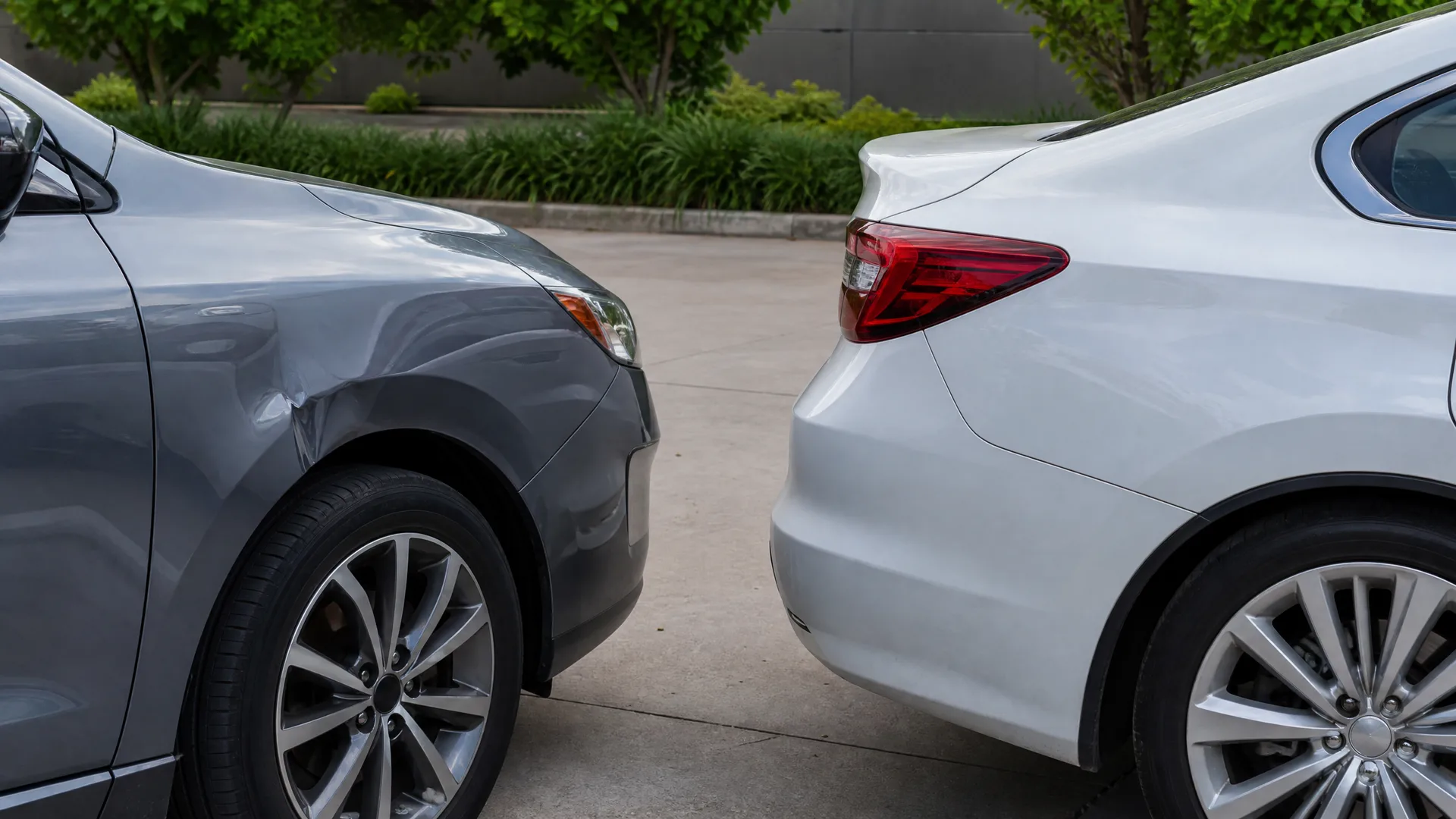
You back out of a parking spot at the pharmacy and clip another car, denting its door.
This pays for the other car's repair, since you were at fault and it's property damage to someone else.
A hailstorm hits while your car is parked at church and dents the hood and cracks the windshield.
This doesn't pay, since there's no other person involved, that's a comprehensive claim instead.
You're pulling into traffic and misjudge a gap, causing a crash that injures the other driver and totals their car.
This pays for their medical bills and their vehicle, up to your limit, since the accident was your fault.
Once you know what limit makes sense for what you have to protect, you can compare quotes at that limit and see what it actually costs.
Questions people ask about this
Can I be sued for more than my liability limit covers?
Yes, if the damages are higher than your limit, you can be personally responsible for the rest. This is the main reason many people choose a higher limit once they have savings, a home, or other assets worth protecting. An umbrella policy is another way to add protection above your car insurance limit.
Does my liability limit affect my premium a lot?
Raising your limit does increase the cost, but usually by less than people expect compared to the jump in protection. It's worth asking for quotes at a couple of different limits side by side before deciding. The honest way to know is to compare your current limit against a higher one directly.
What happens if I cause an accident and don't have enough liability coverage?
The other person can pursue you directly for the remaining amount, through negotiation or a lawsuit. Some states allow wage garnishment or liens against property to collect what's owed. This is exactly the gap a higher limit or an umbrella policy is meant to close.
Do I still need high liability limits if I barely drive anymore?
Driving less lowers your odds of an accident but doesn't remove the risk, since even a short trip can lead to a serious crash. If you have real assets to protect, the limit still matters regardless of mileage. How often you drive is one factor among several, not the deciding one on its own.
Can I lower my liability limit if I don't have much in savings or assets?
Yes, and it can be a reasonable way to reduce cost if there's little for a lawsuit to reach. It's worth checking your state's minimum requirement first, since you can't go below that. Talk through your specific situation before lowering it, since circumstances like a paid off home can change the math.